



Let's talk about the most confusing part of planning for veneers: dental insurance. It’s a common belief that insurance never covers cosmetic procedures, which can stop people from even exploring the option. While it’s true that purely cosmetic cases are rarely covered, there are important exceptions. The real question isn't just "how much do veneers cost with insurance," but "under what circumstances will my insurance help?" The answer depends on whether your treatment is deemed "medically necessary" to restore a tooth's function. In this guide, we’ll demystify the insurance process. We'll explain the difference between cosmetic and restorative care, detail the documentation needed to make a case for coverage, and outline other financial tools, like our Loyalty Discount Plan, that can make your new smile affordable.
Key Takeaways
- Your final cost is unique to your smile: The price for veneers is not one-size-fits-all; it's based on the material you select, how many teeth you want to enhance, and your specific dental needs.
- Check for restorative coverage: While insurance typically doesn't cover cosmetic procedures, your plan might help with the cost if a veneer is needed to repair a damaged tooth, so it's always worth asking your provider about "medically necessary" treatments.
- You have several ways to pay: You can make veneers more affordable by using pre-tax funds from an HSA or FSA, applying for third-party financing, or asking about in-house payment options and loyalty discount plans.
What Are Dental Veneers?
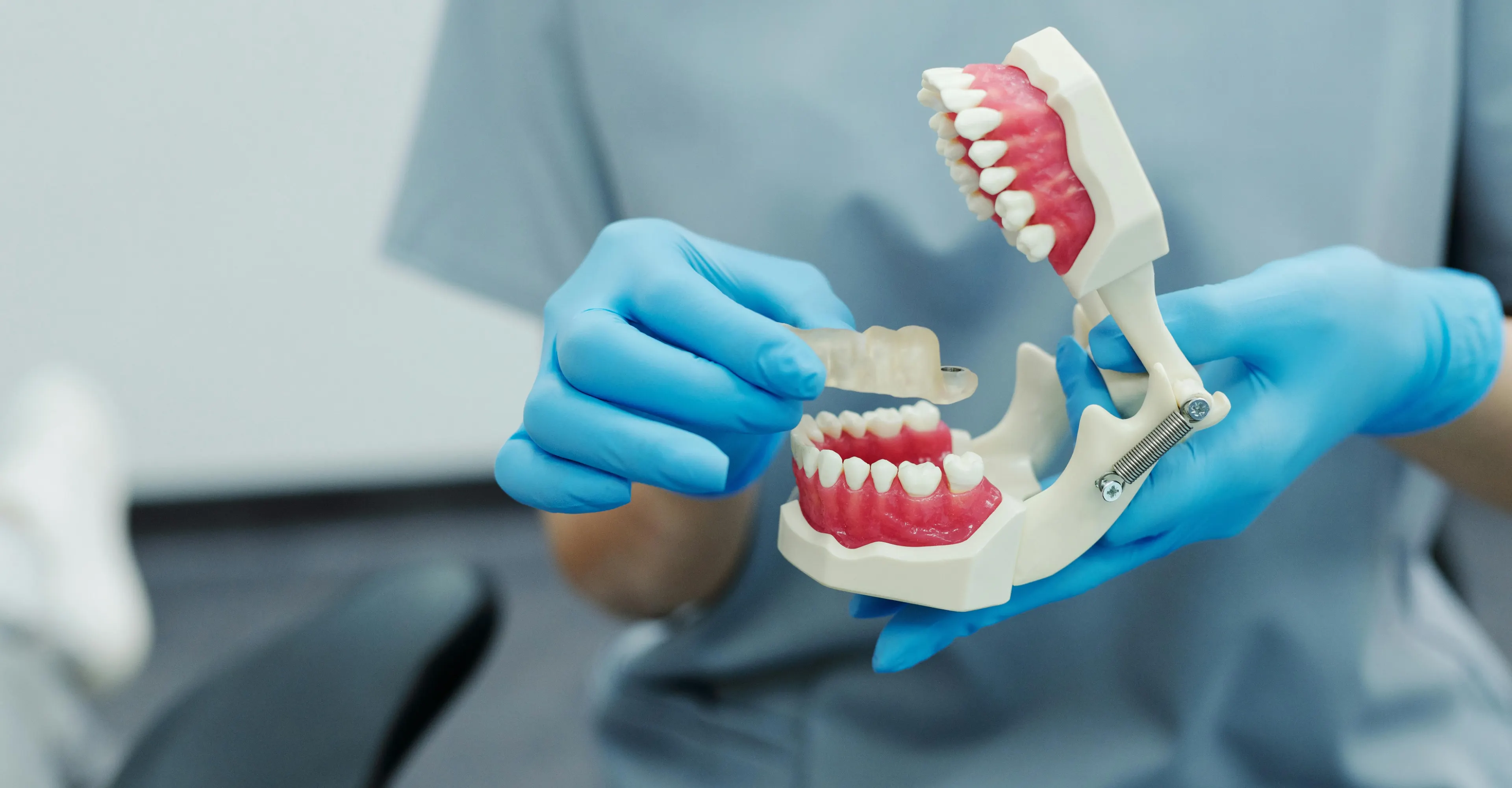
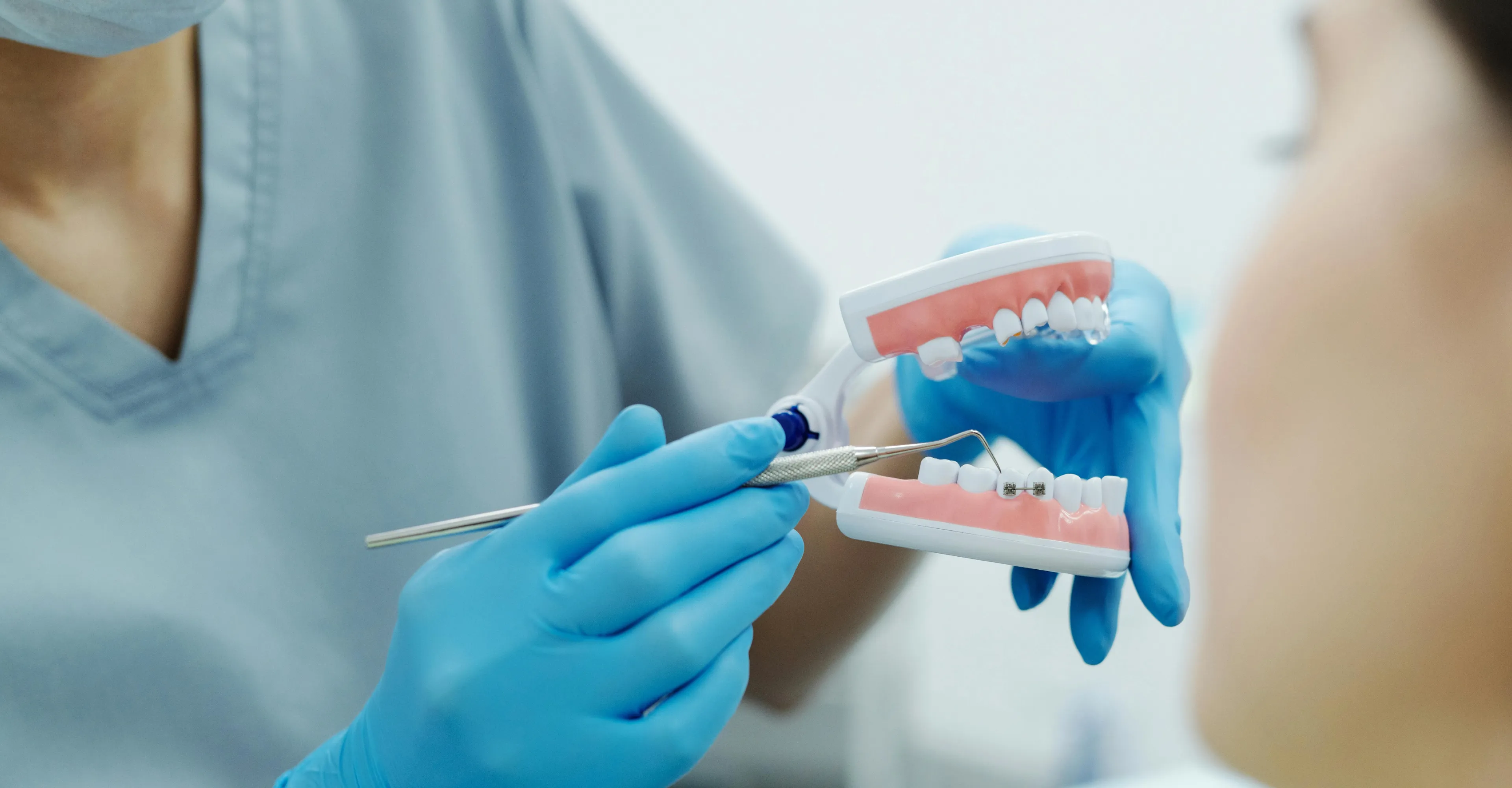
If you’ve ever wished for a do-over for your smile, dental veneers are about as close as you can get. Think of them as very thin, custom-made shells that are bonded to the front surface of your teeth. Their purpose is purely cosmetic: to change the color, shape, size, or length of your teeth to give you a more uniform and brighter smile.
Veneers are a popular choice in cosmetic dentistry because they can deliver a dramatic transformation with a relatively conservative procedure. Unlike a crown, which covers the entire tooth, a veneer only covers the front. This means less of your natural tooth needs to be altered. They are crafted to look and feel like natural teeth, making them a seamless way to address imperfections and achieve the smile you've always wanted.
Porcelain vs. Composite Veneers
When it comes to veneers, you generally have two material choices: porcelain and composite resin. Porcelain veneers are the gold standard for a reason. They are incredibly strong, stain-resistant, and can last for 15 years or more with proper care. Because they reflect light similarly to natural tooth enamel, they offer a very realistic appearance. While they have a higher upfront cost, their durability often makes them a better long-term investment.
Composite veneers, on the other hand, are a more budget-friendly option. They are made from a tooth-colored resin that is applied directly to the tooth and sculpted into the desired shape, often in a single appointment. This makes them a faster and less expensive choice. However, they don't last as long as porcelain and are more prone to staining over time, so they may need to be touched up or replaced sooner.
What Smile Concerns Can Veneers Fix?
Veneers are fantastic for correcting a variety of common cosmetic dental issues. If you have teeth with stubborn discoloration that whitening treatments can't fix, veneers can give you a permanently bright smile. They are also an excellent solution for repairing minor damage, like chips, cracks, or small breaks in your teeth, restoring their original shape and strength.
Beyond color and damage, veneers can also create a more uniform look. They can close small gaps between teeth or correct teeth that are slightly crooked, worn down, or unevenly shaped. Instead of undergoing lengthy orthodontic treatment for minor alignment issues, veneers can provide an instant fix. If any of these concerns sound familiar, the best first step is to book a consultation to see if veneers are the right solution for you.
What Determines the Cost of Veneers?
Thinking about veneers is exciting, but it’s natural to wonder about the price tag. The truth is, there’s no one-size-fits-all answer to how much veneers cost. The final price depends on several key factors that are unique to your smile and your goals. It’s an investment in your confidence, and understanding the variables can help you feel more prepared for the journey.
The total cost of your treatment is influenced by the materials we use, the number of teeth you want to enhance, and the specific details of your dental health. The complexity of your case and your dentist’s level of expertise also play a significant role. Think of it like a custom-tailored suit; the final price reflects the quality of the fabric and the precision of the fit. We’ll walk through each of these factors together so you have a clear picture of what goes into creating your new smile. The best way to get an exact number is to schedule a consultation where we can create a personalized plan just for you.
The Material You Choose
One of the biggest factors in the cost of veneers is the material you and your dentist decide on. The two main options are porcelain and composite resin, and each has its own benefits and price point. Porcelain veneers are the top-tier choice for a reason. They are incredibly durable, resist stains beautifully, and have a translucent quality that mimics natural tooth enamel perfectly. Because of the high-quality material and the detailed lab work involved, porcelain veneers typically cost between $1,000 and $2,500 per tooth.
Composite veneers are a more budget-friendly alternative, often costing about half the price of porcelain. This type of veneer is made from a tooth-colored resin that your dentist applies directly to your tooth and sculpts into shape during your appointment. While they are a fantastic and less invasive option, they may not last as long as porcelain and can be more prone to staining over time.
How Many Veneers You Need
The total cost of your smile makeover is directly tied to how many veneers you get. If you’re looking to fix a single chipped or discolored tooth, your investment will be much smaller than if you’re aiming for a complete smile transformation. It all comes down to your personal aesthetic goals. What parts of your smile do you want to improve?
For many people seeking a full, uniform look, a set of 8 to 10 veneers on the upper teeth is common, as these are the teeth that show most when you smile. A full set of eight porcelain veneers can range from $8,000 to $20,000, depending on the other factors we’ve discussed. During your consultation, we can explore how many veneers will give you the beautiful, natural-looking results you want while fitting within your budget.
Your Dentist’s Location and Expertise
Just like with any professional service, location and experience matter. A dentist practicing in a large city with high overhead costs may have different pricing than one in a smaller town. At Smile Makers Dental Center, we have six convenient locations across Northern Virginia, making expert care accessible to our community.
Furthermore, a dentist who specializes in cosmetic procedures and has years of experience creating stunning smiles will have a different fee structure than a general dentist who performs veneer treatments less frequently. Choosing a highly skilled cosmetic dentist is an investment in the quality and longevity of your results. You’re paying for their artistry and technical precision, which are crucial for a natural-looking outcome that you’ll love for years to come.
The Complexity of Your Treatment Plan
Every smile is unique, and sometimes, we need to address underlying dental issues before placing veneers. The complexity of your individual case will influence the overall cost. For example, if you have active cavities, gum disease, or significant tooth misalignment, these conditions must be treated first to ensure your mouth is healthy and ready for veneers. These preliminary treatments are essential for the success of your veneers but will add to the total investment.
In some cases, a tooth may need to be slightly reshaped to ensure the veneer fits perfectly. The extent of this prep work can also affect the cost. On the other hand, if a veneer is needed to restore the function of a broken or damaged tooth, your treatment might be considered a restorative procedure, which could impact potential insurance coverage.
Factoring in Additional Procedures
Your veneer treatment is often part of a larger smile makeover plan, and any additional procedures will be factored into the final cost. Before we even begin, your journey will likely start with a comprehensive dental exam, X-rays, and a professional cleaning to create a healthy foundation for your new smile. These initial steps are typically billed separately from the veneers themselves.
Many patients also choose to include other cosmetic treatments to complete their look. For instance, you might decide to have your other teeth professionally whitened so they match the bright shade of your new veneers. In other cases, minor gum contouring might be recommended to create a more symmetrical and harmonious smile line. We’ll discuss all of your options and provide a transparent breakdown of any recommended cosmetic services during your consultation.
Breaking Down the Cost of Veneers
Let's talk numbers. The final cost of your veneers will depend on several factors we discussed, but it helps to have a general idea of what to expect. The price can vary quite a bit based on the material you choose and your specific treatment plan. Below is a breakdown of the average costs for both porcelain and composite veneers, along with what you might expect to pay out-of-pocket. This will give you a clearer picture as you start planning for your new smile.
Average Cost: Porcelain Veneers
Porcelain veneers are the top-tier option for a reason. They offer incredible durability and a natural, translucent appearance that mimics real tooth enamel. Because of the high-quality material and the detailed lab work required to create them, they come with a higher price tag. On average, you can expect porcelain veneers to range from $1,000 to $2,500 per tooth. As one dental resource notes, porcelain veneers can cost between $1,180 and $2,185 per tooth without insurance. While it's a significant investment, many people find the long-lasting, beautiful results are well worth it.
Average Cost: Composite Veneers
If you're looking for a more budget-friendly path to a better smile, composite veneers are an excellent alternative. This type of veneer is sculpted directly onto your teeth by your dentist in a single visit, which helps keep costs down. The price for composite veneers generally falls between $250 and $1,500 per tooth. The final amount depends on the complexity of your case and the number of teeth you're treating. This option makes a smile transformation more accessible and is a great choice for fixing smaller cosmetic issues like chips or gaps.
Your Estimated Out-of-Pocket Cost
When planning your budget, it's important to know that most dental insurance plans classify veneers as a cosmetic procedure. Because of this, they typically aren't covered. According to Humana, most dental insurance plans do not cover veneers unless they are considered medically necessary to restore a tooth's function, for instance, after an injury. If your case qualifies for partial coverage, you may still be responsible for 50% to 80% of the total cost. We can help you figure this out by submitting a pre-treatment estimate to your insurance provider.
Does Dental Insurance Cover Veneers?
This is one of the most common questions we hear, and the honest answer is: it depends. Most dental insurance plans view veneers as a purely cosmetic treatment, meaning they don’t typically offer coverage if you’re getting them just to improve the look of your smile. Insurance is designed to cover procedures that restore health and function, not ones that are considered elective.
However, there are important exceptions. If a veneer is needed to fix a structural problem with a tooth, your plan might cover a portion of the cost. The key is understanding the difference between a cosmetic want and a restorative need. Your insurance provider will have specific guidelines for what they consider medically necessary, so it’s always best to check your policy details. We can help you with this process by providing the right documentation for your claim.
When Insurance Might Provide Coverage
While coverage is not the norm, it’s definitely possible in certain situations. Insurance providers are more likely to contribute if your veneer serves a restorative purpose. Think of it this way: if your tooth is damaged, a veneer can act as a functional repair, not just a cosmetic enhancement. For example, if you’ve chipped a tooth in an accident or have a tooth that is cracked, a veneer can restore its shape and protect it from further damage.
In cases like these, the procedure helps bring the tooth back to its proper function. Other scenarios might include replacing worn-down enamel from grinding or acid reflux. Your insurance plan may cover a percentage of the cost for these types of restorative treatments, but it’s rare for them to cover the full amount.
Understanding "Medically Necessary"
The term you’ll hear a lot when discussing insurance is "medically necessary." This is the standard insurance companies use to determine whether they will pay for a procedure. For a veneer to be considered medically necessary, your dentist must demonstrate that it’s required to fix a functional issue. This could mean restoring a tooth that has been damaged by trauma, decay, or significant wear that impacts your ability to chew properly.
Simply wanting to close a gap or cover up discoloration won’t meet this standard. Our dentists at Smile Makers Dental Center are experienced in documenting these cases. We provide detailed notes, photos, and X-rays to your insurance provider to build the strongest possible case for why your veneers are essential for your oral health, not just for aesthetics.
Common Myths About Veneer Coverage
Let’s clear up a few common myths about getting veneers covered by insurance. The biggest one is that veneers are never covered. While it’s true that purely cosmetic cases are denied, coverage for restorative cases is possible. Another myth is that your dentist can simply tell the insurance company the procedure is necessary. In reality, insurers have strict review processes and require clear evidence, like documentation of an injury or structural damage.
Finally, many people assume that if their plan offers coverage, it will pay for 100% of the cost. This is almost never the case. Most plans will only cover a portion, leaving you with some out-of-pocket expenses. If you find that your insurance won’t cover your veneers, we offer other options like our Loyalty Discount Plan to make treatment more affordable.
How to Check Your Insurance for Veneer Coverage
Figuring out what your dental insurance will cover can feel like a puzzle, but you don't have to solve it alone. The key is to be proactive and ask the right questions before you commit to treatment. By working with your insurance provider and your dental team, you can get a clear and accurate picture of your total costs. This process helps you plan your budget and move forward with confidence, knowing there won’t be any financial surprises waiting for you down the line. Let’s walk through the exact steps to take.
Key Questions for Your Insurance Provider
Your first step should be to contact your insurance company directly. Most dental plans consider veneers a cosmetic procedure, meaning they typically don’t offer coverage. However, there are important exceptions. If a veneer is needed to repair a chipped, broken, or otherwise damaged tooth, it may be considered restorative and therefore medically necessary. When you call your provider, have a list of questions ready to get the clear answers you need. Ask them:
- Does my plan offer any coverage for veneers?
- Are there specific situations, like fixing a damaged tooth, where coverage is provided?
- If the treatment is deemed medically necessary, what percentage of the cost does my plan cover?
- What specific documentation does my dentist need to submit to prove medical necessity?
Requesting a Pre-Treatment Estimate
Once you have a general idea of your plan’s rules, the next step is to get a pre-treatment estimate. This is a formal request your dentist sends to your insurance company that details your proposed treatment plan. Your insurer will review it and send back a document outlining exactly what they will pay for and how much your out-of-pocket portion will be. This is the single best way to understand your final cost before treatment begins. Our team at Smile Makers Dental Center can handle this submission for you, making the process simple and straightforward. All you need to do is book a consultation to get started.
Partnering with Your Dentist to Maximize Benefits
Think of your dentist as your partner in this process. During your consultation, we can discuss your specific needs and determine if your veneers serve a restorative purpose that might qualify for coverage. We are experienced in providing the detailed documentation insurance companies require to demonstrate medical necessity. If your plan doesn't cover the cost, we can explore other financial options with you. Many patients use a Health Savings Account (HSA) or Flexible Spending Account (FSA) to pay for treatment with pre-tax dollars. We also offer a Loyalty Discount Plan to help make care more affordable for patients without insurance.
How to Pay for Veneers
Investing in your smile is a big decision, and it’s completely normal to think about the financial side of things. The good news is that you have several flexible options to make paying for veneers feel much more manageable. You don’t have to pay the full amount all at once if that doesn’t fit your budget. From using pre-tax health accounts to finding a payment plan that works for you, there are clear paths to getting the smile you’ve been dreaming of.
Many people find that a combination of options works best. For example, you might use funds from a health savings account to cover a portion of the cost and finance the rest. At Smile Makers Dental Center, we believe that financial concerns shouldn't stand in the way of your confidence. We’re here to help you find the right solution, whether it's through third-party financing, our in-house options, or our special discount plan. Our team is dedicated to making the process transparent and stress-free, so you can focus on the exciting result. You can even pay your bills online for added convenience. Let’s walk through the most common ways to pay for your new veneers.
Using an HSA, FSA, or HRA
If you have a Health Savings Account (HSA), Flexible Spending Account (FSA), or Health Reimbursement Arrangement (HRA) through your employer, it can be a fantastic tool for covering dental costs. These accounts allow you to set aside pre-tax money for qualified medical and dental expenses. Since veneers can sometimes be considered a cosmetic procedure, it's a good idea to confirm with your account administrator. However, if your treatment is deemed medically necessary to restore a tooth’s function, you can almost certainly use these funds. Using pre-tax dollars is a smart way to reduce your overall out-of-pocket cost.
Third-Party Financing
Another popular route is third-party financing, which allows you to break down the total cost of your veneers into manageable monthly payments. Companies like CareCredit specialize in financing for healthcare procedures and often offer promotional periods with no interest if you pay off the balance within a specific timeframe. This option gives you the freedom to move forward with your treatment right away while paying for it over several months or even years. During your consultation, our team can help you explore these financing partners and guide you through the simple application process.
In-House Payment Plans
To make things as straightforward as possible, many dental offices provide their own in-house payment plans. This option keeps everything simple because you manage your payments directly with the practice that’s providing your care. We work with our patients to create a payment schedule that aligns with their budget, spreading the cost over an agreed-upon period. If this sounds like a good fit for you, just ask us about it during your visit. We’re happy to discuss the details and find a plan that makes you feel comfortable and confident as you start your smile transformation journey. You can book an appointment to get started.
Our Loyalty Discount Plan
For our patients without dental insurance, we created the Smile Makers Loyalty Discount Plan. This is not insurance, but rather a membership-based plan designed to make comprehensive dental care more affordable for everyone in our community. For a low annual fee, members receive significant discounts on a wide range of services, including cosmetic treatments like veneers. There are no waiting periods, deductibles, or annual maximums to worry about. Our Loyalty Discount Plan is a simple and effective way to reduce your costs and get the high-quality care you deserve.
Are Veneers a Worthwhile Investment?
Thinking about the cost of veneers often leads to a bigger question: are they worth it? It’s a great question to ask. Deciding to get veneers is an investment in your smile and, for many people, a huge confidence builder. The value really comes down to what you’re looking for. Veneers offer a dramatic and lasting transformation that other treatments might not achieve. But whether they're the right choice for you depends on a few key factors, like how long they last and how they stack up against other cosmetic dentistry options. Let's break down those two important pieces so you can feel confident in your decision.
How Long Do Veneers Last?
The lifespan of your veneers really depends on the material you choose and how well you care for them. Porcelain veneers are the gold standard for durability, typically lasting 10 to 15 years, and sometimes even 20 years with excellent care. Composite resin veneers are a more budget-friendly option upfront, but they have a shorter lifespan of about 5 to 7 years. To get the most out of your investment, it’s crucial to maintain great oral hygiene. This means brushing, flossing, and attending your regular dental check-ups, just as you would to protect your natural teeth. Avoiding habits like chewing on ice or using your teeth as tools will also help ensure they stay beautiful for years to come.
Veneers vs. Other Cosmetic Treatments
Veneers are fantastic, but they’re one of several tools we have to help you achieve your smile goals. It’s helpful to know where they fit in. For instance, dental bonding is another option for fixing small chips or gaps. It’s generally faster and less expensive than veneers, but the material isn't as durable or stain-resistant, and it may not last as long. If your main concern is discoloration, professional teeth whitening might be all you need. And if your teeth are crooked, orthodontic treatments like aligners could be a better long-term solution for both aesthetics and function. The best choice always depends on your unique smile and goals.
Get Your Custom Veneer Consultation at Smile Makers Dental Center
Thinking about veneers is exciting, but figuring out the financial details can feel like a big hurdle. The best way to get clear answers tailored to you is to talk with a professional. At Smile Makers Dental Center, we offer personalized consultations to walk you through every step. We’ll sit down with you, listen to your smile goals, and create a custom treatment plan that makes sense for your needs and your budget. This one-on-one time is all about giving you the clarity and confidence to move forward.
During your consultation, we’ll take a close look at your dental insurance plan. While veneers are often considered a cosmetic treatment, some plans may offer coverage if the veneer is needed to repair a chipped or broken tooth. Our team has years of experience working with different insurance providers, and we can help you understand your benefits and submit a pre-treatment estimate. We’ll do the homework to see exactly what your plan covers, so you don’t have to sort through the fine print alone.
If your insurance doesn’t cover the cost, don’t worry, you still have options. We believe everyone deserves a smile they love, which is why we created our Loyalty Discount Plan to make treatment more accessible. We can also discuss using a Health Savings Account (HSA) or Flexible Spending Account (FSA) to pay for your veneers with pre-tax dollars. Our goal is to find a financial solution that works for you.
You don’t have to keep wondering if veneers are the right choice. Let’s talk about it. We have six convenient locations across Northern Virginia, and our team is ready to help you explore your options. Schedule your custom consultation with us today and take the first real step toward the smile you’ve always wanted.
Related Articles
- Dental Veneers Virginia | Smile Makers Dental Center
- Dental Crowns Virginia | Smile Makers Dental Center
Frequently Asked Questions
How can I get an exact price for my veneers? The only way to get a precise cost is to come in for a custom consultation. The final price depends on many factors, including the material you choose (porcelain or composite), how many teeth you want to enhance, and the current health of your teeth. During your visit, we can create a personalized treatment plan and provide a detailed breakdown of the costs, so you know exactly what to expect before making any decisions.
Are veneers permanent? Yes, getting veneers is considered a permanent cosmetic procedure. To ensure the veneers fit perfectly and look natural, a very thin layer of your tooth enamel is removed. Because enamel does not grow back, your teeth will always need to be covered with veneers or another type of restoration, like a crown. The veneers themselves will eventually need to be replaced, but the change to your natural teeth is irreversible.
How long does the whole process of getting veneers take? The entire process typically takes place over two to three appointments within a few weeks. Your first visit is the consultation. The second visit is when we prepare your teeth and take impressions to create your custom veneers; you'll leave this appointment with temporary veneers. About two weeks later, you’ll return for your final appointment, where we will bond your permanent, custom-made veneers to your teeth.
What if my insurance says no? What are my best payment options? If your insurance doesn't cover veneers, you still have great options. Many of our patients use pre-tax funds from a Health Savings Account (HSA) or Flexible Spending Account (FSA). We also partner with third-party financing companies that allow you to pay for your treatment in manageable monthly installments. For patients without insurance, our Smile Makers Loyalty Discount Plan is a fantastic choice, offering significant savings on cosmetic procedures for a low annual fee.
How do I know if veneers are better for me than whitening or bonding? The best choice depends entirely on your goals. If you are happy with the shape and alignment of your teeth and just want a brighter smile, professional teeth whitening might be all you need. If you have a very small chip or gap you want to fix, dental bonding is a quick and effective solution. Veneers are ideal when you want a more comprehensive change to the shape, color, and overall appearance of your smile. A consultation is the best way to explore these options together.