





A cracked tooth that hurts when you bite down needs more than a quick filling to save it. Fixing this kind of dental damage takes a clear treatment path that brings back your full bite strength.
The dental crown procedure is a standard restorative dental treatment that repairs and protects a decayed, cracked, or severely worn tooth. According to Healthdirect, this dental care process often takes place over one or two office visits. During the first visit, the dentist shapes the tooth, takes a digital impression, and places a temporary cap to protect it. At the next visit, they remove the temporary cap and cement the custom permanent porcelain crown into its final position. This simple treatment restores the full shape, strength, and function of your tooth while keeping you completely safe and comfortable. This step-by-step guide breaks down each stage of the process and shares easy tips to help your new restoration last.
Knowing what lies ahead can make your upcoming dental visit much easier. The first step is to look at What Is a Dental Crown and When Do You Need One? to see why you need this treatment. The process begins with
What Is a Dental Crown and When Do You Need One?
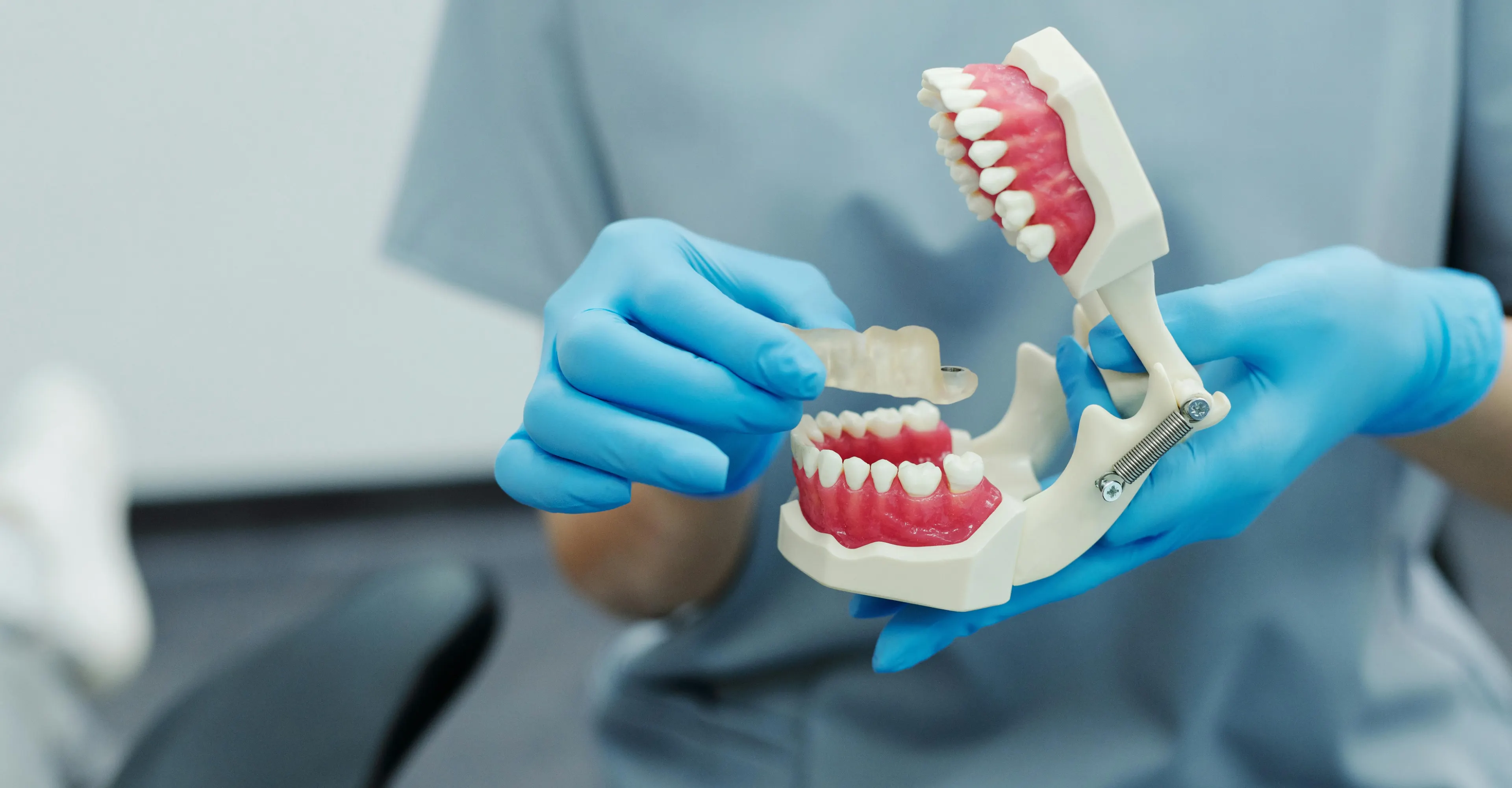
After a root canal or when a large filling no longer holds, your dentist may suggest a crown. A dental crown is a tooth-shaped cap that sits over a damaged tooth, restoring its shape, size, strength, and look.
What does a crown do?
A crown acts like a hard shell for a weak tooth. It covers the whole visible part above the gum line. Once placed, it takes over the biting and chewing duties so the tooth underneath stays protected. According to the Cleveland Clinic, a dental crown is used to restore a decayed, broken, weak, or worn-down tooth.
Common reasons to get a crown
Dentists suggest crowns for several reasons. You may need one if you have a crack or chip that is too large for a filling. Crowns also protect a tooth after a root canal procedure. The Cleveland Clinic notes that dentists use crowns to cover dental implants and root canal-treated teeth. Other cases include a tooth with severe wear from grinding, or a discolored or oddly shaped tooth that needs cosmetic repair.
Signs you might need a crown
Some common signs point to the need for a crown. You feel pain when you bite down on a specific tooth. The tooth has visible cracks or chips. A large filling is breaking down or the tooth feels weak. You have had a root canal and the tooth now needs protection. If any of these sound familiar, a consultation can help you decide. Explore our restorative dentistry services to learn more about how we restore damaged teeth.
The Dental Crown Procedure: Step by Step
Knowing the steps of the dental crown procedure removes the guesswork from treatment. Here is what happens from start to finish.
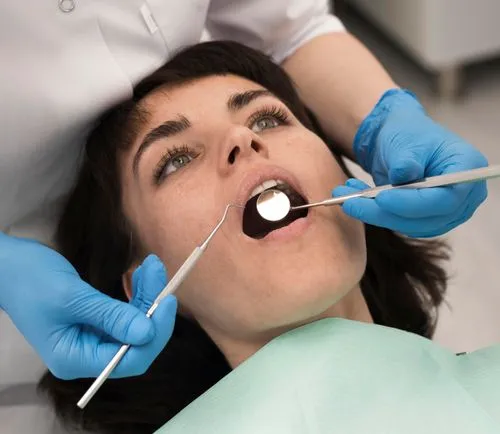
- Consultation and exam. Your dentist examines the tooth and takes X-rays to check for decay or damage in the root and bone. They confirm that a crown is the right fix for your situation.
- Local anesthesia. Before work begins, the dentist numbs the tooth and the surrounding gum tissue. You will feel no pain during the preparation. If you feel anxious, ask about our sedation options to stay relaxed throughout the visit.
- Tooth preparation. The dentist removes any decay and shapes the outer layer of the tooth. They also remove enough enamel to make room for the crown to fit. This step is precise, and the tooth loses a small amount of structure to gain a strong new surface.
- Taking impressions. Your dentist captures an exact model of the prepared tooth using an intraoral scanner or traditional putty. These impressions guide the lab or same-day milling machine to build a crown that fits perfectly.
- Placement of a temporary crown. For traditional crowns, the dentist places a temporary crown over the prepared tooth. This cap protects the sensitive area while you wait for the permanent crown to arrive from the lab. According to Healthdirect, the dental crown procedure often needs one or two visits to finish.
- Lab fabrication. A dental lab uses the impression to craft your custom crown from the chosen material. This takes two to three weeks for traditional crowns. With same-day CEREC technology, the crown is milled in the office during your visit.
- Permanent crown placement. Once the permanent crown is ready, you return to the dentist. They remove the temporary cap, check the fit and color, and then cement the final crown into place. Your bite is adjusted if needed so the crown feels natural.
Each step of the dental crown procedure is designed to protect your tooth and restore your smile. Northern Virginia patients of Smile Makers Dental Center receive gentle care at every stage, with sedation options available for those who need extra comfort.
Tooth Preparation and Digital Impressions
The most important part of getting a crown happens before the crown itself is made. Good tooth preparation sets the stage for a restoration that fits well and lasts a long time.
Removing decay and shaping the tooth
The dentist starts by removing all decay from the affected tooth. Next, they shape the outer walls of the tooth using a special drill. This creates a tapered peg that the crown will slide over. The goal is to remove enough enamel so the crown sits at the same height as your surrounding teeth. A study from the National Library of Medicine highlights that proper preparation is critical to crown success. The dentist also makes sure the margin, the area where the crown meets the gum, is smooth and clean.
Digital impressions are faster and more comfortable
Instead of using pasty putty that can trigger a gag reflex, many dentists now use an intraoral scanner. This handheld wand takes a video of your tooth, creating a 3D digital model. The scan is fast and accurate. At Smile Makers Dental Center, our advanced CAD/CAM technology enables us to create precise digital impressions for better-fitting crowns. According to Healthdirect, tooth preparation involves removing decay and shaping the remaining tooth structure to accommodate the crown.
Building up the core if needed
When a tooth has significant damage or missing structure, the dentist may build up the core before taking impressions. This involves placing a filling material to replace lost tooth structure so the crown has a solid base to sit on. After the buildup, the tooth is ready for the impression step.
Throughout the preparation stage, you are fully numb and feel only mild pressure. Most patients find this part of the procedure quick and much less uncomfortable than they expected.
Temporary Crown: What to Expect
After the dentist shapes your tooth for a crown, a temporary crown is placed to protect it. This plastic or acrylic cap keeps your prepared tooth safe while the permanent crown is being made in a lab.
Why a temporary crown matters
A temporary crown does three things. It protects the sensitive prepared tooth from temperature and pressure. It keeps your neighboring teeth from shifting into the gap. And it maintains your bite alignment so the permanent crown fits when it arrives. According to Sandcreek Dental, a temporary crown is placed to protect the prepared tooth while the permanent crown is being fabricated in a laboratory.
Eating and care tips during the wait
A temporary crown uses a weaker cement than a permanent one. This means it can come loose if you are not careful. Avoid chewing on the side of the temporary crown. Stay away from sticky foods like caramel or gum, and skip hard foods like nuts or ice. If the temporary crown does come off, call your dentist right away. Keep the temporary clean by brushing gently around the gum line, but do not floss by pulling up, which can pop it off. Slide the floss out sideways instead.
What to do if it feels loose
Some minor looseness is normal during the first day or two. The temporary cement takes time to set. But if the crown falls off completely, save it and call your dentist. Most offices can re-cement it the same day. Smile Makers Dental Center provides a clear care sheet so our Northern Virginia patients know exactly what to do while waiting for their permanent crown.
Traditional Lab vs. Same-Day Crowns
When you need a new crown, you have two main options. You can choose a classic lab-made crown or a fast same-day crown. Both choices can restore your smile and keep your teeth strong. But they use different steps and tools.
The Two-Visit Crown Method
A classic dental crown procedure usually takes two visits to the clinic. During your first visit, the dentist shapes your tooth and takes mold impressions. You will get a temporary crown to protect your tooth while you wait. A dental lab then spends two to three weeks building your permanent crown.
Once your new crown is ready, you return for your second visit. The dentist removes the temporary cap and fits the new crown. They will cement it in place once it fits well. According to the Cleveland Clinic, these caps can be made of porcelain, metal, or resin to match your needs.
Same-Day CEREC Crowns
New dentist tools let you get a crown in just one visit. This method uses same-day CEREC technology to make your crown while you wait. The dentist uses a special camera to take 3D images of your mouth. Then, a machine in the office mills your crown from a ceramic block. This fast path means you do not need a temporary crown.
At Smile Makers Dental Center, we use these advanced CAD/CAM systems to help our patients. This technology saves you time and reduces visits to our Northern Virginia clinics. You can get a strong, beautiful restoration in under two hours. It is a great option for busy people who want to save time.
Choosing the Best Restorative Option
Choosing between these two choices depends on your needs. For most patients, same-day ceramic crowns are the most convenient. But some cases may still need a traditional lab-made crown. For example, if you need a metal crown for a back tooth, a lab must build it. You can learn more about our restorative dentistry services to see how we care for your teeth.
We can help you decide which path is right for your smile. If you want to know about cost, you can read our guide on the dental crown procedure pricing. No matter which choice you make, our team will make sure your treatment is painless and comfortable.
| Feature. | Traditional Lab Crowns. | Same-Day CEREC Crowns. |
|---|---|---|
| Number of Visits. | Two visits. | Single visit. |
| Turnaround Time. | Two to three weeks. | Under two hours. |
| Temporary Crown. | Required to protect tooth. | Not needed. |
| Materials Used. | Porcelain, metal, or resin. | All-ceramic or porcelain. |
| Best For. | Complex restorations. | Quick restorations. |
Final Crown Placement and Adjustments
This is the moment the permanent restoration is placed. The second visit is shorter than the first and requires no drilling on the tooth itself.
Removing the temporary crown
The dentist gently lifts the temporary crown off using a special tool. This step is quick and painless because the temporary cement releases easily. Any leftover cement is cleaned from the tooth surface.
Trying in the permanent crown
Before cementing, the dentist places the new crown on your tooth without adhesive. They check the fit, the bite alignment, and the color match against your surrounding teeth. You will be asked to bite down on a thin piece of paper to see if the contact points are even. If the crown feels too high or the bite is off, the dentist adjusts the surface slightly. According to Sandcreek Dental, once the permanent crown is ready, the dentist removes the temporary crown and cements the permanent crown in place.
Cementing the crown in place
Once the fit and look are both correct, the dentist applies permanent dental cement to the inside of the crown and seats it onto your tooth. Any excess cement is cleaned away. A curing light may be used to harden the cement faster. The final result is a crown that looks and feels like a natural tooth.
You may feel slight pressure for a few hours after placement. This is normal as your mouth adjusts to the new crown. The full bite should feel comfortable within a day or two. If sensitivity or discomfort lasts longer, call your dentist for a quick adjustment.
Caring for Your Dental Crown: Longevity and Maintenance
A dental crown can last many years with the right daily care. The material you choose also plays a role in how long your crown holds up.
Daily cleaning habits for a long-lasting crown
Brush twice a day and floss once a day, paying special attention to the area where the crown meets the gum. Bacteria can build up at this margin and cause decay in the tooth underneath. A fluoride toothpaste and an antibacterial mouthwash help keep the gum tissue healthy. Avoid chewing ice, hard candies, or pens, which can chip or crack the crown. If you grind your teeth at night, ask your dentist about a nightguard to protect your restoration.
Crown material options and their benefits
Dental crowns come in several materials, each with strengths for specific situations. According to the Cleveland Clinic, crowns can be made from a variety of materials, including metal, resin, and porcelain, and with proper care they last between five and 15 years.
- All-porcelain or ceramic: Best for front teeth because they match the natural tooth color. They offer a natural look but may wear down opposing teeth over time.
- Porcelain-fused-to-metal (PFM): Stronger than all-porcelain with a natural-looking outer layer. Over time, a dark metal line may appear at the gum line.
- Zirconia: Very strong and tooth-colored. Ideal for molars that handle heavy chewing forces.
- Metal (gold or silver alloy): Extremely durable and gentle on surrounding teeth. Used mostly for back molars where appearance matters less.
- All-resin: More affordable but more prone to wear and fracture than other options.
When to visit the dentist after a crown
Keep your regular six-month checkups so your dentist can inspect the crown and the gum around it. Early signs of trouble, such as a loose crown, chipped edge, or gum irritation around the crowned tooth, should be addressed promptly. If you experience sensitivity after a crown, it is often temporary but worth mentioning at your next visit.
Frequently Asked Questions
Dental crowns raise many questions for patients. Here are answers to the most common ones.
Is the dental crown procedure painful?
The dental crown procedure itself is not painful because your dentist uses local anesthesia to numb the tooth and surrounding gums. You may feel some pressure or vibration during the tooth preparation, but no sharp pain. After the anesthesia wears off, some patients experience mild sensitivity in the treated tooth for a day or two. Over-the-counter pain relievers usually manage this well. If you have dental anxiety, Smile Makers Dental Center offers sedation options to keep you relaxed and comfortable throughout the procedure.
How long does it take a dentist to crown a tooth?
A traditional dental crown procedure takes two visits. The first visit, which includes tooth preparation and impression taking, lasts about 60 to 90 minutes. The second visit, where the permanent crown is placed, takes about 30 to 45 minutes. Between visits, you wait two to three weeks for the lab to fabricate the crown. With same-day CEREC technology, the entire procedure can be completed in a single visit lasting under two hours.
How long does a dental crown last?
According to the Cleveland Clinic, dental crowns typically last between five and 15 years with proper care. The actual lifespan depends on the material used, your oral hygiene habits, and whether you grind your teeth. Good daily brushing and flossing, regular dental checkups, and wearing a nightguard if you grind can extend the life of your crown significantly.
Is $2,000 a lot for a dental crown?
The cost of a dental crown varies based on your location, the material used, and whether you have insurance. Crowns typically range from $1,000 to $3,500 per tooth. With dental insurance, a portion of the cost is usually covered. Smile Makers Dental Center also offers the Kleer membership plan, which provides discounts on restorative treatments for patients without insurance. For specific pricing, contact your nearest Northern Virginia location. You can also read our guide on how much does a crown cost for a detailed breakdown.
Why do dentists push for crowns?
Dentists recommend crowns when a tooth is too damaged for a filling but does not need extraction. Crowns protect the tooth from further cracking, restore full chewing function, and prevent the need for more expensive treatments like root canals or implants later. The recommendation is based on clinical need, not preference. If your dentist suggests a crown, it is because the tooth structure is compromised and a filling alone will not hold or protect it long term.
Ready To Restore Your Smile?
A damaged tooth does not have to mean a lost tooth. The dental crown procedure restores your ability to chew, smile, and speak with confidence. Whether you need a traditional crown or a same-day option, the team at Smile Makers Dental Center provides gentle, expert care at eight convenient Northern Virginia locations.
Ready to restore your smile? Schedule a restorative consultation today at a location near you. We will examine your tooth, walk you through your options, and help you decide which crown type fits your needs and your budget.