

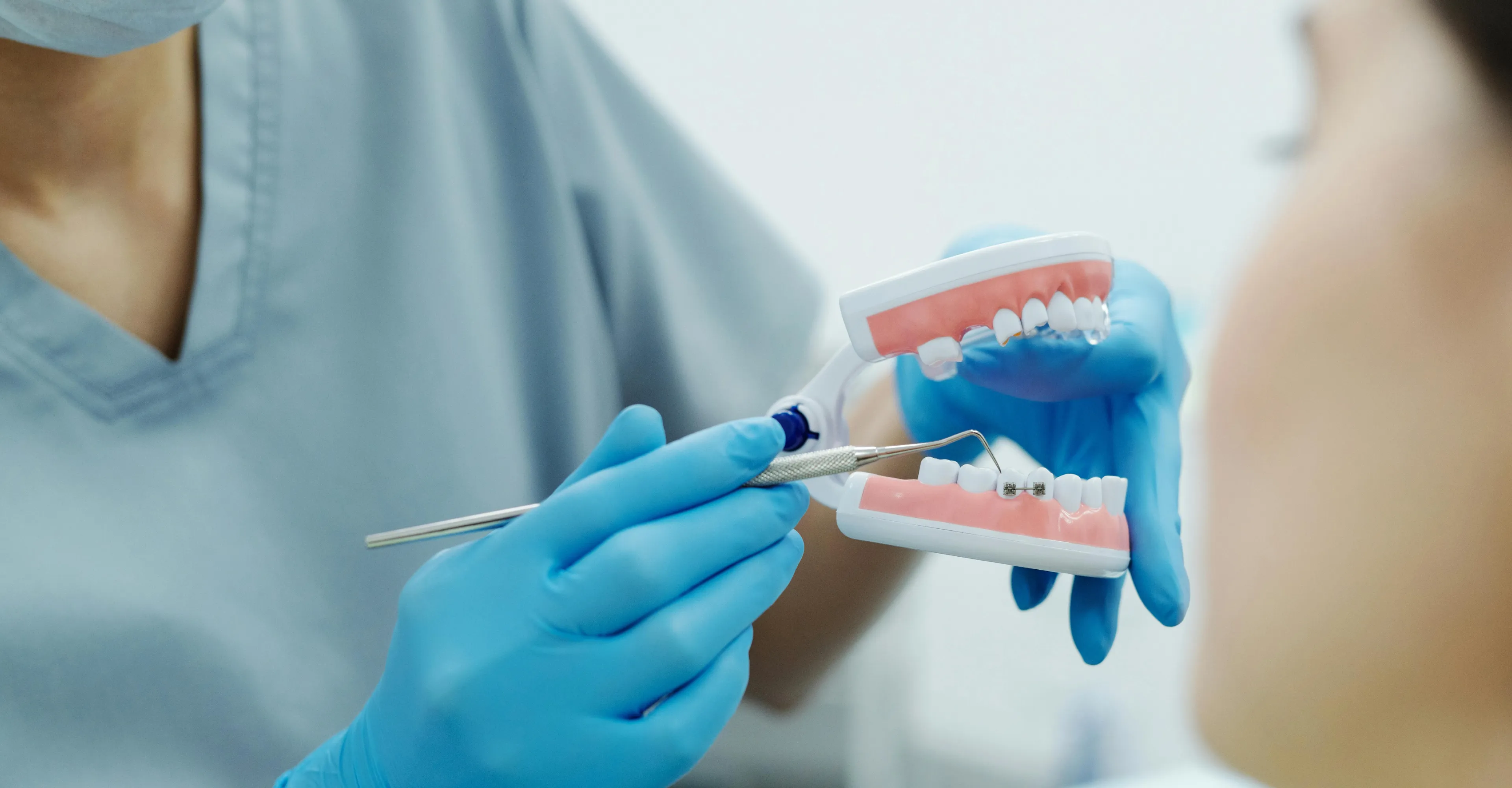



Dental visits do not have to feel overwhelming. Sedation dentistry gives patients a way to stay more relaxed while receiving the care they need, with the approach matched to their health, comfort level, and planned treatment.
Schedule an appointment to discuss comfortable dental care.
A sedation dentist near me can review your medical history, discuss your concerns, and explain options such as nitrous oxide, oral sedation, or IV sedation. Sedation is not always the same as being asleep. The right level depends on your needs and the procedure, and your vital signs are monitored throughout care. The American Dental Association explains that sedation is used to help patients relax during dental procedures.
Understanding what the dental team does before, during, and after sedation can make your decision feel more manageable. Start by looking at the dentist's role in creating a safe, individualized treatment experience.
What Does a Sedation Dentist Do?
A sedation dentist helps patients remain more relaxed during dental care by selecting and administering medication suited to the person and the procedure. Sedation dentistry is not always "sleep dentistry." The goal may be a calmer, more manageable appointment while the patient remains awake and able to communicate. The American Dental Association explains that sedation uses medication to help patients relax during dental procedures, although the term "sleep dentistry" can be misleading: ADA guidance on anesthesia and sedation.
Assessment comes before medication
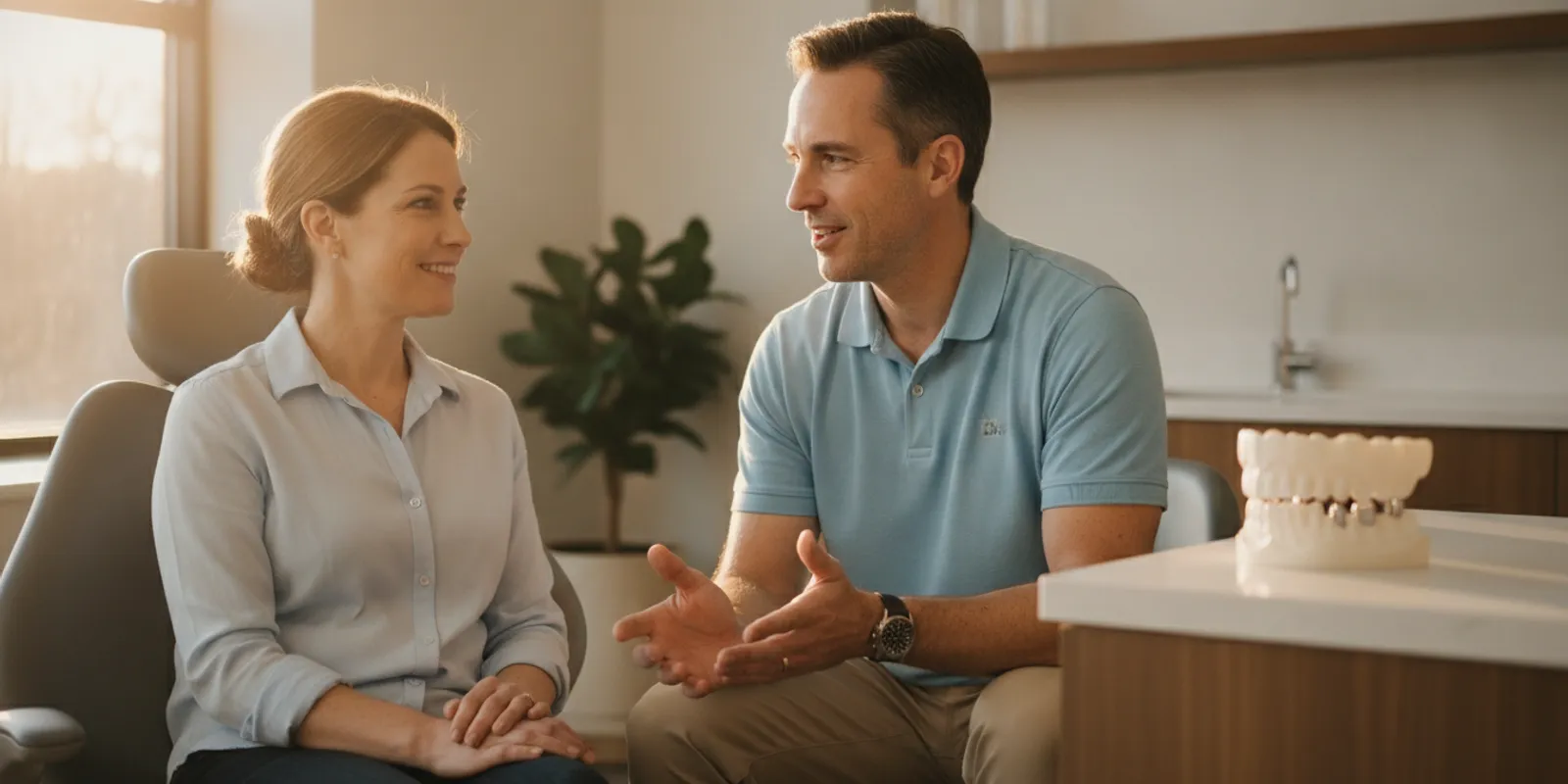
The process begins with a conversation, not a one-size-fits-all prescription. The dentist reviews the patient's medical history and current health before deciding whether sedation is appropriate and which approach may fit. That review gives the dental team an opportunity to understand relevant health considerations, discuss concerns, and plan care responsibly. A patient's anxiety level and the complexity of the planned treatment also help shape the sedation level.
This individualized approach can be useful for people with a low pain threshold, sensitive teeth, or physical difficulty remaining still in the dental chair. It does not mean every patient with these concerns needs sedation. Instead, these factors give the dentist important context for discussing comfort options and creating a treatment plan.
Monitoring continues throughout the appointment
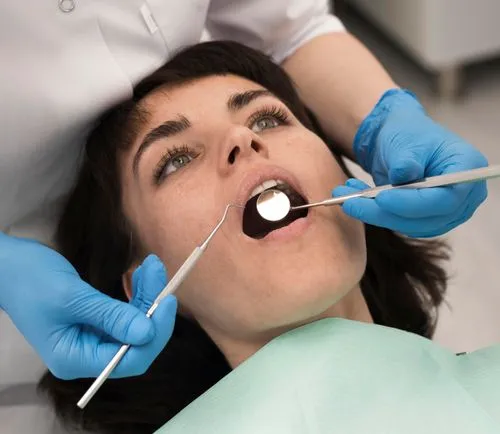
A sedation dentist's role includes observing the patient throughout sedation, not simply providing medication and beginning treatment. Trained dental staff monitor vital signs such as blood pressure, heart rate, and oxygen saturation during the sedation process. This ongoing observation helps the team respond to the patient's condition and keep the planned level of sedation under review. The American Dental Association's sedation information describes this monitoring as part of responsible sedation care.
Relaxed does not always mean asleep
Sedation levels describe different states of consciousness. With minimal sedation, a patient can generally respond normally to verbal instructions and physical stimulation while maintaining their own airway, according to the NCBI overview of procedural sedation. Deeper sedation involves a greater depression of consciousness, so a patient may not be easily awakened but can respond purposefully after repeated or stronger stimulation.
These distinctions matter when searching for a sedation dentist near me. Sedation is not the same as general anesthesia, and it does not automatically mean being unconscious, forgetting the appointment, or eliminating every sensation. The treating dentist explains what the proposed level is intended to do, what the patient may notice, and how care will be monitored. That clear discussion helps patients make an informed choice without relying on assumptions about what sedation promises.
Who May Benefit When Searching for a Sedation Dentist Near Me?
Sedation dentistry is not limited to one type of patient. It may be worth discussing if dental visits feel overwhelming, physical discomfort makes treatment difficult, or a planned procedure requires more time than a routine appointment. A consultation gives the dental team an opportunity to understand your concerns and determine whether sedation is appropriate for your health, needs, and treatment plan.
Patients with anxiety or specific sensitivities
People with intense dental anxiety may postpone or avoid necessary care because the visit feels emotionally overwhelming. Sedation can be a safe, effective option for some patients who might otherwise delay dental treatment because of fear. It is designed to support relaxation, not to dismiss your concerns or pressure you into treatment. Sharing what causes anxiety, such as sounds, needles, gagging, or a previous difficult experience, helps the dentist plan a more comfortable visit. You can learn more about ways to manage dental anxiety before your consultation. If you are overdue for routine care, review the practice's family dentistry services as part of your broader plan.
Sedation may also help patients with a low pain threshold, sensitive teeth, or difficulty sitting still in the dental chair. These concerns can make it harder to remain comfortable during examinations or treatment. Your dentist can discuss whether sedation, local anesthetic, comfort adjustments, or a combination of approaches best fits the appointment. Sedation does not guarantee that you will feel nothing, and it is not automatically the right choice for every patient.
Patients with a strong gag reflex or physical challenges
A strong gag reflex can make impressions and other procedures especially uncomfortable. Clinical references note that sedation may improve tolerance for patients who struggle with gagging. It may also be considered when a physical condition makes holding one position for an extended period challenging. Tell the dental team about any movement limitations, jaw discomfort, breathing concerns, or other health factors before treatment. A review of your medical history is essential before a sedation plan is selected.
Children and patients needing longer care
Children may benefit from an age-appropriate evaluation when significant dental fear or extensive treatment makes cooperation difficult. Pediatric sedation decisions require careful consideration of the child's age, health, development, anxiety, and procedure. The treating dentist should explain the available approach to the parent or guardian and confirm what is suitable.
Sedation can also help some patients remain relaxed during longer or more complex care. This may include extensive restorative treatment, oral surgery, implants, or other multi-specialty procedures. The complexity of the appointment and the patient's anxiety level both influence the recommended sedation level. The goal is an individualized plan that supports comfort while preserving responsible clinical care.
Which Sedation Option May Fit Your Needs?
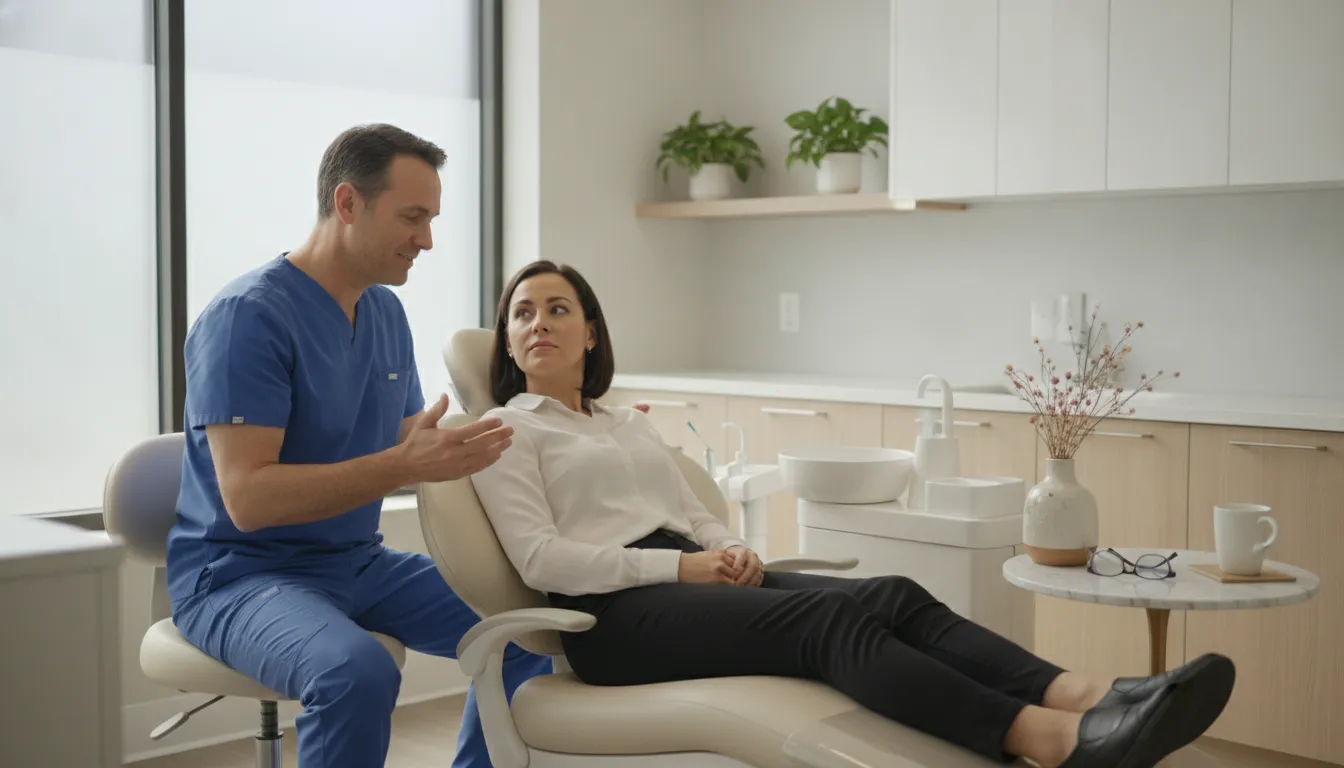
There is no single sedation choice that fits every patient or procedure. The treating dentist selects an approach after reviewing your medical history, current health, anxiety level, and the complexity of the planned care. That assessment helps determine both the medication route and the appropriate level of consciousness. Minimal sedation generally allows a patient to respond normally to verbal instructions and touch, while deeper levels involve more significant changes in alertness.
During a consultation, tell the dental team what concerns you most. You may be worried about sounds, sensitivity, a strong gag reflex, or remaining still for a longer appointment. Sharing those details gives the dentist useful information without requiring you to choose a method on your own.
| Option | How it is given | What patients may notice | Planning/recovery notes |
|---|---|---|---|
| Nitrous oxide | Inhaled through a small nose mask as a mixture of nitrous oxide and oxygen. Learn more from the ADA. | A light, calming effect while you remain responsive. The experience varies from person to person. | Effects usually fade quickly. Some patients may be able to drive afterward, but confirm your individual instructions with the dentist before making plans. |
| Oral sedation | A prescribed medication taken by mouth. Depending on the dosage, it may provide minimal or moderate sedation. See the clinical overview. | You may feel relaxed or drowsy. Temporary grogginess or memory changes can occur, so do not assume you will feel ready to resume normal activities immediately. | Arrange transportation and follow the dental team's timing and fasting instructions, if provided. A responsible adult escort is important when lingering effects are expected. |
| IV sedation | Delivered through a vein, allowing more rapid onset and adjustment of the sedation level during treatment. Review the clinical overview. | Many patients describe feeling deeply relaxed, and some report that a longer procedure seemed shorter than it was. This is a reported experience, not a guarantee of amnesia or unconsciousness. | Plan for an adult to drive you home and remain available as directed. Recovery requirements depend on the level used and your clinical assessment. |
These options are not interchangeable shortcuts. Nitrous oxide may suit a patient who wants a lighter, quickly fading form of relaxation. Oral or IV sedation may be considered when anxiety, treatment length, or procedural complexity calls for a different level. The appropriate choice depends on your health and the planned appointment, not simply on which method sounds strongest.
Ask what level of sedation is being considered and how it will be monitored. Also ask what you should eat or take beforehand and when you can safely return to work, school, or driving. A clear conversation helps you prepare with confidence and lets the treating dentist tailor care to your needs.
Is Dental Sedation Safe? Preparation and Monitoring
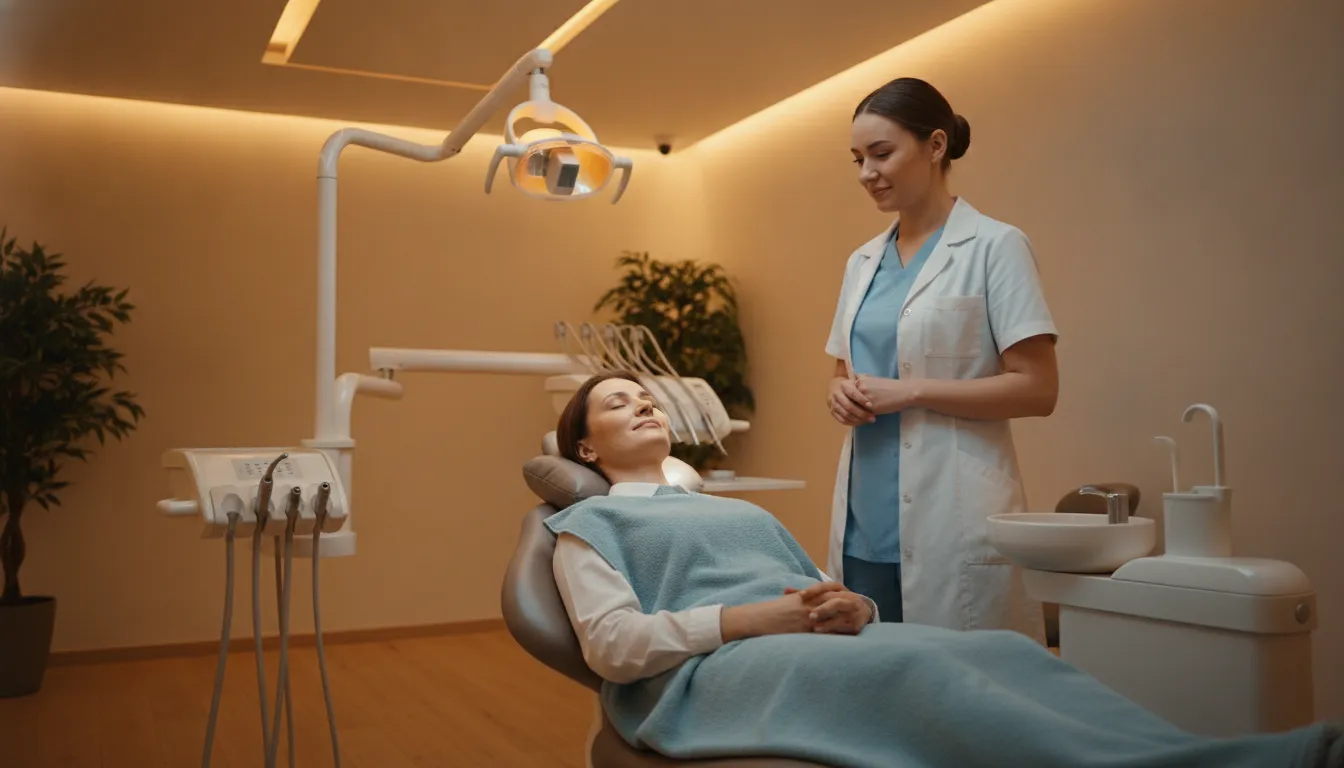
Dental sedation should begin with a careful conversation, not a one-size-fits-all recommendation. Before medication is given, the dentist reviews your medical history and current health to help determine which approach is appropriate. The American Dental Association's sedation and anesthesia guidelines provide a framework for responsible care, but your individual evaluation remains essential.
Share your complete health and medication history
Tell the dental team about diagnosed medical conditions, previous reactions to sedation or anesthesia, allergies, and any concerns that could affect treatment. Include every prescription and over-the-counter medication, along with herbal supplements and vitamins. The ADA specifically advises patients to disclose these products before sedation is planned because they may influence how medication works or how your body responds.
Be equally open about your anxiety, sleep concerns, gag reflex, and prior dental experiences. These details help the dentist understand what you need from the visit. The sedation level is selected after considering your health, anxiety, and the complexity of the planned procedure. Ask what level is recommended, what you may feel, whether you should avoid food or drink beforehand, and which instructions apply to your medication routine. Follow the office's individualized instructions rather than relying on general advice.
Monitoring continues throughout the appointment
Safety is an active process during treatment. Trained dental staff monitor vital signs such as blood pressure, heart rate, and oxygen saturation throughout sedation, as described by the ADA. Smile Makers Dental Center also identifies trained staff and appropriate monitoring protocols as part of its sedation safety approach. Ask who will monitor you, what equipment will be used, and how the team will respond if your sedation level needs to be adjusted.
Monitoring does not mean every patient has the same experience or that sedation removes every possible risk. It means the clinical team is prepared to observe your response and make decisions based on your condition. A thorough consultation gives you time to raise questions and lets the dentist explain the expected recovery period in clear terms.
Plan transportation and recovery time
After moderate or deep sedation, a responsible adult should accompany you home because medication effects can linger. Oral sedation may also cause temporary memory loss or grogginess. Even when the dental procedure feels straightforward, you may not be ready to drive, work, or manage normal responsibilities immediately afterward. Arrange your escort before the appointment and follow the team's guidance about rest, food, medications, and when to call with a concern. Read more about practical dental anxiety tips if worry about the visit is affecting your planning. You can also explore Smile Makers' dental team before your consultation.
Nitrous oxide can wear off quickly, but driving instructions still depend on the specific appointment and your dentist's advice. Ask about transportation before choosing a sedation plan, so the recovery arrangements are clear in advance.
Schedule a sedation consultation with Smile Makers Dental Center
How to Find a Sedation Dentist Near Me in Northern Virginia
A nearby office is important, but convenience should be only one part of your decision. The right practice should make time to understand your concerns, explain the sedation options that may fit your procedure, and outline how you will be monitored and cared for afterward. The American Dental Association recommends looking for a dentist who offers appropriate methods, performs a thorough assessment, and follows rigorous safety standards.
Use this checklist when comparing offices. It can help you move from a broad online search to a comfortable, informed conversation with a dental team.
Confirm which options you can discuss. Ask whether the practice evaluates patients for nitrous oxide, oral sedation, IV sedation, or other appropriate approaches. The availability and suitability of a method can vary by procedure, health history, age, and clinical setting. A responsible office will not promise one option to everyone or suggest that sedation automatically means being unconscious.
Ask how the assessment works. Before recommending sedation, the dentist should review your medical history, current health, medications, supplements, and relevant concerns. Share what makes dental visits difficult, such as fear of injections, a sensitive gag reflex, trouble sitting comfortably, or worry about a longer appointment. This conversation helps the team match the plan to your needs rather than treating anxiety as a one-size-fits-all issue.
Understand monitoring and safety procedures. Ask who will monitor you, what vital signs are observed, and how the team responds if your sedation level needs to be adjusted. Blood pressure, heart rate, and oxygen saturation may be monitored during sedation. You can also ask how the office follows established sedation and anesthesia guidance, including the ADA's sedation safety guidance.
Get clear recovery instructions. Find out whether you will need a responsible adult to accompany you home, how long you should plan to rest, and when normal activities may resume. Moderate or deep sedation commonly requires an escort, while even oral sedation can cause temporary grogginess or memory changes. Do not assume you can drive or return to work without confirming the instructions for your specific plan.
Ask practical questions about the appointment. Discuss fasting, transportation, the expected appointment length, follow-up, and what happens if your anxiety changes on the day of treatment. Ask whether the same team can coordinate related general and specialty care. An integrated practice may offer useful continuity when a treatment plan includes more than one type of dental service.
Choose a location you can realistically reach. Smile Makers Dental Center has six Northern Virginia locations in Leesburg, Tysons, Falls Church, Fairfax, Bailey's Crossroads, and Woodbridge. That gives families and adults several offices to consider, without assuming that every sedation modality is offered at every location. Review the practice's sedation dental services in Northern Virginia, then confirm location-specific details with the dental team.
For Smile Makers, general and multi-specialty dentistry is coordinated within one practice. That in-house model can make it easier to keep communication connected when comfort planning and more complex care need to work together. You can review the practice's Northern Virginia locations before choosing the office that is easiest to reach. You can also explore the practice's dental services when planning related treatment. Patients considering a longer treatment plan can also review the practice's restorative dentistry options. Your consultation remains the essential next step, because the dentist must determine what is appropriate for you.
What to Expect Before, During, and After Treatment
Before your appointment
Your visit usually begins with a conversation, not medication. Tell the dental team what makes appointments difficult, such as fear of needles, sensitivity, a strong gag reflex, or concern about staying still. A consultation helps the team understand your specific fears and choose a sedation method that fits your needs. The right level also depends on the planned procedure, since a routine visit and a longer, more involved treatment may call for different approaches. This individualized process is an important part of choosing a sedation dentist near me.
Share your complete health history, including current prescriptions, over-the-counter medicines, herbal supplements, and vitamins. Ask what you may eat or drink beforehand, whether you need to change any medications, and how long you should plan to remain at the office. Your dentist can also explain what you are likely to feel and how communication will work during treatment. These details give you a clearer plan and help replace uncertainty with practical preparation.
During treatment
Once the selected method takes effect, the team will help you settle into a relaxed, responsive state appropriate for your care. Sedation is not automatically the same as being unconscious. Depending on the medication and level, you may remain awake and able to respond to instructions. The dentist and trained staff monitor you throughout the appointment, while the dental team completes the planned treatment at a pace suited to your comfort.
For longer or more complex procedures, sedation may help you remain relaxed throughout the session, which can make the appointment feel easier to manage. Some patients receiving IV sedation report that the procedure seemed much shorter than its actual duration. That is a patient-reported experience, not a guarantee that everyone will lose track of time or remember less. If you want a closer look at the experience, read what IV sedation feels like.
After treatment
Recovery depends on the method used, the dose, your health, and how your body responds. Before leaving, ask when you can return to normal activities and whether you should avoid driving, work, exercise, or important decisions. Nitrous oxide often wears off quickly, and some patients may be able to drive afterward. But confirm that plan with your dentist rather than assuming it applies to you.
Moderate or deep sedation requires a responsible adult to accompany you home. Oral sedation can cause temporary grogginess or memory loss, so arrange help even if you feel alert when the appointment ends. Plan a quiet rest period, follow the team's instructions, and contact the office if you have a concern during recovery.
Frequently Asked Questions
What is a sedation dentist?
A sedation dentist uses medication to help patients relax during dental treatment. Sedation is not always the same as being asleep, and the appropriate level depends on your health, anxiety, and planned procedure. A consultation helps the dental team understand your concerns and recommend a suitable approach. The ADA explains how sedation supports patient comfort.
What are the different types of dental sedation?
Common options include nitrous oxide, oral sedation, and IV sedation. Nitrous is inhaled through a small nose mask and usually wears off quickly. Oral medication may provide minimal or moderate sedation, depending on the dose. IV sedation is delivered through a vein, works quickly, and allows the team to adjust the level during treatment. Your dentist chooses the option after reviewing your needs.
Is sedation dentistry safe?
Sedation can be an appropriate option when your dental team reviews your medical history, current medications, supplements, and overall health beforehand. During treatment, trained staff monitor vital signs such as blood pressure, heart rate, and oxygen saturation. Ask what monitoring, preparation, and recovery instructions apply to your specific appointment. Review the ADA guidance on sedation and anesthesia.
Does insurance cover dental sedation?
Coverage varies by dental plan, procedure, and the reason sedation is recommended. Before scheduling treatment, contact your insurer and ask whether the proposed sedation service is covered, what documentation may be required, and what your estimated responsibility could be. The dental office can also explain the planned treatment and provide billing information, but your insurance provider determines benefits.
What should I look for when choosing a sedation dentist near me?
Look for a practice that offers appropriate sedation options, conducts a thorough health assessment, explains recovery requirements, and follows careful monitoring protocols. Ask whether the team has experience with your procedure and anxiety concerns. In Northern Virginia, Smile Makers Dental Center has locations in Leesburg, Tysons, Falls Church, Fairfax, Bailey's Crossroads, and Woodbridge. This makes it easier to discuss care near you.
Ready to Discuss Comfortable Sedation Options?
A conversation with the dental team can help you understand which sedation approach may suit your comfort needs, health history, and planned treatment. Book an appointment to discuss comfortable sedation dentistry options with Smile Makers Dental Center.