
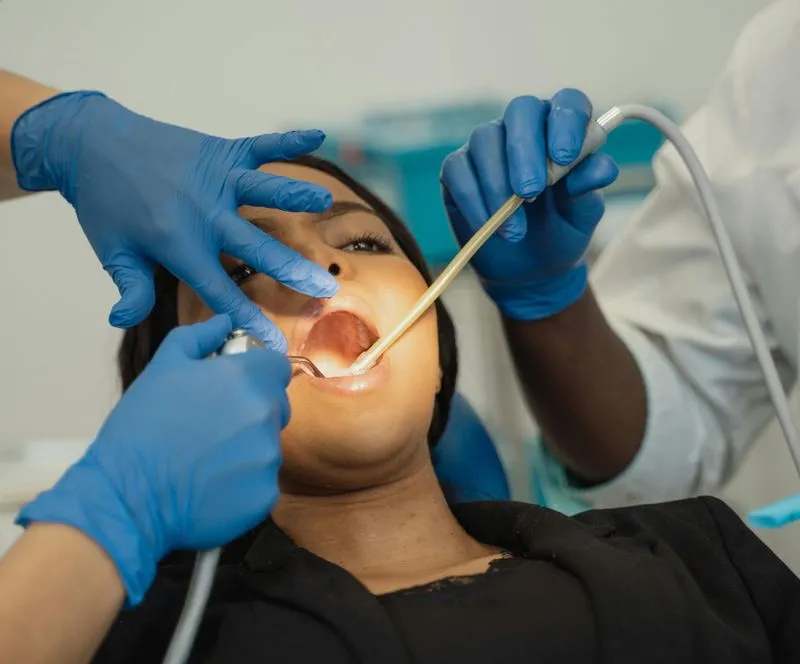
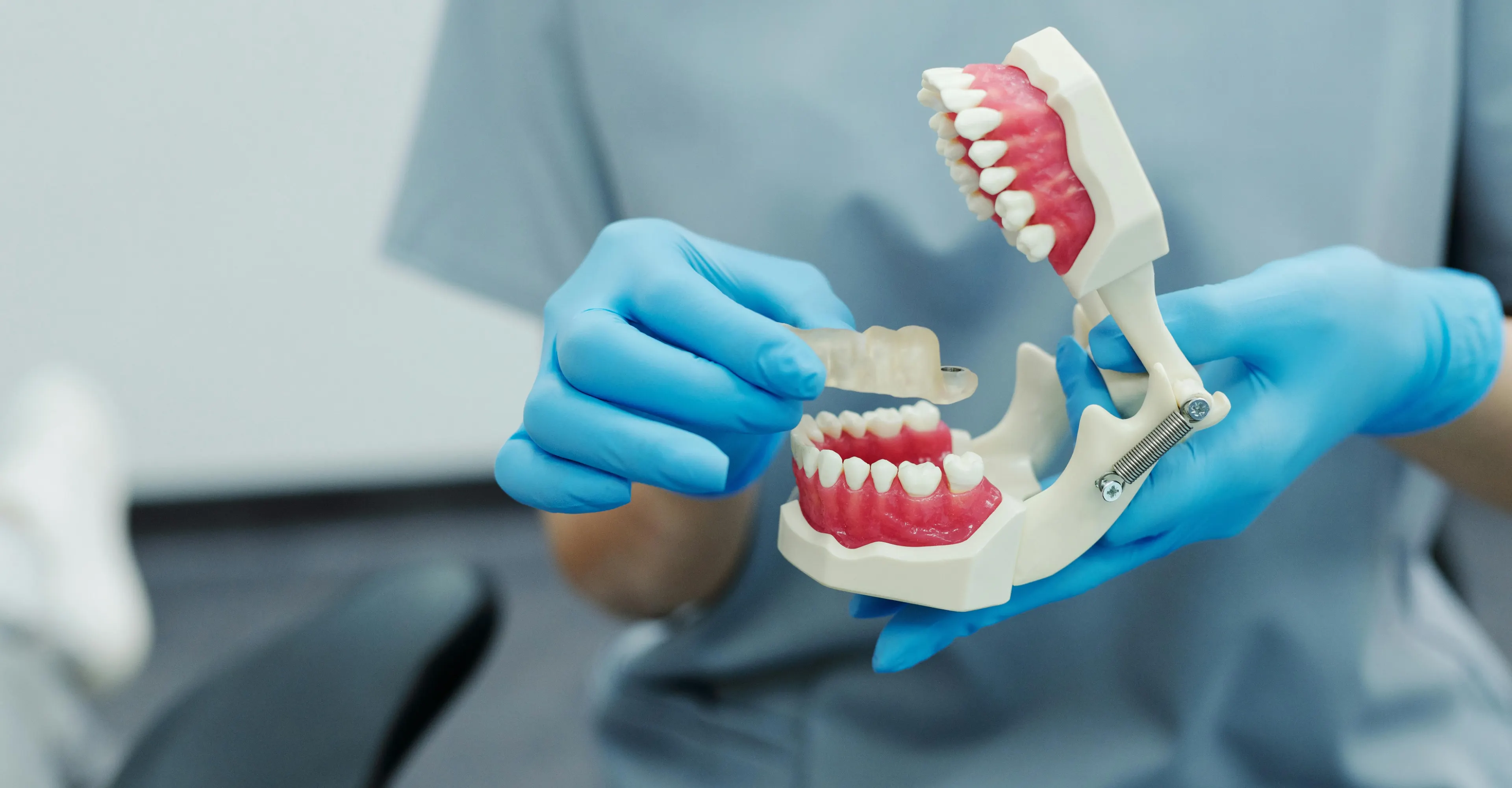
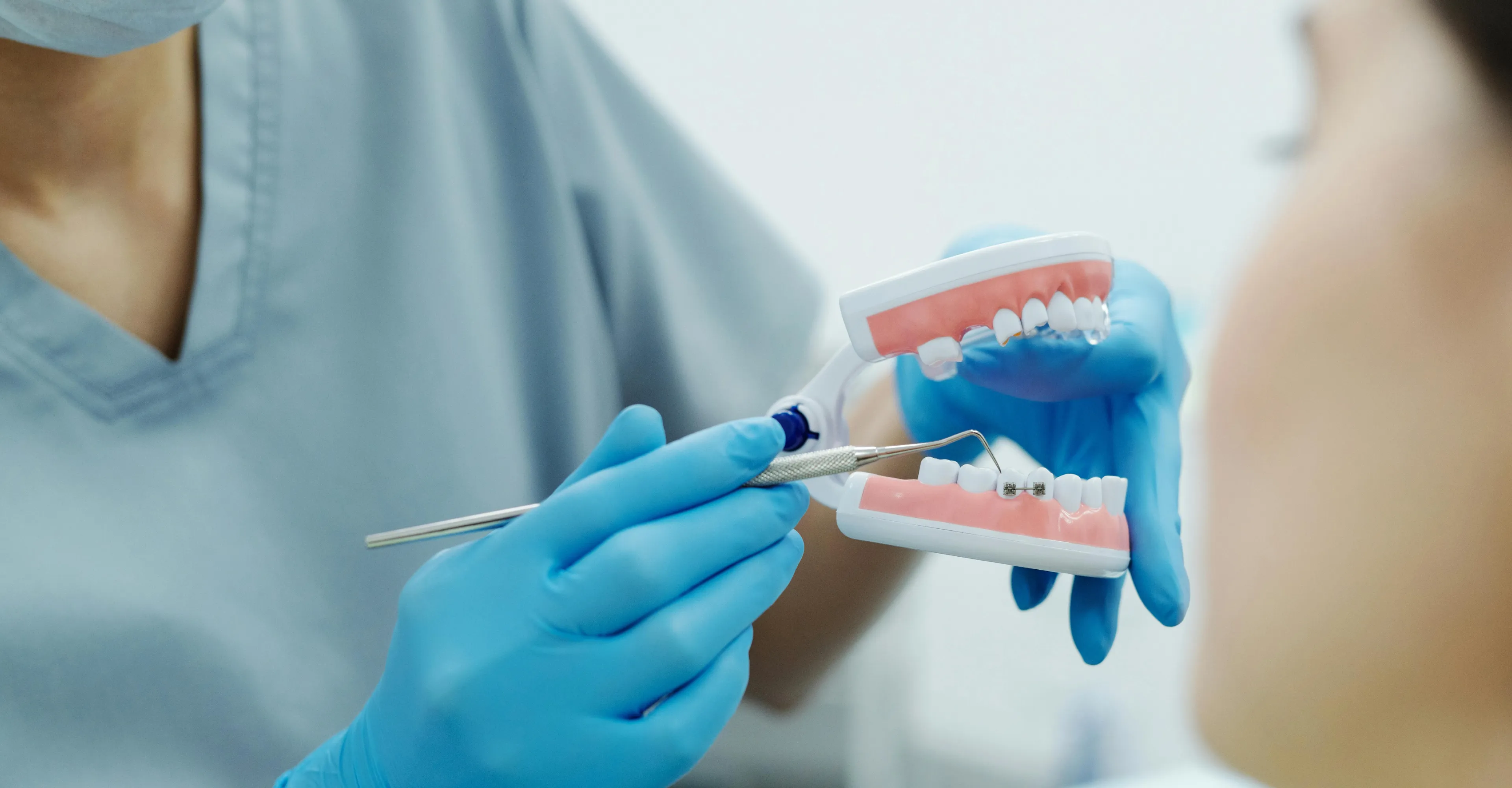



Feeling tense about a dental visit does not mean you are difficult or alone. Many people worry about pain, needles, unfamiliar sounds, or not knowing what will happen next. Those concerns deserve patience, clear explanations, and a care team willing to move at your pace.
The most helpful dental anxiety tips are to tell your dentist what worries you. Agree on a simple stop signal, practice a calming technique, and plan a visit that feels manageable. Between 50% and 80% of U.S. adults experience some degree of anxiety about dental visits, according to Penn Dental Medicine, so asking for support is a normal part of receiving care.
At Smile Makers Dental Center, our Northern Virginia team focuses on a supportive, family-like experience from the moment you arrive. Understanding where fear comes from can make the next step feel less uncertain and help you choose strategies that fit your needs.
Practical Dental Anxiety Tips for Understanding Common Fears
Dental anxiety is a real emotional and physical response to dental care. It may appear as worry in the days before an appointment, tension in the treatment chair, or an urge to cancel altogether. You are not unusual or alone: between 50% and 80% of U.S. adults experience some degree of anxiety about visiting the dentist, according to Penn Dental Medicine. That broad range includes occasional nervousness as well as more persistent fear.
Anxiety and phobia are not the same
Dental anxiety can often be managed with understanding, communication, and a plan tailored to your comfort level. A dental phobia is more intense. It may cause a person to avoid appointments even when they know care is important, or trigger a strong fear response before treatment begins. Neither experience is a personal failure, and you do not need to justify it to your dental team.
Avoidance can create a difficult cycle. Delaying cleanings or treatment may allow small oral health concerns to become more complicated, which can make a future visit feel even more intimidating. Identifying the fear early gives your dentist a chance to address it before it controls your care.
What might be behind the fear?
People often worry about pain, injections, the sound or sensation of dental instruments, or the possibility that treatment will be uncomfortable. Others feel uneasy because they do not know what will happen next. Losing the ability to speak during treatment can also create a sense of lost control.
Embarrassment is another common concern, especially for adults who have not had a checkup in a long time. You may worry about being judged for stains, cavities, sensitivity, or the condition of your teeth. A compassionate dental team understands that oral health changes over time and focuses on helping, not criticizing. Children and teens may also absorb fear from a difficult past experience or from hearing anxious stories from people they trust.
Start by naming the specific fear instead of treating it as one large, overwhelming feeling. Saying, "I am most worried about the needle," or "I need to know before you change steps," gives the team something practical to respond to. Putting the fear into words can reduce its power. It creates a starting point for manageable dental anxiety tips at your next Northern Virginia appointment.
How to Talk to Your Dentist About Your Fears
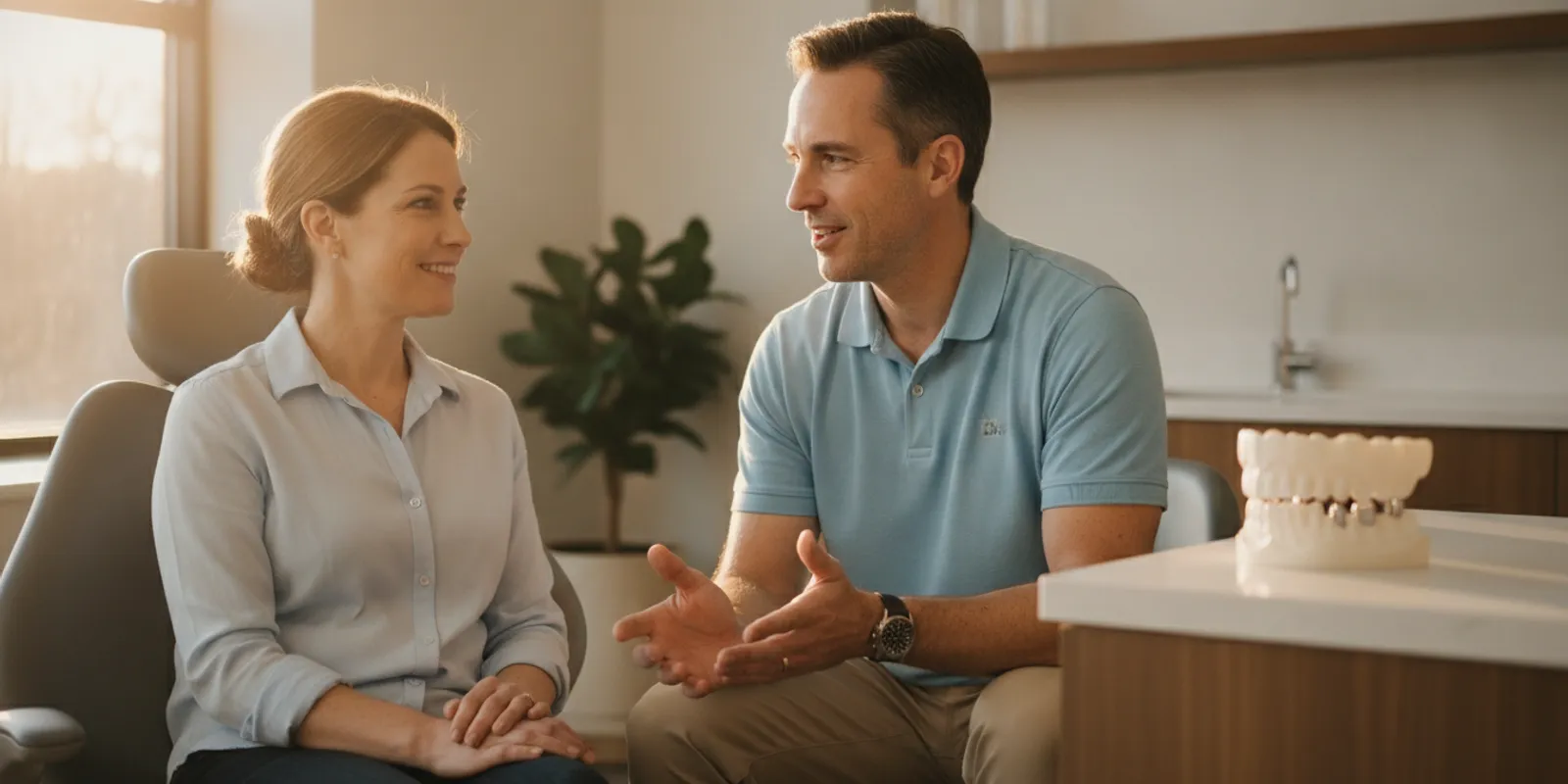
You do not need to hide dental anxiety or apologize for it. Telling your dentist what makes you uncomfortable is an empowering way to regain control of your care. When the dental team understands your concerns, they can adjust the pace, explain what is happening, and offer support that fits your comfort level.
Share your concerns before treatment begins
Mention your fears when you schedule the appointment, in the intake form, or as soon as you arrive. Be specific if you can. You might say. "I am worried about pain," "I feel uncomfortable when I cannot see what is happening," or "I need extra time to get comfortable." Honest details give your dentist useful information. They make it easier to create a supportive plan. Sharing these concerns allows the team to tailor its approach and pace to you. This is better than expecting you to manage silently. Learn more about communicating dental fears.
Agree on a stop signal
Before the exam or procedure starts, choose a simple signal that means "please stop." Raising your hand is easy to use when you cannot speak. Ask the dentist to pause whenever you give the signal, then agree on how you will communicate that you are ready to continue. A stop signal gives you a clear way to stay involved in the appointment and can ease the helplessness that often makes anxiety worse. You can also ask for a short break to breathe, sit up, or ask a question.
Ask for a step-by-step explanation
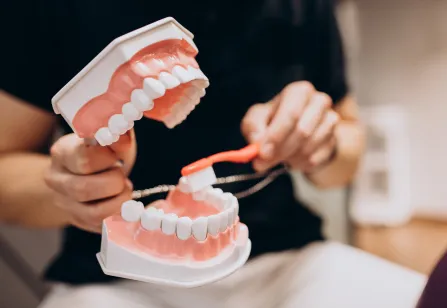
If uncertainty fuels your fear, ask the dentist to describe each step before it happens. The team can explain what an instrument does, what you may feel, and how long a step is expected to take. You may prefer a detailed explanation, or you may want only a brief preview. Tell the dentist which approach feels better. You can also ask to see a non-threatening instrument before treatment, a communication style related to the "tell-show-do" method used in dental anxiety care.
Bring someone you trust
A trusted friend or family member can offer reassurance before and during the visit, if the office permits it. Let the support person know whether you want conversation, a hand to hold, or quiet company. Pairing support with headphones and calming music can also redirect your attention. It helps you focus away from stressful sounds and sensations.
Simple Relaxation Techniques for a Calmer Dental Visit
Relaxation works best when you choose a technique before you need it. Try one or two at home, then use the same approach in the waiting room or treatment chair. Controlled breathing and guided imagery are recognized relaxation strategies that can help lower the body's physical response to dental stress.
Start with 3-4-5 breathing
Rest your shoulders and place both feet on the floor. Breathe in gently through your nose for three seconds. Hold the breath for four seconds, then exhale slowly for five seconds. Repeat the cycle several times without forcing a deep breath. The longer exhale gives you a steady point of focus and may help counter the body's natural fight-or-flight response. If holding your breath feels uncomfortable, shorten the count and keep the exhale slow. Controlled breathing is one of the relaxation techniques used to ease dental stress, according to research on dental anxiety management.
Use guided imagery
Close your eyes if that feels comfortable, or soften your gaze. Picture a peaceful place in detail, such as a quiet beach, a familiar room, or a shaded walking trail. Notice imagined sounds, colors, textures, and temperature. When your attention returns to the dental setting, gently return to the scene rather than judging yourself. Guided imagery can be paired with relaxation breathing to make the exercise easier to follow.
Bring a familiar audio distraction
Pack headphones and choose calming music, an audiobook, or a podcast you have heard before. Familiar content can occupy your attention without requiring much effort. Listening may also soften the sounds of equipment during treatment. Ask the dental team whether headphones are appropriate for your procedure, and keep the volume low enough to hear instructions or your agreed-upon stop signal. Music is a practical distraction technique that can redirect focus from treatment-related stressors.
Give your hands a simple job
Hold a small stress ball or another quiet, soft object in the hand that is not being used for treatment. Squeeze it gently, release, and repeat at a comfortable pace. You can also count backward from 100 by threes, count ceiling tiles, or name five things you can see. These tasks give your mind a neutral focus without asking you to talk while the dentist is working.
Try a meditation app before your appointment
Choose a short breathing or mindfulness session and practice it once or twice before the visit. On appointment day, start the session in the car or waiting room, then pause it when the team needs to speak with you. Practicing ahead of time makes the exercise familiar and gives you another option if counting or imagery does not feel natural.
These techniques are tools, not a test you have to pass. Tell your dental team which one you plan to use. They can support your pace and help you feel in control.
Practical Tips for Preparing for Your Dental Appointment
A little planning can make the day of your visit feel more manageable. If worry tends to build while you wait, schedule a morning appointment when possible. Getting dental care earlier can shorten the time you spend anticipating it throughout the day, which is one reason early appointments are often recommended for anxious patients. Learn more about practical dental anxiety tips before your visit.
Build a calmer arrival into your plan
Try to avoid caffeine before your appointment. Coffee, energy drinks, and other caffeinated beverages may leave you feeling more jittery, making it harder to distinguish normal anticipation from a racing, stressed feeling. Instead, choose water or another non-caffeinated drink if that works for you.
Plan to arrive a little early rather than rushing through the door. Extra time lets you complete paperwork, use the restroom, and settle in without watching the clock. You can also call ahead to ask what forms or information to bring. Smile Makers Dental Center offers convenient scheduling options, including extended hours and Saturday availability. Which may make it easier to choose a time that fits your routine and reduces the stress of rearranging your day.
Bring familiar comforts
Wear comfortable clothing that does not feel tight or restrictive. Pack headphones for calming music, a podcast, or another distraction during appropriate parts of the visit. A small comfort item, such as a soft scarf or familiar object, can help you feel grounded. If the office permits it, bring a trusted friend or family member for encouragement. Support from someone you trust can make the appointment feel less like something you have to face alone.
A stress ball gives your hands something simple to do while you wait. Slow, steady squeezing can also remind you to release tension in your shoulders and jaw rather than holding it there.
Agree on a stop signal before treatment begins
Before the dentist starts, choose a clear signal, such as raising your left hand. To mean "please pause." A stop signal gives you a way to communicate even when you cannot speak and can restore a sense of control. Ask the dentist to explain what will happen next and agree on how they will check in with you. Research on dental anxiety management includes stop-signaling and distraction as ways to support patients during care. Read the research on managing dental anxiety.
These preparation steps may be enough for a mild or moderate concern. If anxiety remains overwhelming, talk with the dental team before treatment. You can discuss whether sedation dentistry may provide additional support.
When Sedation Dentistry Becomes the Right Choice
Breathing exercises, clear communication, music, and a trusted support person help many patients feel more comfortable at the dentist. They are valuable dental anxiety tips, but they are not the only tools available. If fear remains intense, prevents you from scheduling care, or makes it difficult to sit through treatment, sedation can provide another path forward. It is not a sign that you have failed to cope. It is a professional option that can be tailored to your needs, comfort level, and procedure.
| Type | How It Works | Best For | Stay Awake? |
|---|---|---|---|
| Nitrous oxide (laughing gas) | Inhaled through a small mask over the nose. | Mild to moderate anxiety during routine care. | Yes, fully awake and able to communicate. |
| Oral conscious sedation | Prescribed medication taken before the visit. | Moderate to significant anxiety. | Drowsy but responsive; may not remember details. |
| IV sedation | Medication delivered through a vein, adjustable during treatment. | Severe dental fear or lengthy procedures. | Relaxed and may drift in and out. |
Nitrous oxide for mild to moderate anxiety
Nitrous oxide, often called laughing gas, is inhaled through a small mask placed over the nose. It can help you feel relaxed while allowing you to remain awake and communicate with the dental team. For some patients, this gentle form of sedation is enough to make cleanings, fillings, or other routine care feel manageable. The team will discuss your health history and the planned treatment to determine whether it is appropriate for you.
Oral conscious sedation for greater relaxation
Oral conscious sedation uses prescribed medication to create a deeper sense of calm before or during a procedure. You generally remain responsive, but you may feel drowsy and remember less of the visit. Because the medication can affect alertness, your dentist will provide specific instructions, including whether you need an adult to accompany you and drive you home. Always follow those instructions closely.
IV sedation for severe dental fear
IV sedation delivers medication through a vein and allows the dental team to adjust the level of sedation during treatment. It may be considered when anxiety is severe, when a longer or more involved procedure is planned, or when previous visits have been especially difficult. Many highly anxious patients describe IV sedation as a relaxing, comfortable experience. You can learn what to expect from sedation before discussing it with your dentist.
Most patients do well with preparation, communication, and a supportive pace. For those who need more help, Smile Makers can discuss sedation dentistry options for anxious patients and answer questions without judgment. You can also learn more about sedation dentistry safety. The goal is not to push you toward sedation or away from it. The goal is to help you receive the care you need in a way that feels safe and respectful.
Frequently Asked Questions
What are some effective ways to manage dental anxiety?
Start by telling the dental team what feels difficult, then agree on a stop signal before treatment begins. Slow breathing, headphones with music or a podcast, and a stress ball can also help you stay focused on something comfortable. Depending on your level of fear, your dentist can discuss additional support, including sedation options.
Should I tell my dentist that I feel anxious?
Yes. Sharing your concerns before the appointment gives the team a chance to adjust the pace, explain each step, and plan ways to help you feel more in control. You do not need to justify your fear or wait until it becomes overwhelming. A simple message when booking is a useful place to start.
What is the three-four-five breathing technique?
Inhale gently for three seconds, hold your breath for four seconds, and exhale slowly for five seconds. Repeat the cycle several times before or during your visit, if comfortable. Controlled breathing and other relaxation techniques can help reduce the body's physical stress response.
Can I bring someone with me to my dental appointment?
Many dental offices allow a trusted friend or family member to come along for support. Ask about the office policy when you schedule. A support person may sit with you during part of the visit or help you feel prepared before treatment, depending on the appointment and clinical needs.
When should I consider sedation for dental anxiety?
Sedation may be worth discussing when fear makes it difficult to attend appointments, complete needed care, or remain comfortable despite communication and relaxation strategies. Options can range from lighter support to deeper sedation, and the right choice depends on your health, treatment, and anxiety level. Your dentist can explain what is appropriate and safe for you.
Ready to Schedule Your Dental Appointment?
You do not have to manage dental anxiety alone. A conversation with the Smile Makers Dental Center team can help you share your concerns and plan a visit that feels more comfortable. When you are ready, schedule your dental appointment at Smile Makers Dental Center in Northern Virginia. We look forward to welcoming you with the thoughtful, family-focused care you deserve.