





You’ve successfully made it through your root canal treatment. That’s a big win for your oral health! The next few days are all about giving your body the time it needs to heal properly. While the procedure itself is straightforward, the recovery period can bring up new questions. You might wonder if the tenderness you’re feeling is normal or if you should be concerned about a little swelling. Knowing what to expect can make all the difference. We’re going to break down the typical root canal therapy side effects, from mild discomfort to temporary sensitivity, so you can feel confident in your recovery. Think of this as your roadmap to a smooth and speedy healing process, with our Smile Makers team here to support you at every turn.
Key Takeaways
- A root canal is a solution, not the source of pain: The procedure is designed to relieve the severe pain caused by an internal tooth infection, ultimately saving your natural tooth and preventing the infection from spreading.
- Understand the difference between normal healing and a warning sign: Expect mild, temporary tenderness that improves daily. Contact your dentist immediately for severe pain, persistent swelling, or a fever, as these are not part of a typical recovery.
- Your treatment isn't finished without the final restoration: A permanent crown is almost always necessary after a root canal to restore the tooth's strength and prevent fractures. Skipping this crucial follow-up appointment puts your newly saved tooth at risk.
What Is a Root Canal and Why Might You Need One?
Let's talk about root canals. The term itself can make people nervous, but the truth is, this procedure is designed to relieve pain, not cause it. A root canal is a treatment that saves your natural tooth by cleaning out an infection from its very center. Inside each tooth is a soft area called the pulp, which contains nerves and blood vessels. If bacteria get into this pulp, often from a deep cavity or a crack, it can become infected and painful. Because the infection is deep inside the tooth, it won't go away on its own.
A root canal is a type of endodontic treatment that carefully removes the infected pulp, cleans and disinfects the inside of the tooth, and then fills and seals it. Think of it as a deep cleaning for the inside of your tooth. The goal is to stop the infection from spreading and to prevent you from losing the tooth altogether. Without treatment, the infection can lead to a painful abscess and may affect your jawbone and overall health. Saving your natural tooth is always the best option, as it helps maintain your natural bite, makes chewing easier, and preserves the look of your smile. A root canal makes that possible, allowing you to keep your tooth for years to come.
What Happens During the Procedure?
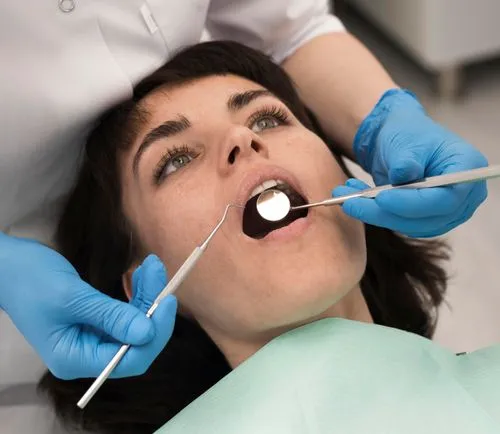
Knowing what to expect can make any dental procedure feel more manageable. A root canal is a straightforward process that we can break down into a few key steps. First, we’ll completely numb the area around your tooth so you won’t feel any pain. We also offer sedation options if you’re feeling anxious. Once you’re comfortable, we’ll place a small protective sheet to keep the tooth clean and dry. Then, a tiny opening is made in the top of the tooth to access the infected pulp. We use specialized tools to carefully clean out the infection and disinfect the inner chamber. After it’s clean, the space is filled with a rubber-like material. Finally, a temporary filling is placed to protect the tooth until your next visit, when a permanent crown is typically fitted to restore its full strength and function.
Signs You Might Need Treatment
An infection inside your tooth won’t heal on its own, so it’s important to recognize the warning signs and see a dentist. Bacteria can enter the tooth’s pulp through a deep cavity, a crack, or an injury. If you notice any of the following symptoms, it’s a good idea to book an appointment for an evaluation.
According to the Cleveland Clinic, some common signs you might need a root canal include:
- Persistent or severe pain when chewing or applying pressure
- Lingering sensitivity to hot or cold temperatures
- A small, pimple-like bump on your gums near the painful tooth
- Swollen or tender gums
- Darkening or discoloration of the tooth
- A swollen jaw or face
What to Expect After Your Root Canal
So, you’ve made it through your root canal. Great job! The main goal of this procedure is to get you out of pain and save your natural tooth. While the worst is behind you, your body still needs a little time to heal. It’s completely normal to experience some temporary side effects as the area recovers.
Knowing what to expect can make the recovery process much smoother and less stressful. Most of these symptoms are mild and should resolve on their own within a few days. Think of it as your tooth and the surrounding tissues settling down after an important treatment. Our team provides a range of specialized dental care, and we're here to support you through every step of your recovery. Let’s walk through what’s considered a normal part of the healing journey.
Managing Pain and Discomfort
It’s common to feel some mild to moderate pain or discomfort in the area for the first day or two after your root canal. You might notice it most when you’re chewing. This is a normal response as the inflammation in the surrounding tissues goes down.
This discomfort is usually at its peak in the first 24 to 48 hours and should steadily improve after that. Over-the-counter pain medication can be very effective for managing this, but we’ll cover specific recovery tips a little later on. For now, just know that some tenderness is part of the process and a sign that your body is healing.
Temporary Tooth Sensitivity
Don’t be surprised if the treated tooth feels a little different for a few days. You might experience some sensitivity to pressure, touch, or even hot and cold temperatures. This happens because the procedure can irritate the nerves and ligaments around the tooth root, even though the nerve inside the tooth has been removed.
This sensitivity is temporary and is not a sign that something is wrong. As the inflammation subsides, this feeling will fade. Just try to be gentle with the tooth and avoid chewing directly on it for a few days to give it the space it needs to recover fully.
Swelling and Tenderness
You might also notice a bit of swelling in the gum tissue around the tooth or even slight swelling in your jaw. This is your body’s natural inflammatory response to the procedure and is a normal part of healing. The swelling is typically mild and should start to go down within two to three days.
A cold compress applied to the outside of your cheek can help reduce swelling and soothe any tenderness. If you notice swelling that gets worse instead of better, it’s important to get in touch. Our team at our Northern Virginia locations is always here to answer your questions and make sure your recovery is on track.
Jaw Stiffness
Feeling like your jaw is a little stiff or sore after a root canal is also quite common. This isn’t related to the tooth itself but is simply a result of keeping your mouth open for an extended period during the treatment. Your jaw muscles just got a workout.
This stiffness is temporary and should resolve within a day or two as your muscles relax. You can try gently opening and closing your mouth to stretch the muscles, but don’t force it. Just like any other muscle soreness, it will ease up with a little time and rest.
Warning Signs of a Complication
While root canal therapy has a very high success rate, it’s always wise to know which symptoms fall outside the range of normal healing. Complications are uncommon, but being able to spot them early ensures you can get the care you need right away. Your body is an excellent communicator, and paying attention to its signals is a key part of a smooth recovery.
Think of it this way: normal side effects are temporary and improve with each passing day. Warning signs, on the other hand, tend to get worse or show up unexpectedly after you thought you were on the mend. If you experience severe pain, a fever, persistent swelling, or obvious signs of infection, it’s time to call your dentist. These issues won't resolve on their own and require professional attention. At Smile Makers, we're always here to help you through your recovery, so never hesitate to reach out if something feels wrong. Our team has extensive experience, and our specialized dental services include expert endodontic care to address any concerns that might come up. Trust your instincts; if a symptom feels more serious than simple post-procedure tenderness, it’s always best to get a professional opinion.
Severe or Worsening Pain
After a root canal, some tenderness is perfectly normal, especially in the first few days. This discomfort should be manageable with over-the-counter pain relievers and should gradually fade. The red flag to watch for is pain that gets worse instead of better. If you notice the pain becoming more intense, throbbing, or constant, it could signal a complication. This type of severe discomfort isn't part of the standard healing process and may suggest that an infection is still present or that there's an issue like a tiny, missed canal that needs attention. Don't try to tough it out; contact your dentist if your pain is significant or worsening.
Fever or Feeling Unwell
A root canal is performed to clear an infection, so developing signs of a systemic infection afterward is a definite cause for concern. Experiencing a fever, chills, or a general feeling of being unwell are signs that something is wrong. These symptoms can indicate that the infection wasn't fully eliminated and may be affecting your overall health. Your body temperature is a good indicator of what's happening internally. A low-grade fever might not seem like a big deal, but in the context of a recent dental procedure, it warrants a phone call to your dental team. It’s always better to be cautious and get it checked out.
Swelling That Doesn't Go Down
A little bit of swelling around the treated tooth or in the nearby gums is common for a day or two following your procedure. However, this swelling should start to go down, not up. If you notice swelling that lingers for more than a few days, gets worse, or spreads to your cheek, jaw, or neck, it’s a warning sign. Persistent swelling that does not subside often indicates that the infection has not been fully resolved and requires another look from your dentist. This is especially true if the swelling is tender to the touch or feels firm.
Signs of an Infection
Beyond pain and swelling, there are other tell-tale signs that an infection may still be lingering. A pimple-like bump, known as a fistula or abscess, might appear on your gums near the treated tooth. This is a direct sign that your body is trying to drain pus from an underlying infection. You might also notice a foul taste in your mouth or persistent bad breath that doesn't go away with brushing. These symptoms mean that bacteria are still active, and the source of the infection needs to be addressed by an endodontist. A successful root canal removes the infection, so seeing these signs means more treatment is likely necessary.
How to Ensure a Smooth Recovery
Your root canal is done, and now it’s time to focus on healing. A smooth recovery is all about taking a few simple, gentle steps at home. Think of this as the final, crucial phase of your treatment. By giving your body a little extra support, you can minimize discomfort and get back to feeling like yourself quickly. Here’s how you can take care of yourself and ensure the best possible outcome.
Using Over-the-Counter Pain Relief
It’s completely normal to feel some mild discomfort or tenderness for a day or two after your procedure, especially when chewing. This usually gets better within 48 hours. To manage this, over-the-counter pain relievers like ibuprofen or acetaminophen can be very effective. Always follow the dosage instructions on the package. If you find that the pain is severe, getting worse instead of better, or isn't managed by the medication, please give our office a call. We want to make sure your healing process is as comfortable as possible.
Sticking to Soft Foods and Cold Compresses
For the first few days, give your tooth a break by sticking to soft foods. Think smoothies, yogurt, soups, and mashed potatoes. It’s important to avoid chewing directly on the treated tooth until we’ve placed your permanent crown or filling, as the temporary one isn't as strong. If you notice some swelling on your cheek, you can apply a cold compress for 15-20 minutes at a time. This can help reduce inflammation and provide some soothing relief to the area.
Keeping Your Mouth Clean Gently
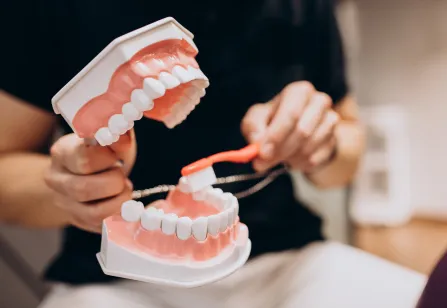
Maintaining your oral hygiene is key to a healthy recovery, but the keyword is "gentle." You should continue to brush and floss as you normally would, just be extra careful around the treated area. A clean mouth helps prevent infection and promotes faster healing. Remember, your treatment isn't fully complete until you receive your permanent restoration. Keeping your follow-up appointment is essential for protecting your tooth from future damage and ensuring its long-term health.
Tips for Easing Dental Anxiety
We know that dental procedures can bring up feelings of anxiety for many people. The most powerful tool you have is communication. Sharing your fears and concerns with your dentist is crucial, as it allows us to adjust our approach and provide the support you need. Finding a dental team that understands and addresses anxiety can make a world of difference. Our compassionate dentists are committed to creating a calm and supportive environment, so you can feel confident and relaxed during every visit.
Long-Term Care and Potential Risks
After your root canal is complete, the focus shifts to making sure your tooth stays healthy for the long haul. Proper care and understanding the potential risks are key to protecting your smile. With the right follow-up, your treated tooth can last a lifetime.
Why You'll Likely Need a Crown
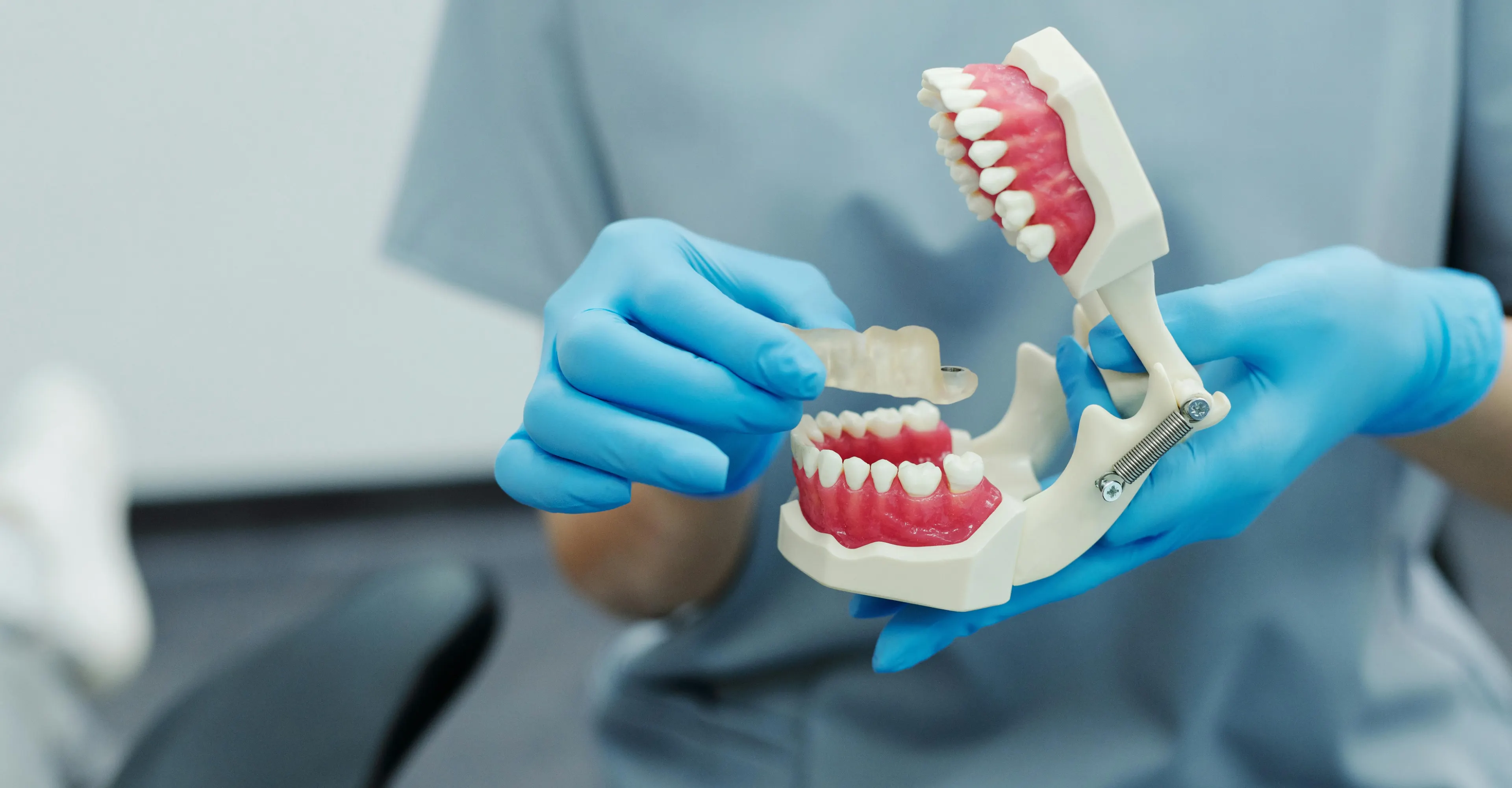
A root canal saves your tooth from infection, but the procedure can leave it more fragile. Because the inner pulp is removed, the tooth can become brittle and more likely to break over time. That's why your dentist will almost always recommend placing a crown on the tooth afterward. Think of a crown as a protective helmet that covers the entire tooth, restoring its strength and original shape. It allows you to chew normally and protects your tooth from future damage, ensuring it lasts for years to come. It’s the final step in making sure your tooth is both healthy and fully functional.
Preventing Reinfection
While root canals are highly successful, there's a small risk that the tooth could get infected again. This can happen if bacteria find a way back inside through a tiny crack or a leaky filling. The best defense is a good offense: your daily oral hygiene routine. Consistent brushing and flossing, along with regular dental check-ups, are your top tools for keeping the area clean and sealed. Our team of endodontic specialists is meticulous about cleaning and sealing the tooth during your procedure, which greatly reduces the risk of any future issues. Following all your aftercare instructions is also key to a smooth, long-lasting result.
Potential Changes in Tooth Color
You might notice that a tooth that has had a root canal looks a bit darker than the ones next to it. This is a fairly common side effect. Since the living pulp inside the tooth is removed during the procedure, the tooth is no longer "vital" and can darken over time. While this doesn't mean there's anything wrong with the tooth's health, it can be a cosmetic concern. Fortunately, it's an easy fix. The dental crown placed after your root canal will cover any discoloration. If a crown isn't needed, other cosmetic dentistry options like internal bleaching can also be used to brighten the tooth from the inside out.
Busting Common Root Canal Myths
Root canals have a bad rap, but most of what you hear is based on outdated information. Let's set the record straight on two big myths. First, the idea that root canals are incredibly painful is a thing of the past. Thanks to modern anesthetics and techniques, the experience is typically no more uncomfortable than getting a simple filling. Second, there's a persistent myth that root canals can cause other illnesses. This has been repeatedly disproven by scientific research. In reality, a root canal removes a harmful infection, which is beneficial for your overall health. If you still feel nervous, we can always discuss sedation dentistry to help you relax during your appointment.
When to Call Your Dentist
Most of the time, recovering from a root canal is a straightforward process. But it's always smart to know what's normal and what isn't. Listening to your body is key, and knowing when to pick up the phone can make all the difference in ensuring your tooth heals perfectly. If something feels off, it’s always better to be safe and get it checked out.
Signs of an Emergency
While some discomfort is expected, certain symptoms are red flags that point to a complication. It’s important to call your dentist immediately if you experience any of the following. These signs could indicate that the infection hasn't fully cleared or that another issue has come up.
Don't wait to book an appointment if you notice:
- Severe or increasing pain: Your pain should gradually get better, not worse.
- Fever or feeling sick: A fever, chills, or feeling very tired can be signs of a systemic infection.
- Swelling that persists or worsens: Swelling that doesn't improve after a couple of days needs to be evaluated.
- Pus or a bad taste: A foul taste or visible pus coming from the area is a clear sign of infection.
- A loose tooth: The treated tooth should not feel loose in its socket.
Understanding the Healing Timeline
It helps to have a realistic idea of what recovery looks like. After your procedure, it's completely normal to experience some mild pain, sensitivity, and tenderness for a few days. Your jaw might also feel a little stiff from being open during the treatment.
Most of these initial side effects should start to improve within 72 hours. Within about a week to 10 days, you should feel pretty much back to normal. If your symptoms aren't getting better within this timeframe, or if the pain is more than you can manage with over-the-counter medication, it’s a good idea to give your dentist a call. Our team offers a wide range of dental services and can help figure out what's going on.
The Importance of Your Follow-Up Visit
Your root canal journey isn't quite over after the initial procedure. That follow-up appointment to place a permanent filling or crown is absolutely essential. This final restoration is what protects your treated tooth from future fractures and reinfection. Skipping this step leaves your tooth vulnerable and can undo all the work that was just done.
If you notice that your pain or sensitivity lasts for more than a week, don't wait for your scheduled follow-up; let us know sooner. We want to ensure your recovery is as smooth as possible. You can find the contact information for all our Northern Virginia locations on our website to easily get in touch with your local office.
Related Articles
- 5 Clear Signs You Need a Root Canal
- Repair a Broken Tooth: Your Step-by-Step Guide
- Wisdom Teeth Removal Recovery: The Ultimate Guide
Frequently Asked Questions
Will the root canal procedure actually hurt? This is the number one question we hear, and it’s completely understandable. The great news is that the procedure itself shouldn't be painful at all. We use effective local anesthetics to completely numb the tooth and the area around it. The whole point of a root canal is to relieve the severe pain caused by an infection, not to create more. You might feel some pressure, but you shouldn't feel pain. Any discomfort you experience afterward is typically mild, manageable with over-the-counter pain relievers, and fades within a couple of days.
Why not just pull the infected tooth instead? Saving your natural tooth is almost always the best option for your long-term oral health. When you lose a tooth, the neighboring teeth can start to shift, which can affect your bite and alignment. Keeping your own tooth helps you chew more comfortably and maintains the natural look of your smile. While an extraction might seem like a quicker fix, it can often lead to more complex and expensive treatments down the road, like bridges or dental implants, to fill the gap.
How long will it take to feel completely normal again? Most people feel much better right away since the source of the infection and pain has been removed. It's normal to have some tenderness and sensitivity in the area for a few days as the surrounding tissues heal. This discomfort should steadily improve and can be managed with simple pain medication. Within about a week, you should feel pretty much back to your old self. Just remember to be gentle with the tooth until you get your permanent crown placed.
Is it absolutely necessary to get a crown after a root canal? In most cases, yes, a crown is a crucial final step. After a root canal, the tooth no longer has a living pulp inside, which can make it more brittle and prone to cracking over time. A crown acts like a protective helmet, covering the tooth to restore its strength and function. This allows you to chew on it without worry and protects your investment, ensuring the tooth can last for many years, even a lifetime.
What happens if I ignore the symptoms and don't get a root canal? An infected tooth will not heal on its own. If left untreated, the infection will continue to spread from the tooth's pulp into the surrounding jawbone, which can lead to a painful abscess. This can cause severe, throbbing pain, facial swelling, and even bone loss. The infection can also enter your bloodstream and affect your overall health. Getting a root canal stops the infection in its tracks, prevents these serious complications, and saves your tooth.