




Have you ever noticed a little pink in the sink after brushing your teeth? It’s easy to dismiss, but that small sign is often your mouth’s first warning signal. This is gingivitis, the earliest and most common form of gum disease. It’s essentially an inflammation of your gums caused by a buildup of plaque. The great news is that it's completely reversible. Ignoring it, however, allows it to progress into a much more serious issue that can cause permanent damage. Understanding what to look for is the first step toward effective gingivitis treatment. This guide will walk you through the signs, causes, and simple steps you can take, both at home and with your dentist, to get your gums healthy again.
Key Takeaways
- Spot the early signs for an easy reversal: Gingivitis often starts with red, puffy, or bleeding gums. Catching these symptoms is key because, at this stage, the condition is completely reversible with the right care.
- Combine professional and at-home treatment: A full recovery begins with a professional cleaning to remove stubborn tartar, but your daily brushing and flossing are what maintain that progress and allow your gums to heal properly.
- Adopt gum-friendly lifestyle habits: What you do every day matters just as much as brushing. A balanced diet low in sugar and avoiding tobacco are powerful ways to support your body's healing process and prevent future flare-ups.
What Is Gingivitis? (And How to Spot It)
Let's talk about gingivitis. You've probably heard the term during a dental visit or seen it on a toothpaste commercial, but what does it actually mean for your health? Simply put, gingivitis is the earliest and mildest form of gum disease. It’s an inflammation of your gums (the gingiva), usually caused by a buildup of plaque, a sticky film of bacteria that constantly forms on your teeth. When plaque isn't removed by daily brushing and flossing, it hardens into tartar, which can only be removed by a dental professional. This buildup produces toxins that can irritate the gum tissue, causing the redness and swelling characteristic of gingivitis.
The good news is that it's incredibly common and, more importantly, completely reversible with the right care and professional guidance. The key is catching it early. Ignoring the initial signs can allow it to progress into a much more serious issue that can't be fixed as easily. That's why knowing what to look for is the first and most important step in keeping your gums healthy and your smile bright. Think of it as your mouth's early warning system. By paying attention to the subtle changes in your gums, you can stop gum disease in its tracks and maintain your oral health for years to come. Let's get into the specific symptoms you should watch for.
Key Signs and Symptoms
Gingivitis can be sneaky because it's often painless at first. You might not even know you have it until a dentist points it out during a checkup. However, there are some telltale signs you can spot at home. Pay close attention to your gums when you brush and floss. Do you notice any redness or puffiness where your gums meet your teeth? Do your gums bleed a little too easily? These are classic early warnings. Other common symptoms of gingivitis include persistent bad breath that doesn't go away with mints or mouthwash and gums that feel tender to the touch. Recognizing these signs is your cue to take action.
Gingivitis vs. Periodontitis: What's the Difference?
It's helpful to think of gingivitis as a warning sign. It’s your body telling you that your gums need a little more attention. If you listen to that warning and improve your oral hygiene, you can reverse the condition completely. However, if gingivitis is left untreated, it can advance to a more severe form of gum disease called periodontitis. This is where things get serious. Periodontitis affects the bone and tissue that hold your teeth in place, and it can lead to permanent damage, including tooth loss. The distinction is crucial: gingivitis is reversible, but the damage from periodontitis is not. That's why our specialized dental care focuses on early detection and treatment.
What Causes Gingivitis?
Gingivitis doesn’t just show up unannounced. It’s your body’s response to irritants, specifically the bacteria that build up on your teeth. Think of it as an alarm bell from your gums, signaling that something is off balance. The main cause is almost always plaque, but several other factors can make your gums more vulnerable to inflammation and infection. Understanding these causes is the first step toward getting your gum health back on track and preventing future problems. By pinpointing what’s contributing to your gingivitis, you and your dentist can create a targeted plan for treatment and long-term prevention.
Plaque Buildup: The Primary Culprit
The number one cause of gingivitis is plaque. Plaque is a soft, sticky film of bacteria that constantly forms on your teeth. When you eat or drink, these bacteria feed on the sugars, producing acids that irritate your gum tissue. If you don't remove this plaque daily by brushing and flossing, your gums can become inflamed, red, and swollen. Over time, plaque hardens into a substance called tartar, or calculus, which creates a rough surface for even more plaque to accumulate. Unlike plaque, tartar can’t be brushed away at home. It requires a professional cleaning to remove, which is a key part of our dental services.
Other Common Risk Factors
While plaque is the main offender, other factors can increase your risk of developing gingivitis. Hormonal changes, especially during pregnancy or puberty, can make gums more sensitive. Certain health conditions, like diabetes, can also interfere with your body's ability to fight infection. Lifestyle habits play a big role, too; smoking is a major risk factor that makes it harder for your gums to heal. Even your genetics can be a factor, as a family history of gum disease can make you more susceptible. Other contributors include certain medications that cause dry mouth, reducing saliva's protective effects, and crooked teeth that are difficult to clean thoroughly. Our team is experienced in handling these unique situations with specialized care.
How Your Dentist Treats Gingivitis
While improving your at-home routine is a huge step, sometimes you need professional help to get your gums back to a healthy state. If gingivitis has taken hold, your dentist has several effective ways to treat it. The goal of professional treatment is to thoroughly clean your teeth and gums, stop the infection in its tracks, and give your gums a chance to heal properly.
At Smile Makers Dental Center, we create a personalized treatment plan based on how far the gingivitis has progressed. Our approach usually starts with a deep cleaning and may include other treatments to address the root cause of the inflammation. We offer a wide range of dental services to ensure your gums can fully recover and stay healthy for the long run. Don't hesitate to schedule a visit; catching it early makes treatment much simpler and more effective.
Deep Cleaning (Scaling and Root Planing)
If you have signs of gingivitis, your dentist will likely recommend a deep cleaning, also known as scaling and root planing. This isn't your average cleaning. Scaling involves carefully removing all the plaque and tartar buildup from the surface of your teeth and from below the gumline. Next, root planing smooths out the tooth roots, which helps your gums reattach to your teeth more securely.
Think of it as giving your gums a clean slate. By removing the hardened tartar that your toothbrush can't reach, we eliminate the source of the irritation. This procedure is one of the most effective ways to treat gingivitis and prevent it from developing into a more serious gum disease.
Antibiotics and Antimicrobial Rinses
In some cases, a deep cleaning alone might not be enough to get rid of all the harmful bacteria. If your gums are particularly inflamed or the infection is stubborn, your dentist might prescribe an antimicrobial mouthwash. This isn't the same as the cosmetic rinses you find at the drugstore; it’s a medicated rinse designed to kill the specific bacteria causing your gingivitis and help reduce inflammation. Using it as directed can make a big difference in your healing process. For more advanced infections, oral antibiotics may also be prescribed to help fight the bacteria from the inside out.
Advanced Treatments and Laser Therapy
Sometimes, other dental issues can contribute to gingivitis. For example, crooked teeth can be difficult to clean thoroughly, creating spots where plaque can easily build up. Old or poorly fitting dental work, like crowns or bridges, can also trap bacteria along the gumline. Part of a comprehensive treatment plan involves addressing these underlying problems to help your gums heal and prevent future issues.
We also use modern techniques like laser therapy, which can precisely remove tartar and bacteria with minimal discomfort. Our team is skilled in various dental specialties to ensure you get the most effective care for your specific situation.
Effective At-Home Care for Gingivitis
While a professional cleaning is the best way to get your gum health back on track, what you do at home every day makes all the difference. These simple, effective habits can help reduce inflammation, fight bacteria, and support your gums as they heal. Think of it as teamwork: we handle the deep cleaning, and you maintain the progress between visits. Here are a few powerful techniques to add to your routine to support your overall dental health.
Saltwater and Hydrogen Peroxide Rinses
A simple saltwater rinse is a great first step for soothing sore, inflamed gums. Just mix half a teaspoon of salt into a glass of warm water, swish it around your mouth for about 30 seconds, and spit it out. You can do this two to three times a day to help reduce swelling and discomfort. For a bit more antibacterial power, you can try a hydrogen peroxide rinse a few times a week. Mix equal parts 3% hydrogen peroxide and water, swish gently for 30 seconds, and be very careful not to swallow it. It’s best not to use this rinse daily, as it can cause irritation over time.
Oil Pulling and Other Natural Remedies
Oil pulling is an ancient practice that can help reduce bacteria in your mouth. To try it, swish one tablespoon of coconut oil in your mouth for 10 to 15 minutes, then spit it into a trash can (avoid the sink, as it can cause clogs). Afterward, rinse your mouth well with water. Some people also find relief by applying pure aloe vera gel to their gums for a few minutes before rinsing. Another option is a turmeric paste, made by mixing a teaspoon of turmeric with a little water or coconut oil. You can apply this to your gums for 5 to 10 minutes a few times a week before rinsing. Our team of specialists can help you decide which remedies are right for you.
Mastering Your Brushing and Flossing Technique
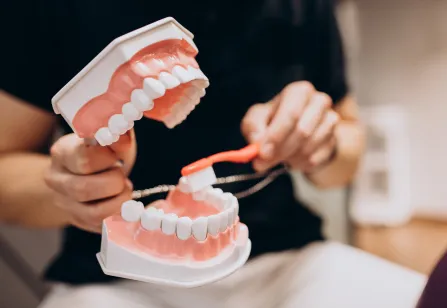
Ultimately, nothing replaces the power of excellent brushing and flossing. Make sure you’re brushing twice a day for a full two minutes each time, using a soft-bristled brush. Angle the brush toward your gum line and use gentle, circular motions to clean every surface of your teeth. Flossing once a day is just as important, as it removes the plaque and food debris your toothbrush can’t reach. If you find it difficult, consider using an electric toothbrush, which can make cleaning more effective. If you're unsure about your technique, don't hesitate to ask us during your next appointment. We can show you the best way to care for your unique smile.
How Long Until My Gums Feel Better?
The moment you start treating gingivitis, you’re on the path to recovery. The good news is that your gums can heal relatively quickly once you remove the plaque and bacteria that cause inflammation. While everyone’s healing journey is a bit different, you can expect to see and feel noticeable improvements within a short period if you stick with your treatment plan.
The key is consistency. Combining professional care with a solid at-home routine gives you the best and fastest results, helping you get back to a healthy, comfortable smile.
What to Expect: Professional vs. At-Home Timelines
After a professional cleaning to remove built-up plaque and tartar, you can often see improvements in just a few days. Symptoms like bleeding and swelling tend to decrease rapidly once the main source of irritation is gone. From there, consistent at-home care is what makes all the difference. If you brush thoroughly twice a day and floss daily, you can expect your gums to get significantly healthier within one to two weeks. Your dentist at Smile Makers will give you a personalized timeline, but most cases of gingivitis resolve quickly with dedicated care. The most important thing is to follow the plan and not get discouraged.
Signs of Healthy, Healing Gums
How do you know your efforts are working? You’ll see the signs of gingivitis start to fade away. Instead of being red, puffy, and tender, your gums will begin to look and feel firm and pink again. One of the first things you’ll likely notice is that the bleeding stops when you brush and floss. This is a fantastic sign that the inflammation is going down.
As your gums heal, any tenderness or sensitivity should also disappear, and your breath may seem fresher. Seeing these positive changes is a great motivator to keep up with your oral hygiene routine. Following proper treatment and good home care will get you there.
Can Gingivitis Be Completely Reversed?
Yes, absolutely. The best thing about catching gingivitis early is that it is completely reversible. Because it’s the very first stage of gum disease, the inflammation hasn't caused any permanent damage to the bone and tissue that support your teeth. Think of it as a warning sign from your gums that they need a little more attention.
With the right combination of professional treatment and diligent at-home care, you can stop gingivitis in its tracks and restore your gums to a healthy, pink state. In many cases, you can see significant improvement in just a few days or weeks. The key is to take action as soon as you notice symptoms like redness, swelling, or bleeding when you brush. Addressing it promptly not only reverses the current issue but also prevents it from developing into a much more serious problem down the road.
Key Factors for a Successful Recovery
A full recovery from gingivitis depends on a partnership between you and your dental team. It starts with a professional cleaning to remove all traces of plaque and tartar that have built up along your gumline. From there, your success hinges on maintaining excellent oral hygiene at home. This means brushing thoroughly twice a day, flossing at least once daily, and considering an antiseptic mouthwash. It’s also incredibly important to avoid tobacco, as it can interfere with your gums’ ability to heal. Consistently following these steps is the most effective way to ensure your gums get healthy and stay that way.
The Risks of Untreated Gingivitis
If you ignore the signs of gingivitis, it won't go away on its own. Instead, it can progress into a more severe form of gum disease called periodontitis. This is a serious infection that spreads below the gumline, where it begins to destroy the bone and connective tissue that hold your teeth in place. Unlike gingivitis, the damage from periodontitis is not reversible and can lead to receding gums, loose teeth, and eventually, tooth loss. Promptly treating gingivitis is your best defense against this lasting damage. If you suspect you have gum disease, it's crucial to book an appointment to get it under control.
Lifestyle Habits for Healthy Gums
While professional cleanings and at-home care are the foundation of healthy gums, your daily habits play a huge role in your recovery from gingivitis. Think of it this way: your brushing and flossing routine is your defense, but your lifestyle choices can either strengthen that defense or weaken it. Making a few key adjustments can speed up healing and help keep your gums healthy for the long run. It’s about creating an environment where bacteria struggle to thrive and your gums have everything they need to repair themselves.
Eating for Better Gum Health
What you eat directly impacts your oral health. Sugary foods and drinks are a primary fuel source for the bacteria that create plaque, making gingivitis worse. By limiting things like soda, candy, and even starchy snacks that stick to your teeth, you can help starve that harmful bacteria. Instead, try incorporating more crunchy fruits and vegetables like apples and carrots, which can help clean your teeth as you chew. A balanced diet supports your immune system, giving your body the tools it needs to fight off gum infections. Remember, a healthy diet is a fantastic partner to your daily oral hygiene routine.
Habits to Avoid for Faster Healing
If you want your gums to heal quickly, there’s one habit to address right away: using tobacco. Smoking or chewing tobacco makes it much harder for your body to fight off gum infections and can seriously slow down the healing process. According to the Mayo Clinic, tobacco use can worsen gingivitis and interfere with treatment. Quitting is one of the most effective steps you can take to improve your gum health and overall well-being. It reduces irritation, allows your gum tissue to repair itself, and gives your treatments a much better chance of success.
The Role of Your Overall Health
Your oral health and your overall health are deeply connected. Certain medical conditions can make you more susceptible to gum problems. For example, people with diabetes have a higher risk of developing gingivitis, especially if their blood sugar isn't well-managed. Taking care of your whole body is a crucial part of taking care of your mouth. By managing any underlying health conditions with your doctor, you’re also protecting your gums from infection. If you have a condition that affects your oral health, our team can provide the specialized care you need to keep your smile healthy.
How to Keep Gingivitis from Coming Back
Once you’ve successfully treated gingivitis, the goal is to keep it from returning. The good news is that prevention is straightforward and completely within your control. It all comes down to combining a consistent at-home oral hygiene routine with regular professional care. Think of it as a partnership between you and your dental team. Your daily habits remove the plaque that forms every day, while professional cleanings handle the stubborn tartar that you can’t remove on your own. By committing to both, you can maintain healthy gums and a bright smile for years to come. This proactive approach not only prevents gingivitis but also protects your overall oral health, stopping more serious issues before they can start.
Your Daily Prevention Routine
Your best defense against gingivitis starts at home with a simple, consistent routine. The key is to physically remove plaque before it has a chance to harden into tartar. Make sure you brush your teeth thoroughly twice a day, once in the morning and again before bed. Don’t forget to floss every day to clean the tight spaces between your teeth where your toothbrush can’t reach. What you eat and drink also matters; limiting sugary foods and drinks helps reduce the fuel for plaque-causing bacteria. Finally, avoiding tobacco is one of the best things you can do for your gums, as smoking can worsen gum disease and slow down healing.
Why Regular Dental Checkups Are Key
While daily care is essential, it works best when paired with regular professional checkups. Dental visits aren't just for when you have a toothache; they are your first line of defense in preventing problems like gingivitis. During a checkup, our team can perform a professional cleaning to remove any hardened plaque (tartar) that your toothbrush and floss can't handle. We can also spot the early signs of gum inflammation and provide guidance before it becomes a bigger issue. Following the schedule your dentist recommends for cleanings is crucial for maintaining gum health. With our team’s support and your commitment to daily care, you can keep your gums healthy and strong. You can explore our full range of dental services to see how we can help.
Related Articles
- Your Guide to Gum Disease Treatment Options
- Periodontics Tysons VA | Gum Disease Treatment & Care
- Periodontics Falls Church VA | Gum Disease Treatment & Care
- Gum Disease Laser Therapy - Non-Surgical Periodontal Care
Frequently Asked Questions
Does gingivitis always hurt? Not at all, and that’s what makes it so easy to miss in its early stages. Many people have gingivitis without feeling any pain or discomfort. Instead of waiting for pain, pay attention to other signs like redness along your gumline, puffiness, or seeing a bit of pink in the sink when you brush your teeth. These are your gums' first signals that they need a little extra care.
Can I treat gingivitis on my own without seeing a dentist? While improving your brushing and flossing at home is a huge part of the solution, it usually isn't enough to reverse gingivitis on its own. The main cause is plaque that has hardened into tartar, which you can't remove with a regular toothbrush. A professional cleaning is needed to remove this buildup and give your gums a fresh start so they can begin to heal properly.
If my gums bleed when I floss, should I stop? This is a common question, and the answer is definitely not. Bleeding is a sign that your gums are inflamed because plaque is irritating them. While it might seem counterintuitive, gentle and consistent flossing is exactly what you need to do. It removes the plaque that's causing the problem, and after a few days of regular care, you should notice the bleeding start to decrease as your gums get healthier.
How long does it take for the bleeding to stop once I start treatment? After a professional cleaning and with consistent daily care at home, you can expect to see significant improvement very quickly. Most people find that their gums stop bleeding within one to two weeks. The key is to be diligent with your brushing and flossing every single day to prevent plaque from building up again and irritating your healing gums.
Is gingivitis contagious? The bacteria that cause gingivitis can be spread through saliva, for example, by sharing utensils or kissing. However, simply being exposed to the bacteria doesn't guarantee you'll develop the condition. Your own oral hygiene habits are the most important factor. As long as you maintain a great routine of brushing and flossing, your risk of developing gingivitis remains very low, even if a partner or family member has it.