

Enamel erosion treatment depends on how much of the tooth’s hard outer layer has worn away and what is causing the exposure to acid. A dental professional can assess the surface, discuss sensitivity or appearance concerns, and recommend practical ways to limit further wear. Some changes call for habit adjustments and monitoring; more extensive damage may need restorative care.
What is enamel erosion?
Enamel is the hard outer covering of each tooth. It protects the layers underneath during everyday activities such as chewing and drinking. Enamel erosion happens when acids gradually soften and wear away that surface. Unlike a cavity, erosion is not caused by bacteria directly eating through the tooth, though erosion and tooth decay can occur together.
Acids can come from foods and drinks, such as citrus, soda, sports drinks, wine, and other acidic items. Stomach acid can also reach the teeth with reflux or repeated vomiting. The amount of exposure, how often it happens, saliva, and a person’s oral care habits all influence risk. The cause is not always obvious, so it helps to look at the full picture rather than assume one food or habit is responsible.
Early erosion may not be easy to see or feel. As the protective layer thins, teeth may become sensitive to cold, hot, sweet, or sour foods. Some people notice that teeth look more yellow, appear smoother or slightly translucent near the edges, or chip more easily. These signs can have other causes, too. A dental exam is needed to determine what is happening.
How does a dentist assess enamel wear?
A dentist will ask what you have noticed and when it occurs. Be ready to mention sensitivity, changes in appearance, acidic drinks or snacks you have often, dry mouth, reflux symptoms, and any repeated vomiting. You do not need to diagnose yourself. Even details that seem unrelated may help the dental team understand possible sources of acid exposure.
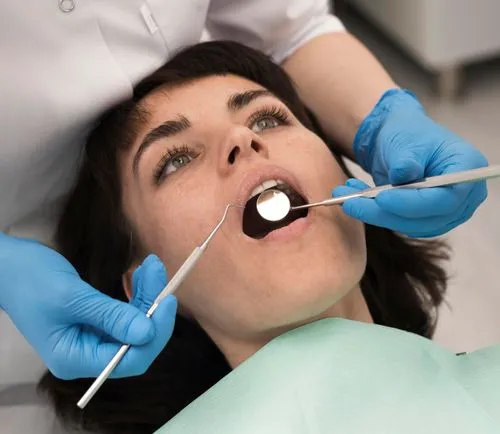
The dentist may look at the surfaces, edges, and shape of the teeth and ask about your health and daily routines. They may also check for other causes of wear, including grinding or clenching, and for signs of cavities or gum concerns. If the cause could be related to reflux or another health issue, ask whether a conversation with your medical care provider would be appropriate. A dentist can assess oral changes but does not replace a medical evaluation.
Assessment also helps establish what needs attention first. A person with mild wear and no discomfort may need guidance and follow-up. Someone with sensitivity, a weakened tooth, or a change that affects chewing may need a more specific plan. When you are preparing for a visit, review the practice’s patient information and write down questions in advance.
Which enamel erosion treatment options may be considered?
There is no single treatment that reverses every case. Enamel that has been lost does not grow back, so care focuses on reducing the source of wear, protecting remaining tooth structure, easing symptoms, and restoring a tooth when needed. The right approach depends on the exam and your goals.
- Changes to reduce acid exposure: If a repeated food, drink, or routine seems to be contributing, the dentist can discuss realistic ways to reduce how often teeth encounter acid. The goal is a sustainable change, not blame or a list of foods everyone must avoid.
- Fluoride or other protective care: A dentist may recommend a fluoride product or other preventive measures based on your needs. Ask how to use any product and whether it is appropriate for you.
- Relief for sensitivity: A desensitizing toothpaste or in-office approach may be discussed. Persistent pain should not simply be covered up; it deserves evaluation so another problem is not missed.
- Restorative treatment: If erosion has significantly changed a tooth or affected its strength or function, a dentist may discuss a filling, bonding, a crown, or another restoration. The choice depends on the location and amount of damage, the tooth’s condition, and the expected result.
- Medical follow-up: When stomach acid may be a factor, discuss the pattern with a health care provider. Managing the underlying cause can be an important part of protecting teeth.
These are possibilities, not a treatment promise or a do-it-yourself plan. Your dentist can explain the benefits, limits, and upkeep of an option before you decide. For example, a restoration can cover or reinforce a damaged area, but it does not stop acid from affecting other teeth. Preventive steps still matter after restorative care.
Smile Makers provides a range of dental services, and the right appointment starts with describing the concern and getting an assessment. If a damaged tooth needs a closer discussion, you can also read about dental bridges and factors that shape care choices; that information is not a diagnosis or an estimate for your specific tooth.
How do prevention steps and restorative care compare?
The options below serve different purposes. Prevention aims to limit additional exposure, while restorative care addresses existing structural changes. A dental exam helps decide whether one or both are relevant.
| Approach | Main purpose | When it may be discussed | What to ask |
|---|---|---|---|
| Daily habit adjustments | Reduce repeated acid contact and support oral health | When food, drink, or routine may be contributing | Which change is most practical for me? |
| Protective or sensitivity care | Help protect tooth surfaces or manage discomfort | When risk or sensitivity is present | Which product or approach fits my situation? |
| Restoration, such as bonding or a crown | Cover, rebuild, or protect a tooth with more extensive wear | When the tooth’s shape, strength, or function is affected | What are the alternatives, limits, and care needs? |
| Medical evaluation | Assess a possible health-related source of acid | When reflux or repeated vomiting may be involved | Should I speak with my medical provider? |
When comparing restorative choices, ask what problem each option addresses and whether the tooth needs treatment now or can be monitored. A dental crown is one possible restoration in some cases; learn more about how a bridge differs from other tooth-replacement approaches if that topic comes up in your discussion. Your clinician can explain which information applies to your exam.
What everyday habits can help limit further wear?
Small, repeatable habits can reduce frequent acid contact. The best plan is one you can follow and that fits your health needs. Consider these discussion points:
- Notice patterns. Keep a short note of when sensitivity occurs and what you ate or drank beforehand. A pattern can help your dentist give more tailored advice.
- Reduce sipping over long periods. If you choose an acidic drink, frequent sipping keeps exposing teeth. Ask your dentist what changes make sense for your routine.
- Rinse with water after an acidic exposure. Water can help clear the mouth. Avoid treating rinsing as a substitute for an exam or personalized advice.
- Wait before brushing after acid. Ask your dental team how long to wait in your circumstances. Brushing right after an acidic exposure may be unhelpful when enamel is temporarily softened.
- Use gentle brushing habits. Choose a soft-bristled brush and avoid scrubbing. Your dentist or hygienist can review your technique and recommend a toothpaste.
- Keep regular dental visits. Checkups help the team monitor changes and discuss preventive care. A look at dental technology used in care can help you understand tools that may support an exam, but the dentist will explain what is relevant to you.
There is no need to feel embarrassed about a habit, sensitivity, or health concern. Share what you can, ask questions, and let the dental team help you prioritize. If dental visits make you uneasy, these practical ideas for feeling more comfortable may help you plan what to ask for at your visit.
When should you arrange a dental visit?
Arrange an evaluation if sensitivity is persistent, worsening, or affecting eating and drinking, or if you notice a tooth changing in shape, color, or surface. A sudden break, significant pain, swelling, or injury needs prompt attention. If you are unsure how quickly to be seen, contact a dental office and describe the symptoms so the team can guide you.
Do not assume every sensitive tooth has enamel erosion. A cavity, a crack, gum recession, or another condition can produce similar discomfort. The cause determines what care may help, which is why an exam matters. You can find office information on the Smile Makers locations page and learn more about the practice’s approach to dental care.
For general oral health education, the American Dental Association is another source to explore. Online information can help you prepare questions, but it cannot determine the cause of a change in your own teeth.
How can you prepare for a useful dental conversation?
A little preparation can make it easier to explain what you have noticed and understand the choices. You do not need to arrive with a suspected diagnosis. Focus on your experience: when the sensitivity began, whether it comes and goes, what triggers it, and whether a particular tooth feels different. If symptoms are hard to describe, jot down a few notes before the visit.
It can also help to think through possible sources of acid exposure without judging yourself. Share changes in your eating or drinking routine, reflux symptoms, dry mouth, or episodes of vomiting if they apply. Tell the dentist about relevant health conditions and medicines, too. This context may help the team consider whether the issue is erosion, another dental concern, or a combination. If you are not sure whether a detail matters, mention it and let the clinician decide.
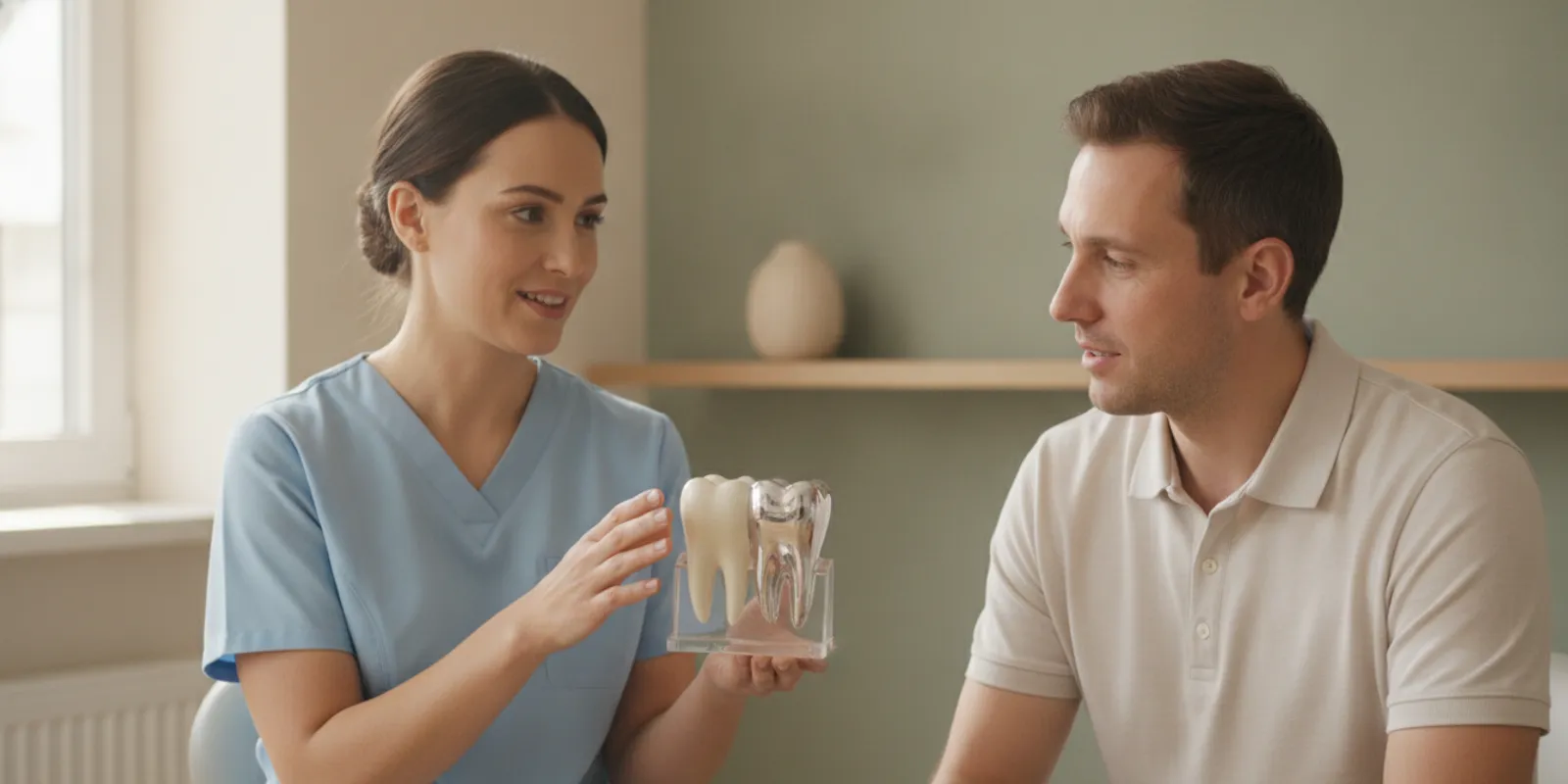
Once the exam is complete, ask for a plain-language explanation of what was found. You can request that the team show you the area or explain how it compares with a healthy tooth surface. If more than one option is discussed, questions like these can help:
- What is the likely cause of the wear, and how certain can we be?
- What needs attention now, and what can be monitored?
- What is the purpose, upkeep, and limitation of each suggested option?
- What can I change at home to reduce additional exposure?
- When should I return, or contact the office sooner?
Understanding the plan is part of comfortable care. It is reasonable to ask the dentist to repeat an explanation, compare alternatives, or clarify what a recommendation is meant to accomplish. If you would like a second conversation before deciding on non-urgent restorative care, ask how to arrange one and what records or images would be useful. Choices should reflect the condition of the tooth, your health, and your preferences.
Frequently asked questions
Can enamel grow back after erosion?
No. Enamel that has been lost does not regenerate. A dentist can recommend ways to protect the remaining enamel, address sensitivity, and restore a tooth if the amount of damage calls for it.
Does enamel erosion always need a filling or crown?
No. Some cases may be managed with preventive guidance and monitoring. A restoration may be considered when wear has affected a tooth’s structure or function. The exam and your needs guide that decision.
Can acidic foods cause enamel erosion?
Frequent exposure to acids from foods and drinks can contribute to erosion, but individual risk varies. Stomach acid and other factors can also matter. Ask your dentist about your own pattern rather than eliminating foods without a reason.
Is tooth sensitivity proof of enamel erosion?
No. Sensitivity has several possible causes, including cavities, cracks, or gum changes. If it continues or worsens, arrange an evaluation instead of relying on a symptom alone to identify the cause.
What should I bring up at an appointment?
Describe what you feel, when it happens, and any changes you have noticed. Mention regular acidic drinks or foods, reflux symptoms, dry mouth, and medicines or health changes that may be relevant. Ask what the exam shows, which options are appropriate, and how to help prevent further wear.
What is the next step?
Enamel erosion treatment begins with understanding the cause and extent of wear, then choosing reasonable steps to protect your teeth and address any damage. If you have sensitivity or notice a change, schedule a dental evaluation and bring your questions so you can make a plan with your care team.