



How to Cure TMJ Permanently: A Practical Treatment Guide
Jaw pain, clicking, headaches, or difficulty opening your mouth can make eating, speaking, and sleeping feel harder than they should. If you are searching for how to cure tmj permanently, the most useful answer is a realistic treatment roadmap, not a guarantee. TMD can involve the jaw joints, chewing muscles, clenching, or several factors at once.
Learning how to cure tmj permanently starts with identifying likely contributors, reducing repeated jaw strain, and building a personalized plan for lasting symptom control. Mild symptoms may improve with conservative care. Persistent or recurring symptoms may call for a dental evaluation, appliance, physical therapy, or coordinated treatment. No single approach guarantees permanent relief for everyone.
The goal is comfortable function: less pain, easier movement, more comfortable chewing, and fewer disruptive flare-ups. The steps below explain what you can try safely, when to seek professional guidance, and how treatment may progress without jumping to an aggressive option.
What Does It Mean to Cure TMJ Permanently?
Temporomandibular disorder, or TMD, describes conditions affecting the chewing muscles, jaw joints, or both. The National Institutes of Health notes that symptoms can include jaw pain, restricted movement, and joint sounds, and that some cases resolve without treatment. Long-term success means matching care to the cause and monitoring function, rather than promising one universal cure.
TMJ is the name of the temporomandibular joint, the pair of joints connecting the lower jaw to the skull. TMD is the broader term for problems involving those joints and the muscles that move them. Common symptoms include soreness, stiffness, clicking, popping, limited opening, headaches, and discomfort while chewing. The NCBI clinical overview of temporomandibular syndrome explains that TMD can have muscular and joint-related forms.
Different contributors call for different responses. Daytime clenching may keep the chewing muscles tense. A joint irritation may affect movement or create tenderness near the ear. Stress, poor sleep, habits such as gum chewing, recent dental work, and other factors may influence symptoms without being the sole cause. This is why a treatment plan should follow an examination rather than a search-result promise.
Some people have a short episode that settles and does not return. Others experience recurring symptoms that need maintenance, follow-up, or a combination of therapies. A realistic long-term objective is sustained improvement in pain, movement, chewing, sleep, and daily comfort. Periodic monitoring is not a failure. It is often the safest way to adjust care when symptoms or contributing habits change.
Be cautious with any approach that promises to permanently fix every TMJ problem without asking about your health history or examining your jaw. Irreversible bite changes or invasive treatment should not be the automatic first step. A careful clinician can explain the likely cause, expected benefits, alternatives, and signs that would call for a different plan.
Can Home Care Help TMJ Symptoms Last?
For mild or recent jaw discomfort, conservative home care can reduce workload while the area settles. Mayo Clinic guidance includes softer foods, avoiding extreme jaw movement, and carefully using heat or cold when comfortable. Home care is supportive, not a diagnosis. Persistent pain, locking, limited opening, or difficulty eating deserves a professional evaluation.
Reduce the work your jaw must do
During a flare, choose foods that are comfortable to chew and cut larger pieces into smaller bites. Temporarily reduce gum, chewy candy, tough foods, and other activities that require prolonged chewing. Avoid opening farther than is comfortable for a large bite or yawn. At rest, let your lips meet gently while keeping your teeth slightly apart and your jaw relaxed.
Do not rest your chin on your hand, bite your nails, or chew pens and other objects. These habits can keep the jaw active for long periods. You do not need to make every change forever. The purpose is to reduce repeated strain while you observe what affects your symptoms.
Use temperature and medication carefully
Some people prefer a wrapped cold pack after a painful flare, while others find gentle warmth more comfortable when muscles feel tight. Use a barrier between your skin and the pack, follow the product instructions, and stop if the approach increases pain or irritates your skin. Ask a healthcare professional about any pain medication, especially if you have other conditions or take other medicines.
For more practical guidance, review these conservative TMJ management strategies. Keep a short record of foods, movements, sleep, clenching, and temperature approaches that seem to affect you. That information can make a later evaluation more useful.
Know when self-care is not enough
Arrange an evaluation if pain continues, keeps returning, interferes with sleep, changes how you eat, limits opening, or causes repeated locking. A painless occasional click may not require invasive treatment, but pain or restricted movement should not be ignored. Self-care should make daily life more comfortable, not require increasingly restrictive habits just to get through the day.
Which Habits Keep TMJ Pain From Coming Back?
Long-term TMJ improvement often depends on reducing repeated strain, not achieving perfect behavior. Common contributors include clenching, gum chewing, hard foods, extreme opening, poor sleep, and stress-related muscle tension. Tracking patterns and making manageable changes can support recovery. If symptoms return despite reasonable changes, a clinician can look for joint, muscle, or bite-related factors.
Clenching can happen while concentrating, driving, exercising, or sleeping. A daytime reminder is to keep your lips gently together, your teeth slightly apart, and your jaw relaxed. Morning soreness or headaches may be worth discussing with a dental professional. Do not assume that every symptom is caused by nighttime grinding without an evaluation.
- Skip gum and avoid chewing on pens, fingernails, ice, or other objects.
- Support your chin if a yawn begins, and avoid forcing your mouth wide open.
- Alternate chewing sides instead of repeatedly loading one side.
- Take movement breaks during stressful or concentrated tasks.
- Let your shoulders drop and keep screens near eye level when possible.
Stress does not mean that jaw pain is imaginary. Stress can make clenching, muscle tension, and poor sleep more likely for some people, but it is not necessarily the only contributor. Breathing breaks, regular movement, and a consistent sleep routine may support dental care. These steps work best when they are practical enough to repeat.
Track when pain, stiffness, clicking, headaches, or limited opening appears and what happened beforehand. Reviewing that pattern can support identifying TMJ triggers without blaming yourself for every flare. If symptoms keep returning, professional guidance can separate a habit that can be changed from a condition that needs treatment.
How Is TMJ Disorder Diagnosed?
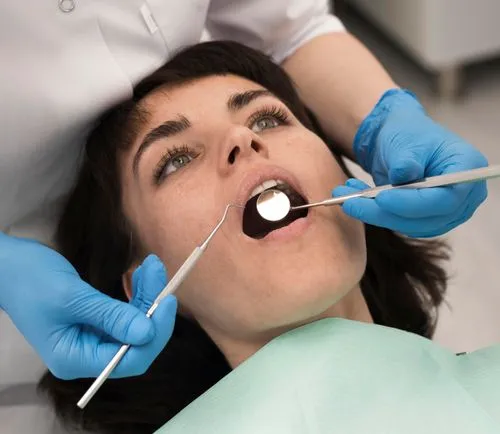
A TMJ evaluation usually combines your symptom history with an examination of jaw movement, joint sounds, chewing muscles, tenderness, and opening. Imaging is not automatically needed for every patient. When findings suggest a structural or joint concern, a clinician may discuss an X-ray, CT scan, MRI, or referral. Diagnosis helps treatment stay proportionate.
During an appointment, your provider may ask where the discomfort is located, when it began, and whether chewing, speaking, yawning, or waking changes it. You may also discuss clicking or popping, locking, headaches, clenching, sleep disruption, recent dental work, and changes in how your bite feels.
What the examination may include
- Observing how far the mouth opens and how smoothly the jaw moves.
- Listening for clicking, popping, or other joint sounds.
- Feeling the jaw joints and chewing muscles for tenderness or tension.
- Noting whether movement is limited, uneven, painful, or associated with locking.
Imaging can provide additional information when the examination suggests it may help. Dental X-rays may evaluate teeth and nearby bone. CT can show bony structures in greater detail, while MRI can help assess soft tissues such as the joint disc. The Mayo Clinic TMJ diagnosis and treatment overview describes imaging as a tool used when a healthcare professional considers it appropriate.
Diagnosis matters because muscle tenderness, joint irritation, clenching, and structural concerns may not respond to the same plan. Ongoing pain, restricted movement, repeated locking, or difficulty chewing are good reasons to schedule an assessment. Early guidance may help protect comfortable function and prevent you from escalating treatment on your own.
How Do Splints, Oral Appliances, and Therapy Support Long-Term Relief?
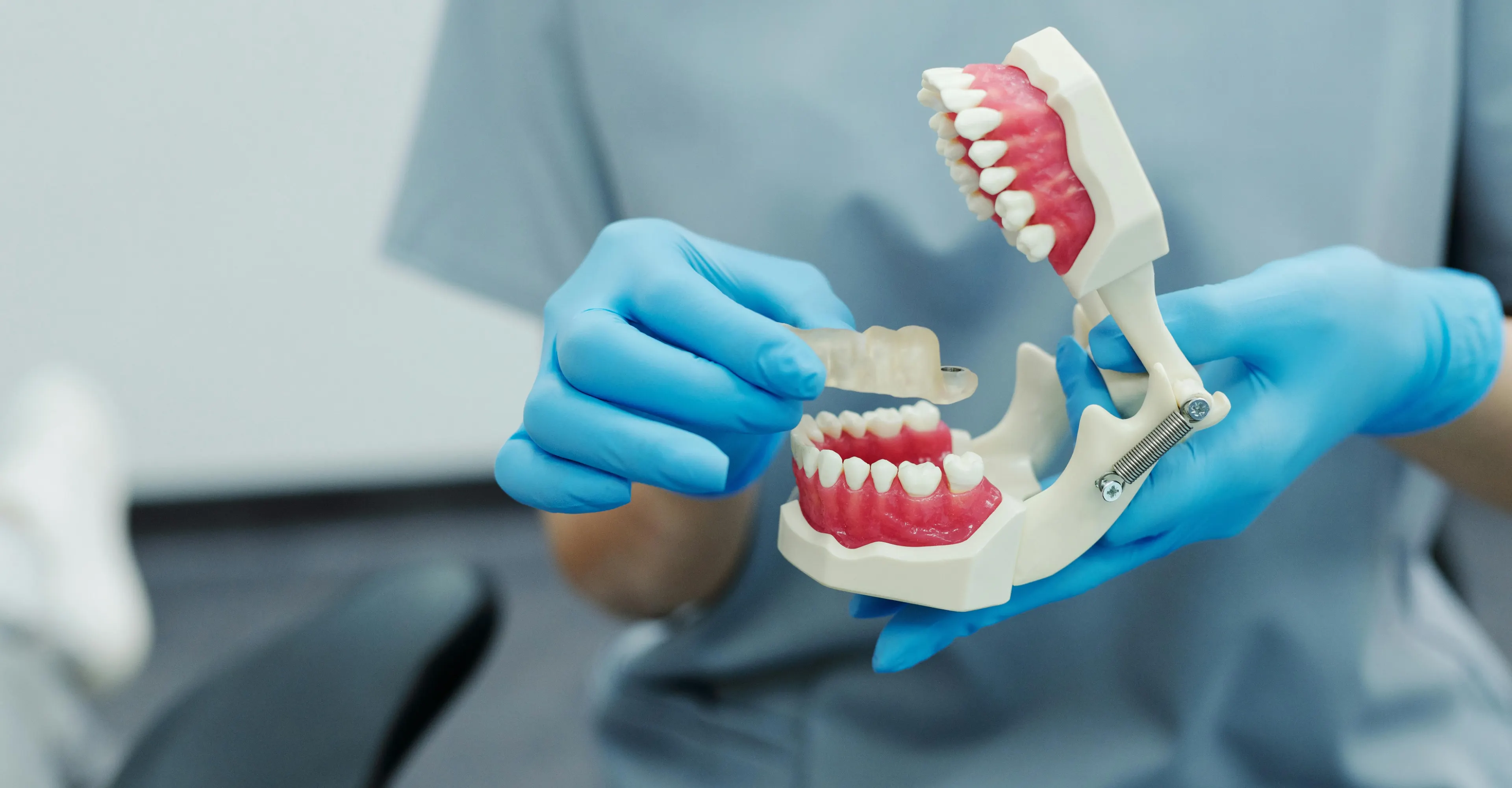
Professional TMJ care may include a custom splint, oral appliance, physical therapy, habit coaching, medication guidance, or a coordinated combination. The best option depends on examination findings, symptoms, health history, and response over time. Appliances and exercises should be selected and reviewed by an appropriate professional, not treated as interchangeable solutions.

| Option | Potential role | What to discuss |
|---|---|---|
| Custom splint or oral appliance | May reduce the effects of clenching and support comfortable function for some patients. | Ask about fit, design, wearing schedule, cleaning, and when reassessment is needed. |
| Physical therapy | May use individualized movement, stretching, strengthening, posture, heat, or other techniques. | Learn which exercises fit your range of motion and how to stop if pain increases. |
| Medication discussion | May provide short-term symptom relief when appropriate for your health history. | Review interactions, contraindications, dosage, and duration with a qualified professional. |
| Coordinated care | May combine dental evaluation, appliance support, therapy, and referrals when needed. | Confirm who is coordinating care and how improvement will be measured. |
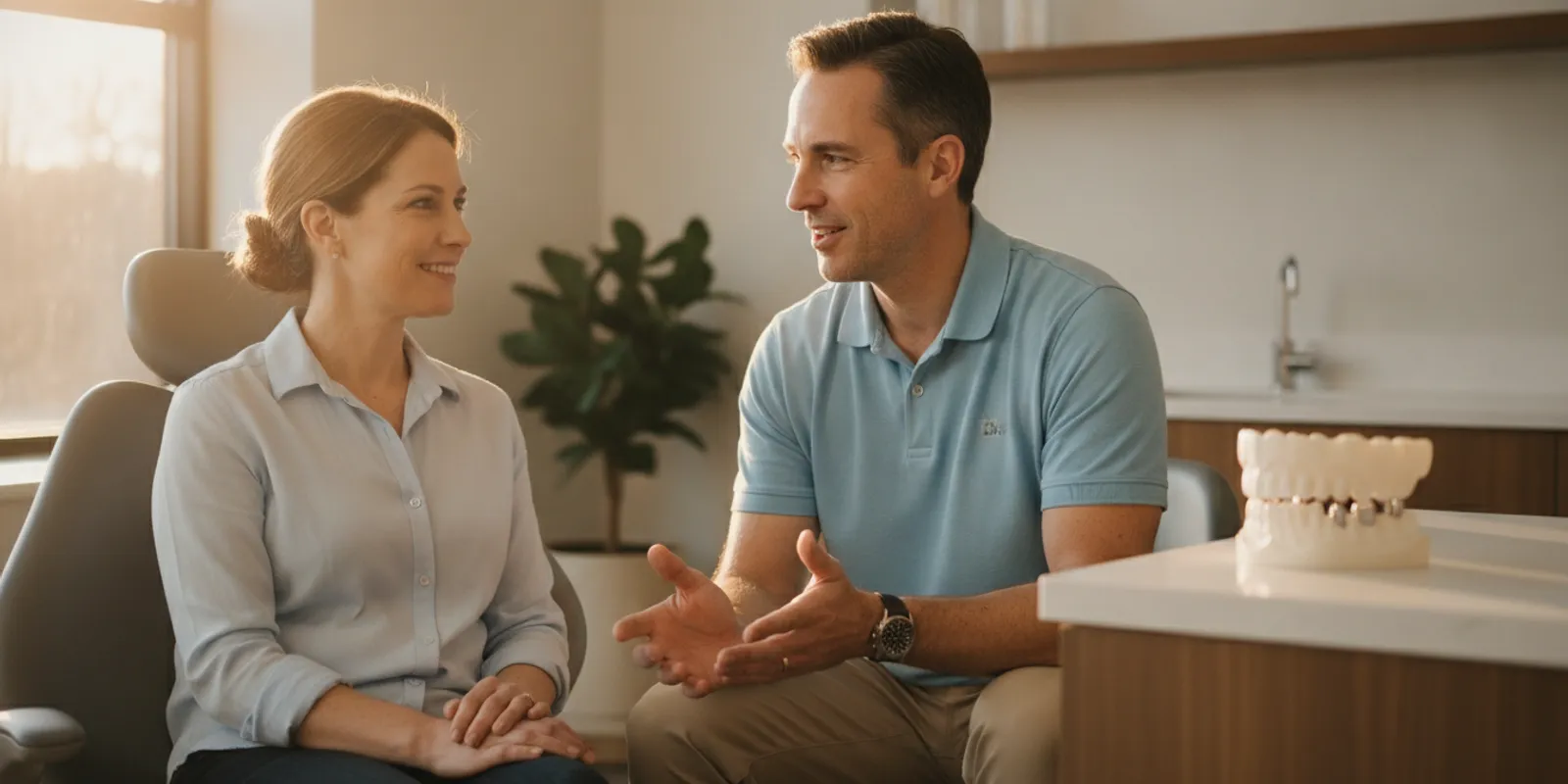
These options work best when chosen after an examination. A clinician may reassess jaw movement, muscle tenderness, joint sounds, and the pattern of your symptoms before recommending an appliance or therapy. Smile Makers Dental Center provides TMJ and sleep apnea services for patients throughout Northern Virginia.
Follow-up is part of treatment, not an optional extra. Your provider may adjust an appliance, refine exercises, review clenching patterns, or change the next step according to your response. Track pain, chewing comfort, headaches, sleep, and opening so the plan reflects actual progress.
Talk with Smile Makers about a personalized TMJ plan
When Are Advanced TMJ Treatments Considered?
Advanced treatment is generally considered when evaluation identifies a joint or structural problem that has not improved with appropriate conservative care. It is not automatically the next step for clicking or discomfort. A specialist should explain the findings, expected benefits, limitations, alternatives, recovery, and what outcome will be measured before an invasive option is considered.
Depending on the findings, a dental professional may discuss referral to an oral and maxillofacial specialist or another clinician with focused TMJ experience. The conversation may include what has already been tried, whether imaging adds useful information, and how much the symptoms affect eating, sleep, movement, and daily life.
Where arthroscopy may fit
TMJ arthroscopy is a minimally invasive procedure that may be used for diagnosis or treatment in selected cases. Mayo Clinic explains that it can sometimes help address scar tissue or inflammatory material within the joint. That does not mean it is right for everyone with pain or clicking. A specialist should discuss benefits, risks, alternatives, and recovery in the context of your examination.
A thoughtful plan protects healthy function and avoids irreversible treatment unless there is a clear, evidence-informed reason to consider it. Many patients improve with conservative care, appliances, therapy, or a coordinated combination. The least invasive appropriate option is usually considered before more advanced treatment.
How to Cure TMJ Permanently Through Personalized Care
The most realistic path toward lasting TMJ relief is a sequence: describe the symptom pattern, reduce low-risk triggers, obtain an evaluation when symptoms persist, use individualized treatment when indicated, and measure progress at follow-up. This approach does not promise that symptoms can never return. It gives you a safer way to build and maintain comfortable jaw function.
- Describe the pattern. Note pain, stiffness, clicking, headaches, locking, chewing difficulty, sleep changes, clenching, and activities that help or worsen symptoms.
- Start with low-risk support. Reduce extreme movement, choose comfortable foods, keep the teeth slightly apart at rest, and use heat or cold carefully if helpful.
- Address repeat triggers. Look for gum chewing, nail biting, hard foods, prolonged clenching, and stressful tasks that keep the jaw active.
- Get a personalized evaluation. Seek guidance when pain persists, opening is limited, chewing is difficult, or the jaw locks.
- Measure progress. Track pain, comfortable opening, chewing, sleep, and headaches instead of relying on one good or bad day.
- Maintain what works. Keep practical habits and recommended follow-up. If symptoms return, revisit the plan early rather than escalating treatment alone.
Smile Makers Dental Center supports patients across Northern Virginia with personalized dental care and integrated TMJ services. A clear evaluation can connect symptoms with an appropriate next step while keeping the plan understandable and proportionate.
Frequently Asked Questions About Long-Term TMJ Relief
Is it possible to cure TMJ permanently?
Some people have symptoms that resolve and do not return. Others have recurring or chronic symptoms that need ongoing management. Because TMD can involve muscles, joints, clenching, stress, or multiple factors, no single treatment can promise a permanent cure for everyone. A realistic goal is lasting improvement in pain, movement, chewing comfort, sleep, and daily function.
What is the best way to manage TMJ symptoms at home?
Supportive care may include softer foods during a flare, avoiding gum and extreme opening, keeping the teeth slightly apart at rest, and using a wrapped cold pack or comfortable warmth when appropriate. These steps do not replace diagnosis. Arrange an evaluation if symptoms persist, limit movement, change how you eat, or keep returning.
When should I see a dentist for TMJ pain?
Schedule an evaluation when pain continues, the jaw repeatedly locks, opening becomes limited, chewing is difficult, or symptoms affect sleep or daily activities. Mention recurring headaches, morning jaw soreness, suspected clenching, or a noticeable change in your bite. A clinician can examine the joints and muscles and decide whether additional testing or care is appropriate.
How do dental splints help with TMJ disorder?
A professionally selected splint or oral appliance may reduce the effects of clenching and support more comfortable jaw function for some patients. Fit, design, wearing schedule, and follow-up matter. An over-the-counter guard is not automatically interchangeable with a custom plan. Ask how the appliance fits your symptoms and when it should be reassessed.
Can stress cause or worsen TMJ?
Stress can contribute to clenching, muscle tension, and disrupted sleep, which may worsen symptoms for some people. That does not mean pain is imaginary or that stress is the only cause. Relaxation breaks, sleep support, movement, and professional guidance can work alongside dental care. Persistent symptoms still deserve an evaluation.
Take the Next Step Toward Comfortable Jaw Function
If jaw pain, clicking, stiffness, or limited movement keeps returning, you do not have to sort through treatment claims alone. A thoughtful evaluation can clarify what may be contributing and whether home care, an appliance, therapy, or another option makes sense.
Bring a short symptom log to your visit, including when discomfort appears, what affects it, and whether clenching or sleep changes are involved. That context can help your care team build a practical plan focused on lasting improvement rather than an unrealistic guarantee.