





If you discovered weeds taking over your garden, you wouldn't just spray them and walk away, leaving the roots behind. You’d know they would just grow back. Treating gingivitis works the same way. The plaque and tartar on your teeth are like the roots of the weeds, and simply taking a pill is like a temporary spray that doesn't solve the underlying issue. While gingivitis treatment antibiotics can be a helpful tool for managing a severe infection, they can't do the "weeding" for you. That requires a professional cleaning to physically remove the buildup. This article explains why addressing the root cause is essential for long-term gum health and clarifies the specific role medication plays in a successful treatment plan.
Key Takeaways
- Address the Cause, Not Just the Symptoms: Gingivitis is caused by physical plaque and tartar buildup, so the most important treatment is a professional cleaning to remove it. Antibiotics can't scrub your teeth, making a dental visit the essential first step.
- View Antibiotics as a Targeted Support Tool: Antibiotics are not a routine fix for gum inflammation. They are reserved for severe or complex infections and are prescribed to work alongside a professional cleaning, not as a replacement for one.
- Prevention Is Your Strongest Defense: You can avoid gingivitis and the need for medication by focusing on prevention. Consistent daily brushing and flossing, combined with regular dental check-ups, are the most effective ways to keep your gums healthy.
What Is Gingivitis?
Ever noticed your gums looking a little red or puffy? Or maybe you’ve seen a bit of pink in the sink after brushing your teeth? That could be gingivitis. In simple terms, gingivitis is the earliest and mildest form of gum disease. It’s essentially an inflammation of your gums, usually caused by a buildup of plaque. The good news is that it's very common and, when caught early, completely reversible. The key is to pay attention to the signs your body is giving you and take action before it progresses into a more serious issue. Understanding what causes it and what to look for is the first step toward keeping your gums healthy and strong.
Common Symptoms to Look For
Think of these symptoms as your gums' way of asking for a little more attention. One of the most common signs of gingivitis is gums that bleed easily when you brush or floss. Healthy gums shouldn't bleed. You might also notice that your gums are red, swollen, or feel tender to the touch. Another tell-tale sign can be persistent bad breath that doesn’t seem to go away, even after you’ve brushed. If any of these symptoms sound familiar, it’s a clear signal to re-evaluate your oral hygiene routine and check in with your dentist. Our team can help you understand what’s going on and guide you through our dental services to get your gums back in shape.
What Causes It?
The primary cause of gingivitis is plaque. Plaque is that sticky, invisible film of bacteria that constantly forms on your teeth. If you don't remove it by brushing and flossing regularly, it can harden into tartar, which is much more difficult to get rid of. The bacteria in plaque produce toxins that irritate the gum tissue, causing the inflammation and swelling known as gingivitis. This is why your dentist and hygienist are so passionate about daily oral care. Consistent brushing and flossing are your front-line defense against the plaque buildup that leads to gum irritation and disease.
Factors That Can Make It Worse
While plaque is the main offender, several other factors can increase your risk of developing gingivitis or make an existing case worse. Smoking is a major one, as it weakens your body's ability to fight off infection. High levels of stress, hormonal changes (like those during pregnancy), and certain medications can also make your gums more vulnerable. Additionally, underlying health conditions, such as diabetes, can affect your body’s inflammatory response. It’s important to be aware of these risk factors and discuss your full health history with your dentist. If you have concerns, it's always a good idea to book an appointment to create a personalized care plan.
When Are Antibiotics Necessary for Gingivitis?
When you’re dealing with the discomfort of gingivitis, it’s natural to wonder if a quick fix like an antibiotic is the answer. However, antibiotics are not the first line of defense for gum disease. Most of the time, gingivitis is treated effectively with a professional cleaning and a solid at-home oral hygiene routine. Your dentist will only consider prescribing antibiotics in specific situations where the infection is more severe or complex. Think of them as a targeted tool used for the right job, not a general solution for all gum inflammation.
Mild vs. Severe: What's the Difference?
Most cases of gingivitis are mild and can be reversed without medication. The main treatment involves a professional cleaning at your dentist’s office, which includes scaling and root planing to remove plaque and tartar buildup below the gumline. After that, it’s up to you to maintain consistent brushing and flossing habits. Antibiotics are typically reserved for more severe cases. This might be when an infection is spreading quickly, isn't responding to standard cleaning, or when there are signs of a body-wide infection. Our restorative dental services are designed to handle both routine cleanings and more complex gum issues.
Signs You Might Need Antibiotics
While mild gingivitis often involves red, puffy gums that might bleed a little when you brush, certain symptoms are red flags for a more serious infection. If you experience severe and persistent pain in your gums, heavy or spontaneous bleeding, or notice swelling in your gums or face, it’s time to call your dentist. A fever accompanying any of these symptoms is another key indicator that the infection may have progressed beyond a simple case of gingivitis. These signs shouldn't be ignored, as they could point to a condition that requires more immediate attention, like the kind our emergency dental care team can provide.
How Your Dentist Decides on a Prescription
Deciding to prescribe antibiotics is a careful process based on a thorough evaluation of your oral health. Your dentist or a gum specialist, known as a periodontist, will perform a comprehensive exam. This includes measuring the pockets between your teeth and gums, taking X-rays to check the bone supporting your teeth, and reviewing your overall health history. In some instances, they may even take a sample to test for the specific type of bacteria causing the infection. This detailed approach ensures that if antibiotics are needed, you receive the most effective one for your situation. The first step is always a professional assessment, so be sure to book an appointment to get a clear diagnosis.
Why Aren't Antibiotics the First Step?
If you’ve noticed the early signs of gingivitis, you might wonder if a quick prescription for antibiotics can solve the problem. While antibiotics are powerful tools for fighting infections, they aren't the first line of defense against gingivitis. The reason is simple: most cases of gingivitis are caused by a physical problem, not just a bacterial one. Plaque and tartar buildup along your gumline create the inflammation, and a pill can't scrub that away.
For the vast majority of people, gingivitis is effectively treated with a combination of a professional cleaning and better daily habits at home. Think of it like trying to fix a leaky pipe. You wouldn't just put a bucket under the drip and call it a day; you'd find the source of the leak and repair it. Similarly, our first goal is to address the root cause of your gum inflammation. Our team focuses on a full range of dental services that target the source of the issue, ensuring your gums can properly heal for long-term health. Only when an infection becomes more severe or widespread do we consider adding antibiotics to the treatment plan.
Why a Professional Cleaning Is Priority #1
A professional dental cleaning is the most important step in treating gingivitis because it physically removes the plaque and tartar that your toothbrush and floss can't reach. Antibiotics can reduce bacteria, but they are not a substitute for this essential procedure. They simply can't remove the hardened tartar deposits that cause gum irritation.
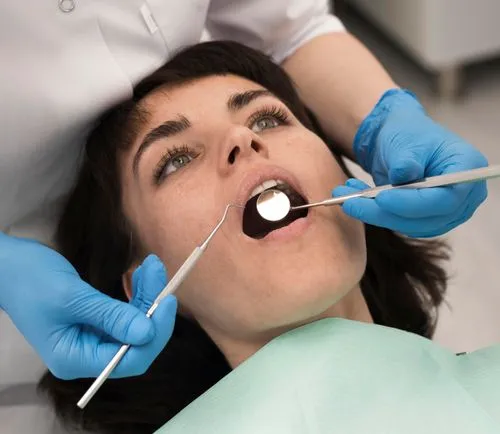
During a cleaning, especially a deep cleaning known as scaling and root planing, your hygienist uses special tools to clear away buildup from below the gumline. This process smooths out the tooth roots, making it harder for new plaque to stick. By removing the source of the irritation, your gums finally get the chance to heal and reattach to your teeth. If you're seeing signs of gingivitis, the best first step is to book an appointment for a professional cleaning.
The Power of Good Oral Hygiene
Your daily habits are your best defense against gingivitis. While a professional cleaning gets you back to a healthy starting point, what you do every day determines whether your gums stay healthy. Consistent, effective oral hygiene prevents the plaque buildup that leads to inflammation in the first place. It’s a team effort between you and your dental team.
Good daily habits include brushing your teeth for two minutes, twice a day, and flossing at least once daily to clean between your teeth and under the gumline. It also helps to limit sugary foods and drinks that feed plaque-causing bacteria. Our practice philosophy is built on empowering our patients with the knowledge to maintain their oral health between visits, creating a foundation for a lifetime of healthy smiles.
When Antibiotics Join the Treatment Plan
While not the first choice, antibiotics play an important role in specific situations. We typically prescribe them when a gum infection is severe, has spread, or isn't improving with professional cleaning and home care alone. This is more common with advanced gum disease (periodontitis) or if a painful abscess has formed.
In these cases, antibiotics work alongside a deep cleaning, not in place of it. The medication helps reduce the number of harmful bacteria in your mouth, which can control the infection and support your body's healing process. Think of it as giving your gums an extra hand while the primary treatment, the cleaning, does the heavy lifting. Our team offers various dental specialties, including periodontics, to manage these more complex cases and get your gum health back on track.
Common Antibiotics Prescribed for Gingivitis
If your dentist determines that your gingivitis requires antibiotics, they won't just hand you a generic prescription. The goal is to target the specific bacteria causing the problem while keeping your overall health in mind. Think of it as a strategic move in our fight against gum disease. Your dentist will consider the severity of your infection and your medical history to choose the most effective medication for you. This is a key part of the specialized dental care we provide.
The decision to prescribe an antibiotic is made carefully, as it’s a supplement to, not a replacement for, professional cleaning and at-home care. When they are used, it’s typically for more aggressive infections or for individuals with certain health conditions that make them more susceptible to complications. Let's look at some of the antibiotics that are commonly used to help get gum infections under control. Each one has a specific job, and your dentist is the expert at deciding which one is right for the task.
Metronidazole
Metronidazole is a go-to antibiotic for targeting very specific culprits in gum disease. It’s particularly effective against what are known as anaerobic bacteria. In simple terms, these are germs that don't need oxygen to survive and love to hide out in the deep pockets between your teeth and gums. When gingivitis gets more serious, these are the types of bacteria that tend to cause the most trouble. Because it’s so targeted, metronidazole is a powerful tool when your dentist identifies this specific kind of bacterial infection. It’s a great example of why a proper diagnosis is so important before starting any medication.
Amoxicillin
You’ve likely heard of amoxicillin, as it’s one of the most commonly prescribed antibiotics for a variety of bacterial infections. It’s part of the penicillin family and works as a broad-spectrum antibiotic. This means it’s effective against a wide range of bacteria, not just one specific type. For gingivitis, it can be a great choice when the infection is caused by several different kinds of bacteria. Its long-standing track record for safety and effectiveness makes it a reliable option that many dentists trust to help stop a gum infection from getting worse, allowing your gums the chance to heal after a professional cleaning.
Doxycycline
Doxycycline is a fascinating antibiotic because it pulls double duty when it comes to fighting gum disease. First, it works like a traditional antibiotic by stopping bacteria from multiplying. But it also has a unique secondary benefit: it can help reduce the body's inflammatory response. In low doses, doxycycline can actually inhibit certain enzymes that break down gum tissue. This means it not only fights the infection but also helps protect your gums from further damage and reduces inflammation. This dual-action approach makes it an especially useful tool in managing more advanced stages of gum disease.
Clindamycin
What happens if you have a gum infection but are allergic to penicillin, the family of drugs that includes amoxicillin? That’s where clindamycin comes in. It’s an excellent alternative for patients who can't take penicillin-based antibiotics. Clindamycin is effective against many of the anaerobic bacteria that are responsible for more serious gum infections. Your dentist will always review your full medical history, including any allergies, before writing a prescription. Having effective options like clindamycin ensures that everyone can receive the antibiotic treatment they need to support their gum health safely.
Why Antibiotics Alone Aren't a Cure
It’s tempting to think of antibiotics as a magic bullet for infections, but when it comes to gingivitis, they are only one part of a much bigger picture. A prescription might help manage severe symptoms, but it won't solve the underlying problem. True healing from gum disease requires removing the source of the infection, which is something a pill simply can't do.
Think of it like this: if a leaky pipe is causing water damage, you wouldn't just keep mopping the floor. You'd call a plumber to fix the pipe. For gingivitis, the "leaky pipe" is the plaque and tartar buildup along your gumline. Antibiotics can help clean up the mess, but only a professional cleaning can fix the source and prevent the problem from coming right back.
The Importance of Removing Plaque and Tartar
Antibiotics are designed to kill bacteria, and they do that job well. However, they can't physically break down or remove the hardened plaque (tartar) that has built up on your teeth. This tartar is the primary cause of gingivitis, as it creates a rough, sticky surface where harmful bacteria thrive and irritate your gums.
Unless this buildup is professionally removed, the bacteria will quickly return, and the cycle of inflammation will start all over again. That’s why our first step is always a thorough cleaning. We need to get rid of the tartar to give your gums a clean slate to heal. Relying only on medication without removing the source is a short-term fix for a long-term problem.
How Scaling and Root Planing Support Antibiotic Treatment
When gingivitis becomes more advanced, we may recommend a deep cleaning procedure called scaling and root planing. This is a key part of our specialized dental care and is much more thorough than a standard cleaning. During scaling, we carefully remove all the plaque and tartar from above and below the gumline. Then, during root planing, we smooth out the tooth roots to help your gums reattach firmly.
This procedure physically removes the bacterial colonies that antibiotics can't reach. When paired with antibiotics, it’s a powerful combination. The deep cleaning eliminates the source of the infection, while the medication helps control any lingering bacteria, creating the ideal environment for your gums to heal completely.
The Risks of Using Antibiotics Without a Cleaning
Relying on antibiotics without a professional cleaning isn't just ineffective; it can also be risky. First, the infection will almost certainly return once you finish the medication because the tartar causing it is still there. But more importantly, the overuse of antibiotics can lead to antibiotic resistance.
This means that the bacteria can become stronger and learn to survive the medications designed to kill them. This makes future infections much harder to treat. For these reasons, we use antibiotics carefully and only when necessary. The most effective and safest path to healthy gums starts with a professional evaluation and cleaning, so we encourage you to book an appointment to get the right treatment plan for you.
Understanding the Risks of Antibiotic Treatment
Antibiotics are powerful tools in our medical toolkit, but they aren't a magic wand, especially for gum issues. Like any medication, they come with potential downsides. That’s why your dentist carefully weighs the pros and cons before writing a prescription. Understanding these risks helps you become a more informed partner in your own dental care. The main concerns are side effects that can make you feel unwell and the long-term problem of antibiotic resistance. It’s all about using the right treatment at the right time to get your gums healthy without creating new problems down the road.
Common Side Effects to Expect
Even when they’re working perfectly, antibiotics can throw your body for a loop. One of the most common complaints is an upset stomach, which can include anything from nausea to diarrhea. Because antibiotics target bacteria, they can sometimes disrupt the good bacteria in your gut. They can also cause other issues, like yeast infections. It’s also possible to have an allergic reaction, which could be a mild rash or something more serious. This is why it’s so important to discuss your full medical history with your dentist, including any other medicines you’re taking, as antibiotics can sometimes interact with them. Our goal is always to provide comprehensive dental care that keeps your whole body’s health in mind.
The Problem with Antibiotic Resistance
You’ve probably heard about antibiotic resistance, and it’s a serious concern in all fields of medicine, including dentistry. In simple terms, using antibiotics too often or when they aren't truly needed can teach bacteria how to survive the medication. This creates "superbugs" that are much harder to treat. If the bacteria causing your gum infection become resistant, the antibiotics won't work as well now or in the future when you might have a more serious infection. To protect you and the community, we are committed to a careful and responsible approach. We prescribe antibiotics only when they are absolutely necessary and for the shortest effective time to protect their power for when it’s needed most.
When to Call Your Dentist About Side Effects
While on antibiotics, pay close attention to how you feel. If your gum symptoms get worse, it’s time to call us. Don't wait if you notice increased swelling, persistent pain, pus, or bleeding gums that won't stop. These are signs that the infection may not be responding to the medication. You should also reach out if you experience severe side effects from the antibiotic itself, like a significant rash, trouble breathing, or intense stomach pain. Your health and comfort are our top priorities. If you have any concerns at all while on a prescription, please contact one of our Northern Virginia locations right away. It's always better to be safe and ask.
Other Effective Gingivitis Treatments
While antibiotics can be a powerful tool, they are rarely the only part of a successful treatment plan for gingivitis. Your dentist has several other effective methods to help get your gum health back on track. These treatments work to remove the bacterial plaque that causes the inflammation in the first place, and they can be used alone or in combination to achieve the best results.
Think of it like this: antibiotics can help manage the infection, but these other treatments address the root cause. From specialized rinses you can use at home to advanced in-office procedures, the goal is always to create a clean and healthy environment where your gums can heal. Let's walk through some of the most common and effective options your dentist might recommend.
Antimicrobial Mouth Rinses
If you're struggling to control plaque with brushing and flossing alone, your dentist might suggest an antimicrobial mouth rinse. These aren't your average drugstore mouthwashes. Prescription-strength rinses, often containing chlorhexidine, are designed to kill the specific bacteria that cause gingivitis. They can be a great addition to your daily routine, especially for hard-to-reach areas. Studies even suggest that using a special mouth rinse after brushing can be more effective than just brushing and flossing on their own. It’s a simple step that can make a big difference in reducing inflammation and helping your gums heal.
Laser Therapy for Advanced Cases
For more stubborn or advanced cases of gum disease, we may turn to more modern solutions like laser therapy. This treatment is often part of a comprehensive approach sometimes called Full Mouth Disinfection. The process involves a deep, thorough cleaning of your entire mouth, including scaling and root planing to remove plaque and tartar from below the gumline. The laser helps to remove inflamed tissue and kill bacteria in the gum pockets. This method is precise and can help kickstart the healing process in a way that traditional tools alone might not, especially in aggressive cases of periodontitis.
Combining Treatments for the Best Results
The most effective approach to treating gingivitis is rarely a single solution. Instead, we find the best results come from combining treatments. For example, a professional cleaning removes the tartar buildup, while an antimicrobial rinse helps you maintain that cleanliness at home. If an infection is severe, antibiotics might be prescribed to reduce harmful bacteria and support healing, but they work best when paired with a deep cleaning. This combination strategy ensures we are fighting the infection from all angles, giving your gums the best possible chance to recover and stay healthy for the long haul.
How to Prevent Gingivitis and Avoid Antibiotics
The best way to handle gingivitis is to stop it from starting in the first place. While antibiotics have their place in treating severe gum infections, they are far from a first-line defense. Prevention is your most powerful tool, and it’s built on a foundation of consistent daily habits and regular professional care. By taking a proactive approach to your oral health, you can keep your gums healthy and strong, making the conversation about antibiotics a non-issue.
Taking control of your gum health doesn't require a complete life overhaul. It’s about incorporating small, impactful habits into your daily routine. These simple steps disrupt the plaque buildup that leads to gingivitis, protecting your smile for the long run. Think of it as your personal defense plan against gum disease, one that puts you in the driver's seat. Let’s walk through the three key pillars of gingivitis prevention.
Daily Habits to Protect Your Gums
Your daily oral hygiene routine is your first and best line of defense. Brushing your teeth with a fluoride toothpaste twice a day and flossing at least once daily are non-negotiable for removing food particles and plaque. Many people find that an electric toothbrush is more effective at cleaning along the gumline than a manual one.
The goal is to be thorough but gentle. Aggressive brushing can irritate your gums, so use a soft-bristled brush and focus on massaging your gums as you clean. When you floss, curve the floss around each tooth to get just below the gumline where plaque loves to hide. These simple actions, when done consistently, are incredibly effective at keeping your gums healthy and preventing the need for more intensive dental services.
The Link Between Diet, Lifestyle, and Gum Health
What you do throughout the day matters just as much as your morning and evening brushing routine. Your lifestyle choices have a direct impact on your gum health. For instance, using tobacco products can significantly increase your risk of gum disease and make treatment less effective. Similarly, a diet high in sugar and carbohydrates feeds the bacteria that produce plaque.
Making mindful choices can make a big difference. Try to limit sugary snacks and drinks, and opt for water instead. Eating a balanced diet rich in vitamins and minerals supports your body's ability to fight off infection. Combining these healthy habits with regular dental check-ups is a proven formula to prevent gum infections and maintain a healthy smile for life.
Why Regular Check-Ups Are Your Best Defense
Even the most diligent brusher and flosser can’t remove everything. Over time, plaque hardens into tartar, a stubborn substance that can only be removed with professional tools. That’s why regular dental check-ups are essential. During these visits, your hygienist will perform a thorough cleaning, and your dentist will check for any early signs of trouble.
If your gums continue to bleed or feel sore despite a consistent home-care routine, it’s a clear sign you need to see your dentist. Catching gingivitis early allows for simple, effective treatment. If your condition is more advanced, we might recommend seeing a specialist. Our team includes periodontists who are experts in gum health. Don't wait for the problem to get worse; book an appointment at one of our Northern Virginia locations to stay ahead of gum disease.
Take Control of Your Gum Health in Northern Virginia
Your gum health is a huge part of your overall well-being, and you have the power to protect it. If you’ve noticed any signs of gingivitis, like red, swollen, or bleeding gums, the best thing you can do is take action. Addressing these issues early is the most effective way to prevent them from turning into more serious problems that could require more complex treatments. Waiting only gives the infection more time to progress.
Here in Northern Virginia, our team at Smile Makers Dental Center is ready to help you get your gum health back on track. We focus on creating a personalized treatment plan that starts with the most important step: a thorough professional cleaning. Our dental services are designed to remove the plaque and tartar that cause gingivitis, giving your gums a fresh start. For more advanced concerns, we also provide specialized care in periodontics to manage every stage of gum disease.
We believe quality dental care should be accessible. With six convenient locations throughout the area, including Leesburg, Fairfax, and Woodbridge, getting expert care is simple. Don’t let uncertainty about your gums cause you stress. Let’s figure out a plan together. Book an appointment at one of our Northern Virginia offices today and take the first step toward a healthier smile.
Related Articles
- Your Guide to Gum Disease Treatment Options
- Periodontics Tysons VA | Gum Disease Treatment & Care
- Periodontics Woodbridge VA | Gum Disease Treatment & Care
Frequently Asked Questions
Why can't I just take antibiotics for my bleeding gums? It's a common thought, but antibiotics aren't a cure for gingivitis because they don't address the root cause. Gingivitis is caused by a physical buildup of plaque and tartar on your teeth, which irritates your gums. A pill can't scrub that buildup away. The first and most important step is always a professional cleaning to physically remove the source of the irritation, giving your gums a clean slate to heal.
How can I tell if my symptoms are just mild irritation or actual gingivitis? Healthy gums shouldn't bleed when you brush or floss, so any bleeding is a sign to pay attention. The key indicators of gingivitis are gums that look red and puffy instead of pink and firm, feel tender, or bleed easily. Persistent bad breath can also be a symptom. If you notice any of these signs consistently, it's no longer just minor irritation; it's your body telling you it's time for a dental check-up.
If I start brushing and flossing better, will gingivitis go away without a dental visit? Improving your home care is a crucial step, but it often can't reverse gingivitis on its own. Once plaque has hardened into tartar, you can't remove it with a toothbrush or floss. Only a professional cleaning can get rid of tartar buildup. Think of it as a team effort: we handle the deep cleaning to get you back to a healthy baseline, and your excellent daily habits at home keep you there.
What exactly is a "deep cleaning," and why would I need one? A deep cleaning, which we call scaling and root planing, is a procedure for when gingivitis has progressed and there's buildup below your gumline. Unlike a regular cleaning that focuses on the tooth surfaces you can see, a deep cleaning goes further. We carefully remove tartar from the tooth roots and then smooth them out. This helps your gums reattach to your teeth and makes it harder for bacteria to hide in the future.
Are there any risks to taking antibiotics for a gum infection? Yes, and that's why we use them so carefully. Antibiotics can cause side effects like an upset stomach and can disrupt the good bacteria in your body. A more significant concern is antibiotic resistance, where bacteria learn to survive the drugs meant to kill them. This makes future infections much harder to treat. We only prescribe antibiotics when the benefits clearly outweigh these risks, usually for severe infections that aren't resolved by cleaning alone.