

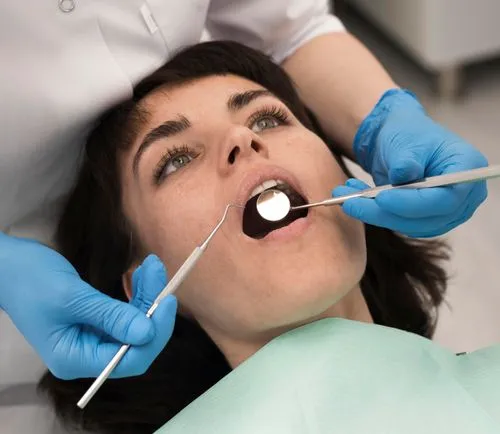
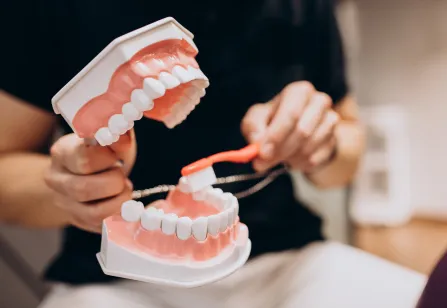
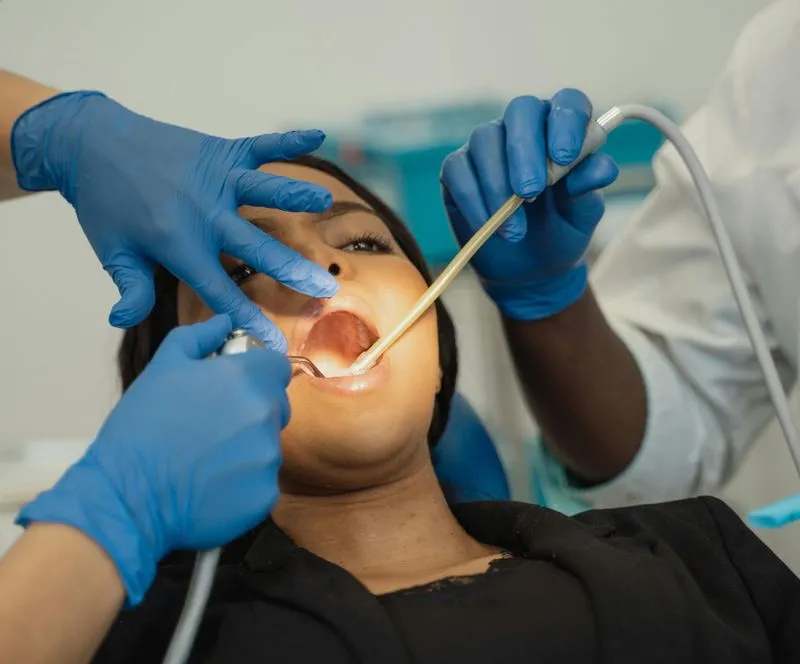
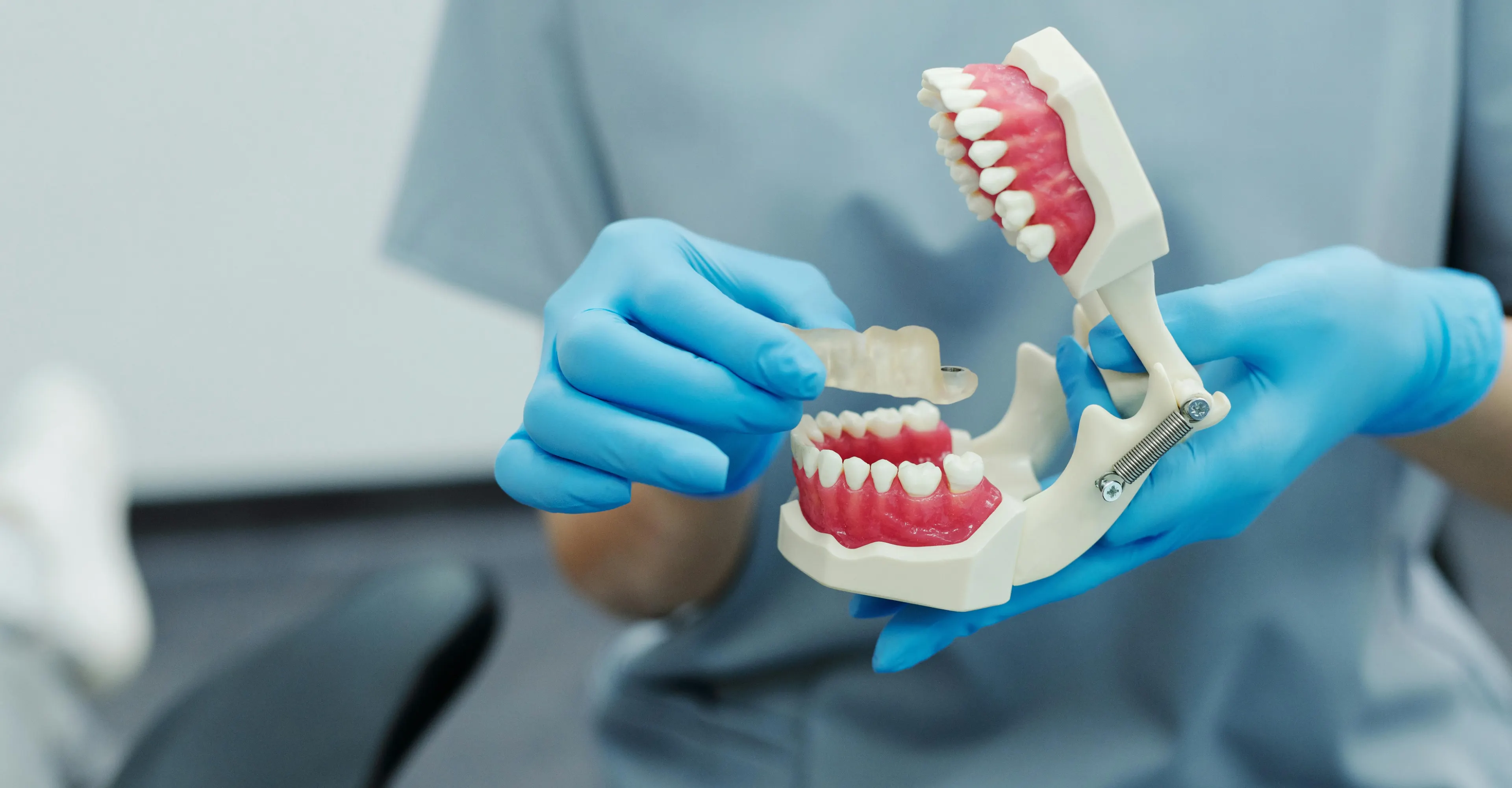



A gum disease diagnosis can feel overwhelming, but it’s important to see it as a starting point, not a final verdict. Your oral health is something you can take control of, and modern dentistry provides a clear path back to healthy gums. The key is understanding your condition and the solutions available to you. Whether you're dealing with the early signs of gingivitis or more advanced periodontitis, there is a plan that can work for you. We'll explore the full spectrum of gum disease treatment options, helping you understand what to expect so you can feel confident and empowered in your conversations with our dental team about your care.
Key Takeaways
- Early detection is your best defense: Pay attention to the first signs of trouble, like red or bleeding gums. Addressing gum disease in its early stage (gingivitis) is far simpler and can prevent the need for more complex treatments later on.
- Treatment is tailored to the stage of the disease: Your care plan will match your specific needs. Early-stage gum disease is often managed with non-surgical deep cleanings, while advanced cases may require surgical procedures to repair damage and restore health.
- Prevention is a daily commitment: After treatment, keeping your gums healthy is in your hands. A consistent routine of brushing, flossing, and attending regular professional cleanings is the most effective way to prevent gum disease from returning.
What Is Gum Disease and How Does It Progress?
Gum disease, also known as periodontal disease, is an infection that damages the soft tissue and bone supporting your teeth. It’s primarily caused by plaque, a sticky film of bacteria that constantly forms on your teeth. When plaque isn't removed through good oral hygiene, it can harden and cause inflammation. If left untreated, gum disease can lead to discomfort, receding gums, and even tooth loss. Understanding how it develops is the first step toward preventing and treating it effectively.
Gingivitis vs. Periodontitis: What's the Difference?
Think of gingivitis as the early, warning stage of gum disease. At this point, the gums become red, swollen, and may bleed a little when you brush. The good news is that gingivitis is completely reversible with professional cleanings and better at-home care because it hasn't started to affect the underlying bone.
If gingivitis isn't addressed, it can advance to periodontitis. This is a more serious condition where the infection spreads below the gum line, causing the gums to pull away from the teeth. This creates small pockets where more bacteria can hide. As periodontitis progresses, it destroys the bone and tissues that hold your teeth in place. Our specialized periodontics care is designed to manage this advanced stage of periodontal disease.
A Stage-by-Stage Look at Gum Disease
Gum disease doesn't happen overnight. It progresses through several distinct stages, each with its own set of signs. Knowing what to look for can help you seek treatment before things get worse.
- Gingivitis: This is the initial stage. You might notice red, puffy gums or a bit of blood on your toothbrush. There is no permanent damage to the bone at this point.
- Mild Periodontitis: The infection has now reached the bone. Your gums will start to pull away from your teeth, forming pockets.
- Moderate Periodontitis: The pockets deepen, and you may experience more significant bone loss. Your teeth might start to feel a little loose, and you could notice persistent bad breath or pus around the gum line.
- Advanced Periodontitis: In the final stage, the bone and fibers supporting your teeth are severely damaged. This can cause teeth to shift or become very loose, often requiring removal.
Catching and treating gum disease early is key, and our team offers a full range of dental services to help restore your oral health. Preventing gum disease starts with regular checkups — a core part of Smile Makers family dentistry services.
What Are the Warning Signs of Gum Disease?
Gum disease can be surprisingly quiet in its early stages, which is why knowing what to look for is so important. Many people dismiss the first signs as normal, but catching them early can make all the difference. As gum disease progresses, the symptoms become more obvious and more serious, shifting from a reversible condition to one that can cause permanent damage to your teeth and jawbone. Paying attention to your gums is just as crucial as caring for your teeth. Let's walk through the signs, from the subtle early warnings to the more urgent red flags that signal you need to see a dentist.
Early Symptoms You Shouldn't Ignore
The first stage of gum disease is called gingivitis, and its signs are often mild. You might notice that your gums look a little reddish or puffy. The most common giveaway is seeing a bit of pink in the sink when you brush or floss your teeth. While a little bleeding might not seem like a big deal, it's your body's way of telling you something is wrong. Other early clues include persistent bad breath that doesn't go away with brushing or a constant unpleasant taste in your mouth. The good news? Gingivitis is completely reversible with professional dental cleanings and a solid at-home oral hygiene routine.
Advanced Symptoms That Need Urgent Care
If gingivitis isn't addressed, it can advance to periodontitis, a more serious form of gum disease. Early treatment is key to stopping gum disease in its tracks — book your appointment at Smile Makers now. At this stage, your gums may start to pull away from your teeth, creating small pockets where harmful bacteria can hide and thrive. You might notice your teeth looking longer than usual, which is a sign of gum recession. Other serious symptoms include pain when you chew, pus between your teeth and gums, and teeth that feel loose. This happens because the infection is starting to damage the bone that supports your teeth. If you're experiencing any of these signs, it's time to book an appointment right away for a professional evaluation.
Your Non-Surgical Treatment Options
If you’ve been diagnosed with gum disease, the good news is that there are highly effective non-surgical treatments available. These methods are the first line of defense, especially in the early stages. The primary goal is to control the infection, stop the disease from progressing, and get your gums back to good health without the need for more invasive procedures. Your dentist will recommend the best approach based on your specific situation, but it often starts with a thorough cleaning and a plan to manage bacteria below the gumline. These treatments are straightforward and can make a significant difference in your oral health.
Professional Dental Cleanings
You’re likely familiar with professional dental cleanings as part of your routine check-ups, but they are also the primary treatment for gingivitis. During a cleaning, your hygienist removes plaque and tartar (hardened plaque) from the surface of your teeth, which you can’t remove with regular brushing and flossing at home. Getting rid of this buildup is essential for reversing gingivitis and preventing it from advancing into a more serious condition. Regular dental cleanings are a cornerstone of maintaining healthy gums and a critical step in any gum disease treatment plan. We offer comprehensive cleanings as part of our general dental services to keep your smile bright and healthy.
Scaling and Root Planing (Deep Cleaning)
When gum disease progresses beyond gingivitis, a standard cleaning isn’t enough. That’s where scaling and root planing, often called a deep cleaning, comes in. This two-part procedure goes beneath the gumline to treat the problem at its source. First, scaling involves carefully removing all the plaque and tartar from your teeth and from the pockets that have formed between your gums and teeth. Next, root planing smooths the tooth roots, which helps your gums reattach to your teeth and prevents bacteria from accumulating in the future. This is one of the most common and effective ways to treat periodontitis and stop it in its tracks.
Antibiotics and Antimicrobial Rinses
Because gum disease is a bacterial infection, your dentist may recommend antibiotics to help get it under control. These medications can be used in a few different ways. You might be prescribed oral antibiotics to fight the infection systemically. Alternatively, your dentist might apply a topical antibiotic gel directly into the gum pockets after a deep cleaning. There are even tiny antibiotic chips that can be placed in the pockets to release medication slowly over time. An antimicrobial mouth rinse may also be recommended to help reduce bacteria in your mouth as part of your daily home care routine. These antibiotic treatments are often used alongside procedures like scaling and root planing for the best results.
Laser Gum Therapy
For a modern and minimally invasive approach, laser gum therapy is an excellent option. This procedure uses a specialized dental laser to remove inflamed, diseased gum tissue from around the tooth's root. The laser energy also kills the bacteria causing the infection and helps seal the gum pocket, which encourages healing and reattachment of the gums to the teeth. One of the biggest advantages of laser therapy is that it’s incredibly precise and involves no cutting or stitches. This means less discomfort, minimal bleeding, and a much faster recovery compared to traditional surgical methods. If you're interested in this or other specialized treatments, you can explore our periodontic services. Periodontal treatment is available at Smile Makers Fairfax and all of our Northern Virginia locations.
When Is Surgical Treatment Necessary?
When gum disease progresses to its advanced stages, non-surgical treatments like deep cleanings may not be enough to fully restore your oral health. If the pockets between your gums and teeth are too deep, or if you’ve experienced significant bone or tissue loss, your dentist might recommend a surgical approach. While the word "surgery" can sound intimidating, these procedures are highly effective and specifically designed to repair the damage caused by periodontitis.
The main goals of surgical treatment are to remove bacteria from deep under the gums, reduce pocket depth to make cleaning easier, reshape the bone that supports your teeth, and regenerate lost bone and tissue. These interventions are crucial for stopping the progression of the disease, preventing tooth loss, and creating a healthy environment that you can maintain at home. Our team of dental specialists, including periodontists, has extensive experience with these treatments. We will walk you through every step, ensuring you feel comfortable and informed about the best path forward for your health.
Flap Surgery (Pocket Reduction)
If deep pockets have formed around your teeth, they can become breeding grounds for harmful bacteria that are impossible to reach with a toothbrush or floss. Flap surgery, also known as pocket reduction, directly addresses this problem. During this procedure, your periodontist makes small incisions in the gum tissue to gently lift it back, creating a "flap." This provides direct access to the tooth roots and bone, allowing for a thorough cleaning to remove all tartar and bacteria buildup. After the area is clean, the gum tissue is stitched back into place, fitting more snugly around the tooth. This reduces the pocket depth, making it much easier for you and your dental team to keep the area clean and prevent reinfection.
Bone Grafting
Advanced periodontitis can destroy the bone that holds your teeth in place, leading to looseness and eventual tooth loss. Bone grafting is a surgical procedure designed to rebuild this essential foundation. If you’ve lost bone due to gum disease, your specialist may place grafting material (which can come from your own body, a donor, or a synthetic source) in the damaged area. This material acts as a scaffold, encouraging your body to regenerate its own bone over time. Bone grafting not only helps secure your existing teeth but is also a common step in preparing for dental implants, ensuring there is enough strong bone to support them.
Soft Tissue Grafts
Gum recession is a common side effect of periodontitis, leaving the roots of your teeth exposed. This can cause sensitivity, increase your risk of decay, and affect the appearance of your smile. A soft tissue graft is a procedure used to cover these exposed roots and restore a healthy gum line. To do this, your periodontist will take a small piece of tissue, often from the roof of your mouth or a donor source, and attach it to the area where the gums have receded. This not only protects the vulnerable roots from damage but also improves the aesthetics of your smile and helps prevent further recession and bone loss.
Guided Tissue Regeneration
When the bone supporting your teeth has been destroyed, guided tissue regeneration can help your body regrow it. This procedure is often performed at the same time as flap surgery. After the area has been thoroughly cleaned, your periodontist will place a special biocompatible membrane between the bone and the gum tissue. This tiny barrier prevents the faster-growing gum tissue from filling the space where bone should be, giving the bone and connective tissue time and space to regenerate. This advanced technique helps restore the structures that support your teeth, giving them a stronger, healthier foundation for the long term.
How Treatment Varies by Stage
The right treatment for gum disease depends entirely on how far it has progressed. The approach for early gum inflammation is very different from the one needed for advanced disease that affects the bone supporting your teeth. Understanding the stage you're in is the first step toward getting your gums back to good health. Let's look at the typical treatment paths for both early and advanced stages.
Treating Early-Stage Gingivitis
Gingivitis is the first stop on the gum disease train, and the good news is, it's completely reversible. At this stage, you might notice your gums are red, a bit puffy, or bleed when you brush. The main goal of treatment is to get rid of the plaque and tartar buildup causing the inflammation and to establish a solid oral hygiene routine at home. This usually involves a professional dental cleaning and possibly a deep cleaning procedure called scaling and root planing. Your dentist will remove tartar from above and below the gumline, giving your gums a clean slate to heal and reattach to your teeth.
Managing Advanced Periodontitis
When gum disease progresses to periodontitis, it means the infection has started to damage the bone and tissues that hold your teeth in place. At this point, a standard cleaning won't be enough. Treatment for advanced periodontitis often requires a more hands-on approach to stop the damage and save your teeth. Depending on the severity, your dentist might recommend surgical procedures. These can include flap surgery to clean the tooth roots thoroughly, bone grafts to rebuild lost bone, or soft tissue grafts to cover exposed roots. These specialized periodontic treatments are designed to restore your oral health and prevent further complications, like tooth loss.
What to Expect During Recovery
After your gum disease treatment, the focus shifts to healing. The goal is to help reduce the infection in your mouth and allow the gum tissues to recover and reattach to your teeth. Your recovery path will look a little different depending on whether you had a non-surgical procedure, like a deep cleaning, or a more involved surgical treatment.
Regardless of the specific procedure, your role in the healing process is key. Following your aftercare instructions carefully will help you get the best results and feel comfortable more quickly. Let’s walk through what you can expect in the days and weeks following your treatment.
Your Healing Timeline and Aftercare
Your main job after treatment is to maintain excellent oral hygiene to support your body’s natural healing process. This means being gentle but thorough. You’ll need to continue brushing twice a day and flossing daily, though you may need to adjust your technique slightly around the treated areas to avoid irritation. Your dentist might also recommend an antibacterial mouthwash to help control bacteria while your gums heal.
For your treatment to be successful long-term, it’s important to stick with these habits. Think of it as protecting your investment in your health. Our periodontics team is always here to show you the best techniques for cleaning sensitive areas and to answer any questions you have about your at-home care routine.
Managing Discomfort and Follow-Up Visits
It’s normal to experience some mild discomfort, swelling, or sensitivity after gum disease treatment, especially following a surgical procedure. We want you to be as comfortable as possible, so we may suggest over-the-counter pain relievers to manage any soreness. If needed, we can also provide a prescription.
Follow-up visits are a crucial part of your recovery. These appointments allow us to check on your healing, make sure the infection is gone, and assess the health of your gums. It’s also the perfect time to discuss any concerns you might have. To get the best outcome, it’s also important to manage any other health conditions and stop using tobacco. Ready for your check-in? You can book an appointment at any of our convenient locations. Northern Virginia patients can receive gum disease treatment at Smile Makers Bailey's Crossroads and all our locations.
How to Prevent Gum Disease from Coming Back
After completing your gum disease treatment, the next step is keeping your gums healthy for good. Think of it as a fresh start for your oral health. Preventing gum disease from returning requires a partnership between you and your dental team, and the good news is that you have a lot of control over the outcome. It all comes down to building consistent habits that protect your gums from plaque and bacteria.
By focusing on your daily routine, staying on top of professional cleanings, and making smart lifestyle choices, you can maintain the results of your treatment and enjoy a healthy smile for years to come. Our team at Smile Makers Dental Center is here to support you with personalized advice and professional care every step of the way. We offer a full range of dental services to help you and your family maintain excellent oral health.
Perfecting Your Daily Oral Hygiene
Your daily habits are your first line of defense against gum disease. According to the National Institute of Dental and Craniofacial Research, "Daily brushing with fluoride toothpaste and flossing are essential practices to stop the progress of early-stage (gingivitis) infection." These simple actions remove the plaque and food debris that fuel gum disease. For best results, brush for two minutes, twice a day, using a soft-bristled toothbrush. Make sure to clean all surfaces of your teeth, and don't forget to floss at least once a day to clean the tight spaces between your teeth and under the gumline where your brush can't reach. Consistency is key to preventing plaque from hardening into tartar.
The Importance of Regular Dental Cleanings
Even with the most diligent brushing and flossing, you can’t remove everything on your own. Plaque that isn’t removed can harden into tartar, a stubborn deposit that can only be eliminated by a dental professional. As experts note, "Frequent, specialized cleanings by a dental professional are crucial in preventing the recurrence of gum disease." These appointments allow your hygienist to remove any tartar buildup and polish your teeth, leaving a smooth surface that’s harder for plaque to stick to. We’ll work with you to determine the right cleaning schedule to keep your gums healthy. Don't wait for a problem to arise; book your next appointment to stay ahead of gum disease.
Lifestyle Habits for Healthy Gums
Your overall health has a direct impact on your gums. Certain lifestyle habits can make you more susceptible to gum disease, and addressing them is a critical part of prevention. As the Mayo Clinic points out, "Quitting smoking and maintaining a healthy lifestyle can significantly reduce the risk of developing gum disease." Smoking weakens your immune system, making it harder for your body to fight off gum infections. Similarly, managing health conditions like diabetes is important for your gum health. A balanced diet, regular exercise, and managing stress also contribute to a healthier body and a healthier mouth. Making these positive changes supports your oral health from the inside out.
Finding the Right Treatment Plan for You
When it comes to treating gum disease, your path to healthier gums will be unique to you. There isn't a one-size-fits-all solution because the right treatment plan depends entirely on how far the disease has progressed. The main goal is always the same: to thoroughly clean the deep pockets around your teeth and stop damage to your gums and bone before it gets worse.
For milder cases of gingivitis or early periodontal disease, we can often get things under control with nonsurgical treatments. These include professional cleanings and a procedure called scaling and root planing, which is a deep cleaning that removes tartar and bacteria from below the gumline, helping your gums reattach to your teeth.
If the disease is more advanced, surgical options might be necessary to restore your oral health. These can sound intimidating, but they are highly effective procedures designed to save your teeth and regenerate lost tissue. Options for periodontitis treatment can include flap surgery to clean the roots more effectively or grafts to help rebuild lost bone and gum tissue.
The first step is always a comprehensive exam. Our team will assess the health of your gums and create a personalized plan that makes sense for your specific needs. We’ll walk you through every option so you feel confident and in control of your care. If you’re concerned about your gums, the best thing you can do is book an appointment for a professional evaluation. Once gum disease is treated, you may be a candidate to restore your smile after gum disease with our cosmetic services.
Related Articles
- Gum Disease Laser Therapy - Non-Surgical Periodontal Care
- Gum Grafting for Receding Gums – Restore Your Smile
Frequently Asked Questions
Can gum disease be completely cured? That really depends on the stage. The earliest stage, gingivitis, is completely reversible with professional cleanings and consistent at-home care. Once it progresses to periodontitis, the damage to the bone and supporting tissues is not reversible. However, periodontitis can be successfully managed with treatment to stop its progression, prevent tooth loss, and maintain a healthy mouth for the long term.
Will my gum disease treatment be painful? We prioritize your comfort every step of the way. For procedures like scaling and root planing, the area is numbed so you won't feel any pain during the treatment. You might experience some mild soreness or sensitivity afterward, but this is usually manageable with over-the-counter pain relievers and typically subsides within a few days. We'll make sure you know exactly what to expect and how to stay comfortable.
Why can't I just brush and floss more to treat gum disease myself? Excellent brushing and flossing are your best tools for preventing gum disease, but they can't treat an existing infection on their own. Once plaque hardens into tartar, it can only be removed with special instruments by a dental professional. Tartar below the gumline creates pockets where bacteria thrive, and no amount of brushing can reach them. Professional treatment is necessary to remove this buildup and give your gums a chance to heal properly.
How do I know if I need a deep cleaning or surgery? The only way to know for sure is through a professional dental exam. We'll measure the depth of the pockets between your gums and teeth and take x-rays to check for bone loss. Generally, a deep cleaning (scaling and root planing) is the first line of defense for early periodontitis. If the pockets are very deep or there's significant bone damage, we might discuss surgical options to give you the best possible outcome.
After treatment, what's the most important thing I can do to keep my gums healthy? Consistency is everything. The most critical step is maintaining your follow-up appointments for professional cleanings. These visits, often called periodontal maintenance, are scheduled more frequently than regular cleanings and are essential for preventing the disease from returning. Combining this professional care with a diligent daily routine of brushing and flossing gives you the best defense against future problems.