



A dental crown is meant to be a durable, long-term fix, acting as a protective helmet for a compromised tooth. So how do you end up in a situation where the crown fell out no tooth left underneath it? This typically happens when the underlying tooth structure, the very foundation the crown was bonded to, has failed due to extensive decay or a fracture. The crown itself was likely doing its job, but its support system crumbled. Understanding the cause is helpful, but your next steps are critical. This article will guide you through the immediate actions you must take and the professional treatments we use to rebuild and restore your smile’s function and appearance.
Key Takeaways
- Prioritize Professional Care Immediately: Your first move should be calling your dentist to prevent infection and further damage. While you wait for your appointment, save the crown if you can, rinse gently with salt water, and never attempt to reattach it yourself.
- Understand the Underlying Issue: A lost crown is often a symptom of a deeper problem, such as hidden decay, a poor fit, or simple wear. Your dentist's assessment is crucial for determining the right fix, which could range from re-cementing the old crown to needing a new restoration like an implant or bridge.
- Maintain Your New Restoration with Diligent Care: To ensure your new crown, bridge, or implant lasts, commit to excellent oral hygiene. This includes consistent brushing and flossing, attending all scheduled check-ups, and being mindful of hard or sticky foods that can cause damage.
Why Did My Crown Fall Out?
That sinking feeling when you realize your dental crown has fallen out is unsettling, to say the least. One moment everything is fine, and the next, you’re holding a piece of your tooth in your hand. It’s a jarring experience, but take a deep breath. It happens more often than you might think, and there are usually very clear reasons for it. Understanding why your crown came loose is the first step toward getting it fixed and preventing it from happening again.
A dental crown is designed to be a long-lasting solution, but it’s not invincible. Several factors can compromise its stability over time, from hidden issues with the tooth underneath to simple wear and tear from daily life. Think of it like this: the crown is only as secure as its foundation. If the underlying tooth or the cement that bonds them together becomes weak, the crown can easily become dislodged. Let's walk through the most common culprits so you can get a better sense of what might be going on in your mouth. Our team offers a full range of restorative services to address whatever the cause may be.
Hidden Tooth Decay
It might seem strange for a capped tooth to get a cavity, but it’s a primary reason crowns fail. While the crown itself can't decay, the natural tooth underneath it can. The most vulnerable area is the margin, which is the tiny seam where the edge of the crown meets your tooth. If plaque builds up along this line, bacteria can sneak in and cause decay. As the cavity grows, it eats away at the tooth structure that supports the crown. This weakens the foundation, causing the crown to become loose and eventually fall off. This is why excellent brushing and flossing habits, along with regular dental check-ups, are so important to protect your investment.
A Loose Fit or Failed Cement
For a crown to last, two things are essential: a perfect fit and strong dental cement. If the crown didn't fit precisely from the very beginning, it may have left microscopic gaps. These gaps can allow saliva and bacteria to seep underneath, slowly weakening the cement and the tooth. More commonly, the dental cement that acts as the glue simply wears out. While modern dental adhesives are incredibly durable, they aren't permanent. Over many years of chewing and exposure to different foods and temperatures, the cement can begin to break down and wash away. When the bond fails, the crown no longer has anything holding it securely in place.
An Unexpected Injury
Sometimes, a crown falls out for a very sudden and obvious reason: trauma. A direct blow to your face during a sports game, a fall, or even an accidental elbow from a child can generate enough force to knock a crown loose. This kind of impact can break the seal of the dental cement or, in more serious cases, fracture the underlying tooth. You can also cause an injury by biting down on something unexpectedly hard, like an unpopped popcorn kernel, an olive pit, or a piece of ice. The sudden, intense pressure can be too much for the crown to handle, causing it to pop right off. If this happens, it's important to seek emergency dental care right away.
Everyday Wear and Tear
Your teeth handle a tremendous amount of pressure every single day. Over the years, this constant use adds up to significant wear and tear, and your crown is no exception. Habits like chewing on sticky candies, eating very hard foods, or grinding your teeth at night (a condition called bruxism) place a huge amount of stress on your dental work. This repeated pressure can gradually weaken the cement holding your crown. It can also cause tiny stress fractures to form in the underlying tooth, compromising its structure. Eventually, after years of faithful service, the cumulative effect of all that chewing and grinding can cause the bond to give way.
Your Immediate Next Steps
Okay, take a deep breath. Seeing a crown fall out, especially when there’s little tooth left, can be alarming. But you can manage this situation by taking a few simple, immediate actions. The goal right now is to protect the area from further damage and keep it clean until you can get professional care. Think of these steps as first aid for your tooth. They won't solve the underlying problem, but they will prevent things from getting worse and keep you more comfortable.
Following these guidelines can make a significant difference in the outcome of your treatment. While it’s easy to feel a little panicked, remember that your dentist has seen this before and knows exactly how to help. The most important thing you can do is remain calm and get in touch with a dental professional as soon as possible. Our team is experienced in all kinds of dental services and can guide you on what to do next.
Find and Save the Crown
If you can locate the crown, pick it up carefully. Try your best not to touch the inside surface, as this can transfer bacteria and make it harder for your dentist to assess. Your first instinct might be to throw it away, especially if it looks like it can’t be reused, but it’s important to save it. Bring the crown with you to your appointment. Your dentist can examine it to figure out why it failed, which helps determine the best path forward. Just place it in a small, clean container or a plastic baggie for safekeeping until you can get to one of our offices.
Gently Rinse Your Mouth
Next, you’ll want to clean the area as gently as possible. Mix about half a teaspoon of salt into a glass of warm water and swish it around your mouth for about 30 seconds before spitting it out. This simple saltwater rinse helps clean the exposed area, reduce bacteria, and soothe any irritation in the surrounding gum tissue. When brushing your teeth, be extremely careful around the affected tooth. You want to keep the area clean without causing more pain or sensitivity. Avoid aggressive brushing or poking at the site with your toothbrush.
Stick to Soft Foods
The exposed part of your tooth and the surrounding gums are going to be very sensitive. To avoid pain and prevent food particles from getting stuck, it’s best to stick to soft foods until you see your dentist. Think smoothies, yogurt, soup, applesauce, or mashed potatoes. Try to chew on the opposite side of your mouth as much as possible. You should definitely avoid anything hard, crunchy, sticky, or very hot or cold, as these can trigger sharp pain or cause further damage to the already fragile tooth structure.
Don't Try to Fix It Yourself
This is a big one: please do not try to fix the crown yourself. It might be tempting to use an over-the-counter dental cement or, even worse, a household adhesive like super glue to put it back in place. This is a very bad idea. Attempting a DIY repair can trap bacteria, leading to a serious infection under the crown. You could also damage the tooth remnant even more or irritate the nerve, causing significant pain. This is a situation that requires professional emergency dental care to ensure it’s handled safely and correctly.
Call Your Dentist Immediately
The single most important step is to call your dentist right away. Even if you aren’t in any pain, the underlying tooth is exposed and vulnerable to bacteria, decay, and fracture. There are no effective home remedies for a lost crown, and waiting to seek treatment will only lead to more complex and costly problems down the road. Explain the situation to the receptionist and schedule an emergency appointment. At Smile Makers Dental Center, we prioritize dental emergencies and will get you in as soon as possible at one of our convenient Northern Virginia locations. You can book an appointment online or call us directly.
Understanding the Risks of Waiting
It’s tempting to think, “If it doesn’t hurt, it can’t be that bad.” But when a crown falls off, especially if there’s no tooth left, waiting is one of the worst things you can do. The remaining tooth structure, or even just the root, is incredibly vulnerable. What might be a straightforward fix today can quickly become a much more complex and expensive problem. Delaying a visit to the dentist exposes you to infection, pain, and long-term damage that can affect your entire mouth. Acting quickly is your best defense against these preventable issues.
Risk of Infection or Abscess
Think of the area where your crown used to be as an open wound. It’s an invitation for bacteria to get inside the exposed root or remaining tooth structure. This can lead to a serious infection deep in the tooth or gums. If left unaddressed, this infection can form a painful pocket of pus called an abscess. An abscess won't go away on its own and can cause severe pain, swelling, and even spread to other parts of your body. Seeking prompt emergency dental care is essential to clean the area and prevent a dangerous infection from taking hold.
Increased Pain and Sensitivity
Even if you feel fine right now, that peace is likely temporary. The layer under your tooth’s enamel, called dentin, is porous and sensitive. Without a crown to protect it, this layer is exposed to everything you eat and drink. You might soon notice sharp sensitivity to hot, cold, or sweet foods. More importantly, the tooth under the crown was likely already weak. Bacteria can now easily attack it, causing rapid decay that will eventually lead to a persistent, throbbing toothache. Don’t wait for the pain to start; consider its absence a short window of opportunity to get help.
Problems with Your Bite and Alignment
Your teeth work together like a team to maintain their positions. When one is missing its protective crown, the whole system can be thrown off. The neighboring teeth may start to drift or tilt into the empty space, and the tooth above or below it can begin to shift as well. This movement can ruin your bite, making it difficult to chew properly. Over time, this misalignment can strain your jaw joint, leading to discomfort, headaches, and even TMJ disorders. A lost crown isn't just about one tooth; it's about the health of your entire mouth.
Potential for Jawbone Loss
If the remaining tooth structure is not salvageable and an extraction is necessary, a new risk emerges: jawbone loss. Your jawbone is preserved through the pressure and stimulation it receives from your tooth roots when you chew. Once a tooth is gone, the bone in that area no longer gets that stimulation and begins to deteriorate. This can change the shape of your face over time and complicate future restoration options like dental implants. This is why addressing the empty space quickly with a solution that preserves bone is so important for your long-term oral health.
How Delaying Treatment Complicates Things
Putting off your dental visit turns a small problem into a big one. If the crown and tooth are in good shape, your dentist might be able to simply clean the area and re-cement the crown. But if you wait, bacteria can cause enough decay that the tooth can no longer be saved. A simple fix then becomes a root canal, a new crown, or even an extraction followed by a dental implant or bridge. Getting help right away is the easiest way to avoid more invasive procedures, save money, and prevent unnecessary discomfort. The best thing you can do is book an appointment immediately.
Your Treatment and Restoration Options
When a crown falls out and there's little to no tooth left, the conversation with your dentist will shift from saving the original tooth to finding the best way to replace it. This might sound intimidating, but it’s actually an opportunity to restore your smile’s function and appearance for the long term. Your dentist’s main goal is to create a healthy, stable foundation before placing a new restoration. We’ll walk you through the most common treatment paths so you can feel prepared and confident when you discuss your options. Together, you and your dentist will find the right solution for your health, budget, and lifestyle.
Tooth Extraction
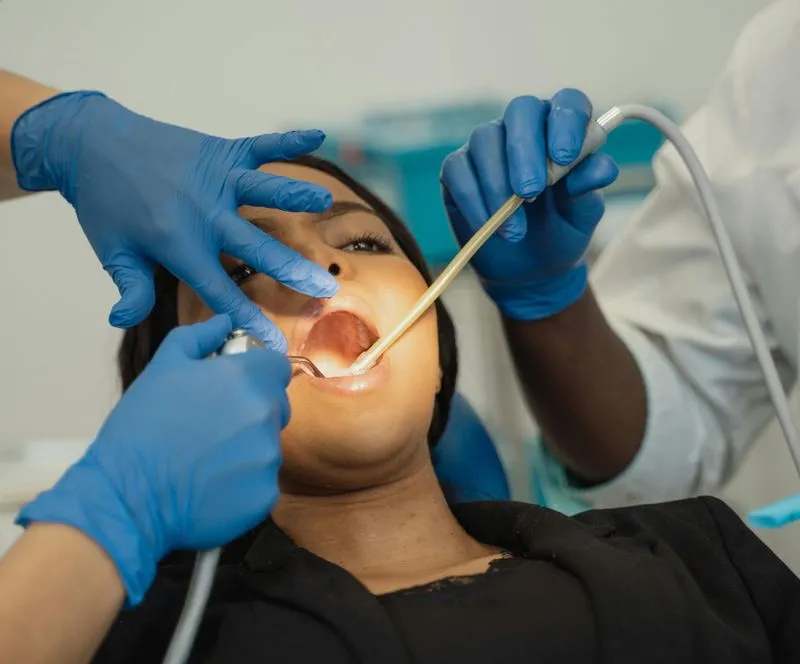
If only the root of the tooth remains, the first step is usually to remove it. This procedure, called an extraction, is necessary to prevent infection and create a clean slate for your new restoration. Your dentist will make sure you are completely numb and comfortable throughout the process. While the idea of an extraction can cause some anxiety, it's a very routine and controlled procedure. Removing the compromised root is a critical part of protecting your overall oral health and preparing your mouth for a durable, long-lasting replacement. Our team is experienced in gentle oral surgery and will prioritize your comfort every step of the way.
Dental Implants
After an extraction, a dental implant is often considered the gold standard for tooth replacement. An implant is a small titanium post that is surgically placed into your jawbone, where it acts just like a natural tooth root. Once the implant has integrated with the bone, a custom-made crown is attached to it, perfectly matching your other teeth. The result is a strong, stable, and permanent solution that looks and feels completely natural. A major benefit of dental implants is that they also help preserve your jawbone, preventing the bone loss that can occur when a tooth is missing.
Dental Bridges
A dental bridge is another excellent fixed option for replacing a missing tooth. A bridge literally "bridges" the gap by using the two adjacent teeth as anchors for a false tooth in the middle. To do this, your dentist will prepare the neighboring teeth and place crowns on them, which are fused to the replacement tooth. This creates a solid, single piece that restores your bite and smile. Bridges are a reliable and time-tested method of restorative dentistry that can effectively fill the space, prevent surrounding teeth from shifting, and give you a seamless, functional result that blends in with your natural teeth.
Crown Lengthening
In some specific cases, you may not need a full extraction. If there is still some healthy tooth structure hidden beneath the gumline, a procedure called crown lengthening might be an option. This involves carefully reshaping the gum and bone tissue to expose more of the tooth. By doing this, your dentist creates enough surface area to securely attach a new crown. This is a more specialized procedure and isn't suitable for every situation, but it can be a great way to save a natural tooth root when possible. Our specialists in periodontics can determine if you are a good candidate for this treatment.
Partial Dentures
A partial denture is a removable and often more affordable solution for replacing a missing tooth. This custom-made appliance consists of a replacement tooth attached to a gum-colored base, which may have clasps that securely attach to your nearby natural teeth. Partial dentures are designed to be taken out for easy cleaning. They are a practical choice, especially if you are missing more than one tooth or are looking for a less invasive option. Our team specializing in prosthodontics can create a comfortable, natural-looking partial denture that restores your ability to chew properly and smile with confidence.
What to Expect at Your Emergency Dental Appointment
Walking into an emergency dental appointment can feel a little nerve-wracking, especially when you're dealing with a lost crown and potential tooth damage. Knowing what will happen can make the entire experience much smoother and less stressful. At Smile Makers, our first priority is your comfort and health. We'll walk you through every step, from the initial assessment to creating a clear treatment plan. Here’s a breakdown of what you can expect when you come in for your emergency visit.
What to Bring to Your Appointment
First things first, if you were able to find the crown, bring it with you. Try to handle it carefully, rinse it with a little soap and water, and place it in a small, clean bag or container. This helps keep it safe and allows us to see if it can be reused. Also, be ready to share your dental insurance information and a list of any medications you currently take. Having this information on hand helps our team get you checked in quickly so we can focus on what matters most: addressing your dental emergency and getting you comfortable.
How Your Dentist Will Assess the Damage
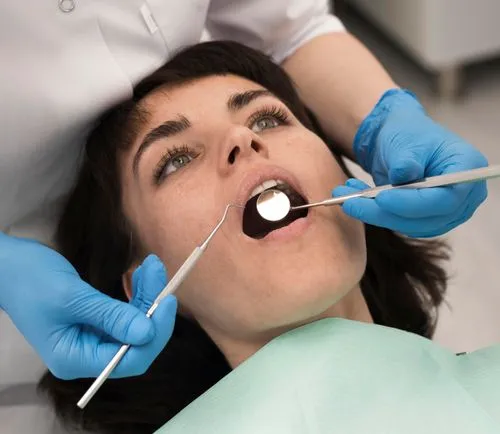
Once you’re settled in the exam chair, your dentist will perform a gentle but thorough examination of your mouth. We need to understand exactly what’s going on with the underlying tooth structure. This almost always involves taking a few X-rays. These images are crucial because they let us see the health of the tooth’s root and the surrounding gum and bone tissue. This detailed assessment helps us determine the best course of action, whether it’s re-cementing the old crown, creating a new one, or exploring other restorative options.
Discussing Your Comfort and Pain Relief
Please don't feel like you have to tough it out. Your comfort is our top priority. Be open with us about any pain or sensitivity you're experiencing. Before your appointment, you can take an over-the-counter pain reliever as directed, but make sure to let us know what you took. During your visit, we will discuss immediate pain relief and ways to keep you comfortable throughout any necessary procedures. We offer various options, including local anesthetic, and for patients with higher anxiety, we can also discuss sedation dentistry to ensure your experience is as stress-free as possible.
Key Questions to Ask Your Dentist
This appointment is a conversation, and we want you to feel fully informed and confident in your treatment plan. Don’t hesitate to ask questions. Some important ones to consider are:
- Can the original tooth be saved?
- What are my treatment options, and what are the pros and cons of each?
- If the tooth needs to be extracted, what are my replacement options?
Your dentist will explain your choices, which could include solutions like a dental implant, a bridge, or a partial denture. We will work with you to find the best path forward for your health and budget.
How to Protect Your New Restoration
After going through the process of getting a new restoration, the last thing you want is to be back in the dental chair for the same issue. Taking care of your new implant, bridge, or crown is the best way to ensure it lasts for many years. Think of it as an investment in your smile and your overall health. The good news is that protecting your restoration doesn't require a complicated routine. It just involves building on the healthy habits you already have and being a little more mindful of how you treat your teeth. With a few simple adjustments, you can keep your restoration secure, functional, and looking great.
Maintain Excellent Oral Hygiene
Even though a restoration isn't a natural tooth, the area around it is still vulnerable to bacteria and plaque. A consistent oral hygiene routine is your first line of defense. Make sure you brush your teeth twice a day with a fluoride toothpaste and floss daily. When flossing around a crown or bridge, be gentle but thorough, ensuring you clean the line where the restoration meets your gum. Using an antibacterial mouthwash can also help reduce bacteria in your entire mouth. These simple steps prevent new decay from forming around the edges of your restoration, which is a common reason they can fail over time.
Be Mindful of What You Eat
Modern restorative dentistry has given us incredibly strong materials, but they aren't invincible. It’s wise to avoid chewing on extremely hard things like ice, popcorn kernels, or hard candies, as they can put excessive pressure on your restoration and potentially cause it to chip or break. The same goes for using your teeth as tools to open packages or bite your nails. If you have a habit of grinding or clenching your teeth, especially at night, talk to us about a custom night guard. This simple device can protect both your natural teeth and your new restoration from the intense forces of grinding.
Schedule Regular Dental Visits
Think of your dentist as your partner in protecting your restoration. Regular check-ups and cleanings are essential because they allow us to professionally clean your teeth and inspect your dental work. During these visits, we can spot any potential issues, like a loose fit or tiny cracks, long before they become big problems. Catching things early saves you time, money, and discomfort down the road. Don’t wait until something feels wrong. Staying on top of your appointments is a proactive way to ensure the long-term success of your smile, so be sure to book your next visit to keep everything in top shape.
Related Articles
Frequently Asked Questions
Why can’t I just glue my crown back on myself? It might seem like a quick fix, but trying to reattach your crown at home is a really bad idea. Household glues are not safe for your mouth and can damage the tooth, while over-the-counter dental cements can trap bacteria underneath the crown. This can lead to a painful infection and make the problem much worse. A dentist needs to properly clean the area and use professional-grade materials to ensure a secure and healthy fit.
What should I do if I accidentally swallowed my crown? First, don't panic. This happens more often than you might think, and in most cases, the crown will pass through your digestive system without any issues in a day or two. However, if you experience any difficulty breathing, coughing, or abdominal pain, you should contact a medical doctor right away. It's also still very important to call us so we can schedule an appointment to address the exposed tooth.
Can my original crown be put back on? It's definitely possible, but it depends on a few things. If the crown itself is still in good shape and there isn't any new decay on the tooth underneath, we can often just clean everything and re-cement it for you. But if the crown is damaged or the underlying tooth needs treatment, a new restoration will likely be the best option for a strong, long-lasting result.
Will my insurance help pay for fixing a lost crown? Coverage for restorative work varies quite a bit between different insurance plans. The best way to know for sure is to bring your insurance information with you to your appointment. Our team can help you understand your specific benefits and explain any out-of-pocket costs. We also offer a loyalty discount plan and other payment options to help make your care affordable.
How can I make sure my new restoration lasts as long as possible? Protecting your new restoration comes down to great daily habits and regular professional care. Be diligent with brushing and flossing, paying special attention to the area where the restoration meets your gumline. Try to avoid chewing on very hard items like ice or popcorn kernels. Most importantly, keep up with your regular dental check-ups so we can monitor your restoration and catch any small issues before they become big problems.