



You’ve likely seen the ads for at-home aligner kits that promise a straighter smile delivered right to your door. While the convenience is tempting, moving your teeth is a complex medical process that requires professional oversight to be done safely. The real difference between a DIY kit and professional treatment comes down to your health. This guide explains why dentist-supervised clear aligners for adults are the gold standard for safety and effectiveness. We’ll explore the crucial role of an in-person consultation, the risks of unsupervised treatment, and how a professional ensures you get predictable, lasting results without compromising your oral health.
Key Takeaways
- Success depends on your daily habits: For aligners to work effectively, you must wear them for 20 to 22 hours a day. Your commitment to this schedule, along with keeping your teeth and trays clean, is the most important factor in achieving your results on time.
- Professional supervision is essential for safety: Choosing a dentist-led treatment is the only way to ensure your teeth are moved correctly and safely. An in-person consultation identifies underlying health issues that DIY kits miss, protecting you from irreversible damage.
- A straighter smile can be affordable: The cost of your treatment is customized to your specific needs, and you have options. Be sure to check your dental insurance for orthodontic benefits and use pre-tax FSA or HSA funds to help manage the investment.
How Do Clear Aligners Straighten Your Teeth?
If you're picturing a less noticeable alternative to traditional braces, you're on the right track. Clear aligners are a series of custom-made, transparent trays that fit snugly over your teeth. Think of them as a set of guides, each one slightly different from the last, designed to gently and gradually shift your teeth into their ideal positions. Unlike metal braces, these aligners are removable, which means you can take them out to eat, drink, and brush your teeth. This flexibility is a huge plus for many adults who don't want their treatment to interfere with their daily life.
The magic is in the incremental changes. You'll wear each set of aligners for about one to two weeks before moving on to the next one in the series. Each new tray applies precise, gentle pressure to specific teeth, continuing the straightening process. This method allows for a controlled and predictable transformation, giving you a straighter smile without the wires and brackets. It's a popular cosmetic dentistry option for adults who want to improve their smile discreetly and on their own terms. The entire process is mapped out from the start using advanced 3D imaging, so there are no surprises along the way; you get to see your future smile before you even start.
Your Treatment Journey, Step-by-Step
Starting with clear aligners is a straightforward process. It all begins when you meet your doctor for an initial consultation. During this visit, we'll create a precise 3D scan of your mouth. This digital model allows us to map out your entire treatment plan from start to finish, so you can see a virtual representation of your final smile before you even begin.
Once your custom aligners are created, you’ll come back in so we can make sure they fit perfectly. We'll walk you through the plan, explaining how to wear and care for them. From there, you'll simply switch to a new set of aligners every week or two. After your teeth are perfectly aligned, the final step is maintaining that beautiful result.
How Long Will My Treatment Take?
The timeline for clear aligner treatment is unique to each person. The duration depends entirely on the complexity of your alignment needs and how consistently you wear your trays. For simpler cases, treatment can be as short as a few months, while more involved adjustments might take a year or longer. Many people start seeing visible changes within the first few weeks, which is incredibly motivating.
Your dentist will give you a personalized estimate during your consultation. The key to staying on schedule is adherence to the plan. Wearing your aligners for the recommended 20 to 22 hours a day is crucial for achieving your desired results in the projected timeframe.
Life After Aligners: The Importance of Retainers
Once you’ve completed your treatment and your teeth are beautifully straight, the journey isn't quite over. To protect your investment and keep your new smile in place, you'll need to wear a retainer. Teeth have a natural tendency to shift back toward their original positions, and a retainer prevents this from happening.
Think of it as the final, crucial step in securing your results for the long term. We'll fit you for a custom retainer, like the popular Vivera™ retainers, and provide clear instructions on how often to wear it. Consistent use, especially in the months immediately following treatment, ensures your smile stays just as perfect as the day your treatment ended.
Clear Aligners vs. Braces: Which Is Right for You?
Deciding between clear aligners and traditional braces is a big step on your journey to a straighter smile. Both are fantastic tools that achieve beautiful results, but they work in different ways and suit different lifestyles. Think of it like choosing between a laptop and a desktop computer; both get the job done, but one might be a better fit for your daily routine. The best choice for you depends on the complexity of your dental needs, your personal preferences, and your day-to-day life.
Clear aligners offer incredible flexibility and a discreet appearance, making them a popular choice for adults. On the other hand, traditional braces provide a level of corrective power that is sometimes necessary for more complex alignment issues. Understanding the key differences will help you have a more informed conversation with your dentist. Ultimately, a professional consultation is the only way to determine which orthodontic treatment will give you the best, most lasting results.
Why Clear Aligners Fit an Adult Lifestyle
For many adults, the idea of metal braces can be a non-starter. Clear aligners solve this by offering a nearly invisible way to straighten your teeth. They are custom-made plastic trays that fit snugly over your teeth, making them difficult for others to notice. This discretion is a major plus for professionals who are regularly in meetings or client-facing roles.
Beyond aesthetics, aligners are incredibly convenient. You can remove them to eat and drink, so you don’t have to give up your favorite foods. Oral hygiene is also much simpler, as you can brush and floss your teeth normally without wires in the way. Many people also find them more comfortable than braces, with less potential for irritation to your gums and cheeks.
When Are Traditional Braces a Better Fit?
While clear aligners are effective for many situations, they aren’t the solution for every case. Traditional braces are often the better choice for correcting more severe or complex dental issues. If you have significant bite problems, large gaps, or teeth that require major rotation, the constant and powerful force of braces may be necessary to achieve the desired movement. Because they are fixed to your teeth, they work around the clock to guide your smile into place.
This is why a thorough evaluation by a dental professional is so important. During your consultation, your dentist will assess your unique needs to see if you're a candidate for aligners or if the structural power of braces is required. You can book an appointment to find out which path is right for you.
What Dental Issues Can Clear Aligners Fix?
Clear aligners have come a long way from being just a minor cosmetic fix. While they are fantastic for straightening slightly crooked teeth, their capabilities now extend to a much wider range of orthodontic issues. Think of them as a versatile tool in your dentist's toolkit, capable of addressing everything from simple spacing to more moderate bite problems. The key is the customized treatment plan. Each set of aligners is designed to apply precise, gentle pressure to guide your teeth into their ideal positions.
This technology can effectively correct common concerns like gapped teeth, crowded teeth, overbites, underbites, and crossbites. Of course, the complexity of your case will determine if aligners are the best path forward. For many people, clear aligners are an excellent alternative to traditional braces, offering a less noticeable and more flexible treatment experience. The only way to know for sure is to have a thorough evaluation with a dental professional who can assess your unique smile and goals. Our team of orthodontic specialists can help you figure out if you're a great candidate for this modern approach to teeth straightening.
Solving Mild to Moderate Alignment Issues
Clear aligners truly shine when it comes to correcting mild to moderate alignment problems. These are the issues that many adults face, like teeth that have shifted slightly over time, small gaps that have appeared between teeth, or general crowding that makes flossing a challenge. The clear plastic trays are designed to slowly and predictably move teeth over time to create a straighter, more uniform smile.
Because they are so effective for these common concerns, aligners have become a popular choice for adults who want to improve their smile without the look of traditional braces. If your main goal is to close a few gaps or straighten out some crookedness, clear aligners offer a discreet and convenient solution that fits seamlessly into your life.
Handling Complex Cases: Are Aligners an Option?
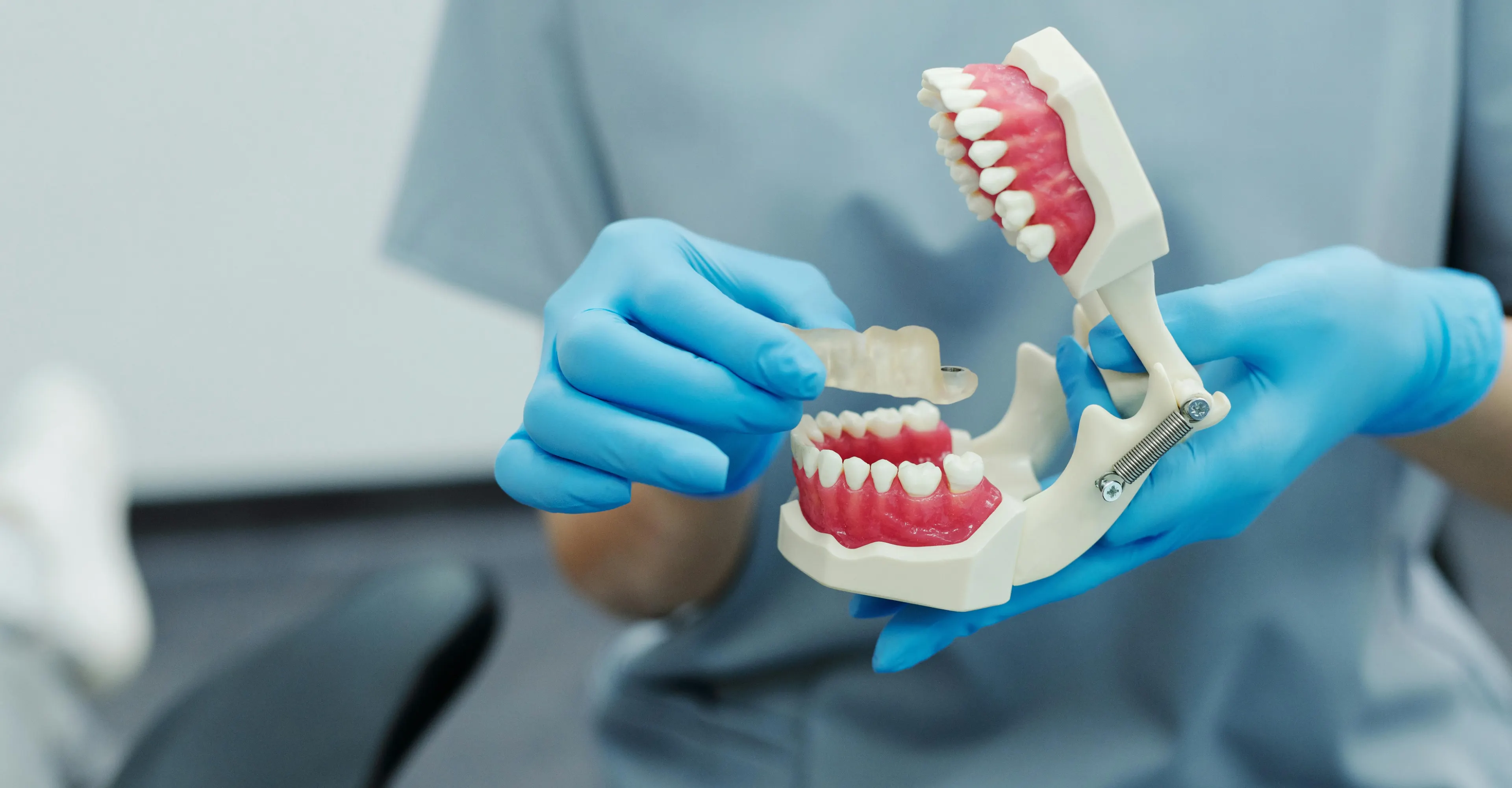
You might be surprised to learn that clear aligners can often handle more than just minor adjustments. With professional supervision, aligners can be a powerful tool for tackling more complex orthodontic cases. A key advantage of in-office treatment is the use of attachments, which are small, tooth-colored bumps made of dental bonding material that are temporarily placed on your teeth.
These attachments act as tiny handles, giving the aligners extra grip to perform more difficult movements, like rotating a tooth or shifting it vertically. According to experts, dentist-supervised options are generally safer and can correct a wider range of issues precisely because of tools like these. This level of control is something you simply can't get with at-home kits. If your case is more involved, don't rule out aligners until you book a consultation to see what’s possible.
In-Office vs. At-Home Aligners: What's the Real Difference?
When you start looking into clear aligners, you’ll quickly find two main paths: professional, in-office treatments and direct-to-consumer, at-home kits. Both promise a straighter smile, but the journey to get there is worlds apart. The biggest difference comes down to one critical factor: professional supervision. While DIY kits might seem tempting with their lower price tags and promises of convenience, they skip the essential steps that ensure your treatment is safe and effective.
Choosing between these options isn't just about cost; it's about your long-term oral health. An in-office treatment is a comprehensive medical procedure guided by a dental expert, while an at-home kit is more like a one-size-fits-most product with significant risks. Think of it this way: you wouldn't perform your own medical procedure without a doctor, and moving your teeth is a complex biological process that requires the same level of care. Before you commit to a path, it's important to understand exactly what you're signing up for. We'll break down the key differences so you can feel confident in your choice and get the results you want without compromising your safety.
The Professional Approach: In-Office Treatment
Opting for in-office aligners means you’re putting your smile in the hands of a dental professional who oversees your entire journey. This process begins with a thorough exam, including X-rays and 3D scans, to get a complete picture of your oral health. This step is crucial because it identifies any underlying issues, like gum disease or cavities, that need to be addressed before your teeth can be moved safely.
Your dentist then creates a precise, predictable treatment plan. They may use small, tooth-colored "attachments" bonded to your teeth, which act as handles for the aligners to grip. These attachments allow for more complex and controlled movements, something at-home kits can't replicate. With regular check-ins, your dentist can monitor your progress and make adjustments as needed, ensuring your treatment stays on track for the best possible result. This level of care is part of our commitment to providing expert specialized treatments.
The DIY Route: Risks of At-Home Aligner Kits
At-home aligner kits are marketed as a cheaper, easier alternative, but they come with serious risks. These kits typically rely on you taking your own dental impressions, which leaves a lot of room for error. More importantly, there is no in-person exam by a dentist to check the health of your teeth and gums. Moving teeth when underlying problems exist can lead to irreversible damage, including gum recession, bone loss, and even tooth loss.
The American Dental Association has warned against this model, especially after the shutdown of major at-home aligner companies left thousands of customers without support or recourse. Without professional oversight, there’s no one to ensure your teeth are moving correctly or to intervene if something goes wrong. What starts as an attempt to save money can end up costing you much more in corrective dental work down the road. The safest first step is always to book a consultation with a professional.
How Much Do Clear Aligners Cost?
Let’s talk about one of the biggest questions on everyone’s mind: the price. The cost of clear aligners can range anywhere from about $1,800 to $8,000. That’s a wide range because your treatment is completely customized to you. Think of it not as a one-size-fits-all product, but as a personalized health investment. The final price depends on your unique smile and treatment goals, which we’ll explore together during your consultation.
What Influences the Final Price?
The final cost of your clear aligner treatment is based on a few key factors. The most significant one is the complexity of your case. If you only need minor adjustments, your treatment will likely be shorter and cost less. More complex issues, like significant crowding or bite correction, require more time and more sets of aligners, which affects the price. For example, a comprehensive Invisalign treatment often falls between $3,000 and $7,000. Your cost also covers the professional supervision from our team of dental specialists, ensuring your teeth move safely and effectively toward their ideal position.
Using Insurance, FSA, or HSA to Pay
The good news is that you probably won’t have to pay the full cost out of pocket. Many dental insurance plans that include orthodontic benefits will cover a portion of clear aligner treatment, sometimes up to $3,000, just as they would for traditional braces. It’s always a great idea to check the specifics of your policy. Additionally, you can use pre-tax dollars from a Flexible Spending Account (FSA) or Health Savings Account (HSA) to pay for your aligners. These accounts are designed for medical expenses, and orthodontic care definitely qualifies, making them a smart way to manage the cost.
Making It Affordable: Payment Plans and Financing
We believe that a smile you love should be accessible. Beyond insurance and savings accounts, we offer flexible options to make your treatment fit your budget. Many patients choose to use a monthly payment plan, which breaks the total cost into manageable installments over the course of your treatment. We also offer an in-house Loyalty Discount Plan that provides savings on various dental services. The best first step is to book an appointment for a consultation. We can give you an exact quote and walk you through all the financial options available to you.
Your Daily Guide to Clear Aligners
So, you're considering clear aligners. One of the biggest questions people have is, "What will my day-to-day life actually look like?" It’s a fair question. The thought of adding something new to your routine can feel like a big deal, but the beauty of clear aligners is how seamlessly they fit into your life. Unlike traditional braces, they give you flexibility and control. Your journey to a straighter smile is built on a few simple, consistent habits that will quickly feel like second nature.
Success with clear aligners really comes down to three things: wearing them almost all the time, keeping them (and your teeth) clean, and knowing when to take them out. It’s less about major life changes and more about small, mindful adjustments. Think of it as a partnership between you and your aligners. You stick to the plan, and they do the work of gently shifting your teeth into place. This guide is here to take the guesswork out of the process. We’ll cover the essential daily habits that keep your treatment on track, from managing your wear time to enjoying your meals without worry. With a little bit of discipline, you'll find that living with aligners is surprisingly simple and incredibly rewarding. Let’s get into the specifics so you can feel confident and prepared from day one.
The 22-Hour Rule: Sticking to the Plan
The most important rule of clear aligner treatment is also the simplest: wear them. For your aligners to work their magic, they need to be in your mouth for about 22 hours a day. This consistent wear applies the gentle, steady pressure needed to guide your teeth into their new positions. You’ll take them out for eating, drinking anything other than water, and your oral hygiene routine. Think of it this way: every hour you wear them is an hour you’re actively investing in your new smile. Sticking to this schedule is the best way to ensure your treatment progresses smoothly and you achieve your results on time. When you book an appointment, we can discuss how this fits into your personal lifestyle.
How to Keep Your Aligners Clean and Clear
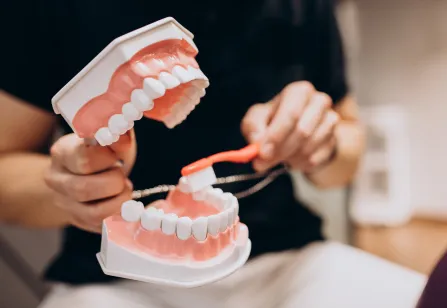
Keeping your aligners and your teeth clean is crucial for a healthy smile during treatment. Since your aligners sit directly against your teeth, anything trapped underneath them stays there. That’s why you need to brush your teeth after every meal or snack before putting your aligners back in. For the aligners themselves, a gentle daily cleaning is all it takes. You can brush them carefully with a soft-bristled toothbrush and clear, unscented soap. Avoid hot water, which can warp the plastic, and colored soaps or toothpaste, which can stain them. This simple routine prevents plaque buildup, keeps your breath fresh, and ensures your aligners stay as clear as the day you got them. It's a small step that supports your overall oral health.
Eating, Drinking, and Other Aligner No-Gos
One of the best parts of having clear aligners is freedom. Unlike with traditional braces, there are no food restrictions. You can continue to enjoy all your favorite foods, from crunchy apples to chewy bagels. The only rule is that you must take your aligners out before you eat or drink anything other than plain water. This prevents damage to the aligners and stops sugary liquids from getting trapped against your teeth, which can lead to cavities. It might feel like a hassle at first, but it quickly becomes a habit. Forgetting to put them back in or failing to wear them as directed can slow down your progress, so a little discipline goes a long way in keeping your treatment on schedule.
Do Clear Aligners Really Work for Adults?
If you’re wondering whether you’ve missed the window for straightening your teeth, I have good news for you: clear aligners absolutely work for adults. It’s a common question we hear, and the answer is a resounding yes. This treatment has become an incredibly popular and effective way for adults to achieve a smile they love without the look of traditional metal braces. The process uses a series of custom-made, clear plastic trays that are virtually invisible. Each tray is designed to make small, precise adjustments, gradually moving your teeth into their ideal position over time.
Think of it as a gentle, consistent pressure that guides your teeth exactly where they need to go. Because the aligners are so discreet, they are a fantastic choice for adults who are concerned about their appearance in professional or social settings. You can straighten your teeth without anyone even knowing you’re undergoing treatment. At Smile Makers, we offer clear aligner solutions that are tailored to your specific needs, helping you get the results you want with a method that fits your lifestyle. It’s a modern, convenient, and proven approach to orthodontics that has helped countless adults feel more confident in their smiles.
Busting Common Aligner Myths
One of the biggest myths about clear aligners is that they are somehow less effective than metal braces. Let’s clear that up. For many common alignment issues, clear aligners are just as effective. Another misconception is that they are a hassle. In reality, they are designed for convenience. Because they are removable, you can take them out to eat, drink, and brush your teeth normally. This makes maintaining your oral hygiene much simpler than with traditional braces. Their main advantage is, of course, their discreet appearance, making them a great choice for adults who want to straighten their teeth without drawing attention to their treatment.
How a Straighter Smile Impacts Your Life and Career
The benefits of a straighter smile go far beyond just aesthetics. When you feel good about your smile, it shows. Many people report feeling more confident and happier after their treatment, and that newfound self-esteem can ripple into every area of your life. In your career, feeling confident can empower you to speak up in meetings, lead presentations, or network more effectively. Socially, you might find yourself smiling more freely in photos and feeling more at ease when meeting new people. It’s not about vanity; it’s about removing a source of self-consciousness so your true personality can shine through. Investing in your smile is an investment in yourself.
A Realistic Look at the Treatment Experience
While clear aligners offer a lot of flexibility, the treatment is a partnership between you and your dentist, and your commitment is key to success. To get the best results, you must wear your aligners for about 22 hours a day. This means you’ll have them in while you sleep, work, and go about your day, only removing them to eat, drink anything other than water, and clean your teeth. Speaking of cleaning, you’ll need to keep both your teeth and your aligners clean to prevent plaque buildup. You’ll also have regular check-ups to monitor your progress and receive your next set of trays. This professional oversight ensures your teeth are moving correctly and safely. If you’re ready to see if aligners are right for you, the first step is a consultation.
How to Choose the Right Aligner Provider
Deciding to get clear aligners is the first step, but choosing the right provider is just as important. With so many options out there, it’s easy to feel overwhelmed. The best approach is to focus on what truly matters for your smile and your health: the level of professional care you’ll receive. While cost and convenience are factors, having a dentist or orthodontist guiding your treatment is the safest and most effective path. A professional will not only oversee your progress but also ensure your teeth and gums are healthy enough to begin treatment in the first place.
A dentist-supervised plan is designed to handle a wider range of alignment issues, from simple adjustments to more complex cases. This is because a professional can use tools like small, tooth-colored attachments that help the aligners apply pressure more effectively. These attachments give your dentist precise control over tooth movement, something that isn’t possible with direct-to-consumer kits. A dentist can also offer a variety of specialized treatments and ensure your entire mouth is healthy before you begin. Think of it as having an expert co-pilot on your journey to a straighter smile, ready to make adjustments and ensure you get the best possible results.
Your Consultation Checklist: Key Questions to Ask
Your initial consultation is your opportunity to get all the information you need to feel confident about your decision. Before you commit, it’s essential to sit down with a dentist who can properly evaluate your teeth and bite. To get the most out of your visit, go in with a few key questions prepared.
Start by asking, "Am I a good candidate for clear aligners?" From there, you can ask about the specifics: "What would my personalized treatment plan look like?", "How long will it take?", and "How often will I need to come in for check-ups?" Your dentist will explain the entire process, including how you’ll switch to a new set of aligners every couple of weeks to keep your teeth moving correctly. Don't hesitate to book an appointment just to ask questions and explore your options.
Why an In-Person Consultation Is a Must
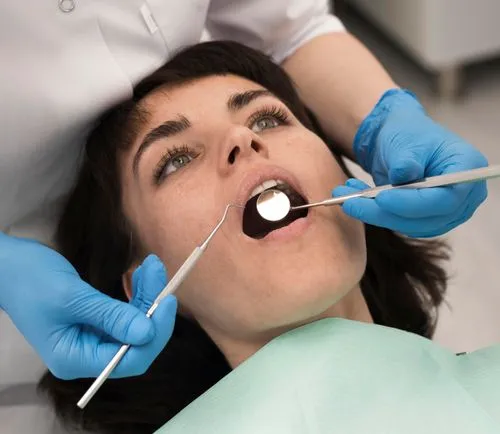
In a world of online everything, it might be tempting to skip the in-person dental visit. But when it comes to moving your teeth, a hands-on consultation is non-negotiable. This visit is about more than just taking impressions; it’s a critical health screening. Your dentist will perform a thorough examination and take X-rays to make sure your teeth, gums, and jawbone are healthy enough to handle the treatment. This step protects you from potential complications, like gum disease or bone loss, that mail-order aligner companies simply can't screen for.
An in-person consultation also means your treatment plan is truly customized. Your dentist can make real-time adjustments as your teeth shift, ensuring your progress stays on track. With several convenient locations, getting that essential one-on-one professional care is easier than you think.
Related Articles
- Are Clear Braces the Right Choice for You?
- Orthodontics Virginia - Invisalign & Clear Aligners | Smile Makers
- Orthodontics Virginia - Invisalign & Clear Aligners | Smile Makers
Frequently Asked Questions
Do clear aligners hurt? It’s more of a feeling of pressure than actual pain. When you switch to a new set of aligners, you’ll likely feel some tightness or soreness for the first day or two. This is a good sign; it means the aligners are actively working to move your teeth. The sensation is temporary and most people find it very manageable. It’s quite different from the poking wires and brackets that can sometimes come with traditional braces.
What happens if I lose or break an aligner? First, don't panic. The best thing to do is call our office right away. Depending on where you are in your two-week cycle, we might advise you to wear your previous set of aligners or move on to the next set a little early. It’s important not to make this decision on your own, as we want to keep your treatment progressing smoothly. We also recommend always keeping your previous set of aligners just in case this happens.
Will I have a lisp or talk differently with aligners in? When you first start wearing your aligners, you might notice a slight lisp as your tongue gets used to sharing space with the trays. For the vast majority of people, this is very minor and goes away within a few days as your mouth adapts. Practicing talking, reading aloud, or singing can help you adjust even faster. Soon enough, you’ll forget they are even there.
How are in-office aligners different from the DIY kits I see advertised? The biggest difference is professional supervision. With an in-office treatment, a dentist performs a full exam with X-rays to ensure your teeth and gums are healthy enough for treatment. We then create a truly custom plan, often using small attachments on your teeth to achieve more complex and precise movements. At-home kits skip this crucial health screening and lack the tools for detailed adjustments, which can lead to poor results or even damage your oral health.
Can I really not drink coffee or wine with my aligners in? That’s correct, and there are two important reasons why. First, dark liquids like coffee, tea, and red wine will stain your aligners, making them much more noticeable. Second, and more importantly, sugary or acidic drinks can get trapped between the aligner and your teeth. This creates an environment where bacteria can thrive, significantly increasing your risk for cavities. It’s always best to remove your aligners for any drink other than plain water.