





If the only picture of braces you have in your mind is the traditional metal kind, it’s time for an update. Orthodontic technology has come a long way, and today’s options are more varied and discreet than ever before. Clear braces are one of the most popular advancements, offering an effective way to straighten teeth without the metallic look. But with this option comes a lot of questions. Are they as strong as metal? Do they stain easily? How long does treatment take? We’ll answer all these questions and more, giving you the straightforward facts you need to feel informed about your orthodontic journey.
Key Takeaways
- Look beyond the clear appearance: While clear braces are less noticeable, it's important to weigh that benefit against practical points like their higher cost and the need to be more careful with hard foods, as the ceramic material is more delicate than metal.
- Decide between fixed or removable treatment: "Clear braces" can mean two things: fixed ceramic braces that work around the clock or removable clear aligners that offer more freedom. Your choice depends on your lifestyle, your specific orthodontic needs, and your personal discipline.
- Your routine directly impacts your results: The success and speed of your treatment are largely in your hands. Sticking to a diligent cleaning routine and avoiding hard or staining foods helps prevent damage and delays, ensuring you get the best possible outcome on schedule.
Clear Braces vs. Metal Braces: What's the Difference?
Choosing the right type of braces is a big decision, and it often comes down to two popular options: clear and traditional metal. While both are designed to give you a straighter, healthier smile, they have some key differences in appearance, material, and daily care. Understanding these distinctions can help you and your orthodontist decide on the best path for your teeth. Let's walk through what makes each option unique so you can feel confident in your choice.
What Exactly Are Clear Braces?
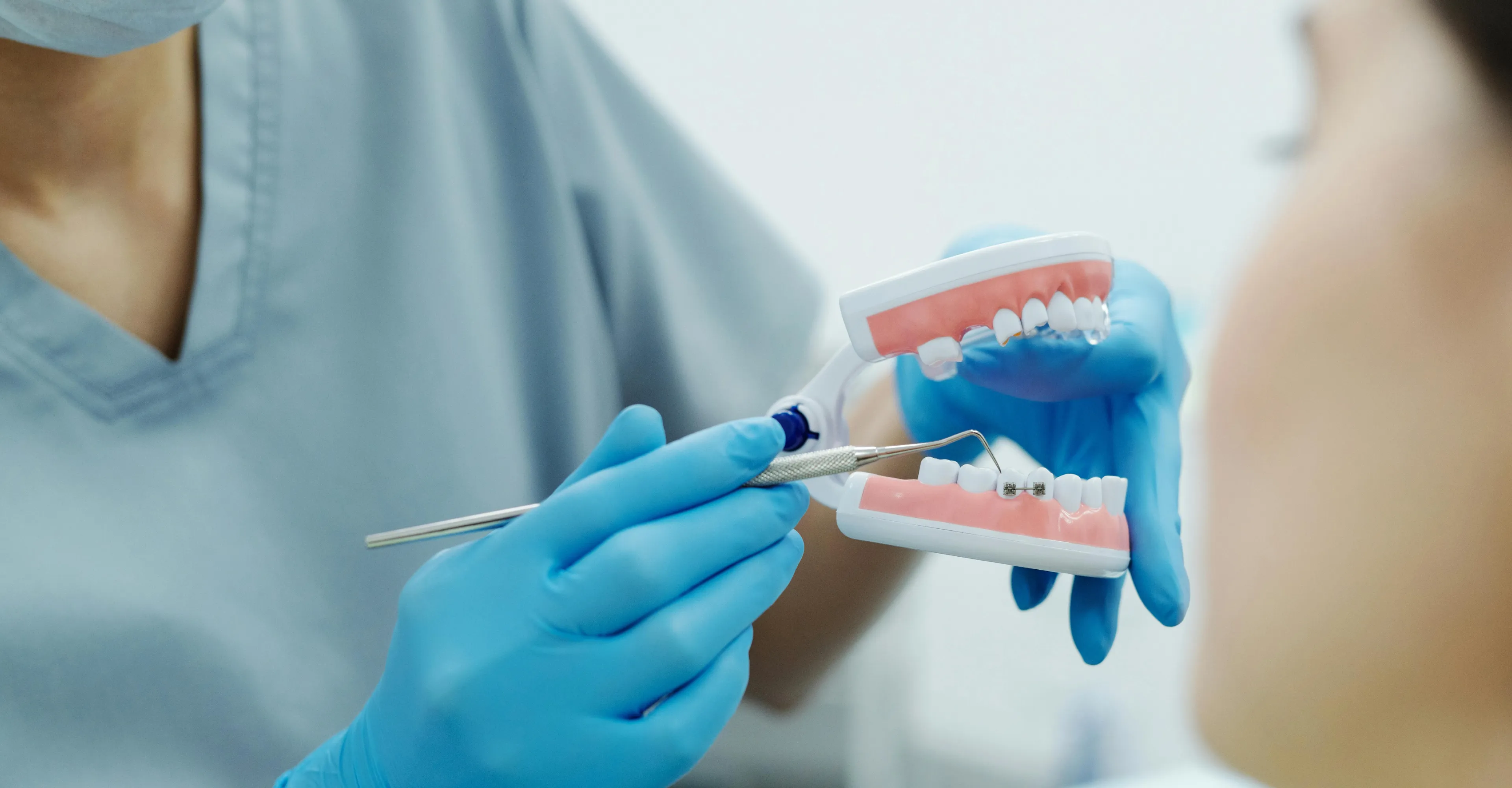
Think of clear braces as the discreet cousin of traditional metal braces. They function in the same way, using brackets and wires to gently guide your teeth into their ideal positions. The main difference is the material. Instead of noticeable metal, clear braces use ceramic brackets that are either transparent or tooth-colored, helping them blend in with your smile. This makes them a popular choice for adults and teens who want the effectiveness of braces without the metallic look. They offer a great middle ground between traditional braces and removable aligners, providing a fixed solution from our orthodontic specialists that’s much less visible.
Key Differences You Should Know
Beyond aesthetics, there are a few practical differences between clear and metal braces. The most obvious is visibility; clear braces are designed to be subtle, while metal braces are more prominent. The materials also differ. Clear braces use ceramic, which isn't quite as durable as the stainless steel used for metal braces. Because of this, your orthodontist may need to apply pressure more gradually, which can sometimes lead to a slightly longer treatment time. While metal braces average around 20 months, treatment with clear braces can take anywhere from one to three years to complete.
Busting Common Myths About Clear Braces
Let’s clear up a couple of common misconceptions about clear braces. First, while they are strong, they aren't indestructible. The ceramic material is more brittle than metal, meaning the brackets can chip or crack if you bite down on very hard foods. Second, they don't always stay perfectly clear. The ceramic brackets themselves are stain-resistant, but the tiny elastic ties used to hold the wire in place can stain. Things like coffee, tea, red wine, and even certain spices can cause discoloration over time. This just means you’ll need to be a little more mindful of your diet and cleaning routine to keep your braces looking their best throughout your treatment.
What Are the Different Types of Clear Braces?
When you hear "clear braces," you might picture one specific thing, but the term actually covers a couple of different orthodontic treatments. Both options are designed to be less noticeable than traditional metal braces, giving you a more discreet way to straighten your smile. The main choice comes down to whether you prefer a fixed appliance that stays on your teeth 24/7 or a removable one that you can take out for meals and cleaning. Each has its own set of benefits and is suited for different lifestyles and orthodontic needs. Let's break down the two most popular types: ceramic braces and clear aligners.
Ceramic Braces: Your Fixed Option
Think of ceramic braces as a subtle twist on the traditional metal braces you’re familiar with. They work in the same way, using brackets and wires to gently guide your teeth into place. The key difference is that the brackets are made from a clear or tooth-colored ceramic material, so they blend in with your teeth. An orthodontist will glue them to your teeth and you'll come in for regular adjustments. While they are less visible, the brackets can be a bit larger than their metal counterparts. It's also important to maintain a great cleaning routine, as the brackets can stain if you don't care for them properly.
Clear Aligners: Your Removable Option
Clear aligners are a completely different approach to straightening teeth. Instead of brackets and wires, you’ll use a series of custom-made, clear plastic trays that fit snugly over your teeth. They are virtually invisible, making them a popular choice for adults and teens who want a discreet treatment. You’ll switch to a new set of aligners about every week, with each tray gradually shifting your teeth closer to their final position. The big commitment here is that you must wear them for at least 22 hours a day, only taking them out to eat, drink, brush, and floss. Consistency is key to getting the results you want.
Which Type Fits Your Lifestyle?
Choosing between ceramic braces and clear aligners really comes down to your personal preferences and orthodontic needs. If your treatment plan involves more complex tooth movements, or if you simply don’t want the responsibility of remembering to wear your appliance, ceramic braces are a fantastic option. They are always on and always working. On the other hand, if you have a mild to moderate case and value flexibility, clear aligners might be the perfect fit. They offer more freedom for eating and cleaning, as long as you’re disciplined about wearing them consistently. The best way to know for sure is to book an appointment to discuss your goals.
The Pros and Cons of Clear Braces
Deciding on the right type of braces is a big step, and it’s smart to weigh your options carefully. Clear braces are a fantastic choice for many people, but like any treatment, they come with their own set of benefits and considerations. Thinking through what matters most to you, from appearance to daily habits, will help you feel confident in your decision. Let’s walk through the key points to give you a clearer picture of what to expect.
Why You Might Love Clear Braces
The main reason people choose clear braces is their subtle appearance. They work just like traditional metal braces but use clear or tooth-colored ceramic brackets and wires that blend in with your smile. For many adults and teens, this is a huge plus because it makes the orthodontic process feel less obvious, helping you feel more self-assured in photos, meetings, or social situations.
Beyond aesthetics, clear braces are highly effective. They are a great solution for a wide range of orthodontic issues, including crooked or crowded teeth, gaps, and bite problems like overbites. You get the powerful, proven straightening action of fixed braces without the metallic look.
Potential Downsides to Consider
While the ceramic material is great for blending in, it does have a few trade-offs. First, clear braces can be more prone to staining. Things like coffee, tea, red wine, and curry can discolor the clear elastics used to hold the wire in place. Diligent cleaning is key to keeping them looking their best.
The ceramic brackets are also more brittle than their stainless steel counterparts. This means they can be more likely to chip or crack, so you’ll need to be careful when eating hard or crunchy foods. While they are quite durable for everyday use, they just don't have the same toughness as metal.
A Side-by-Side Comparison: Clear vs. Metal
When you put clear and metal braces head-to-head, the best choice really comes down to your personal priorities. Here’s a quick breakdown:
- Appearance: Clear braces win here, hands down. They are significantly less noticeable than metal braces.
- Durability: Metal braces are stronger and more resistant to breaking.
- Treatment Time: The timeline is often very similar, but sometimes treatment with clear braces can take a little longer because the ceramic creates more friction with the wire.
- Cost: Clear braces are typically more expensive than traditional metal braces due to the higher cost of the ceramic materials.
Ultimately, both are excellent tools for achieving a straighter, healthier smile. The best way to know which is right for you is to schedule a consultation to discuss your specific goals.
How Long Does Treatment with Clear Braces Take?
One of the first questions everyone asks about orthodontic work is, "How long will this take?" It's a great question, and the answer depends on a few key things, including the type of braces you choose and your specific dental needs. While clear braces offer a fantastic, discreet way to straighten your teeth, their treatment timeline can be slightly different from that of traditional metal braces. The most important thing to remember is that the journey to your perfect smile is a partnership between you and your orthodontist. Your commitment to caring for your braces plays a huge role in keeping everything on track. Let's break down what you can expect.
Understanding the Average Timeline
On average, treatment with clear braces takes between 12 and 36 months. This is a general range, and for some, it might be a little longer than the typical timeline for metal braces. The main reason for this difference is that the timeline is completely tailored to you. The exact duration depends on how much your teeth need to move to reach their ideal alignment. Someone with minor crowding will have a much shorter treatment time than someone with more complex bite issues. The only way to get a precise timeline is to consult with an orthodontist who can create a personalized treatment plan just for you.
Factors That Can Affect Your Treatment Length
A couple of factors can influence your treatment timeline with clear braces. First, the ceramic material used for the brackets is strong, but not quite as robust as stainless steel. Because of this, your orthodontist may use a gentler, more gradual force to move your teeth, which can sometimes extend the treatment time slightly. Another factor is breakages. If a bracket breaks or a wire comes loose, you'll need an extra appointment to get it fixed. These small repairs can add up, potentially delaying your progress. Following your orthodontist's care instructions is the best way to avoid setbacks and keep your orthodontic treatment moving forward smoothly.
How Your Habits Impact Your Results
You have more control over your treatment timeline than you might think. Your daily habits are key to ensuring your braces can do their job effectively and efficiently. Sticking to a great oral hygiene routine is one of the best things you can do. This means brushing your teeth two to three times a day and flossing at least once daily to keep your teeth and gums healthy. You’ll also need to be mindful of what you eat. Avoiding hard, sticky, or crunchy foods helps prevent broken brackets, while steering clear of staining foods and drinks like coffee and red wine will keep your clear braces looking their best.
How to Care for Your Clear Braces
Choosing clear braces is an exciting step, and taking proper care of them is key to getting that perfect smile. While they are designed to be discreet, they do require a bit of special attention to stay that way. A solid daily routine and being mindful of what you eat will protect your braces from damage, prevent staining, and keep your treatment moving along smoothly. Think of it as a partnership between you and your orthodontist. By following these simple guidelines, you'll ensure the best possible results and a healthy, beautiful smile when your treatment is complete.
Your Daily Cleaning Routine
Great oral hygiene is crucial when you have braces. Plan to brush your teeth thoroughly after every meal, or at least twice a day, to remove any food particles caught in your brackets. Flossing daily is just as important. It can be a little challenging at first, but special tools like floss threaders or interdental brushes make it much easier to clean around your wires and brackets. This consistent routine prevents plaque buildup and keeps your gums healthy, setting the stage for a fantastic final result. Our team offers a full range of dental services to support your oral health throughout your treatment.
Foods and Drinks to Watch Out For
To protect your clear braces, you’ll need to make a few temporary changes to your diet. Steer clear of foods that are hard (nuts, hard candy), crunchy (popcorn, ice), or sticky (gum, caramel), as these can easily damage your brackets or wires. You should also avoid biting directly into hard foods like whole apples or corn on the cob; cut them into smaller pieces instead. To keep your braces from staining, it’s wise to limit dark-colored drinks and foods like coffee, tea, red wine, and tomato-based sauces. This helps keep your smile bright and your braces nearly invisible.
Tips to Prevent Staining and Damage
A few smart habits can go a long way in keeping your clear braces in great condition. If you have a staining beverage, using a straw can help minimize contact with your teeth and braces. Rinsing your mouth with water afterward is also a good practice. It’s also important to avoid smoking, as it can quickly cause discoloration. Finally, make sure to attend all your scheduled orthodontic appointments. These visits are essential for adjustments and allow us to monitor your progress. If you need a professional cleaning, it's easy to book an appointment with our team.
Are Clear Braces the Right Choice for You?
Deciding on the right orthodontic treatment is a big step. While the idea of a less noticeable option is appealing, it’s important to weigh all the factors to see if clear braces align with your smile goals, lifestyle, and budget. Thinking through the cost, what they can fix, and your personal needs will help you have a productive conversation with your orthodontist and make a choice you feel great about. Let’s walk through the key questions to ask yourself.
Understanding the Cost and Insurance
Let’s talk budget. It’s true that clear braces often have a higher price tag than traditional metal braces. This is mainly because the ceramic or clear materials used are more expensive to produce. It’s also worth noting that if a bracket breaks, repairs can sometimes cost a bit more.
Before you worry, remember there are ways to make the cost more manageable. The first step is to check your dental insurance policy to see what level of orthodontic coverage you have. Many plans cover a portion of the cost, regardless of the type of braces. We also recommend looking into payment options and in-house plans. For example, our Loyalty Discount Plan is designed to make dental care more affordable for our patients.
What Orthodontic Issues Can Clear Braces Fix?
You might be wondering if clear braces are strong enough to handle your specific dental concerns. The great news is that they are incredibly effective for a wide range of common issues. Clear braces can successfully treat crooked or crowded teeth, close gaps, and correct bite problems like overbites, underbites, and crossbites.
Whether you choose fixed ceramic braces or removable clear aligners, the technology behind them is designed to apply steady, gentle pressure to move your teeth into their ideal positions. They are a versatile and powerful tool in modern orthodontics. A consultation with your orthodontist will confirm if your specific alignment needs can be met with a clear option.
Considerations for Adults vs. Teens
Clear braces are a fantastic choice for both adults and teens who feel self-conscious about wearing traditional metal braces. For adults, they offer a professional and discreet look that fits easily into the workplace. For teens, they can make the experience of straightening their teeth feel a little less daunting.
However, they aren't the perfect solution for every single case. Certain complex bite corrections or severe alignment issues might still be better handled with metal braces. This is why an expert opinion is so important. An orthodontist can assess your unique dental structure and recommend the treatment that will give you the most effective and lasting results. Ready to find out what’s right for you? You can book an appointment for a professional evaluation.
Making Your Final Decision
Ultimately, choosing between clear and metal braces comes down to balancing your personal priorities. Think about what matters most to you: is it the aesthetics, the overall cost, or the specific requirements of your treatment plan? Your lifestyle also plays a role, especially when considering the diligence required for removable aligners or the dietary adjustments for fixed braces.
The best way to make your final decision is by having an open conversation with a dental professional you trust. They can provide a clear picture of what to expect with each option and help you weigh the pros and cons for your unique situation. Our team at Smile Makers is here to answer all your questions and guide you toward the path that leads to your best smile.
Related Articles
- Orthodontics Virginia - Invisalign & Clear Aligners | Smile Makers
- Orthodontics Virginia - Invisalign & Clear Aligners | Smile Makers
- Bruxism Treatment – Stop Teeth Grinding with Night Guards
Frequently Asked Questions
Are clear braces more painful than metal ones? Any type of braces will cause some temporary discomfort, especially after you first get them on and after each adjustment. This feeling of pressure is a sign that your teeth are moving, and it’s not really affected by the material of the brackets. Whether you choose clear ceramic or traditional metal, you can expect a similar adjustment period as your mouth gets used to the new hardware.
What's the main difference between clear braces and clear aligners? The biggest distinction comes down to your lifestyle and commitment. Clear braces (ceramic braces) are a fixed appliance, meaning an orthodontist bonds them to your teeth and they stay on 24/7 until your treatment is done. Clear aligners are removable plastic trays that you must wear for at least 22 hours a day, but you can take them out to eat and clean your teeth. Both are discreet, but one requires more personal discipline than the other.
Will I still need to wear a retainer after my clear braces come off? Yes, absolutely. Wearing a retainer is a crucial final step for any orthodontic treatment, including clear braces. Your teeth have a natural tendency to shift back toward their original positions, and a retainer holds them in their new alignment. Think of it as protecting the investment you've made in your smile.
Are clear braces completely invisible? While they are designed to be very discreet, they aren't completely invisible. The ceramic brackets are made to match the color of your teeth, which helps them blend in beautifully. However, you will still have a thin wire running across the brackets, and people who are close to you will likely notice them. They are simply a much less noticeable alternative to traditional metal braces.
Is treatment with clear braces always more expensive? Clear braces do tend to cost more than metal braces because the ceramic materials are more expensive to produce. However, the final price depends on your specific treatment plan. We recommend checking with your dental insurance provider about your orthodontic coverage and exploring payment options. Our Loyalty Discount Plan is also a great way to make treatment more affordable.