

Can you get a cavity under a crown? Yes. A crown covers the visible part of a tooth, but decay can still develop at the edge where the crown meets the natural tooth, or in another part of the tooth. Because the crown can hide changes, a dental exam is the dependable way to find out what is happening.
Schedule an appointment to have a tooth checked
How can a tooth develop decay beneath a crown?
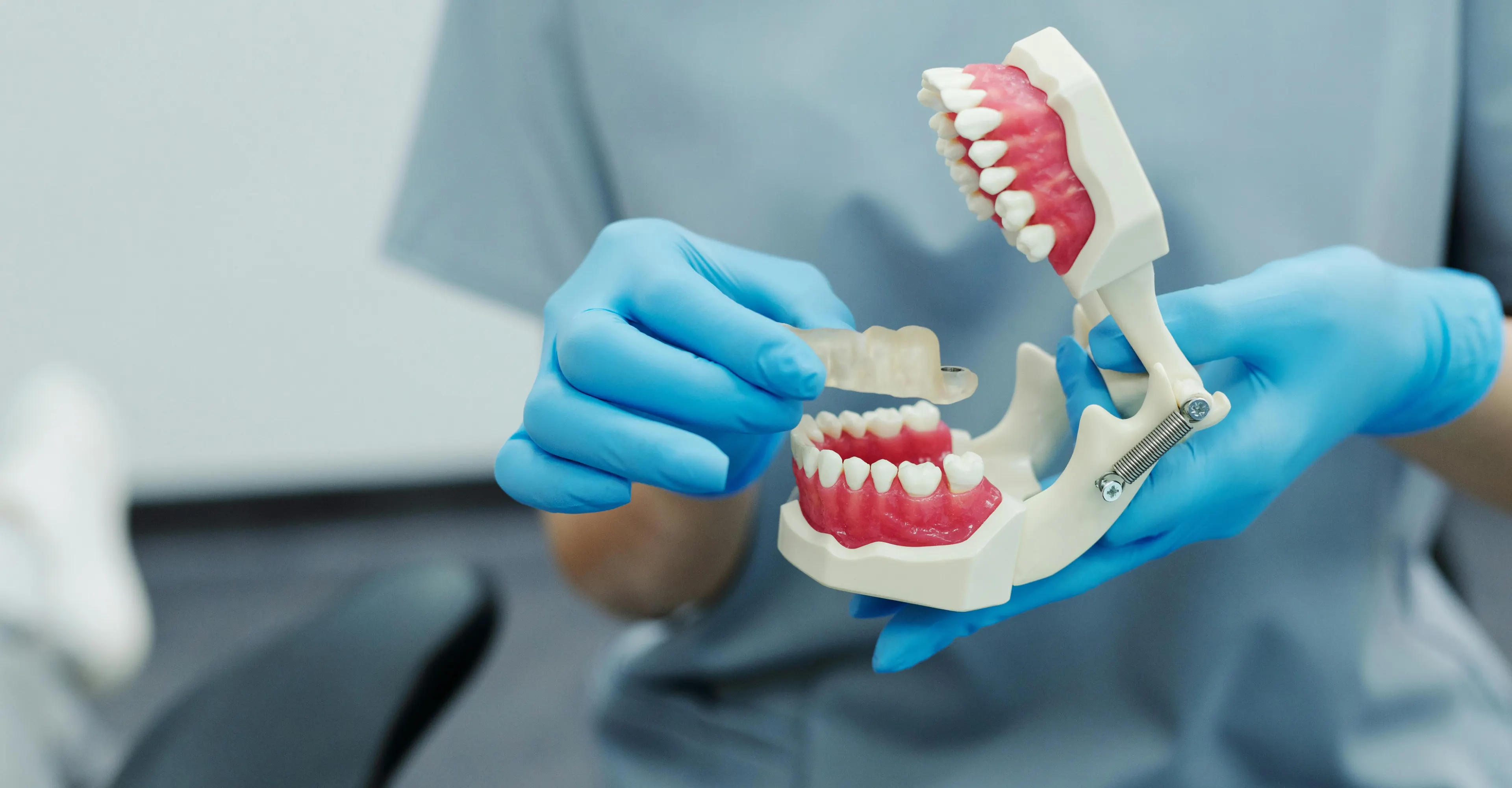
A dental crown is a covering placed over a tooth. It restores and protects the part of the tooth it covers, but it does not seal every surface of the mouth away from bacteria forever. The crown's edge, often called the margin, meets the remaining natural tooth near the gumline. If that area collects plaque and is not cleaned well, decay can develop in the tooth beside or beneath the edge.
Decay can also begin on an uncovered surface of the tooth. A crown may cover the top and sides, but the root and the margin remain part of the natural tooth. Gum tissue can change over time, exposing more of the tooth near the root. That exposed area can be vulnerable to decay, just like other tooth surfaces. The crown itself does not decay, but the natural tooth that supports it can.
In general, tooth decay happens when acids produced by certain mouth bacteria damage tooth structure. The U.S. Office of Personnel Management's dental health overview explains that cavities result from bacterial activity and that decay reaching dentin may need more than a small filling. What is appropriate for an individual tooth depends on an examination.
A crown does not mean a tooth is failing or that decay is inevitable. It does mean that the tooth and the crown's edge still need regular cleaning and monitoring. If you have questions about crowns generally, you can also read the practice's guide to dental bridges, which explains another type of restoration that relies on supporting teeth.
What can increase the chance of decay around a crown?
Several everyday and dental factors may contribute. They do not prove that a cavity is present, and a person may have decay without obvious risk factors. They can help explain why a dentist pays attention to the crown margin and the surrounding tooth.
- Plaque at the crown margin: Food and plaque can collect where the crown meets the tooth, especially if the edge is difficult to reach with a toothbrush or floss.
- Gum recession: When gum tissue moves away from a tooth, more natural tooth surface may be exposed. That can make a previously covered or less exposed area easier to miss during cleaning.
- Hard-to-clean spaces: A crown next to another tooth, a bridge, or crowded teeth can create places where plaque is harder to remove. Daily cleaning between teeth matters.
- Changes to the crown or its fit: A damaged, loose, or worn restoration can need professional attention. A change does not automatically mean there is decay, but it should be checked.
- Dry mouth or frequent sugar exposure: Saliva helps protect the mouth. Some medicines and health conditions can contribute to dry mouth, while frequent sugary snacks or drinks can expose teeth to repeated acid attacks.
- Inconsistent preventive care: Checkups allow a dental team to look for changes that are not easy to see or feel at home.
Helpful routine habits include brushing twice a day with fluoride toothpaste, cleaning between teeth daily, and keeping up with dental visits based on the advice of your dental team. The family dentistry page describes the practice's general care options, and the technology page offers more information about tools used in dental care.
It may help to think of the crown margin as a boundary that needs attention, rather than an area that can be ignored because it is covered. When brushing, angle the bristles gently toward the gumline and move around the tooth instead of focusing only on the chewing surface. If floss catches or shreds in one spot, do not force it or keep probing the area. Note where it happens and ask the dental team whether the crown edge, a nearby filling, or the contact between teeth should be checked.
What signs might point to a cavity under a crown?
Some people notice a change. Others have no clear symptoms, particularly early on. A crowned tooth can feel normal even when decay is developing, so the absence of pain does not rule it out. Likewise, a symptom does not confirm a cavity; several different issues can cause similar sensations.
Changes worth discussing with a dentist include:
- New sensitivity to cold, heat, sweets, or pressure.
- A toothache or discomfort when biting or chewing.
- A rough, sharp, or uneven feeling near the crown's edge.
- Food repeatedly catching around the crown or between nearby teeth.
- A crown that feels loose, shifts, or seems to have changed position.
- A visible dark area near the gumline, swelling, or an unpleasant taste.
Pay attention to the pattern as well as the sensation. For example, make a note if the discomfort occurs only with cold drinks, when chewing, or without an obvious trigger; record whether it fades quickly or lingers. This information can help you describe the concern, but it cannot identify the cause by itself. Avoid repeatedly testing the tooth with very hot, cold, hard, or sugary foods, since doing so may aggravate discomfort and still will not establish a diagnosis.
Do not try to diagnose the problem by appearance alone. The crown can obscure the tooth, and stains or shadows may have causes other than decay. If you have a broken tooth or a restoration that feels different, the practice's broken tooth guide offers general steps for seeking help. For sudden or significant dental discomfort, see the practice's information on emergency dental care.
How does a dentist check for decay beneath a crown?
A dental team will ask what you have noticed, when it began, and whether anything makes it better or worse. They may ask about your dental history and when the crown was placed. Share any changes in the way the crown feels, even if they seem minor. This gives the dentist useful context, but it is not a substitute for an examination.
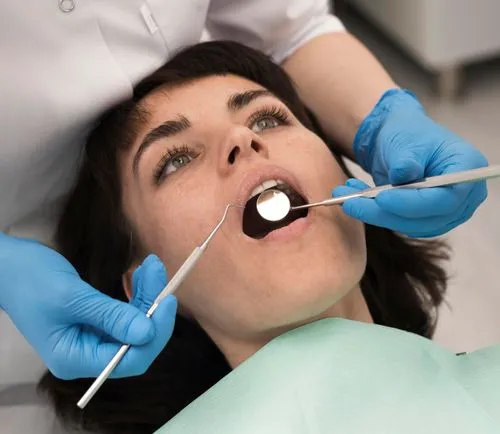
The dentist may examine the crown, the gumline, nearby teeth, and the bite. Depending on what they see and your history, dental X-rays may help assess areas that are hidden from direct view. No single sign or image is interpreted in isolation. The dentist considers the full picture before discussing what the findings may mean.
An at-home look cannot show every surface beneath a restoration, and an online photo or symptom checklist cannot confirm whether decay is present. It is also possible for sensitivity to come from a neighboring tooth or another source. Rather than testing the tooth repeatedly with hot, cold, or hard foods, make a note of what you noticed and let a dental professional examine it. If you already have images or records from a previous visit, you can ask whether they are useful for comparison.
The visit typically moves from your description to a focused check of the tooth and nearby areas. You can point to the exact spot that feels different and explain what you have already tried. The dentist may check how the crown sits, look along its edge, and consider the surrounding gum and adjacent teeth. If imaging is recommended, you can ask what area it will help evaluate. These steps are intended to build a clearer picture; the exact evaluation varies with the tooth and the concern.
It can help to prepare a short list before your visit:
- Write down the tooth or side of your mouth that feels different.
- Note when the change started and whether it is constant or comes and goes.
- Describe any sensitivity, discomfort, gum changes, or food trapping.
- Bring a list of medicines and relevant dental history, including when you received the crown if you know.
- Ask what the examination found, what options are appropriate, and when to follow up.
For a broader overview of how dental appointments are arranged, visit patient forms and online scheduling. You can also review the dentist team page and the office locations before you plan a visit.
What may happen if decay is found near a crown?
The next step depends on where the decay is, how much natural tooth is affected, and the condition of the crown and the tooth beneath it. There is no single solution that fits every crowned tooth. A dentist can explain the findings and discuss suitable options after an examination.
For example, a small area that can be reached and treated may be managed differently from decay that extends farther beneath the crown or affects the inner part of the tooth. The crown may need to be assessed, and the dentist may discuss whether it can remain or whether another restoration is appropriate. If the tooth's inner tissue is involved, the dentist may explain additional care options. These are possibilities, not a prediction about any particular tooth.
Before making a decision, ask the dentist to explain the location of the concern and how certain the findings are. You can ask what choices are available, what each option is intended to address, and what follow-up may be needed. If a recommendation is unclear, it is reasonable to ask for the explanation in everyday language or to take time to consider it when the situation allows. The goal is a shared understanding of the tooth's condition and the next step, not a one-size-fits-all plan.
It can be useful to separate three questions during that discussion: what the dentist observed, what remains uncertain, and what action is being proposed. For instance, ask whether the concern is at the crown edge or elsewhere, whether additional evaluation is needed to understand its extent, and how the crown's condition affects the options. Then ask what signs should prompt you to call again and when the dentist wants to reassess the tooth. Clear answers make it easier to compare the choices without assuming that every crown-related change requires the same response.
Use the table as a guide to the questions a dental visit may address. It is not a way to choose treatment at home:
| What the dentist checks | Why it matters | Useful question to ask |
|---|---|---|
| Crown edge and surrounding tooth | Decay or damage can occur at the boundary between the restoration and natural tooth. | Is the edge intact, and do you see any area that needs attention? |
| Extent and location of any decay | The affected area and how much healthy tooth remains help shape the discussion. | How extensive is the area, and what did the exam or images show? |
| Condition of the tooth's inner structures | Deeper involvement may change which options the dentist discusses. | Does the tooth need any additional evaluation or care? |
| Fit and condition of the crown | A loose, damaged, or poorly fitting restoration may need separate consideration. | Can this crown remain in place, or should we discuss another restoration? |
If the dentist discusses root canal care, this step-by-step guide to the root canal process can help you understand general terminology. For questions about the specialty, visit the practice's endodontics information. Your own dentist should explain whether either is relevant to your situation.
Request an appointment to discuss a crowned tooth
How can you care for a crowned tooth day to day?
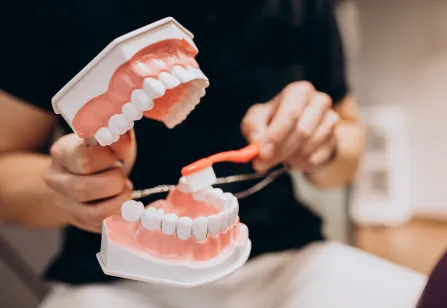
Everyday cleaning helps protect the natural tooth around a crown. Brush gently along the gumline and reach all sides of the tooth. Clean between teeth with floss or another tool recommended by your dental team. If you are unsure how to clean around a particular crown or bridge, ask for a demonstration rather than scrubbing harder.
Keep regular checkups even when the tooth feels fine. Your dentist can monitor the crown and surrounding areas over time and suggest a schedule suited to your needs. If a crown becomes loose or a new symptom appears, contact the dental office rather than waiting for the next routine visit. Avoid trying to glue or adjust a crown yourself.
A consistent routine is easier to maintain when it is specific. You might brush the crown carefully as part of your usual morning and evening routine, then clean between teeth at a time you can repeat each day. Take a moment to check whether the gumline around the crown feels different, but do not press or scrape it looking for a problem. If you use a bridge or have a tight space, ask your dental team to show you how to guide your cleaning tool safely around that area. A technique that works well for one person may not suit every restoration.
Small practical steps can make the routine easier:
- Set a regular time for brushing and interdental cleaning so the crown margin is not forgotten.
- Use a soft-bristled brush and fluoride toothpaste unless your dental professional recommends something different.
- Tell your dentist if dry mouth makes cleaning or eating uncomfortable.
- Ask whether a specific flossing aid or technique would be helpful for your crown.
- Keep notes about recurring sensitivity or food trapping so you can describe a pattern at your visit.
When decay is noticed, the goal is to understand the cause and protect the remaining tooth as appropriate. For more background on a tooth that has become painful or infected, see the practice's overview of tooth abscess symptoms and care. It does not replace an examination, and a symptom guide cannot determine what is happening under your crown.
Book a dental visit for an evaluation
Frequently Asked Questions
Can a cavity form under an old crown?
Yes. A crown's age alone does not tell you whether decay is present, but the natural tooth at its edge can develop decay over time. A dentist can assess the crown and tooth during an examination.
Can a cavity under a crown hurt?
It may cause sensitivity or discomfort, but it may also have no obvious symptoms. Pain can have several causes, so only a dental evaluation can help identify what is happening.
Can a dentist see decay under a crown without removing it?
The dentist may be able to assess the crown and surrounding tooth with an examination and, when appropriate, imaging. What can be seen depends on the location and extent of the concern. The dentist will explain whether further steps are needed.
Does a crown prevent a tooth from getting another cavity?
No. A crown covers and restores part of a tooth, but the natural tooth around it still needs daily cleaning and dental monitoring. Plaque can collect near the crown margin, and uncovered tooth surfaces can still be affected.
When should I call a dentist about a crowned tooth?
Contact a dental office if you notice new sensitivity, pain, a loose or damaged crown, swelling, or a change in how the tooth feels. Seek prompt professional guidance for severe or worsening symptoms. A dentist can help determine an appropriate next step.
A crowned tooth can remain comfortable for a long time, but the tooth beneath and around it still deserves routine care. If you have noticed a change or simply want the area checked, an appointment can help clarify what is going on.