





Blood pressure and sleep quality are closely connected, so repeated breathing interruptions at night deserve attention, especially when blood pressure is difficult to control. Obstructive sleep apnea can involve partial or complete upper-airway blockages that briefly lower oxygen and raise carbon dioxide levels.
Yes. Can sleep apnea cause high blood pressure? It can contribute to hypertension in some people, but it is not the only possible cause, and an association is not the same as a diagnosis. Research links sleep apnea with hypertension through repeated nighttime stress and changes in the body's nervous-system response. A physician or sleep-medicine professional should evaluate blood pressure and suspected apnea together. An academic review describes this relationship and its possible mechanisms.
If you notice loud snoring, witnessed pauses in breathing, gasping, or unrefreshing sleep, start by discussing those details with a qualified healthcare professional. A dental evaluation may be one part of coordinated care, but it does not replace medical assessment. Understanding how airway interruptions affect the body helps clarify why evaluation matters.
Book an appointment to discuss sleep-related concerns
Can Sleep Apnea Cause High Blood Pressure?
Yes, obstructive sleep apnea can contribute to high blood pressure, including a form called secondary hypertension, which has an identifiable underlying cause. It is also common for the two conditions to occur together. However, that does not mean sleep apnea is the sole cause of high blood pressure for every person. Blood pressure can be influenced by family history, age, kidney health, medications, stress, diet, activity level, and other medical conditions.
Obstructive sleep apnea occurs when the upper airway becomes partly or completely blocked repeatedly during sleep. Each event can interrupt normal breathing and place temporary stress on the body. When these disruptions happen night after night, the repeated strain may contribute to changes that keep blood pressure higher over time. An academic review describes obstructive sleep apnea as linked with both essential hypertension and resistant hypertension, while noting that it is often underdiagnosed: read the review on obstructive sleep apnea and hypertension.
The relationship can work in both directions. People with hypertension are more likely to have obstructive sleep apnea than the general population, and many people with sleep apnea may also have hypertension. The connection is especially important when blood pressure remains difficult to control despite following a treatment plan. In that situation, a healthcare professional may consider whether sleep apnea or another underlying condition is contributing to the problem.
Even milder sleep apnea may be associated with an increased risk of hypertension, but an association is not the same as a diagnosis or a guarantee. Snoring alone does not prove that someone has sleep apnea, and high blood pressure alone does not identify its cause. A proper evaluation considers the person's symptoms, health history, blood-pressure readings, and, when appropriate, sleep testing.
If you are trying to understand the broader condition, our guide to sleep apnea symptoms and health risks explains how obstructive sleep apnea differs from other sleep-related breathing disorders. If you have high blood pressure, suspected sleep apnea, or both, discuss the concern with an appropriate physician or sleep-medicine professional. A dental conversation may be one part of coordinated care, but it does not replace medical evaluation or hypertension treatment.
How Can Sleep Apnea Affect Blood Pressure?
During obstructive sleep apnea, the upper airway repeatedly narrows or closes while a person is asleep. Breathing becomes shallow or pauses, then resumes when the body briefly rouses enough to reopen the airway. Each event can lower oxygen and raise carbon dioxide temporarily. The repeated pattern, rather than one isolated pause, is what can place extra stress on the cardiovascular system.
These changes are associated with blood-pressure effects, but they do not prove that sleep apnea is the only cause of high blood pressure for any individual. A clinician must consider the full health picture, including medications, family history, weight, kidney health, and other conditions. The mechanisms below help explain why evaluation may be worthwhile when sleep-disordered breathing and difficult-to-control blood pressure occur together.
Oxygen changes activate the body's alarm system
When oxygen falls and carbon dioxide rises during an apnea event, the sympathetic nervous system, sometimes called the body's fight-or-flight system, becomes more active. At the same time, calming parasympathetic activity may decrease. This response can increase heart rate and tighten blood vessels, causing blood pressure to rise during or shortly after a breathing interruption. According to a review in the medical literature, autonomic and catecholamine changes may continue beyond the night and contribute to hypertension over time.
Sleep apnea can also fragment sleep. Even when a person does not fully remember waking, repeated arousals prevent the body from moving through normal, restorative sleep stages. Poor sleep quality and intermittent low oxygen are linked with greater sympathetic activity, which may make the cardiovascular system work harder than it should during rest.
Vessel health and nighttime patterns matter
Repeated oxygen fluctuations can promote oxidative stress and systemic inflammation. Research has associated obstructive sleep apnea with inflammatory markers, endothelial dysfunction, and arterial stiffness. The endothelium is the thin inner lining of blood vessels. When it does not function well, vessels may have more difficulty relaxing and regulating blood flow. These processes are connected with, but do not independently diagnose, hypertension.
Blood pressure normally follows a daily pattern and often decreases during sleep. In some people with sleep apnea, this nighttime decline is reduced, a pattern commonly called nondipping. Reviews have described associations between sleep-disordered breathing, abnormal nighttime blood-pressure patterns, and changes in vascular function. That is one reason a healthcare professional may look beyond a single office reading and recommend appropriate blood-pressure monitoring.
If snoring, witnessed breathing pauses, gasping, or unrefreshing sleep occur alongside high or difficult-to-control blood pressure, share the combination with a qualified healthcare professional. A dental conversation may be one part of the next-step process, but it does not replace medical evaluation for hypertension or suspected sleep apnea.
What Symptoms Should Prompt a Conversation?
Some sleep-related changes are easy to dismiss as ordinary snoring, a busy week, or getting older. A pattern that keeps returning deserves a closer look, especially when another health concern, such as difficult-to-control blood pressure, is present. These signs do not prove that you have sleep apnea. They are useful reasons to talk with an appropriate healthcare professional about whether further evaluation makes sense.
Notice what happens during sleep
Loud, persistent snoring is one reason to ask questions, although snoring alone does not always indicate sleep apnea. It becomes more important to discuss when someone notices pauses in breathing, choking, or gasping during the night. A bed partner may recognize these changes before the sleeper does. Repeated interruptions can leave sleep fragmented, even if you do not fully remember waking up. Obstructive sleep apnea involves repeated partial or complete upper-airway blockages during sleep, but only a qualified evaluation can determine whether that is occurring.
It can help to write down what you or a family member observes. Note how often snoring or gasping occurs, whether breathing pauses seem to repeat, and whether sleep feels restorative. A calm record gives your clinician more useful information than trying to interpret one difficult night.
Pay attention to daytime effects
Morning headaches, waking with a dry mouth, and feeling unrefreshed may accompany disrupted sleep. Daytime sleepiness, reduced concentration, or an unusual need to nap can also be a sign that nighttime rest is not as restorative as it should be. These symptoms have many possible causes, including stress, medication effects, and other sleep conditions, so they should be treated as prompts for conversation rather than a diagnosis. Sleep apnea is recognized as an important cause of impaired sleep quality. And a research review describes sleep disruption and intermittent breathing changes as part of its relationship with blood pressure.
Include blood-pressure concerns
If blood pressure remains high despite following a treatment plan, or if control has become unexpectedly difficult. Ask the clinician managing it whether sleep apnea screening should be considered. Research has linked obstructive sleep apnea with hypertension and notes that people with refractory hypertension should be screened for sleep apnea. That does not mean sleep apnea is the only cause, or that treating it will automatically normalize blood pressure. It means the sleep pattern may be relevant to the larger picture.
For an accessible overview of sleep apnea symptoms and health risks, review the related guide, then bring your questions to a physician, sleep-medicine professional, or dental care team as appropriate. A dental conversation can be one part of a coordinated evaluation, but it does not replace medical care for high blood pressure or suspected sleep apnea.
What Should You Do If You Have Both Conditions?
If you have high blood pressure and known or suspected sleep apnea, the safest approach is coordinated care. Sleep apnea may make blood-pressure control more difficult, but it is not necessarily the only cause of elevated readings. A clinician can assess your overall health, medications, and risk factors while a qualified sleep professional evaluates possible sleep-disordered breathing. The goal is not to self-diagnose. It is to make sure both concerns receive appropriate attention.
- Discuss your blood pressure with your clinician. Ask how your readings should be monitored and whether you need a baseline evaluation or additional checks. Initial hypertension management commonly includes establishing a patient profile, monitoring blood pressure, and checking for possible effects on other organs. Do not change or stop medication based on an article or a single home reading. Bring your questions and a record of readings to your appointment. Learn more about blood-pressure evaluation in this medical review.
- Ask whether a sleep evaluation is appropriate. This is especially important if you have loud snoring, witnessed pauses in breathing, gasping, fragmented sleep, or persistent daytime tiredness. People whose blood pressure is difficult to control may also benefit from discussing sleep apnea screening with their clinician. Depending on your situation, evaluation may involve a home sleep study or formal testing. One review reports that home sleep studies can be comparable to in-lab polysomnography for diagnosing obstructive sleep apnea. But the appropriate option should be determined by a qualified professional. Review the evidence on sleep evaluation and hypertension.
- Share your medication list and sleep symptoms. Tell your healthcare team about prescription and over-the-counter medicines, supplements, snoring, nighttime awakenings, morning headaches, and any breathing pauses a partner has noticed. This information can help providers consider the full picture rather than treating each symptom in isolation.
- Follow the monitoring and treatment guidance you receive. If a clinician recommends blood-pressure monitoring, use the method and schedule they provide. If testing confirms sleep apnea, follow the treatment plan and discuss problems with comfort or adherence instead of quietly abandoning it. Treating sleep apnea can be an important part of care, but it does not guarantee that blood pressure will normalize or eliminate the need for prescribed medication. Read more about why sleep apnea needs treatment.
- Coordinate dental and medical care. A dental evaluation may be relevant when an oral appliance or another dental consideration is being discussed. But dental care does not replace physician or sleep-medicine evaluation for high blood pressure or suspected sleep apnea. Smile Makers can discuss dental and sleep-apnea concerns, while your medical team remains responsible for hypertension assessment and medical treatment. Also, remember that dental sedation is provided for dental comfort and is not the same as treatment for sleep apnea.
Book an appointment to discuss your sleep-apnea concerns with Smile Makers.
How Are Sleep Apnea Treatments Related to Blood Pressure?
Treating sleep apnea can be an important part of a broader plan for cardiovascular health. But the best approach depends on the type and severity of apnea, symptoms, anatomy, medical history, and treatment preferences. A sleep physician or other qualified medical professional determines whether CPAP, an oral appliance, or another approach is appropriate. Dental care can support treatment planning, but it does not replace medical evaluation for high blood pressure or suspected sleep apnea.
CPAP uses air pressure to help keep the upper airway open during sleep. Research shows that it can lower blood pressure in people with obstructive sleep apnea, although the average reduction is generally modest. Some people may still need blood-pressure medication and ongoing monitoring. Do not stop or change medication because sleep-apnea treatment has started.
| CPAP | Oral appliance |
|---|---|
| Uses prescribed air pressure through a mask to help keep the airway open. Consistent use may support blood-pressure management, but results vary and medication may remain necessary. | Uses a fitted dental device to reposition the jaw or tongue area and help maintain airway space. Suitability depends on the individual's diagnosis, oral health, anatomy, and medical guidance. |
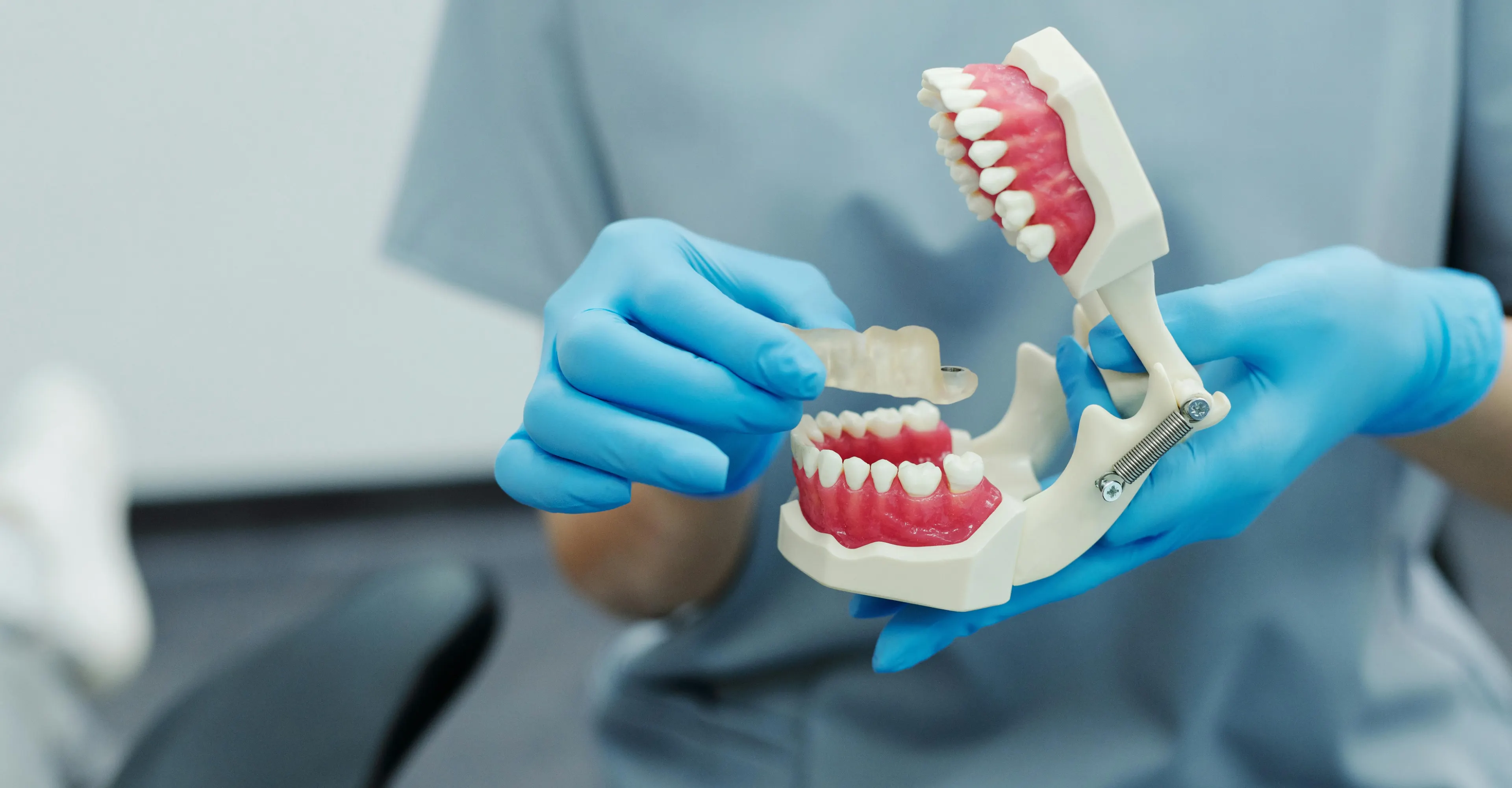
Adherence matters with either approach. CPAP can be effective yet difficult for some patients to use consistently, while an oral appliance also requires proper fitting, follow-up, and regular use. A qualified clinician can help compare the options rather than treating one as universally better. Our guide to CPAP and oral appliance options explains factors that may enter that discussion. You can also learn more about sleep apnea dental appliances.
One important distinction is dental sedation. Sedation may be used to improve comfort during a dental procedure. But it is not a treatment for sleep apnea and should not be expected to lower blood pressure related to apnea. If you have high blood pressure, suspected sleep apnea, or questions about treatment. Share that information with your medical and dental care teams so each professional can guide the part of care within their scope.
When Is High Blood Pressure or Sleep Trouble Urgent?
Sleep disruption and blood-pressure concerns deserve attention, but they do not always require emergency care. If you have symptoms that are sudden, severe, rapidly worsening, or feel life-threatening, seek immediate medical help. Do not wait for a dental appointment or try to determine the cause on your own. Emergency services or an emergency department can assess urgent symptoms and provide the right level of care.
For less urgent concerns, arrange a timely evaluation with an appropriate healthcare professional. This is especially important if someone notices repeated breathing pauses during sleep, you regularly wake gasping, or your sleep remains consistently unrefreshing. Snoring alone does not prove sleep apnea, but it can be a reason to discuss your symptoms. Ongoing concerns about high blood pressure, including blood pressure that is difficult to control, also warrant medical follow-up rather than watchful waiting.
A clinician can establish a blood-pressure baseline, consider monitoring, and evaluate for possible effects on overall health. If sleep apnea is suspected, a physician or sleep-medicine professional can determine whether a sleep evaluation is appropriate. Some home sleep studies may be used in the diagnostic process, but the right approach depends on the individual.
Dental care can be part of a coordinated next step when sleep apnea is suspected, particularly when discussing whether an oral appliance may be appropriate. A sleep apnea dental evaluation does not diagnose or manage high blood pressure, replace medical evaluation, or substitute for emergency care. Dental sedation is also different from medical sleep-apnea treatment. Bring your symptoms and any blood-pressure concerns to both the medical and dental professionals involved, so each can stay within the appropriate scope.
This information is for education, not diagnosis. If you are unsure whether a symptom is urgent, it is safer to contact a qualified healthcare professional promptly and describe what you are experiencing.
Frequently Asked Questions
Can sleep apnea cause high blood pressure?
It can contribute to high blood pressure, especially when breathing disruptions happen repeatedly during sleep. Obstructive sleep apnea and hypertension are closely related, but sleep apnea is not the only possible cause of elevated blood pressure. An academic review explains that repeated changes in oxygen and carbon dioxide can activate the sympathetic nervous system, which may raise blood pressure over time: review of sleep apnea and hypertension.
What symptoms should prompt a sleep apnea evaluation?
Loud snoring, witnessed pauses in breathing, gasping during sleep, restless or fragmented sleep. Morning headaches, and daytime sleepiness are reasonable reasons to discuss an evaluation with a healthcare professional. Snoring is common in sleep apnea, but it does not prove that someone has the condition. Symptoms alone cannot diagnose sleep apnea.
Will CPAP lower blood pressure?
CPAP may lower blood pressure for some people with obstructive sleep apnea, but the average reduction is generally modest and varies by patient. Some people still need blood-pressure medication and other care. A recent review discusses CPAP's blood-pressure effects and why treatment decisions should be individualized: clinical review of OSA-related hypertension.
Can dental care replace medical care for sleep apnea or hypertension?
No. A dental evaluation may be one part of a coordinated plan, particularly when discussing oral-appliance options, but it does not replace evaluation by a physician or sleep-medicine professional. Anyone with suspected sleep apnea, high blood pressure, or concerning symptoms should seek appropriate medical guidance, continue prescribed treatment, and discuss next steps with their healthcare team.
Schedule a Conversation About Sleep Apnea
Understanding your symptoms is a helpful first step toward deciding what to discuss with your medical and dental care teams. Smile Makers Dental Center can help you explore appropriate dental questions while you continue coordinating blood pressure and sleep concerns with your physician. Book an appointment to discuss sleep apnea symptoms and dental evaluation options.