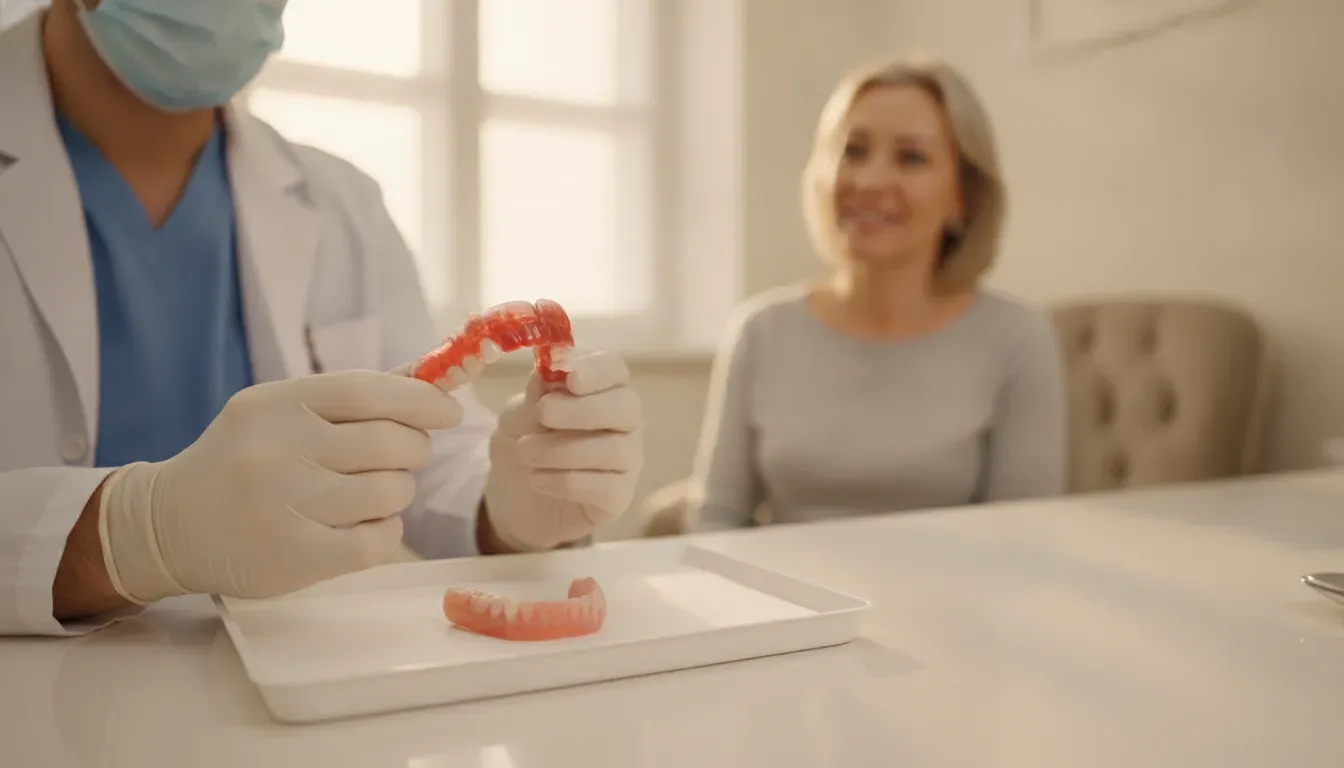


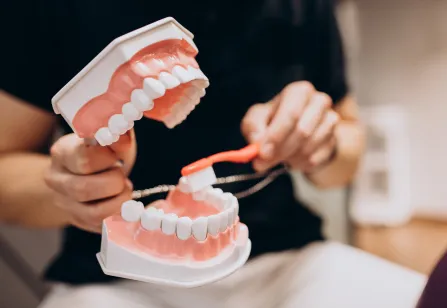






Wisdom teeth, also called third molars, most often begin to emerge in the late teens or early twenties. If you are asking when do wisdom teeth come in, the useful answer is that timing varies: some people notice them around age 17, others later, and some never develop one or more wisdom teeth. A dental checkup can help clarify what is happening in your mouth.
What does it mean for a wisdom tooth to come in?
Wisdom teeth are the third molars at the very back of the mouth. Most people have up to four, one in each back corner, but the number and position vary. The phrase “coming in” usually means a tooth is moving through the jaw and gum toward its place in the mouth. It does not mean that every tooth will emerge fully or in a straight position.
There are several stages to keep distinct. A wisdom tooth can form beneath the gums, move within the jaw, begin to break through the gum, and eventually become visible. These stages can happen at different times for different teeth in the same person. A tooth may also remain partly or entirely beneath the gum. Because you cannot reliably tell its position just by looking or feeling, a dentist can examine the area and decide whether imaging is useful. The word “erupt” describes movement into the mouth; it does not say whether that movement is complete or whether the tooth is causing a problem. Keeping those questions separate can make it easier to understand what a dental professional explains.
It is also normal for the visible changes to be subtle. A tooth may first appear as a small edge behind the second molar, while another tooth may not be visible at all. The gumline can make it difficult to see what is happening, especially at the very back of the mouth. Avoid pressing on the area to test whether a tooth is moving. If you notice a change, simply note what you saw and mention it at a visit.
The age range is a guide, not a deadline. Columbia University’s College of Dental Medicine describes wisdom teeth as usually beginning to erupt in the late teens or early twenties. A University of Pittsburgh overview gives the commonly cited emergence range as 17 to 25. Those descriptions help set expectations, but they do not predict the exact timing for an individual. Read the Columbia dental guide to wisdom teeth and the University of Pittsburgh overview for more background.
When do wisdom teeth come in, and why does the timing vary?
For many people, third molars start to emerge sometime between the late teen years and the mid-twenties. A person might notice a tooth earlier or later than that, or never see one emerge. Each wisdom tooth can follow its own course, so one side may become visible before the other, or a tooth may remain under the gum while another erupts.
Timing also depends on what is happening below the gumline. The tooth’s direction, the room available behind the second molar, and the way the jaw and surrounding teeth are arranged all influence whether it can move into a visible position. These factors are not things you can confirm from symptoms alone. Even a small bump at the back of the gum does not reveal the full position of the tooth.
Researchers have described variation in the age at which third molars erupt, and the health effects can vary as well. A peer-reviewed review of signs and symptoms associated with erupting wisdom teeth, available through the National Library of Medicine, discusses possible problems but cannot determine what is happening for one reader. A personal dental evaluation is the appropriate way to discuss an individual finding.
It is possible to have fewer than four wisdom teeth, or none that emerge into the mouth. Not seeing a tooth does not by itself show whether it is absent or still beneath the gum. If you are curious about your own third molars, you can ask at a routine visit. For patients comparing care options, Smile Makers offers information about its dental services and Northern Virginia office locations.
What signs might you notice as a wisdom tooth emerges?
Some people notice no clear symptoms while a wisdom tooth is moving. Others may feel pressure or mild soreness at the very back of the jaw, notice a small area of gum covering part of a tooth, or find it harder to clean the back corner comfortably. These experiences are not proof that a wisdom tooth is the cause. Irritation in that area can have more than one explanation, so avoid trying to identify or diagnose a dental problem at home.
If a tooth only partly emerges, the gum can cover part of its surface. That can make the area feel tender or difficult to reach when brushing. Food and plaque may collect around hard-to-clean places. Keep your regular oral hygiene routine gentle, and ask a dental professional how to care for the area rather than poking beneath the gum or trying to force anything to move. When describing the area, use plain observations: whether you can see a tooth, whether the gum feels irritated, and whether brushing is uncomfortable. That information can help the team understand your concern without requiring you to guess whether the tooth is impacted or infected.
Try not to rely on one symptom as a test. Tenderness can come and go, and a visible tooth does not necessarily explain pain elsewhere in the mouth. Likewise, not seeing a tooth does not mean that nothing is happening under the gum. If you are unsure whether a change matters, you can call a dental office and explain what you have noticed. The team can guide you on whether to arrange a visit and how soon to seek assessment.
Contact a dental office for guidance if discomfort persists, becomes more intense, or comes with swelling, a bad taste, or difficulty opening your mouth. Seek prompt professional advice if symptoms feel severe or are getting worse. Facial swelling that affects breathing or swallowing requires emergency medical attention. This article cannot determine the cause of symptoms, and a dentist or other appropriate clinician can advise you based on an examination.
For a concern that may need timely attention, review Smile Makers’ information about emergency dental care. If you are unsure which office is convenient, the locations page lists the practice’s offices. Call or book to ask about the right next step; do not wait for a tooth to become visible if you have symptoms that concern you.
How can you tell the difference between a tooth emerging and a problem?
A tooth coming through may be painless, and pain does not confirm that a wisdom tooth is erupting. Soreness at the back of the mouth can come from several dental or non-dental causes. Looking in a mirror may show gum tissue or part of a tooth, but it cannot show how the tooth is positioned beneath the gum or whether neighboring teeth are affected.
Notice the pattern and share it with the dental team. Useful details include when the feeling started, whether it is getting better or worse, which side is affected, and whether you have noticed swelling or difficulty chewing. Also mention any changes that make it hard to brush the area. You do not need to decide what the symptom means before asking for help.
A dentist can examine your mouth and discuss whether any further assessment is appropriate. Depending on the situation, the team may use dental imaging to see a tooth that is not visible and understand its position. Imaging is not something every person automatically needs at every visit; the dental professional can explain the reason for a recommendation and answer questions about it.
For readers who feel uneasy about an appointment, Smile Makers has an overview of what to expect when discussing twilight sedation. That information is general; whether any comfort option is suitable is a conversation for the dental team. You can also read about the practice’s dentists before scheduling, or use its patient forms and scheduling information to prepare for a visit.
What should you do if a wisdom tooth has not appeared?
If you are in your teens or twenties and have not seen a wisdom tooth, there is no need to assume something is wrong. Teeth can emerge on different schedules, and some remain under the gum. Age alone cannot show whether a tooth is present, where it is positioned, or whether it needs attention. If the question comes up at a checkup, ask the dentist to explain what they can see and whether any follow-up makes sense.
Keep routine dental visits even when you have no wisdom-tooth symptoms. A regular exam gives you an opportunity to raise questions and have the back teeth checked as part of your overall oral health. If the dentist recommends monitoring, ask what changes to watch for and when to return. If an evaluation or imaging is suggested, ask what information it is intended to provide and what choices you have. You can make the conversation more useful by sharing your concern directly: I have not noticed my wisdom teeth. Can you tell me whether they are visible or whether anything else needs to be checked? A clear question gives the dental team a starting point without assuming that a problem exists.
If you are scheduling for a teenager, it may help to let them describe what they have noticed in their own words. A parent or caregiver can add relevant context, such as when a change began or whether it affects eating or brushing. The aim is to gather observations, not to label a symptom. At the visit, ask the clinician to explain unfamiliar terms and pause if you need clarification. Understanding the reasoning can make decisions feel less rushed.
Before the appointment, write down your questions and any symptoms that have changed. Include when they started, how often they occur, and what seems to make them better or worse. If there is no pain, note that too. This simple record can be more helpful than trying to remember every detail in the moment. Bring a list of current medications or relevant health information if requested when you book.
Do not use a friend’s experience as a schedule for your own teeth. Two people the same age may have different numbers of wisdom teeth and different positions. Likewise, an online age range cannot replace an individual assessment. The aim is to understand your own mouth and make decisions with a dental professional, not to meet a particular birthday deadline.
Smile Makers Dental Center has offices in Northern Virginia, including Leesburg, Tysons, Falls Church, Fairfax, Bailey’s Crossroads, and Woodbridge. Use the office information to find a location, or visit the practice’s patient information page if you are getting ready for a visit.
How do monitoring and treatment decisions differ?
Finding a wisdom tooth does not automatically mean it must be removed. The next step depends on the individual examination, the tooth’s position, symptoms, and the dentist’s assessment. Some situations may be monitored; in others, a dentist may discuss additional evaluation or a treatment option. A blog post cannot tell which choice is right for you.
Use the appointment to understand the reasoning, not just the label. If a tooth is being watched, ask what the team is tracking and how often you should return. If a procedure is discussed, ask what the goal is, what alternatives may be appropriate, what recovery could involve, and whom to contact with questions afterward. You can also ask whether the recommendation is based on symptoms, the tooth’s position, or another finding, and request that the clinician explain any unfamiliar terms. A good conversation should leave you knowing what is being proposed, why it is being considered, and what happens next. You can take notes or bring a trusted person if that helps you feel prepared. You might ask whether the tooth is fully visible, partly covered, or still below the gum; what the examination can and cannot show; and whether there is a reason to check again later. If imaging is recommended, ask what question it is meant to answer and how the result will affect the discussion. These questions help you understand the process without presuming a particular outcome.
It can also help to distinguish a decision about today from a plan for the future. A dentist may be able to answer a current question while recommending that you keep an eye on changes over time. If monitoring is part of the plan, make sure you understand what should prompt an earlier call rather than waiting for the next routine visit. If you are offered options, ask for time to consider them and make sure the next step is clear.
| What you know so far | What it may tell you | Useful next step |
|---|---|---|
| You are within the common age range, but have no symptoms | Age makes wisdom teeth a reasonable question, but does not establish their presence or position. | Bring it up at a routine dental visit and ask what the exam shows. |
| You feel mild, short-lived tenderness at the back of the mouth | A tooth may be emerging, but other causes are possible. | Monitor how it changes and contact a dental office if it persists or concerns you. |
| A tooth is partly visible or the gum is hard to clean | The tooth may not be fully emerged; appearance alone does not show its position below the gum. | Ask for an examination and guidance on cleaning the area. |
| Pain is worsening, or swelling or other concerning symptoms appear | Symptoms need professional assessment; this chart cannot identify the cause. | Contact a dental professional promptly. Seek emergency medical care for trouble breathing or swallowing. |
This comparison is a conversation guide, not a diagnostic tool. A dental professional can explain what is relevant to your situation and whether further assessment is recommended. For a general overview of oral surgery services, you can review Smile Makers’ oral surgery information; the page does not replace a personalized consultation.
Frequently Asked Questions
Can wisdom teeth come in after age 25?
The most commonly cited emergence range is the late teens through the mid-twenties, but individual timing varies. A tooth that has not appeared by age 25 is not automatically a problem. Ask a dentist what can be determined from your exam and whether any follow-up is useful.
Can wisdom teeth come in without pain?
Yes. Some people have no noticeable symptoms as a wisdom tooth emerges, while others feel discomfort. The presence or absence of pain does not establish the tooth’s position or health. Routine dental care can help answer questions that symptoms alone cannot.
Can I have wisdom teeth that never show?
Yes. A wisdom tooth may remain beneath the gum, and some people do not develop all four third molars. Not seeing a tooth does not tell you which situation applies. A dentist can assess your mouth and discuss whether imaging is appropriate.
Does every wisdom tooth need to be removed?
No single answer applies to everyone. A dentist considers the tooth’s position, your oral health, symptoms, and other findings before discussing options. Ask the dental team to explain the reason for any recommendation and what monitoring or other choices might involve.
When should I seek help for wisdom tooth symptoms?
Contact a dental office if discomfort persists, worsens, or comes with swelling or other symptoms that concern you. Seek emergency medical care for breathing or swallowing difficulty. If you are not sure how urgent the situation is, call a dental professional for guidance.
Ready to ask about your wisdom teeth?
Wisdom teeth commonly begin to emerge in the late teens or early twenties, but age and symptoms cannot tell the whole story. If you have a question or a concern, schedule a dental visit and ask the team to explain what they find and what next steps, if any, are appropriate.