







The moment you feel a tooth crack is jarring, and panic can set in quickly. Before you do anything else, take a breath. Knowing the right steps to take in the first few minutes and hours can make all the difference in saving your tooth. A tooth split in half vertically is a true dental emergency, but you are not helpless. Your immediate actions can protect the tooth from further damage and manage pain while you seek professional care. This guide is your first-aid manual, walking you through exactly what to do, what to avoid, and how to prepare for your urgent dental visit.
Key Takeaways
- Recognize the Signs and Act Fast: A vertically split tooth is a serious dental injury. Pay attention to key symptoms like sharp pain when biting, sudden sensitivity to temperature, and swollen gums, as these are signals to call your dentist immediately.
- Protect Your Tooth While You Wait: After scheduling an appointment, you can manage the situation at home. Gently rinse with warm salt water, save any broken pieces in milk, and avoid chewing on the affected side to prevent the crack from worsening.
- Quick Action Can Save Your Tooth: The treatment for a split tooth depends entirely on the crack's severity. Seeking prompt professional care gives you the best chance of saving the tooth with a simpler procedure, like a crown, and avoiding complications like infection or extraction.
What Is a Vertically Split Tooth?
A vertically split tooth is exactly what it sounds like: a crack that runs from the chewing surface of your tooth straight down toward the root. Unlike smaller chips or surface-level cracks, this is a serious fracture. The crack can extend so far that it separates the tooth into two distinct pieces. Because the fracture line often goes deep into the root, it's considered one of the most severe types of tooth injuries. This isn't just a cosmetic issue; it affects the entire structure and health of your tooth, which is why it requires immediate attention from a dentist. Understanding the difference between this and other types of cracks is key to knowing why prompt dental care is so important.
How It Differs From Other Tooth Cracks
So, what makes a vertical split different from other cracks? It’s all about depth. While many cracks are superficial, a vertical split travels deep, often below the gumline and into the root. This is why it’s considered a dental emergency. If the fracture goes all the way through the root, the tooth usually can't be saved and will need to be extracted. However, if the crack stops before completely splitting the root, we might be able to save it. In these cases, treatment could involve a root canal to clean out the damaged pulp and a crown to hold the tooth together and restore its function.
Common Causes of a Vertical Split
A tooth doesn't just split on its own. It’s almost always the result of excessive force. This can happen suddenly, like from an injury during a sports game or biting down unexpectedly on something hard like an olive pit or popcorn kernel. You might even hear a distinct crunch. Another common cause is long-term stress on the tooth. Chronic teeth grinding, known as bruxism, puts immense pressure on your teeth over time, weakening them and making them vulnerable to fractures. Teeth that already have large fillings or have undergone a root canal can also be more prone to splitting because their structure is already compromised.
Signs You Might Have a Vertically Split Tooth
A vertically split tooth isn't always obvious. Sometimes the signs are subtle, and you might be tempted to ignore them, hoping they’ll go away. But when it comes to your dental health, paying attention to these signals is key to preventing bigger problems. If you notice any of the following symptoms, it’s a good idea to get it checked out.
Pain When Biting or Chewing
This is often the first sign people notice. The pain might not be constant. Instead, you may feel a sharp, fleeting pain only when you bite down in a certain way, especially on hard foods. It can also show up as a dull ache that comes and goes, making you wonder if you’re just imagining it. This discomfort happens because chewing puts pressure on the crack, causing it to flex and irritate the sensitive pulp inside your tooth. If eating has become a painful experience, don't just switch to soft foods and hope for the best. It's your body's way of telling you something is wrong, and it's time to book an appointment with a dentist.
Sudden Sensitivity to Hot and Cold
Does sipping your morning coffee or enjoying a scoop of ice cream suddenly send a jolt of pain through your tooth? This new sensitivity is a major red flag. A vertical crack can expose the underlying layers of your tooth, including the dentin and the nerve-filled pulp. These inner tissues are not meant to be exposed to the outside world. When hot or cold temperatures hit them directly through the crack, they send a sharp pain signal to your brain. Unlike general sensitivity that you might have had for years, a sudden and intense reaction in a single tooth often points to a specific problem like a fracture. Our comprehensive dental services can help diagnose the cause.
Swollen Gums or a Visible Crack
Take a close look at the area around the painful tooth. Do the gums look puffy, red, or swollen? Swelling around a single tooth can be a sign of infection. A vertical fracture creates an entry point for bacteria to get deep into the tooth and surrounding gum tissue, leading to inflammation or even a small pimple-like bump on your gum called an abscess. In some cases, you might even be able to see the crack itself. It often appears as a faint, hairline vertical line running down the tooth. It can be difficult to spot on your own, but it’s a clear sign that you need to see a professional for specialized care.
What to Do Immediately If Your Tooth Splits
That moment of realization when you feel a tooth split is jarring, but taking quick, calm action can significantly impact the outcome. Knowing what to do in the minutes and hours after it happens can protect the tooth from further damage, manage your pain, and set you up for the most successful treatment. Think of this as your first-aid guide for a split tooth. Follow these steps to handle the situation safely before you can get to our office.
First Step: Call Your Dentist
Before you do anything else, your first step is to call a dentist immediately. When you contact our office, explain that your tooth has split and describe your symptoms. Is there pain? Is it bleeding? This information helps us understand the urgency and prepare for your visit. A split tooth is a serious dental issue that requires professional evaluation. Getting an appointment on the calendar as soon as possible is the most important thing you can do to save your tooth and prevent complications. If the injury happens after hours or is accompanied by severe pain or bleeding, you should seek urgent care.
Save Any Broken Pieces of the Tooth
If a piece of your tooth has broken off completely, don't discard it. There's a chance your dentist may be able to use it. Carefully pick up the fragment without touching the root portion. Gently rinse it with water to remove any dirt or debris, but don't scrub it. To keep the cells on the tooth fragment alive, you’ll need to store it properly. Place the piece in a small, clean container filled with milk or a bit of your own saliva. This simple step can help preserve the fragment until you can bring it with you to your appointment.
Rinse With Salt Water and Manage Bleeding
To keep the area clean and reduce the risk of infection, gently rinse your mouth with warm salt water. A simple solution of half a teaspoon of salt dissolved in a glass of warm water works perfectly. Swish it around your mouth carefully and then spit it out. If the area around the split tooth is bleeding, you can manage it by applying gentle, steady pressure. Use a piece of sterile gauze or a clean, damp tea bag and hold it against the gumline for about 10 to 20 minutes or until the bleeding stops.
How to Handle Pain Before Your Appointment
A split tooth can be quite painful, so managing your discomfort while you wait for your appointment is key. You can take over-the-counter pain relievers like ibuprofen or acetaminophen to help with the pain. Always follow the dosage instructions on the label. Applying a cold compress to the outside of your cheek near the affected tooth can also help reduce swelling and numb the area, providing some temporary relief. This can make a big difference in your comfort level as you wait to see one of our dentists.
What Not to Do
While you wait for professional care, it’s just as important to know what to avoid. First, do not chew on the side of your mouth with the split tooth. This can cause the crack to worsen or lead to more of the tooth breaking off. You should also try to avoid very hot or cold foods and drinks, as the exposed inner layers of the tooth will likely be extremely sensitive to temperature changes. Sticking to soft, room-temperature foods is your best bet. Resisting the urge to poke or wiggle the tooth with your tongue or fingers will also prevent further damage.
How We Treat a Vertically Split Tooth
When you have a split tooth, your first thought might be, "Will I lose it?" The answer depends entirely on how deep the crack goes. Our first priority is always to save your natural tooth whenever possible. The moment you come into one of our offices, we focus on figuring out the extent of the damage. From there, we can walk you through your options, whether that involves repairing the tooth or, if necessary, replacing it. We'll work together to find the right solution that restores your smile and protects your oral health for the long term.
Diagnosing a Vertical Tooth Fracture
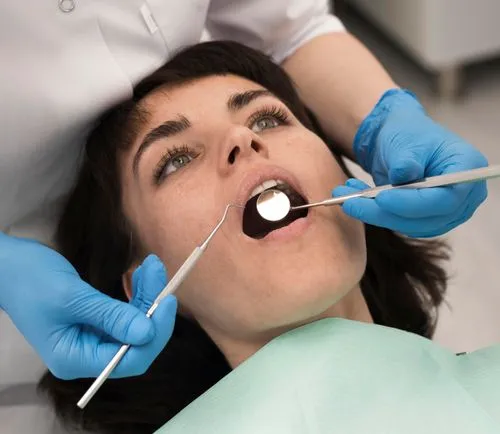
A vertical tooth fracture is a crack that runs from the chewing surface of your tooth down toward the root. To figure out exactly what we're dealing with, we start with a careful examination. We’ll look for the crack, which can sometimes be hard to see with the naked eye. We might use a special light or dye to make it more visible. An X-ray is also essential, as it helps us see how far the crack extends below the gumline. This diagnostic step is the most important part of the process because it tells us whether the tooth can be saved. Getting a clear picture of the fracture allows us to create a precise treatment plan tailored to your specific needs and our comprehensive dental services.
Saving the Tooth With a Root Canal or Crown
If our diagnosis shows the crack hasn't reached the root, there's a very good chance we can save your tooth. In these cases, the best course of action is often a root canal followed by a dental crown. The root canal treatment removes the inflamed or infected pulp from inside the tooth, which relieves the pain and prevents the damage from spreading. After the root canal, we place a custom-made crown over the entire tooth. This crown acts like a helmet, holding the tooth together, protecting it from further damage, and restoring its full strength and function so you can chew comfortably again.
Understanding When Extraction Is Necessary
Sometimes, a vertical fracture extends all the way through the root, essentially splitting the tooth in half. Unfortunately, when this happens, the tooth cannot be repaired. In this situation, an extraction is the only way to resolve the pain and prevent serious complications. Leaving a completely split tooth in your mouth can lead to a severe infection in your gums and jawbone. We know the idea of an extraction can be stressful, which is why we prioritize your comfort throughout the entire oral surgery process. We’ll make sure you are completely numb and can also discuss sedation options to help you feel relaxed.
Your Replacement Options After Extraction
If your tooth needs to be removed, we won't leave you with a gap in your smile. We have several excellent options for replacing the tooth, and we’ll help you decide which one is best for you. A dental implant is often the preferred choice, as it looks, feels, and functions just like a natural tooth. Another great option is a dental bridge, which uses the neighboring teeth as anchors to hold a new prosthetic tooth in place. For some, a removable partial denture is a suitable solution. We’ll discuss the pros and cons of each, considering your long-term health goals and budget, and can even review our Loyalty Discount Plan to make care more affordable.
The Risks of Leaving a Split Tooth Untreated
It’s tempting to hope a split tooth will somehow heal on its own, especially if the pain comes and goes. But ignoring it is one of the biggest risks you can take with your oral health. A vertical fracture is a serious issue that won't get better without professional care. In fact, waiting allows the problem to grow, leading to painful complications that are more difficult and expensive to treat. Let's walk through exactly what can happen if a split tooth is left untreated.
Infection, Abscess, and Further Complications
A crack in your tooth is like an open door for bacteria. Your mouth is full of germs, and a fracture gives them a direct path to the sensitive inner pulp of your tooth. Once inside, they can cause a serious infection. This often leads to a dental abscess, which is a painful pocket of pus that forms at the tooth's root. An abscess won't go away on its own and can cause throbbing pain, swelling, and a fever. If the infection isn't treated, it can spread beyond the tooth into your jawbone, gums, and even other parts of your face and neck, creating a much larger health emergency that may require oral surgery.
Damage to Your Gums, Jaw, and Other Teeth
The trouble with a split tooth doesn't stop with infection. The constant inflammation and bacterial presence can cause significant damage to the surrounding tissues. Your gums may become red, swollen, and tender, and you could develop periodontal (gum) disease as the infection attacks the structures supporting your tooth. The infection can also weaken and destroy parts of your jawbone, a serious complication that can affect your facial structure and the stability of neighboring teeth. A compromised tooth also disrupts your bite, putting uneven pressure on other teeth and potentially causing them to shift, wear down, or even crack under the extra strain. Our specialized treatments can address these issues, but prevention is always the best approach.
Why Waiting Increases Treatment Complexity and Cost
Putting off a visit to the dentist for a split tooth will almost certainly lead to more complex and costly procedures down the road. What might have been a straightforward fix with a dental crown can quickly become a situation requiring a root canal to save the tooth from a deep infection. If the crack is too severe or the infection has caused too much damage, the only option may be extraction. After an extraction, you’ll then need to consider replacement options like a dental implant or bridge to restore function and prevent other teeth from shifting. Acting quickly is your best defense. Early treatment is simpler, less invasive, and helps you avoid the pain and expense of a dental emergency. If you suspect you have a split tooth, please book an appointment right away.
How to Prevent a Tooth From Splitting
While it’s helpful to know what to do when a tooth splits, it’s even better to keep it from happening in the first place. The best defense is a good offense, and taking a few proactive steps can make a huge difference in keeping your teeth strong, healthy, and whole for years to come. Protecting your smile often comes down to reducing unnecessary strain and maintaining consistent care. By being mindful of certain habits and staying on top of your dental health, you can significantly lower your risk of experiencing a painful and stressful fracture.
Protect Your Teeth From Grinding and Injury
Many of us grind or clench our teeth without even realizing it, especially while we sleep. This condition, known as bruxism, puts a tremendous amount of pressure on your teeth, which can lead to tiny fractures that grow over time. If you wake up with a sore jaw or a dull headache, it might be a sign that you’re grinding. A custom-fitted nightguard is a simple and effective way to protect your teeth by creating a soft barrier that absorbs the force. Similarly, if you or your kids play contact sports, a sports mouthguard is essential for preventing dental injuries. We can help you find the right solution for your TMJ and sleep apnea concerns.
The Importance of Regular Dental Checkups
Think of your regular dental checkups as a safety net for your smile. These appointments are your first line of defense against issues like a split tooth. During your visit, we can spot and address potential problems, such as tiny cracks you can’t see or feel, long before they become major emergencies. Catching these things early often means treatment is simpler and less invasive. Of course, your daily habits are just as important. Brushing twice a day and flossing daily keeps your enamel strong and your gums healthy, making your teeth more resilient to damage. If it’s been a while since your last visit, you can easily book an appointment at one of our convenient locations.
Find Relief for Your Split Tooth at Smile Makers Dental Center
Discovering your tooth has split is alarming, but the most important thing you can do is act quickly. At Smile Makers Dental Center, we treat a vertically split tooth as a dental emergency, and our team is prepared to give you the immediate care you need. With six convenient locations across Northern Virginia, help is always close by. We prioritize urgent cases to get you out of pain and on the road to recovery as soon as possible.
When you come to one of our offices, our first step is to carefully assess the fracture. The right treatment depends entirely on how deep the crack goes and whether the root is affected. We use our expertise to determine if the tooth can be saved. If the root is still intact, we may be able to perform a root canal and place a crown to restore its function and appearance. If you managed to save a piece of the tooth, bring it with you, as it can sometimes help us in the restoration process.
In cases where the split is too severe and extends deep below the gumline, saving the tooth might not be possible. If an extraction is the necessary course of action, we won't leave you with a gap in your smile. We will walk you through all your replacement options, from dental implants to bridges, to find the solution that works best for you and your budget. Our goal is to restore your dental health and confidence.
Ignoring a split tooth can lead to serious infections and damage to your surrounding teeth and jaw. The sooner you get help, the better our chances are of saving your tooth and preventing more complex issues down the line. Don't wait for the pain to get worse. Book an appointment with us right away for an urgent evaluation.
Related Articles
- Emergency Dentist Woodbridge: Your Ultimate Guide
- Emergency Dentist Bailey's Crossroads: Your Guide
- Repair a Broken Tooth: Your Step-by-Step Guide
Frequently Asked Questions
Can a split tooth just heal on its own? Unfortunately, no. Unlike a broken bone, a tooth doesn't have the ability to heal itself or grow back together. A crack, no matter how small it seems, will not mend on its own. In fact, the daily pressures of chewing and talking will almost always cause the crack to worsen over time, creating a pathway for bacteria that can lead to infection and more severe pain. The only way to stop the damage is with professional dental treatment.
How can I tell if my tooth has a serious split or just a minor crack? It's very difficult to tell the difference on your own, and it's not something you should try to diagnose at home. A serious vertical split can sometimes look like a faint hairline that's almost invisible. We use special tools, lighting, and dental X-rays to determine the exact location and depth of a fracture. The most important thing you can do is pay attention to the symptoms, like pain when biting or new sensitivity, and let a professional figure out the cause.
I'm worried that fixing a split tooth will be painful. What should I expect? We understand this is a huge concern, and we always prioritize your comfort. Treating a split tooth is actually what gets you out of pain for good. We will make sure the area is completely numb before we begin any procedure. For more complex treatments or for patients who feel anxious, we can also discuss sedation options to help you feel calm and relaxed. Our goal is to make the experience as comfortable and stress-free as possible.
What happens if I can't afford treatment for a split tooth right away? We know that cost is a real concern. Please don't let it stop you from at least getting an evaluation. Delaying treatment for a split tooth almost always leads to more complicated and expensive procedures later on. We offer a Loyalty Discount Plan and are committed to working with our patients. Our office staff can discuss all your financial options with you to help you find a way to get the essential care you need.
Is a split tooth always considered a dental emergency? Yes, you should always treat a suspected split tooth as an urgent dental issue. Even if the pain seems to come and go, the underlying problem is serious and won't get better without intervention. The risk of infection and the possibility of the crack spreading are high. Calling us immediately allows us to assess the situation quickly, which gives us the best possible chance of saving your tooth and preventing further complications.