

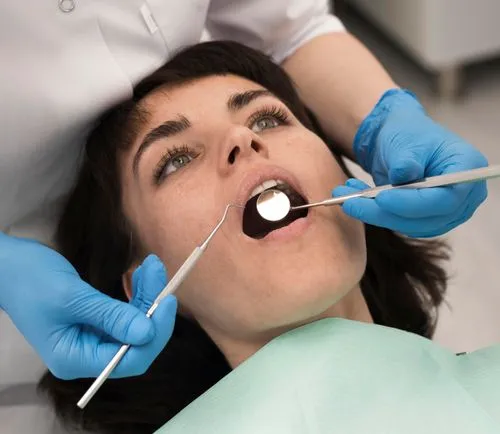




For many patients, the hardest part of a dental visit is not the procedure itself. It is the anticipation, unfamiliar sensations, or worry about staying comfortable. Nitrous oxide can be one option a dental team may discuss when anxiety or treatment discomfort is a concern. But whether it is appropriate depends on your health history, treatment, and ability to communicate during care.
A nitrous oxide dentist uses a blended nitrous oxide and oxygen mixture, usually delivered through a small nose mask. It may help some patients feel calmer and raise their pain threshold while they remain awake and responsive. The effect typically begins quickly and can wear off quickly after the gas is stopped. Your dental team must determine whether this option is suitable and explain its own preparation and recovery instructions. The American Dental Association provides additional clinical information.
Book an appointment to discuss your comfort options.
Understanding what the gas is, how it is delivered, and what you may notice can make that conversation easier. Start with the basics of how nitrous oxide works in a dental setting.
What Is Nitrous Oxide at the Dentist?
Nitrous oxide is an inhaled gas used with oxygen to help some patients feel calmer and more comfortable during dental care. It is often called laughing gas, although laughter is not the goal and not everyone experiences it. The American Dental Association describes nitrous oxide and oxygen as an option that can help manage pain and anxiety when used appropriately. You may also hear the approach called conscious sedation, relative analgesia, or nitrous oxide-oxygen sedation.
During treatment, the gas mixture is breathed through a small mask that rests over the nose. Nitrous oxide is colorless and has little odor, although some people notice a slightly sweet smell. Because it is inhaled, the dental team can discuss how you feel as treatment progresses and adjust the approach according to the clinical plan. Patients generally remain awake enough to hear questions and communicate, rather than being fully unconscious.
One reason nitrous oxide is discussed for dental anxiety is its rapid onset. The ADA identifies it as having the fastest onset among inhalation agents. The experience can vary, but some patients describe feeling relaxed, light, warm, or slightly detached from the procedure. Others notice little change beyond feeling less tense. Its effects may include anxiety relief and mild analgesia, and research reviews describe a raised pain threshold that may support the action of local anesthetic. It is not a replacement for every form of pain control, so your dentist should explain what anesthetic or other comfort measures the planned treatment may require.
Communication remains an important part of the visit. Tell the dental team what makes treatment difficult, whether you have had trouble with dental care before, and what sensations concern you most. A calm conversation can help the team distinguish anxiety from pain and respond appropriately. If fear is affecting your oral health, you can also read about a dental anxiety comfort plan.
General information cannot determine whether nitrous oxide is appropriate for you, and it does not confirm that this option is available at a particular Smile Makers location. Ask the dental team about your health history, the planned procedure, available comfort options, and what to expect before choosing a treatment approach.
Who May Be a Candidate for Nitrous Oxide?
Whether nitrous oxide is appropriate depends on the individual patient, not simply on age or nervousness. A dental team considers the reason for treatment, the patient's ability to understand and follow instructions, and the level of comfort support that may be helpful. Nitrous oxide and oxygen may help reduce anxiety and provide mild pain relief when used appropriately. But it is not automatically the right choice for every appointment or every person. The American Academy of Pediatric Dentistry recommends considering a child's physical and emotional development. Medical and dental history, and the treatment being provided before nitrous oxide and oxygen are used. AAPD guidance on nitrous oxide provides additional clinical context.
For children, development can affect how well they can breathe through a mask, remain comfortable with the equipment, and communicate with the dental team. A child who can listen, answer questions. And signal discomfort may be better able to participate in this approach than a child who cannot yet tolerate the mask or follow directions. That does not make one response good or bad. It helps the provider choose an approach that matches the child's needs and the planned treatment. Families may also find it helpful to review guidance on preparing a child for a dental visit before an appointment.
What the dental team reviews
A screening conversation may include current and past medical conditions, dental history, medications or other relevant health information, previous experiences with dental care, and the procedure itself. The provider also considers alternatives, including behavior guidance or another comfort option, rather than treating nitrous oxide as the only solution. The goal is a thoughtful match between the patient, the treatment, and the available support.
For children, adolescents, and people with special health care needs. The AAPD describes judicious nitrous oxide and oxygen use as one possible way to control anxiety associated with dental treatment. The same guidance emphasizes provider training, appropriate equipment, monitoring, possible adverse effects, and occupational safety. Research reviews likewise note that clinicians should consider appropriate indications to maximize the effectiveness of nitrous oxide inhalation sedation. These points support individualized screening, not a universal eligibility checklist.
Smile Makers Dental Center provides family dental care and discusses comfort and sedation options generally. But its nitrous oxide availability, eligibility criteria, preparation instructions, monitoring details, and recovery protocol are not confirmed as practice-wide policies. Ask the dental team whether this option is available at your location and share your complete health history. They can explain the choices, answer questions about the planned treatment, and determine what is appropriate for you or your child.
What Does Nitrous Oxide Feel Like During Treatment?
People experience nitrous oxide differently, but the sensation is often described as light, relaxed, or mildly dreamy rather than deeply asleep. Nitrous oxide has a rapid onset among inhaled agents, so the dental team can notice how you are responding and adjust the approach as needed. The gas is colorless and has little odor, although some people notice a faintly sweet smell.
It is delivered with a small nose mask. You continue breathing normally through your nose while the gas and oxygen mixture is administered. Because this is generally a lighter form of sedation, many patients remain awake and able to answer questions or tell the dental team how they feel. If the mask feels uncomfortable, your breathing feels unusual, or you become more uneasy instead of less, tell the team right away.
Relaxation is not the same as complete numbness
Nitrous oxide may reduce anxiety and provide mild analgesia, and clinical reviews describe an increase in pain threshold. That can make dental care feel more manageable, especially when worry or sensitivity is part of the experience. However, it is not a promise that you will feel no sensation at all. Nitrous oxide does not replace local anesthetic when a procedure requires an area of the mouth to be numb. Your dentist may still recommend local anesthetic, depending on the treatment and your individual needs.
The goal is to support comfort, not to make every patient feel exactly the same. Some people notice warmth, tingling, floating, or a sense that time is passing differently. Others mainly notice that they feel calmer and can focus on the conversation. A history of dental anxiety, your health history, the planned procedure, and your response during treatment all matter when discussing comfort options. General information cannot determine whether nitrous oxide is appropriate for you, and availability or protocols can vary by dental office.
Before treatment, share your concerns, medications, medical conditions, and any previous experience with sedation. Ask what you should expect, whether local anesthetic may be needed, and what instructions apply after the appointment. These questions help you and the dental team choose an approach based on your health and the planned care.
Schedule an appointment to discuss your comfort options.
How Safe Is Nitrous Oxide in a Dental Office?
Safety depends on more than the gas itself. It depends on thoughtful screening, appropriate administration, attentive monitoring, trained providers, and a well-maintained delivery system. The American Dental Association notes that properly administered nitrous oxide-oxygen sedation has an inherent safety margin. But that does not mean every patient will respond in the same way or that complications are impossible. Individual response can vary, so these are general clinical principles rather than a description of confirmed Smile Makers-specific protocols.
Screening and informed consent come first
Before treatment, the dental team should review a patient's health history, current medications, allergies, prior reactions to sedation, and the planned procedure. The conversation should also cover alternatives, what the patient may experience, and how the team will monitor comfort and responsiveness. Patients and parents should have an opportunity to ask questions and give informed consent. For children, guidance from the American Academy of Pediatric Dentistry emphasizes considering physical and emotional development. Medical and dental history, treatment needs, alternatives, provider training, equipment, monitoring, possible adverse effects, and occupational safety. AAPD guidance supports using nitrous oxide judiciously and selecting appropriate indications.
Monitoring and trained providers support a controlled experience
Nitrous oxide is often discussed as a lighter form of sedation, but sedation exists on a continuum. The ADA explains that it is not always possible to predict precisely how an individual patient will respond, including whether sedation could become deeper than intended. For that reason, qualified dental professionals should have the training, skills, medications, and equipment needed to recognize and manage a change in response. Monitoring should continue throughout administration and recovery according to the provider's clinical judgment and applicable standards. A calm conversation about how the office observes breathing, responsiveness, and comfort can help patients understand the process without creating unrealistic expectations.
Equipment, ventilation, and leak prevention matter
Delivery systems are designed with multiple audio and visual safety features intended to help avoid adverse events. Reliable care also requires routine inspection and maintenance of hoses, connections, and fittings so leaks can be identified and repaired promptly. The National Institute for Occupational Safety and Health recommends minimizing workplace exposure and identifies maintenance, ventilation, and good work practices as important controls. A properly maintained scavenging system can capture gas from the patient's mask and exhaust it outdoors, while adequate room ventilation helps reduce residual concentrations in the operatory. These measures protect the dental team as well as patients.
If you are considering a nitrous oxide dentist for yourself or your child, ask how the practice screens patients, monitors treatment, maintains its equipment, and handles recovery. Smile Makers' general materials describe patient-centered sedation and safety practices, but they do not confirm nitrous oxide availability or a nitrous-specific protocol at any particular office. Discuss your health history and comfort concerns directly with the dental team before assuming this option is appropriate.
Learn more about nitrous oxide safety from the ADA and review NIOSH recommendations for reducing dental-office exposure.
How Does a Nitrous Oxide Dentist Compare Options with Oral or IV Sedation?
The right comfort option depends on the procedure, your health history, your anxiety level, and how much awareness you want to maintain. Nitrous oxide is inhaled through a nose mask and is often discussed as a lighter form of sedation. Oral sedation involves taking medication, while IV sedation delivers medication through a vein and may create a deeper level of relaxation. These categories are useful for understanding the conversation, but they are not a personal recommendation.
| Consideration | Nitrous oxide | Oral sedation | IV sedation |
|---|---|---|---|
| Route | Inhaled with oxygen through a nose mask. | Medication taken by mouth according to the dental team's instructions. | Medication delivered through an intravenous line. |
| Awareness and communication | Many patients remain awake and can communicate, although sensations vary. | Relaxation and alertness can vary with the medication and individual response. | Often provides a deeper level of sedation, with awareness and communication depending on the planned level. |
| Planning considerations | The team's assessment may include the procedure, anxiety, health history, and ability to use the mask comfortably. | The team may review medications, health history, escort needs, and instructions before treatment. | The team may review medical history, monitoring, transportation, and preparation requirements in detail. |
| Recovery discussion | Nitrous oxide leaves the body through exhalation and is removed rapidly, but follow the office's instructions. | Medication effects may last longer, so the team should explain post-treatment precautions. | Recovery planning commonly includes monitoring and arranging a responsible ride, based on the office's protocol. |
The main practical difference is control and depth. Nitrous oxide can be adjusted or stopped during treatment, and the ADA describes it as having a rapid onset among inhaled agents. Its low solubility supports rapid removal through exhalation. Still, rapid does not mean every person can immediately resume every activity. Recovery instructions should come from the treating team.
Oral or IV sedation may be considered when a patient needs a different level of relaxation. Has a longer or more involved procedure, or cannot comfortably use a nose mask. Those are planning considerations, not universal rules. A review of what to expect with IV sedation can help explain the route and recovery conversation. You can also learn about other dental sedation options.
Because sedation is a continuum, individual responses can differ from the intended level. Qualified dental professionals should evaluate the options, explain monitoring and recovery requirements, and consider your complete health history before recommending an approach.
Frequently Asked Questions
Is nitrous oxide worth it at the dentist?
It may be worthwhile for patients whose dental anxiety, discomfort, or difficulty relaxing makes treatment harder. Evidence suggests nitrous oxide and oxygen can help manage anxiety and pain when used appropriately, but the benefit depends on your health history, procedure, and comfort goals. A systematic review reported a 94.9% overall mean success rate across 19 studies, but that result is not a guarantee for every patient. Ask your dental team whether it is suitable and whether Smile Makers offers it at your location.
Do you still feel pain with laughing gas?
You may still notice pressure, movement, or some sensations during treatment. Nitrous oxide can reduce anxiety, provide mild analgesia, and raise the pain threshold, but it does not necessarily eliminate pain or replace local anesthesia. Tell the dentist if you are uncomfortable so the team can pause, explain the next step, or discuss additional pain-control options. Clinical review evidence describes nitrous oxide as support for, rather than a guarantee of, pain control.
Why do some dentists not use nitrous oxide?
Availability depends on the office, equipment, staff training, patient selection, procedure, and local clinical protocols. Safe use requires appropriate screening, delivery equipment, monitoring, maintenance, ventilation, and exposure-control practices. Patient response can also vary, so qualified providers must be prepared to manage a deeper-than-intended response. Smile Makers-specific availability and protocols require confirmation with the dental team.
What are the negative side effects of nitrous oxide?
Some patients may experience temporary nausea, dizziness, headache, or an unpleasant sensation. Side effects and responses vary, so tell the team about your medical history, medications, prior sedation experiences, and any symptoms during treatment. Pediatric guidance recommends considering development, health history, treatment needs, alternatives, monitoring, and potential adverse effects before use. General education cannot determine whether nitrous oxide is appropriate for you.
How long does recovery from nitrous oxide take?
Nitrous oxide is removed rapidly through exhalation because it has low solubility in the body. Many patients feel alert soon after the gas is stopped, but recovery instructions can vary with the procedure, other medicines, and your individual response. Follow the dental team's instructions about eating, driving, work, school, and supervision. Confirm Smile Makers' specific recovery and transportation protocol before treatment.
Ready to Discuss Your Comfort Options?
Questions about dental anxiety, nitrous oxide, or other ways to feel more comfortable are worth bringing to your dental team. A conversation about your health history, concerns, and treatment goals can help you understand which options may be appropriate, without assuming one approach fits everyone.