

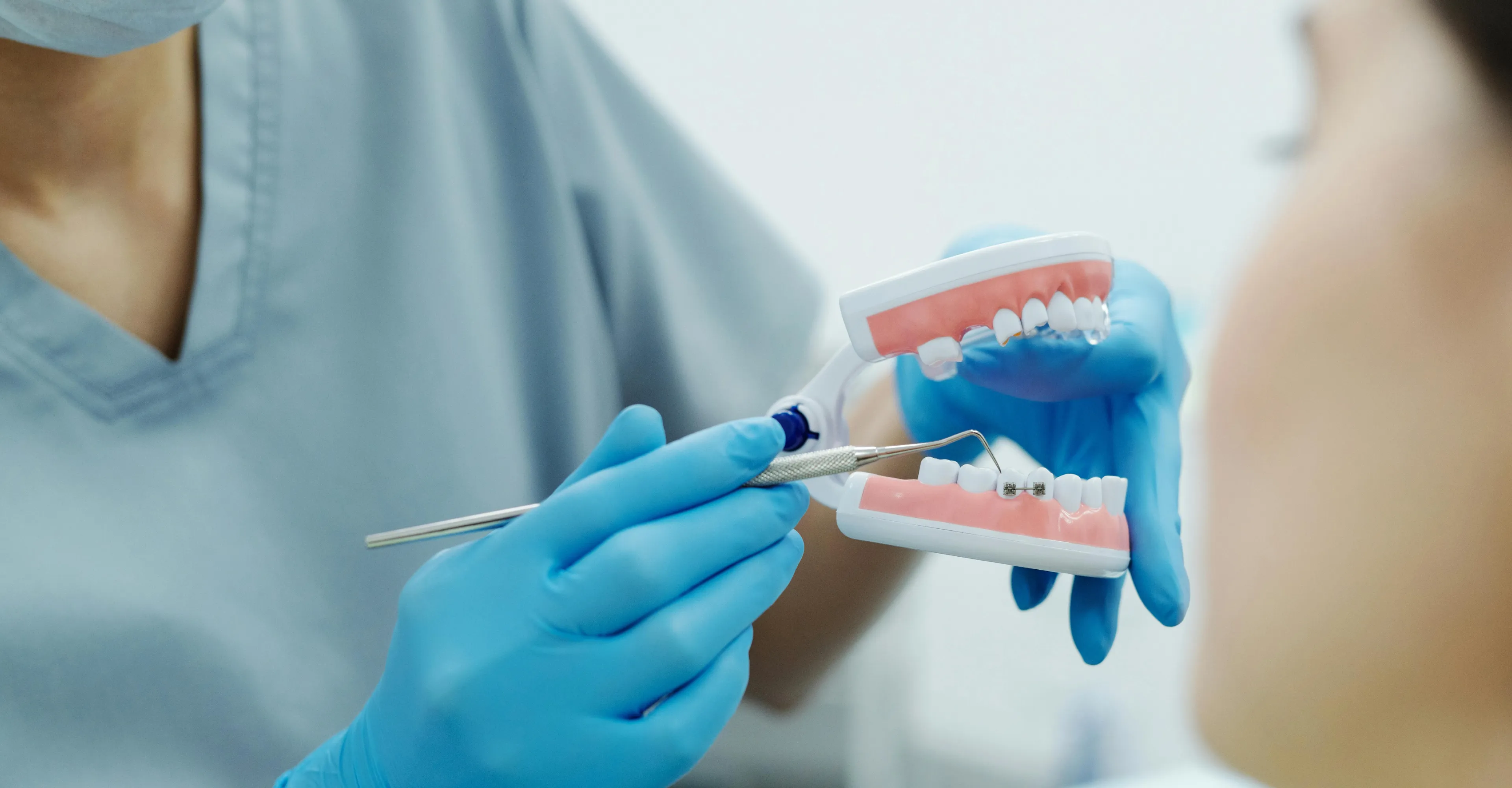



Taking your toddler to the dentist for the first time is a major milestone. You want to make sure their introduction to oral care is gentle, stress free, and positive. By preparing ahead of time, you can set the foundation for a lifetime of healthy and happy smiles.
A child first dental visit focuses on helping your little one feel safe and comfortable in the dental chair. During this initial appointment, a pediatric dentist will perform a gentle. Non invasive exam to check tooth development, clean any existing teeth, and look for signs of early decay. According to research on the first baby dental visit, this appointment also serves as an educational session where parents receive expert guidance on brushing techniques, teething, and nutrition. Establishing this routine early helps children view dental care as a normal, positive experience. It is a quick, friendly visit designed to build trust and keep your child's developing smile on track.
Knowing what to expect can ease any parental worry and help you prepare your toddler for a smooth office visit. Let's look closer at the perfect timing for this milestone, starting with When Should Your Child Have Their First Dental Visit?
Child First Dental Visit: When Should Your Child Have Their First Dental Visit?
Many parents wonder about the right time to start professional dental care. A common myth is that children do not need to see a dentist until they are old enough for school. However, waiting that long can lead to hidden decay and missed opportunities for early prevention. Knowing when to plan your comprehensive family dentistry services is key to a lifetime of healthy smiles.
Timing Guidelines
Major health groups agree on when to schedule a child first dental visit. The American Academy of Pediatric Dentistry recommends a first visit by age one, or within six months of the first tooth. Taking your child when that first tooth erupting ensures that early growth is on track. This early milestone helps establish a strong baseline for their oral health journey.
Starting early allows the dentist to check for proper jaw development and tooth alignment. It also gives dental teams a chance to clean teeth before any plaque builds up. These initial appointments are vital for catching small issues before they become painful, costly problems.
The Dental Home Concept
Starting care by age one establishes what experts call a dental home. This is an ongoing relationship between the dentist, the child, and the parents. A dental home provides a safe, familiar place for all future dental needs. When children visit the same office regularly, they build trust with the team and feel less anxious during cleanings.
A dental home also means parents have a trusted source to turn to for guidance. You can ask about teething, pacifiers, finger sucking, and how to clean tiny teeth. Having a steady partner in oral health makes it much easier to keep your child's smile on track.
Critical Needs at Age One
The first year of life is a key time to prevent baby bottle tooth decay. This type of decay happens when sugary liquids, like milk or juice, sit on a baby's teeth for long periods. Dentists use the first visit to teach parents how to avoid this issue by cleaning baby gums and feeding safely. They also provide vital guidance on using fluoride to make the growing enamel strong.
Some parents think baby teeth do not matter because they fall out later. In truth, baby teeth hold the space for permanent teeth and help your child chew and speak. Protecting them with early care is essential for healthy development.
Reducing Dental Fear
Starting visits early has a major impact on how children feel about the dentist. Academic research shows that starting dental care before age two protects children from developing dental fear. A study from the National Institutes of Health found a link between early visits and lower dental anxiety. This study reported a significant correlation of r = -0.36, showing that early visits help prevent future fear.
When visits are a normal part of life from a young age, they do not seem scary. The dentist's office becomes a friendly place rather than a source of stress. This early peace of mind can prevent lifelong dental avoidance and phobias.
Risks of Waiting
Waiting until age two or three to schedule a first visit increases the risk of dental issues. By this age, many toddlers have already developed early cavities. They may also have poor oral habits that are hard to break. If a child's first visit is for a painful cavity treatment, they are much more likely to develop a lasting fear of dental care.
Do not wait for pain or a visible issue to book an appointment. Prevention is the best way to keep dental care gentle, positive, and affordable. Scheduling that first visit by age one protects both your child's health and their emotional well-being.
| Age of First Visit | Typical Experience | Dental Fear Risk | Key Outcome |
|---|---|---|---|
| By age 1 (recommended) | Gentle exam, parent guidance, fluoride advice | Low (child acclimate early) | Establishes dental home, prevents baby bottle decay |
| Age 2 to 3 | May require more coaxing, possible first cavity treatment | Moderate (less familiarity) | Higher chance of needing restorative care |
| Age 4 or older | Often driven by pain or visible decay | High (association with pain) | Emergency treatment common, fear and avoidance likely |
How to Prepare Your Child for Their First Dentist Appointment
A child first dental visit is a big milestone in your family health journey. Helping your young child feel safe and calm before they sit in the chair is key to a positive start. By taking a few simple steps at home, you can turn a potentially scary event into a fun and easy experience. You can find more helpful resources for your visit by reading about preparing for your appointment online.
Plan a Morning Appointment
Timing can make a huge difference in how your young child acts during their visit. It is usually best to schedule the appointment in the early morning. Children are typically well-rested, alert, and more cooperative early in the day. Do not schedule during normal nap times or late in the afternoon when your child is tired. Fatigue makes it much harder for young kids to manage stress.
Use Simple and Positive Words
The way you speak about the dental office shapes how your child feels about it. Avoid scary terms like "pain," "hurt," "drill," or "shot." Instead, use simple, friendly terms to explain what will happen. Tell them the dentist is a friendly helper who will count, shine a bright light on, and clean their teeth. Keep your explanations short and sweet so your child does not feel overwhelmed by too many details before they arrive.
Read Books and Play Dentist
Reading books together is a great way to make the dental office feel familiar. Look for popular children's books that feature beloved characters going to the dentist. Great options include The Berenstain Bears Visit the Dentist or Just Going to the Dentist by Mercer Mayer. You can also play dentist at home. Use a toothbrush to count your child's teeth, then let them count yours. This fun role-play helps demystify the process and makes it feel like an exciting game.
Age-Specific Preparation Steps
Your preparation strategy should match your child's developmental stage. For toddlers, focus on comfort and simple sensory expectations. Explain that someone will look in their mouth and count their teeth. For preschoolers, emphasize the fun aspects like riding in the special moving chair and getting a new toothbrush. For school-age children, you can discuss the importance of keeping teeth strong. Let them take an active role by filling out simple patient forms with you.
- Complete forms early: Fill out all pediatric health history online before your visit. This saves time and reduces lobby wait times.
- Bring a comfort item: Let your child choose a favorite stuffed animal, toy, or blanket. Holding it during their exam will help them feel secure.
- Keep your own anxiety in check: Children can sense when their parents are nervous. Stay calm, smile, and speak in a relaxed voice throughout the process.
- Plan a small reward: Offer a simple, non-sweet reward like a trip to the local park or a fun sticker after the appointment is complete.
Starting dental visits at an early age helps prevent dental fear, which is a common barrier to lifelong oral health care. Clinical studies published by the National Institutes of Health confirm that introducing children to the dental office before age two plays a major role in protecting them from developing dental anxiety. Taking the time to prepare your child now builds a strong foundation for a lifetime of healthy, happy smiles.
What Happens During a Child's First Dental Visit
Knowing what to expect can help ease parent anxiety before a child first dental visit. The first appointment is a friendly introduction to our office team. We keep the mood light and fun so your child feels safe. Most early visits last between 30 and 45 minutes, which gives us plenty of time to talk with you without rushing your little one.
A Warm Welcome and Easy Check-In
Your child's visit begins with a warm welcome from our front desk team. We invite you to arrive early so your child can get used to the sounds and sights of the office. Our staff will guide you through the check-in process and make sure you feel at home. This slow start helps children feel relaxed before they even sit in the dental chair.
The Knee-to-Knee Exam Position
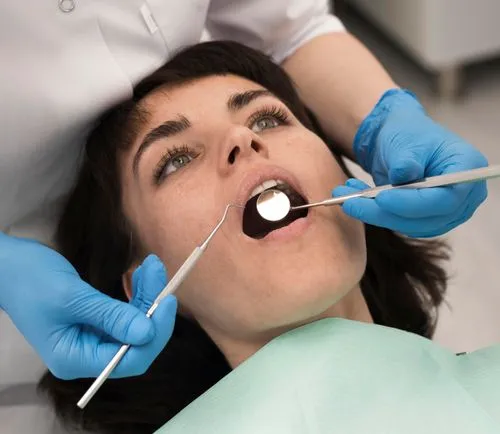
We use a gentle knee-to-knee position for infants and toddlers during the exam. In this setup, you sit in a dental chair facing the dentist. Your child sits on your lap, facing you. Then, you gently lay your child's head down into the lap of the dentist. This allows your child to see your face and hold your hand the entire time. It gives the dentist a clear view while keeping your child calm.
A Gentle Check of Teeth and Gums
The dentist will gently check your child's new teeth, gums, and bite. We look at the tooth eruption pattern to make sure development is on track. We also check the soft tissues of the mouth for any signs of irritation. This early exam is a key part of pediatric care. Research from the National Institutes of Health shows the first visit is mostly about introducing the dental environment. It is also a great time to give helpful education to parents.
Age-Appropriate Cleaning and Fluoride
The dental cleaning process varies depending on the age of your child. For babies, we gently wipe the teeth and gums with a soft cloth or toothbrush. For toddlers over age two, we use a small, soft brush to remove soft plaque. After the cleaning, we may apply a safe fluoride varnish to strengthen the tooth enamel. We only take digital dental x-rays when necessary, such as for older kids to monitor development or check for hidden decay.
Guiding Parents on Oral Care Habits
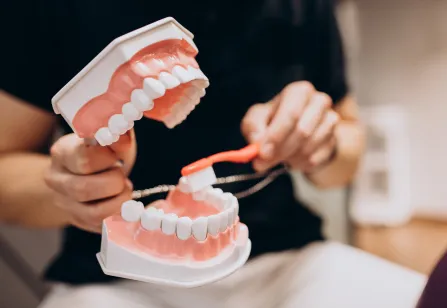
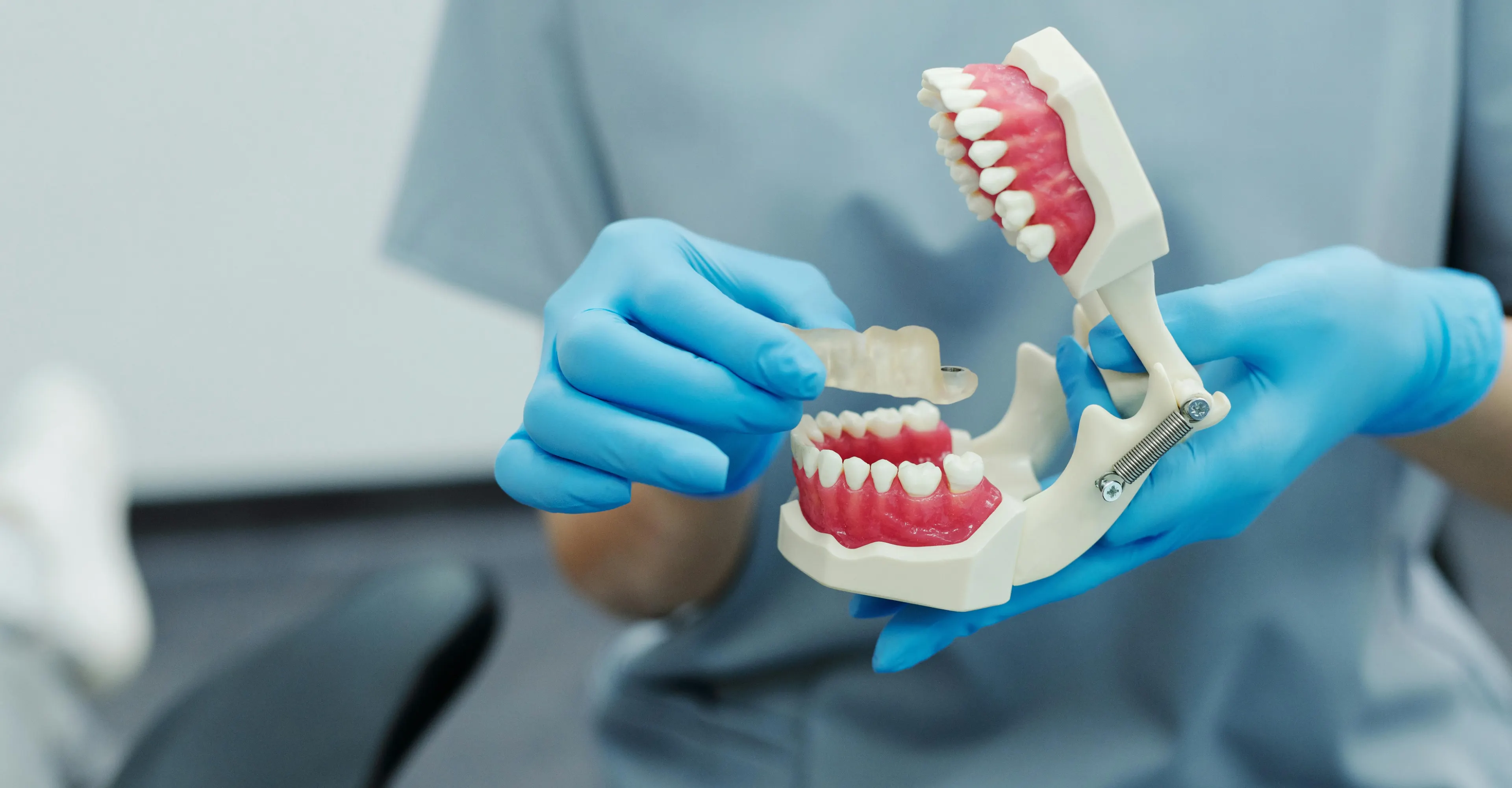
The final step of the visit is parent education. We will show you the best way to brush tiny teeth and talk about proper nutrition. We also discuss common topics like pacifier use, thumb-sucking, and bottle habits. Our dentists give practical tips to help you build healthy habits at home. This support ensures you feel confident caring for your child's growing smile.
Tips for a Positive and Stress-Free Dental Experience
A child first dental visit can feel like a major milestone for both parents and kids. With the right approach, you can set a positive tone for your child's future oral health. Preparing for this visit involves simple home routines, positive language, and choosing a supportive dental team.
How to Prepare at Home Days Before the Visit
You can begin preparing your child several days before the appointment. Read children's books about going to the dentist to help them understand what to expect. You can also play dentist at home. Use a toothbrush to gently count your child's teeth, and let them count yours. This simple role-play makes the concept of a dental exam familiar and fun.
When you talk about the visit, always use positive and simple terms. Avoid words that might cause fear, such as "hurt" or "pain." Focus on how the dentist will clean and count their teeth to keep them strong. Using gentle and supportive words helps frame the dentist as a friendly helper.
The Morning Routine and the Car Ride
On the morning of the appointment, keep the routine calm and predictable. A rushed morning can raise your child's anxiety before you leave the house. Schedule the visit at a time when your child is well-rested, such as in the morning. Hungry or tired children are much more likely to feel overwhelmed during new experiences.
During the car ride, keep the conversation light and reassuring. You might say, "We are going to visit our dental friends." It is also vital for you to model calm behavior. Children quickly pick up on parental stress. If you stay relaxed and cheerful, your child is much more likely to feel safe and secure during their child first dental visit.
In-Office Strategies and Positive Reinforcement
When you arrive, a child-focused office will use special methods to help your child feel at ease. Many practices offer desensitization visits. These are short appointments where your child can meet the team and sit in the chair without any treatment. For older children who feel anxious, safe sedation options like nitrous oxide, or happy gas, can help them relax.
After the visit is complete, use positive reinforcement to celebrate their success. Praise your child for specific good behaviors, such as sitting still. Many family offices offer small rewards like stickers. These small tokens make the visit end on a high note. Understanding these choices is just one of the many benefits of a family dentist who knows how to care for growing smiles.
Gentle Care at Smile Makers Dental Center
At Smile Makers Dental Center, the team specializes in creating a warm, patient-centric environment. The compassionate staff is trained to manage dental anxiety with gentle care and clear, simple explanations. By focusing on comfort, they ensure that early dental visits protect children from developing dental fear. This benefit is highlighted in research published by the National Institutes of Health. This supportive approach helps your child build a happy relationship with dental care that lasts.
Why Early Dental Visits Matter for Long-Term Oral Health
A child first dental visit does much more than just check for new teeth. It sets the stage for a lifetime of healthy smiles. When parents schedule this milestone early, they help protect their child from dental anxiety. Starting visits at a young age builds comfort and trust in the dental chair.
Protecting Baby Teeth for Permanent Success
Many parents believe that baby teeth do not matter because they eventually fall out. However, these primary teeth are vital for your child's development. They hold the exact space needed for permanent teeth to grow in the right positions. If a baby tooth is lost too soon due to decay, the surrounding teeth may shift into that open space. This shifting can block permanent teeth from coming in straight, which often leads to complex orthodontic issues later in life.
Early visits also allow dentists to find issues like bottle caries, tongue tie, and teething problems before they cause pain. Catching these concerns early prevents infection and protects the developing jaw. Dentists can also spot thumb-sucking habits that might alter the shape of your child's palate. By guiding the growth of the mouth early, a dentist can often reduce the need for major orthodontic work in the future.
Reducing Fear and Dental Anxiety
Dental anxiety is a common hurdle for many adults, but it often starts in childhood. Bringing your child to the dentist early is the best way to prevent this fear. Clinical research shows that starting dental visits before age two helps protect children from developing dental fear. This early introduction helps them see the office as a safe, friendly place rather than a source of stress.
Studies also show a strong link between regular visits and lower levels of anxiety. According to a study published by the National Institutes of Health, there is a significant negative correlation between dental fear and how often a child visits the clinic (r = -0.65, p < 0.01). This means that children who have regular six-month visits feel much less fear. Establishing this routine early turns a potentially scary event into a normal, stress-free habit.
Establishing a Reliable Dental Home
A dental home is a warm, ongoing relationship between the dentist and the family. This concept ensures that your child has a familiar place to go for both routine checkups and dental emergencies. Having a trusted clinic means you know exactly who to call if your toddler chips a tooth or has a sudden toothache. This relationship removes the panic of finding care during an emergency.
A dental home also makes it easy for parents to learn about proper home care. During these early visits, you can get advice on brushing techniques, diet, and fluoride use. Choosing a local clinic allows you to discover the benefits of a family dentist who can care for your entire household under one roof. This consistent care keeps your child's oral development on track as they grow.
Why Smile Makers Dental Center Is the Right Choice for Your Family
Choosing the right practice for a child first dental visit is a big decision. At Smile Makers Dental Center, the team has built a compassionate, family-oriented philosophy since day one. The goal is to make every visit positive, stress-free, and comfortable for both you and your child. With a strong focus on patient comfort, the practice provides comprehensive family dentistry services that grow with your family's needs over time.
Convenient Care Across Northern Virginia
Busy schedules can make family dental visits hard to plan. To make care simple, the practice has offices in seven convenient Northern Virginia locations. Families can find modern, welcoming clinics in McLean, Falls Church, Bailey's Crossroads, Arlington, Alexandria, Leesburg, and Woodbridge. Each office features a warm, child-friendly environment designed to reduce dental fear from the very first moment. This wide network means you can always find reliable, top-quality oral healthcare close to your home or school.
Gentle Treatment and Patient Comfort
Young children often feel anxious about visiting a clinic. To help them feel safe, the dental team specializes in gentle pediatric techniques and offers safe sedation dentistry for anxious children. This patient-centric care has earned the practice a strong 4.7-star rating with over 500 patient reviews praising the kind, patient, and meticulous staff. Providing supportive and professional care is a core pillar of the practice philosophy. Early dental care builds a positive relationship between your kid and the dentist. Indeed, starting visits early is shown to protect children from future fear according to medical research in paediatric dentistry.
A Full Range of Dental Services
Your family's oral health needs will change as your kids grow up. The practice offers complete dental services to care for patients of all ages, from toddlers to grandparents. You can get routine child cleanings, Invisalign, pediatric care, and same-day dental crowns all in one place. By keeping care under one roof, you can trust that your family always receives consistent, honest, and high-quality treatment from professionals who know your medical history. This makes managing appointments easy and ensures continuous, high-quality care for years to come.
Patient Feedback and Records That Speak for Themselves
The trust that local families place in Smile Makers shows in their reviews. The practice maintains a 4.7-star average rating across hundreds of verified patient reviews. Parents frequently mention the gentle, patient approach their children receive and how the staff takes time to explain each step. Many families drive from across Northern Virginia specifically because their children feel safe and comfortable at every visit. This level of patient loyalty is built through consistent, honest care from a team that genuinely cares about your family's wellbeing.
Frequently Asked Questions
When should a child have their first dental visit?
According to the National Institutes of Health, starting dental visits before age two helps protect children from developing dental fear. Leading organizations like the American Academy of Pediatric Dentistry recommend scheduling your child first dental visit by their first birthday. Or within six months after their first tooth appears.
How can parents prepare a child for their first dentist appointment?
Parents can prepare by reading picture books about dental visits and playing dentist at home to make the concepts familiar. Keep your language positive and simple when talking about the appointment. It also helps to fill out your intake forms online beforehand to reduce wait times and keep your child calm.
What happens during a child first dental visit?
A typical first visit is quick, gentle, and highly educational. A pediatric dentist will count your child teeth, examine their gums and bite, and check for early decay. According to a study on early childhood dental care, this initial appointment focuses heavily on introducing the child to the clinic environment and teaching parents how to clean tiny teeth.
Is it normal for a child to feel anxious during their first dental visit?
Yes, it is very common for children to feel anxious in a new environment. Pediatric dental teams are trained to use gentle, comforting techniques to ease their nerves. Clinical data shows that scheduling regular checkups every six months builds trust and significantly reduces dental anxiety as children grow older.
What can I expect to pay for a child's first dental visit?
Most dental insurance plans cover preventive exams and cleanings for children with little to no out-of-pocket cost. At Smile Makers Dental Center, the team explains all costs upfront before any treatment. They also offer flexible payment options and discount plans for families without insurance. A routine first exam and cleaning typically costs between $50 and $150 for uninsured patients, though this varies by location and specific services provided.
What if my child cries or refuses to open their mouth?
This is completely normal and expected. Pediatric dentists are trained to work with nervous children using a tell-show-do technique. They may let your child hold the dental mirror, count their fingers first, or use a small puppet to demonstrate. The main goal for a first visit is simply to create a positive experience, not to complete an exam at all costs. Many pediatric practices consider a visit successful if the child simply sits in the chair and leaves with a smile.
Do baby teeth really need dental care if they fall out anyway?
Yes, absolutely. Baby teeth serve critical functions: they hold space for permanent teeth, guide proper jaw development, and allow children to chew and speak correctly. Decay in baby teeth can spread to developing permanent teeth underneath, cause pain that affects eating and sleep, and lead to expensive emergency treatment. Starting preventive care early helps avoid these problems and establishes strong oral health habits that last a lifetime.
Ready to Schedule Your Child's First Dental Visit?
Delaying your child's first dental visit can lead to early tooth decay and make future dental care feel scary for them. When you start routine dental checkups by age one, you protect your child from avoidable oral pain, prevent common childhood cavities, and help them build great lifetime habits. Our friendly team in Northern Virginia makes sure their very first appointment is a warm, happy experience that puts both you and your little one completely at ease. Let us help your child start their dental journey with a positive and comfortable visit.
Ready to schedule your child's first dental visit? Call (703) 846-8225 to book a gentle pediatric checkup at our convenient family dental center today.