
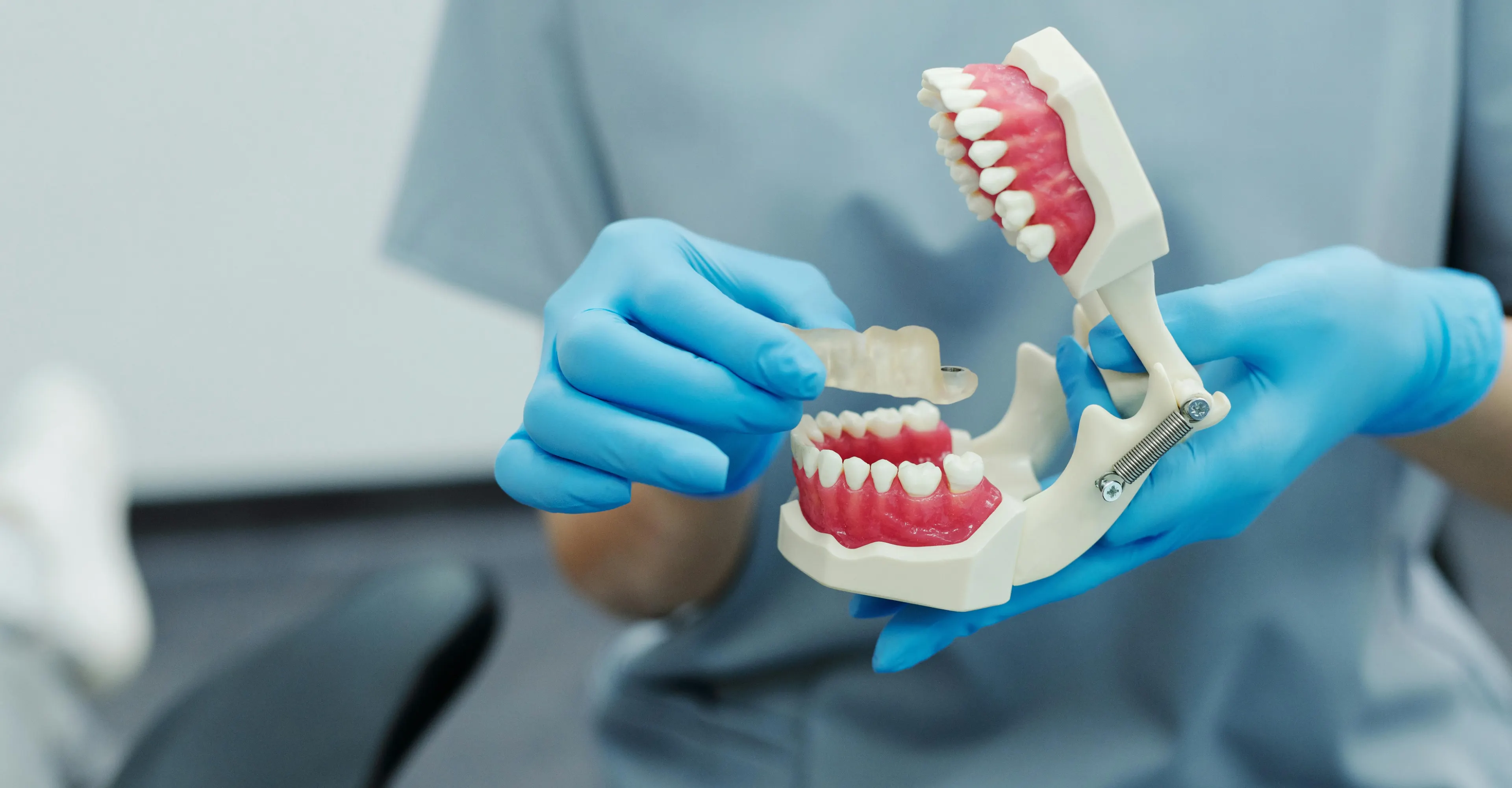
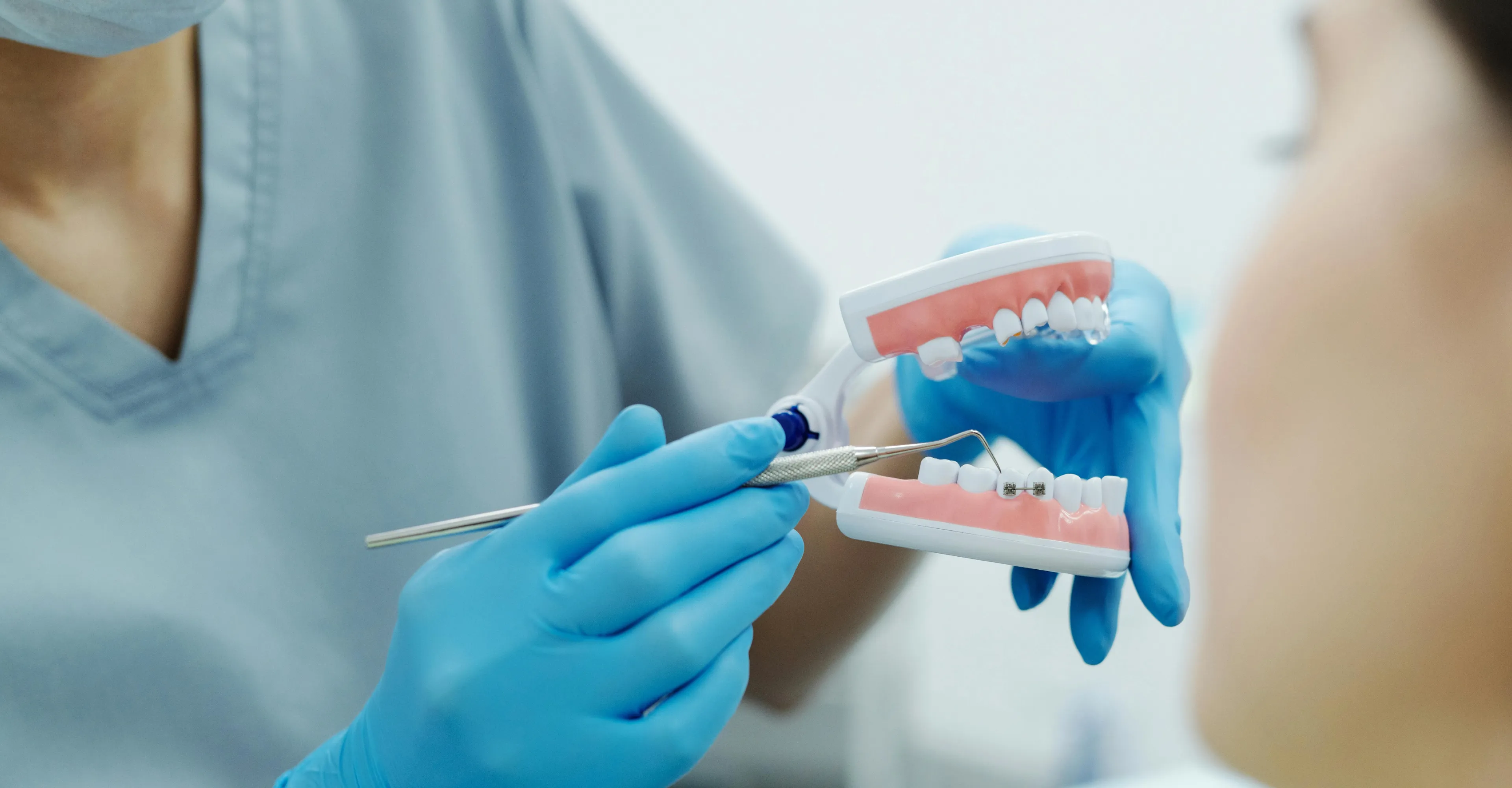
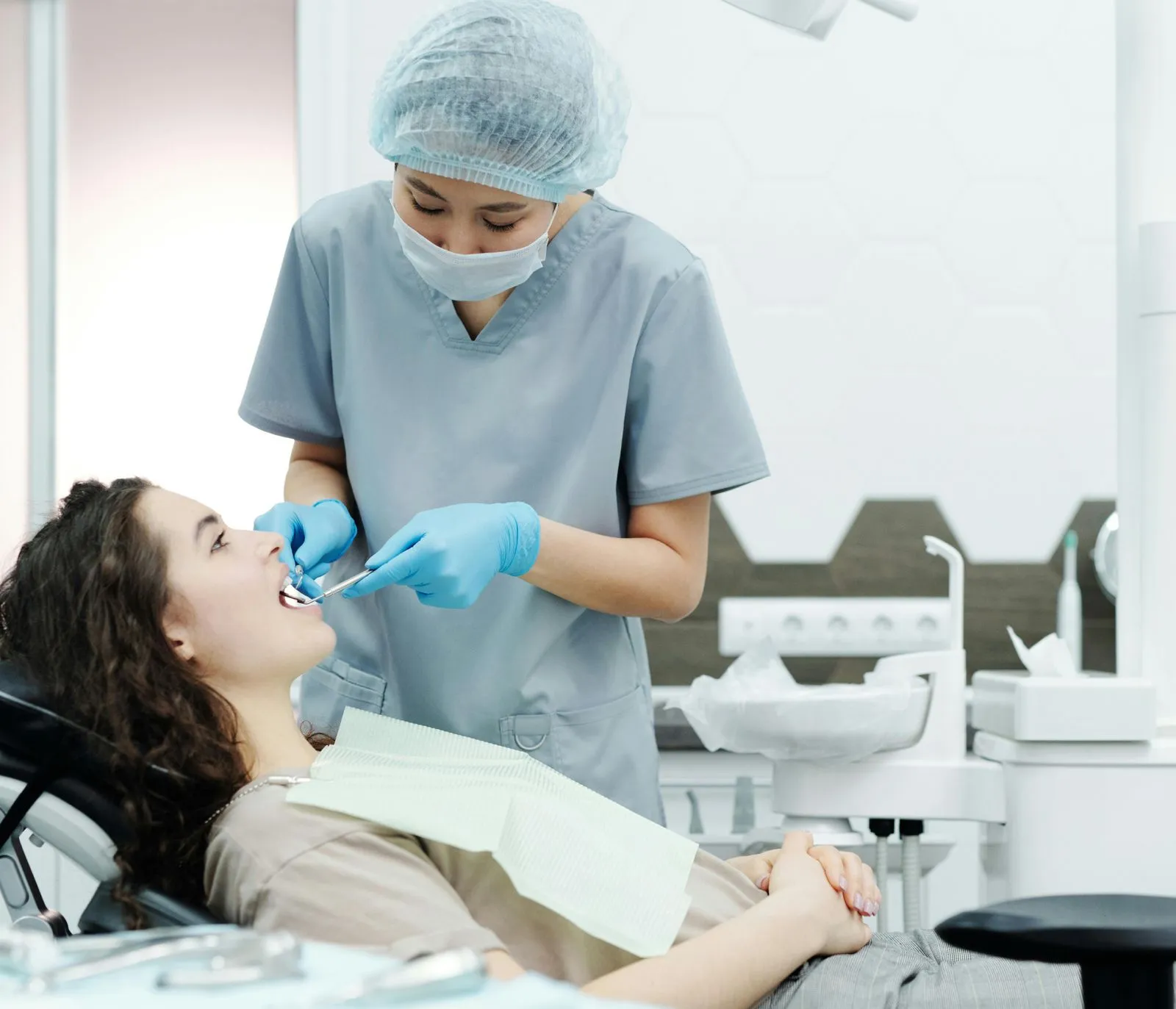


Dental implants can be an option for many older adults who have lost one or more teeth. Age alone does not decide candidacy. Healthy gums, adequate bone, manageable medical conditions, medication review, and the ability to maintain an oral hygiene routine all matter. A personalized examination is the safest way to compare implants with bridges, dentures, or implant-supported dentures.
Schedule a dental implant consultation in Northern Virginia.
Why older adults consider dental implants
In short: Dental implants replace the root as well as the visible tooth. For an older adult, that can mean a more stable way to chew and speak than a loose removable appliance, while also supporting a broader plan for oral health. The right choice still depends on the person's health, goals, anatomy, and daily support.
Tooth loss can change more than a smile. Missing teeth may make certain foods harder to chew, allow nearby teeth to shift, and reduce confidence when eating or speaking. A removable denture may work well for one person but feel unstable or uncomfortable for another. A bridge can replace a missing tooth without a removable appliance, but it relies on neighboring teeth for support.
A dental implant uses a small post placed in the jawbone to support a crown, bridge, or denture. The American Dental Association's MouthHealthy implant overview describes the treatment as a planned process that includes implant placement and a final restoration. That structure is why implant care is not simply a cosmetic decision. It is a restorative treatment that should be planned around function, oral tissues, and long-term maintenance.
Older adults may also be thinking about independence. A stable replacement can make meals and social activities feel easier, but no treatment is automatically right for every person. The goal of a consultation is not to steer someone toward one option. It is to understand the condition of the mouth, review the person's priorities, and explain what each choice would require.
Are dental implants safe for seniors?
In short: Many older adults can safely receive dental implants after a careful review, but safety is individualized. The dental team needs to assess gums, bone, healing ability, medications, tobacco use, and conditions such as diabetes. A physician may also need to participate when a medical condition or medication could affect surgery or healing.
Being older does not automatically make a person a poor candidate. At the same time, age can come with factors that deserve more attention. Dry mouth, gum disease, reduced dexterity, bone changes, smoking, and several prescription medications can affect oral health and the ability to keep a restoration clean.
The ADA notes that good general health is important for implant treatment and that a physician evaluation may be appropriate before surgery. It is important to share a complete medication list, including prescriptions, over-the-counter medicines, vitamins, and supplements. Do not stop a medication on your own. The dental team can explain what information is needed and coordinate with a physician when necessary.
Some health conditions can be compatible with implant treatment when they are well managed. Other situations may call for additional planning, a different sequence of treatment, or an alternative restoration. For example, a history of diabetes does not answer the candidacy question by itself. The more useful questions are whether the condition is controlled, how the person heals, and what the treating clinicians recommend.
Smoking and nicotine use also deserve an honest discussion because they can interfere with healing and increase oral health risks. A patient does not need to hide this information. Sharing it helps the dental team set realistic expectations, choose an appropriate treatment plan, and recommend support.
What factors determine candidacy?
In short: Candidacy is based on the whole person, not a birthday. A dentist evaluates the missing tooth or teeth, gum health, jawbone, bite, medical history, medications, tobacco use, oral hygiene, and ability to attend follow-up visits. Some concerns can be treated or managed before implant placement, while others may favor a different solution.
Gum and bone health
Healthy gums help support a stable restoration. Active gum disease should be evaluated and treated before implant placement because inflammation can threaten the tissues around both natural teeth and implants. The amount and shape of available jawbone also matter. Tooth loss can lead to gradual bone changes, but imaging can help the clinician understand the anatomy and plan safely.
If there is not enough bone in the planned location, a bone graft or another preparatory procedure may be discussed. That does not guarantee that implants will be appropriate, but it can expand the options for some patients. Smile Makers Dental Center offers bone grafting and sinus lift services as part of its broader specialty care, so the consultation can address whether additional planning is relevant.
Medical history and medications
Bring a current medication list and information about major diagnoses, previous surgeries, allergies, and any history of difficulty healing. Blood-thinning medicines, medicines that cause dry mouth, and treatments that affect bone metabolism may all deserve specific discussion. The answer is not to make a medication change independently. The answer is to let the dental and medical teams decide how to plan care responsibly.
The National Institute on Aging explains that dry mouth can make eating and speaking difficult and can raise the risk of tooth decay and oral infection. Its guidance also notes that common medicines can contribute to dry mouth. That is useful context for older adults considering any tooth replacement, because protecting the remaining teeth and tissues is part of the long-term plan.
Daily function and support
Implants require home care and follow-up. A person should consider whether they can brush and clean around the restoration, attend appointments, and recognize when a problem needs attention. If arthritis, vision changes, memory concerns, or limited mobility make self-care difficult, a caregiver may be able to help. A support plan is a strength, not a reason for embarrassment.
Which alternatives should seniors compare?
In short: Implants are one option among several. A fixed bridge, conventional denture, or implant-supported denture may be more suitable depending on the number of missing teeth, bone and gum health, dexterity, comfort preferences, treatment timeline, and ability to maintain the result. The best comparison is personal and clinical, not based on a one-size-fits-all ranking.
| Option | What to discuss with your dental team |
|---|---|
| Dental implant with crown | Can replace one missing tooth without using a removable appliance. Review bone, gum health, healing, cleaning, and the staged treatment process. |
| Fixed bridge | Can replace a missing tooth using support from neighboring teeth. Discuss the health of those teeth and how the bridge will be cleaned. |
| Conventional denture | Can replace several teeth or a full arch and can be removed for cleaning. Discuss fit, stability, comfort, and changes in the jaw over time. |
| Implant-supported denture | Uses implants to help stabilize a removable or fixed prosthesis. Discuss bone, cleaning access, maintenance visits, and whether the design matches the person's goals. |
A removable option may be practical when surgery is not desired or when medical circumstances make a staged procedure difficult. A bridge may be reasonable when neighboring teeth are healthy and can support it. An implant-supported denture may improve stability for someone whose conventional denture moves during meals. These are not failures or lesser choices. They are different treatment paths.
Smile Makers Dental Center provides restorative dentistry and tooth replacement services, including bridges, dentures, and implants. Its dental services page is a starting point for reviewing the practice's restorative and specialty offerings. A consultation can narrow the comparison to options that fit the patient's mouth and priorities.
When an implant is being considered after a recent extraction, the timing and condition of the site matter. When several teeth are missing, the plan may involve a bridge, denture, or implant-supported restoration rather than one implant per tooth. Ask the dental team to explain why a particular design is recommended and what it will require at home.
Request a personalized implant and tooth-replacement evaluation.
What happens during a senior dental implant consultation?
In short: A consultation is a conversation and examination, not a commitment to treatment. The team reviews the health of the mouth, takes appropriate images, discusses medical history and goals, compares alternatives, and explains possible preparation, restoration, aftercare, and follow-up. Patients should leave knowing what is known, what still needs evaluation, and what questions come next.
A useful consultation commonly includes:
- A review of the missing tooth or teeth, symptoms, current denture or bridge, and desired improvements.
- An examination of gums, remaining teeth, bite, soft tissues, and areas of tenderness or infection.
- Imaging to evaluate roots, bone, neighboring structures, and the planned restoration.
- A medication and health-history review, including conditions that may affect healing or surgical planning.
- A discussion of alternatives, expected visits, maintenance, and the role of family or caregiver support.
- Time for questions about comfort, sedation, coordination with a physician, and what would happen if the plan changes.
Digital tools can make the discussion more visual. Smile Makers Dental Center's technology overview describes digital X-rays, cone-beam CT imaging, iTero scanning, and Diagnocat AI-assisted analysis. The exact tools used depend on the examination and the clinical question. Technology supports the evaluation; it does not replace the dentist's judgment or the patient's informed decision.
Ask for a written or clearly explained sequence of care. It may include treatment for gum disease, an extraction, a graft, implant placement, a healing period, and the final crown or prosthesis. Not every patient needs every step. Understanding the sequence helps older adults plan transportation, meals, work or caregiving responsibilities, and follow-up support.
How should seniors care for dental implants?
In short: Long-term implant care starts with the same habits that protect natural teeth: regular brushing, cleaning between teeth, professional visits, and prompt attention to changes. The exact tools depend on the restoration. Older adults should also plan for dexterity, vision, dry mouth, and caregiver support so daily cleaning stays practical.

Follow the instructions provided for the specific implant crown, bridge, or denture. Depending on the design, cleaning may involve a soft toothbrush, an interdental brush, floss designed for the restoration, or another tool recommended by the dental team. Do not force a tool under a restoration or assume that a product marketed for dentures is appropriate for every implant design.
Routine visits allow the team to check the implant, restoration, gums, bite, and remaining teeth. The National Institute of Dental and Craniofacial Research's Oral Health in America report highlights the importance of ongoing preventive and restorative care as more older adults retain natural teeth or receive implants. Maintenance protects the entire mouth, not just the replacement tooth.
Call the dental office if there is persistent bleeding, swelling, pain, a loose restoration, a change in the bite, difficulty cleaning, or a feeling that an implant or denture has shifted. Early evaluation can help distinguish a minor adjustment from a problem that needs treatment. Waiting for severe pain is not a good maintenance strategy.
Dry mouth management may also be part of care. Sip water as appropriate, follow medical guidance, and ask the dentist or physician about persistent dryness. Avoid using a home remedy or supplement as a substitute for professional advice. If brushing or interdental cleaning is difficult, ask for an adapted routine or involve a trusted caregiver.
Questions to ask before choosing dental implants
In short: The right questions help older adults make an informed choice without pressure. Ask how the proposed treatment fits your health, what alternatives are available, what preparation may be needed, how maintenance will work, and who to contact if something changes. Bringing a family member can make it easier to remember the discussion.
- What is causing the tooth loss or current discomfort, and does it need treatment first?
- How healthy are my gums and how much bone is available for the proposed restoration?
- Do my medical conditions or medications change the treatment sequence or healing plan?
- Would a bridge, conventional denture, or implant-supported denture meet my goals with fewer steps?
- What will I need to do each day to clean the restoration and protect my remaining teeth?
- What follow-up visits are expected, and how can a caregiver help if I need support?
- What symptoms should prompt a call to the office?
- Which part of the plan is confirmed now, and which part depends on imaging or medical coordination?
Good care includes room for a second conversation. Older adults and caregivers can take time to review the proposed sequence, write down questions, and ask for an explanation in plain language. The purpose of the visit is to match treatment to the patient's health and goals, not to make a decision before the facts are clear.
FAQ about dental implants for seniors
In short: Older adults often want clear answers about age, health, alternatives, and daily care. These general answers provide orientation, but an examination is needed to determine whether dental implants are appropriate for a specific person.
Is there an age limit for dental implants?
There is not one age cutoff that determines candidacy. The more important factors are oral health, bone and gum condition, medical history, healing considerations, ability to maintain the restoration, and the patient's goals. A dentist can explain whether implants or another option is more appropriate after an evaluation.
Can someone with dentures get dental implants?
Some people who wear dentures may be candidates for implant-supported dentures or another implant restoration. The evaluation should consider denture fit, bone, gum tissues, health history, cleaning ability, and the desired balance between stability and removability.
Do older adults always need a bone graft?
No. Bone needs vary by location, timing of tooth loss, anatomy, and the proposed restoration. Imaging helps the dental team determine whether there is adequate bone and whether grafting or another preparation step should be considered.
Can medications prevent a senior from getting implants?
Some medications require additional planning, but a medication list alone does not decide candidacy. Share every medication and supplement with the dental team. Never stop a prescribed medicine without direction from the clinician who manages it.
How do older adults clean dental implants?
Care depends on whether the implant supports a crown, bridge, removable denture, or fixed prosthesis. Brushing and cleaning between teeth are usually part of the routine, but the dental team should demonstrate the correct tools and technique for the specific restoration.
What is the first step if I am considering dental implants?
Schedule a consultation with a dental practice that can assess the mouth, review health history, discuss alternatives, and explain the sequence of care. Bring a medication list, information about prior dental treatment, and a family member or caregiver if that would be helpful.