






Dizziness can be unsettling, especially when it appears alongside jaw soreness, facial tension, or trouble chewing. The connection is possible, but it is not always dental, and dizziness alone cannot identify the cause.
So, can tmj cause dizziness? Temporomandibular disorders, or TMD, may be associated with feelings such as unsteadiness or lightheadedness in some people. But research does not show that every episode of dizziness comes from the jaw. Inner-ear conditions, medications, blood-pressure changes, vision problems, and other health issues can also play a role. A careful evaluation helps determine which concerns need dental attention and which require medical care.
Understanding the difference between the TMJ joint and TMD-related disorders is a useful first step. From there, the symptoms, evidence, and appropriate next steps can be considered without jumping to a diagnosis.
Can TMJ Cause Dizziness? What the Evidence Suggests
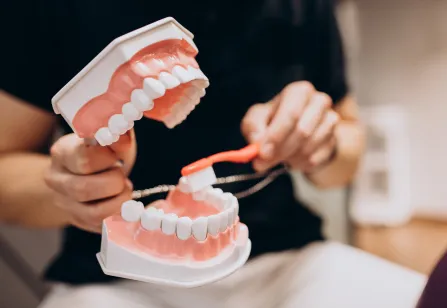
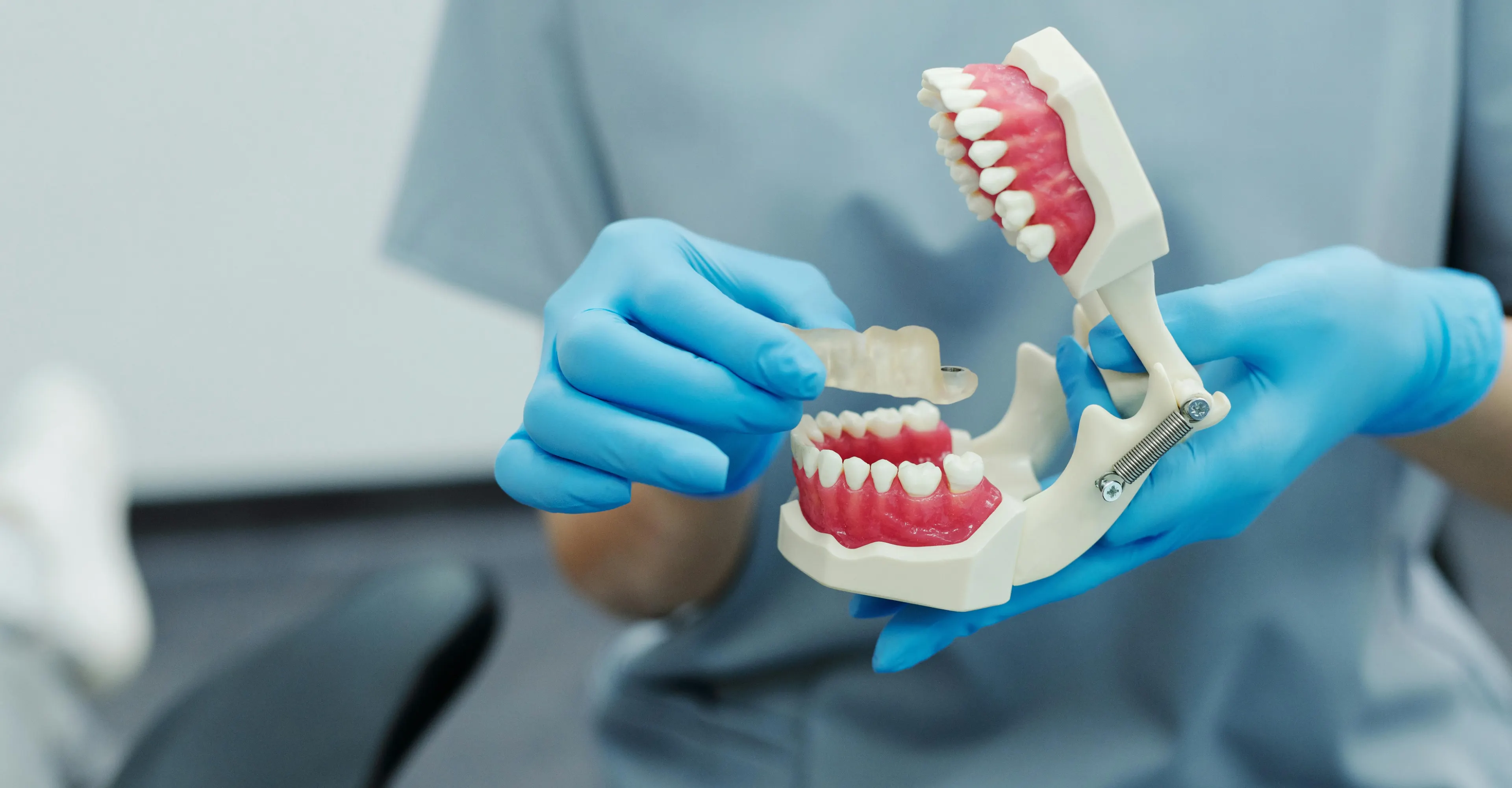
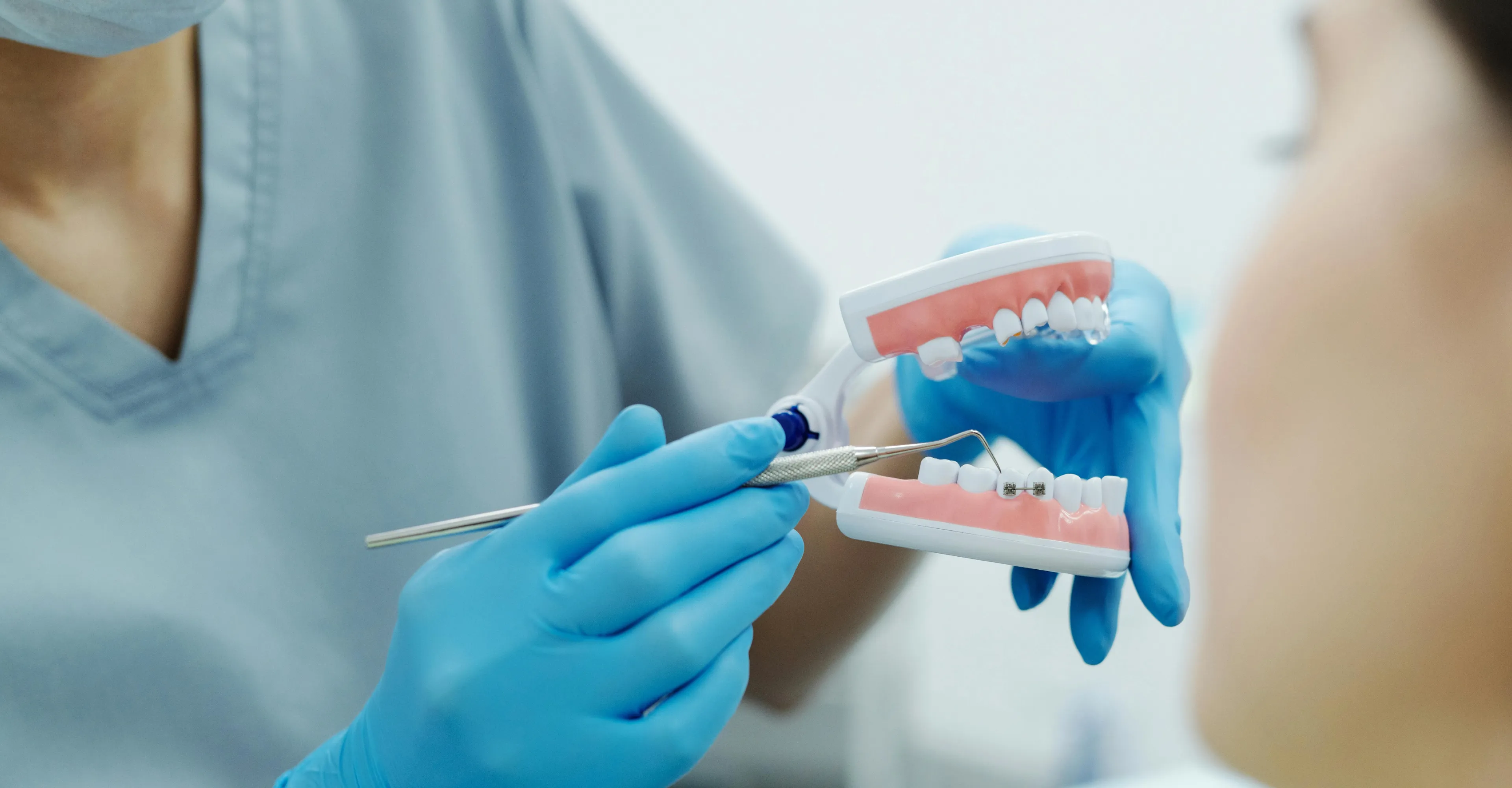
TMJ and TMD are related terms, but they do not mean the same thing. The temporomandibular joints, or TMJs, are the two jaw joints positioned on either side of the face. TMD refers to disorders affecting those joints or the muscles that control jaw movement. The National Institute of Dental and Craniofacial Research describes TMD as a group of more than 30 conditions, rather than one single diagnosis. Learn more about TMD from the NIDCR.
Dizziness can occur among symptoms reported with TMD, particularly when it appears alongside jaw or ear symptoms. NIDCR lists dizziness, ringing in the ears, and hearing loss among symptoms that may signal TMD. Other possible signs include pain in the chewing muscles or jaw joint, pain spreading toward the face or neck, stiffness, limited movement, and painful clicking or grating.
That does not mean a jaw disorder is necessarily causing the dizziness. Ear fullness and ear pain may overlap with TMD symptoms, which can make the source of a person's discomfort difficult to identify. In an observational case-control study of 60 people with dizziness, researchers found an association between TMD and ear fullness or ear pain. The study also found no association between TMD and vestibular alterations on one balance test. These findings describe a relationship in the study group, not proof that TMD causes dizziness. Read the study on TMD, dizziness, and ear symptoms.
Several explanations may account for this overlap. Jaw muscles, the jaw joints, and nearby ear-area structures are close together, so symptoms can be felt in related regions. Pain, muscle tension, or changes in jaw function may also occur at the same time as dizziness from another source. A painless jaw click by itself is common and does not establish that TMD is present.
Pay attention to the full pattern rather than one symptom. Jaw pain, restricted movement, painful joint sounds, ear fullness, or ringing may make a dental evaluation reasonable. Spinning, faintness, trouble walking, or sudden hearing changes may require medical assessment. For a broader overview, see these other TMJ warning signs. A dental evaluation can assess possible jaw-related factors, but dizziness alone cannot diagnose TMD or identify its cause.
What Does Dizziness From TMJ Feel Like?
Dizziness is not one specific sensation. One person may feel faint or lightheaded, while another may feel unsteady, as if the floor is moving, or as if the body or room is spinning. Some people describe a floating sensation. The National Institute on Deafness and Other Communication Disorders explains that balance symptoms can include spinning, staggering, fear of falling, blurred vision, confusion, lightheadedness, faintness, or floating feelings. Read more from the NIDCD balance-disorder overview.
If jaw discomfort and dizziness occur together. You may also notice familiar TMD symptoms such as pain in the jaw or chewing muscles, stiffness, limited opening, or painful clicking. NIDCR lists dizziness among symptoms that may signal TMD, but that does not show that TMD caused the dizziness in a particular person. Painless jaw clicking is also common and does not necessarily require treatment.
Faintness or lightheadedness
Feeling faint can seem different from vertigo. You may feel as though you could pass out, especially when standing, rather than feeling that the room is turning. A drop in blood pressure after standing too quickly can cause dizziness. Medication effects, dehydration, heart-related issues, and other health conditions may also contribute, so this sensation should not automatically be attributed to the jaw.
Unsteadiness or a floating feeling
Unsteadiness may make walking feel less secure, while a floating sensation can feel vague or difficult to describe. Balance depends on signals from several organs, including systems involved in vision and the inner ear. Problems affecting vision, the skeletal system, the inner ear, or the brain can interfere with balance. These possibilities are one reason a careful history matters.
Spinning or vertigo
Spinning, or vertigo, can make it feel as though you or your surroundings are rotating. Inner-ear conditions, motion sickness, medication side effects, infection, injury, and problems affecting the brain are among the possible causes. Mayo Clinic notes that dizziness has many potential causes, which means jaw symptoms alone cannot identify the source. Note what the sensation feels like, when it begins, what brings it on, and how long it lasts. That information can help a healthcare professional decide what evaluation is appropriate.
| How dizziness may feel | Why the description matters |
|---|---|
| Faint or lightheaded | May relate to standing, blood pressure, medication, or another health issue. |
| Unsteady or floating | May involve balance signals from vision, the inner ear, or other systems. |
| Spinning or vertigo | May point toward an inner-ear or other medical cause that needs assessment. |
Why Dizziness Needs a Broader Evaluation
Dizziness is a description, not a diagnosis. It may feel like faintness, unsteadiness, floating, or spinning, and each experience can point a clinician toward different possibilities. Balance depends on signals from several organs, so symptoms may involve the inner ear, brain, medications, blood pressure, vision, or other health conditions. A dental evaluation can be useful when dizziness appears alongside jaw symptoms, but it should not replace a medical or ear and balance evaluation when those are appropriate.
A dental clinician may ask about jaw or chewing-muscle pain, painful clicking or grating, stiffness, limited movement, locking, headaches, ear fullness, or ear pain. They may also review when symptoms began and whether jaw movement, clenching, chewing, or changes in jaw comfort seem to occur around the same time. This history helps place possible TMD symptoms in context rather than assuming that the jaw explains every episode.
Medical or ear and balance evaluation may be needed when dizziness is recurrent, sudden, disruptive, prolonged, or unexplained. Other possibilities include an inner-ear condition, medication side effect, infection, head injury, a blood-pressure drop after standing, or a problem affecting vision, the brain, or another body system. If the sensation is primarily spinning, walking is difficult, hearing changes suddenly, or symptoms are accompanied by neurologic warning signs, seek prompt medical guidance.
Before an appointment, record what the sensation feels like, when it starts and ends, how long it lasts, what you were doing, and any possible trigger. Note related symptoms such as jaw pain, ear fullness, ringing, nausea, headache, blurred vision, or changes in hearing. Also list medications and recent illness or injury for your healthcare professional. This information can make the evaluation more focused.
One observational, case-control study of 60 people with dizziness found associations between TMD and ear fullness or ear pain, but it did not establish that TMD causes dizziness. The study also found no association between TMD and vestibular alterations on one test. Those findings support careful evaluation, not self-diagnosis or a universal testing plan. Read the study details, and review broader balance-disorder information from the National Institute on Deafness and Other Communication Disorders.
How TMJ Symptoms Are Evaluated and Managed
A thoughtful evaluation starts with the whole symptom picture rather than assuming that dizziness comes from the jaw. A clinician may ask when the sensation began, what it feels like as it starts and ends, what seems to trigger it, and how long each episode lasts. Recording those details can help a healthcare professional look for patterns and decide what evaluation is appropriate. Recurrent, sudden, disruptive, prolonged, or unexplained dizziness deserves medical attention, even when jaw symptoms are also present.
For the dental portion of an evaluation, the history may include jaw pain, facial or neck discomfort, headaches, stiffness, limited opening, locking, or painful clicking and popping. The clinician may also assess how the jaw moves and examine the chewing muscles and the areas around the jaw joints for tenderness or discomfort. TMJ refers to the joint itself, while TMD refers to disorders involving the joint or the muscles that control jaw movement. The National Institute of Dental and Craniofacial Research explains that TMD includes multiple conditions, so the same symptom does not point to one universal diagnosis.
Why the plan depends on the findings
Management should match the findings, severity, duration, and effect on daily life. Some TMDs are temporary and resolve on their own, while others can become long-lasting. The exact cause is unclear in many cases, and research does not support blaming a bad bite or orthodontic treatment as the cause of TMD. That is why a careful plan may begin conservatively, reduce factors that aggravate the jaw, or coordinate care when another medical evaluation is needed. It should not promise a guaranteed cure or assume that one treatment fits everyone.
If dizziness continues without a clear explanation, a dental assessment can be one part of a broader conversation with your healthcare professionals. Sharing your symptom record, jaw findings, medications, and other relevant health information helps keep the evaluation focused and prevents a possible TMJ connection from overshadowing other causes.
When Dizziness Requires Urgent Medical Care
Jaw symptoms and dizziness can occur together, but sudden or severe dizziness should not automatically be attributed to TMJ or TMD. Seek emergency medical care if new dizziness or vertigo occurs with a sudden severe headache or chest pain. One-sided weakness or numbness, facial weakness, trouble walking, double vision, a sudden change in hearing, confusion, or slurred speech are also urgent warning signs. These symptoms may point to a problem that needs immediate assessment.
Call 911 right away if dizziness is accompanied by difficulty breathing, fainting, a seizure, or ongoing vomiting. Do not drive yourself. If possible, note when the symptoms began and tell emergency responders whether they appeared suddenly.
Pay particular attention to possible stroke signs. The CDC identifies sudden trouble walking, dizziness, loss of balance, or poor coordination as warning signs. Along with sudden numbness or weakness in the face, arm, or leg, especially on one side. Sudden confusion or trouble speaking or understanding speech also requires immediate action. The CDC advises calling 911 immediately for stroke symptoms.
- Call 911 immediately for sudden stroke-like symptoms.
- Note when the symptoms began and whether they appeared suddenly.
- Do not drive yourself or wait for jaw symptoms to explain the episode.
Do not wait to see whether these symptoms are caused by jaw tension. Even if the symptoms improve after a few minutes, call 911. The CDC notes that symptoms that resolve can still indicate a transient ischemic attack, which requires immediate medical attention.
Mayo Clinic also recommends emergency care for new, severe dizziness or vertigo with neurologic symptoms, vision or hearing changes, breathing trouble, fainting, seizures, or ongoing vomiting. Review Mayo Clinic's emergency dizziness guidance for additional context. Once urgent causes have been addressed, a dental or medical professional can help determine whether jaw symptoms deserve a separate evaluation.
When to Schedule a TMJ Evaluation in Northern Virginia
Consider scheduling a dental TMJ evaluation when dizziness occurs alongside jaw pain, tenderness, stiffness, painful clicking, limited opening, jaw locking, headaches, or ear-related symptoms. A pattern that returns with chewing, clenching, or jaw movement is also worth discussing with a dentist. These details do not prove that TMD is causing dizziness, but they can help show whether a jaw-related concern deserves assessment.
Smile Makers Dental Center serves Northern Virginia through offices in Leesburg, Tysons, Falls Church, Fairfax, Bailey's Crossroads, and Woodbridge. The practice lists TMJ and sleep apnea specialty care. Because services and availability can vary by office, ask which location and provider are appropriate when you schedule.
What a dental evaluation can address
A dental visit can focus on the jaw joints, chewing muscles, bite function, range of motion, tenderness, tooth wear, clenching patterns, and related oral symptoms. Your dentist can review when the dizziness occurs and whether it appears with other jaw symptoms. Depending on the findings, the next step may be monitoring, conservative dental care, or coordination with another healthcare professional.
A dental TMJ evaluation is not a complete workup for every type of dizziness. Inner-ear conditions, medication effects, blood-pressure changes, vision problems, neurological conditions, and other medical issues can produce similar sensations. If dizziness is new, persistent, worsening, or not accompanied by jaw symptoms, contact a medical professional rather than assuming it is dental. Seek urgent care for sudden neurological symptoms, trouble walking, fainting, chest pain, breathing trouble, severe headache, seizures, ongoing vomiting, or sudden hearing changes.
If you are unsure whether your symptoms fit a jaw-related pattern, you can review other TMJ warning signs while preparing your questions. Note the sensation, timing, triggers, duration, and any jaw or ear symptoms to discuss at the visit.
Schedule a dental evaluation and confirm the office best suited to your needs.
Frequently Asked Questions
What does dizziness from TMJ feel like?
Dizziness is not one single sensation. It may feel like faintness, unsteadiness, floating, or spinning, sometimes called vertigo. TMD can occur with dizziness, jaw pain, stiffness, painful clicking, ear ringing, or hearing changes, but these symptoms do not prove that the jaw is the cause. Describe exactly what you feel and whether jaw movement, chewing, or other triggers seem to affect it. NIDCD explains the range of balance symptoms.
How can I get relief if TMJ symptoms and dizziness occur together?
Start with an evaluation rather than assuming the symptoms have one cause. A dental professional can assess the jaw, muscles, bite-related concerns, and related symptoms, while a medical professional may need to evaluate inner-ear, medication, blood-pressure, vision, or neurologic causes. Keep a record of when symptoms begin, what they feel like, possible triggers, and how long they last. That information can help guide the appropriate evaluation.
How long does dizziness associated with TMJ last?
There is no dependable timeline because dizziness has many possible causes, and an association with TMD does not establish that TMD caused it. Some TMD conditions are temporary, while others can become persistent. Recurrent, sudden, disruptive, prolonged, or unexplained dizziness should be discussed with a healthcare professional. Mayo Clinic lists situations that warrant medical attention.
When is dizziness an emergency?
Seek emergency care for new, severe dizziness with trouble walking, one-sided weakness or numbness, facial weakness, confusion. Slurred speech, double vision, sudden hearing change, severe headache, chest pain, fainting, seizures, breathing trouble, or ongoing vomiting. If stroke-like symptoms resolve after a few minutes, call 911 anyway, because they may indicate a transient ischemic attack. The CDC advises calling 911 for sudden stroke symptoms.
Schedule a TMJ Evaluation
If dizziness occurs alongside jaw discomfort, clicking, tension, or other TMJ symptoms. A dental evaluation can help you understand whether your jaw may be contributing and whether additional medical evaluation is appropriate. Smile Makers Dental Center can listen to your concerns and help identify a thoughtful next step without assuming dizziness has one cause. Schedule a dental evaluation for TMJ symptoms or questions about possible jaw-related dizziness.