

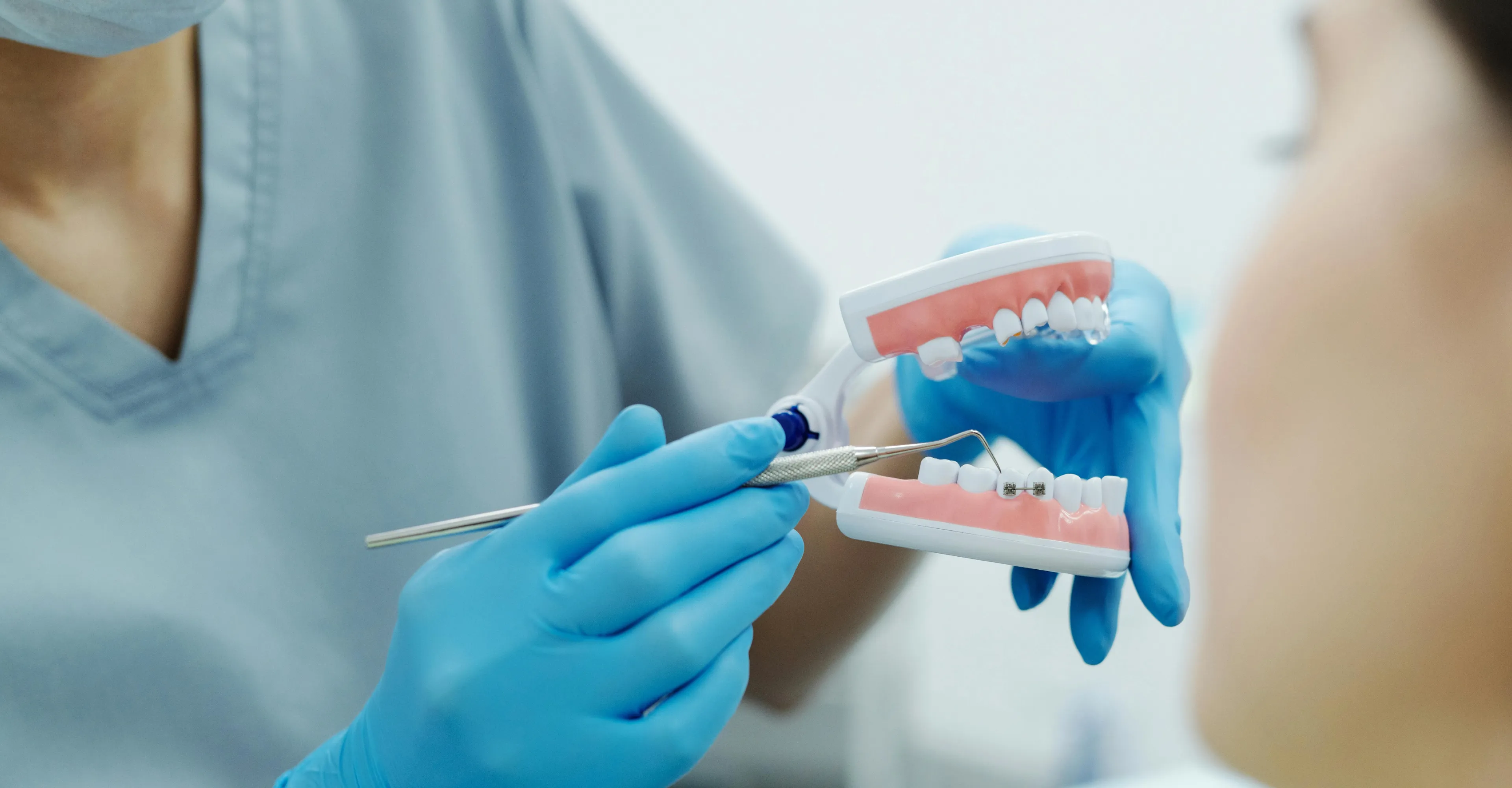



Dentistry has made incredible advancements, and dental implants are one of its most impressive achievements. This treatment uses biocompatible materials that literally fuse with your jawbone to create a new, permanent tooth root. It’s a remarkable process, but even with all the technology, it’s normal to ask, are dental implants safe? The truth is, the safety and success of an implant are directly linked to the expertise of the dental team performing the procedure. This article will explain not only how the technology works but also why choosing a skilled specialist is the most important step you can take toward a successful outcome.
Key Takeaways
- Think of implants as new tooth roots: They are the only tooth replacement option that fuses directly with your jawbone, which provides incredible stability and helps preserve your facial structure by preventing bone loss.
- Implants are a reliable, long-term investment: With a success rate of over 95 percent, dental implants are one of the most predictable treatments in dentistry. With proper care, they can last for decades, often for a lifetime.
- Your health and habits are key to success: The best outcomes happen when you partner with your dentist. This means being open about your health history before the procedure and committing to excellent oral hygiene and regular check-ups afterward.
What Are Dental Implants and How Do They Work?
If you’re dealing with a missing tooth, you’ve probably heard about dental implants. Think of a dental implant as a complete, permanent replacement that restores both the root and the crown of your tooth. Unlike dentures or bridges, an implant is a standalone solution that doesn’t rely on neighboring teeth for support. It’s designed to function just like your natural teeth, giving you a stable, long-lasting fix that helps maintain your overall oral health. The process involves a few key steps, but the end result is a smile that looks and feels entirely your own.
What Implants Are Made Of: Titanium and Zirconia
At its core, a dental implant is a small, screw-like post that acts as a new tooth root. This post is surgically placed into your jawbone, creating a sturdy foundation for a replacement tooth. These posts are typically made from titanium or zirconia, which are biocompatible materials. This just means your body accepts them without issue. The FDA notes that these materials are safe and well-tolerated. Once the post is in place, a connector called an abutment is attached, and then a custom-made crown is secured on top. The crown is matched to your other teeth, so the final result blends in seamlessly with your smile. It’s one of the most effective dental services for restoring a single tooth or even a full arch.
How Implants Become Part of Your Jawbone
The real magic of a dental implant happens during the healing process. After the titanium post is placed, a remarkable process called osseointegration begins. This is where the implant actually fuses with your jawbone, becoming a permanent part of your anatomy. This fusion is what makes implants so incredibly strong and stable. According to the Mayo Clinic, this bond prevents the slipping or noise that can sometimes happen with dentures. The healing period usually takes a few months, but it’s this crucial step that ensures your new tooth will be just as reliable as a natural one, allowing you to eat, speak, and smile with complete confidence.
Why Implants Help Preserve Your Jawbone
Beyond just filling a gap, dental implants play a vital role in protecting your long-term oral health. When you lose a tooth, the jawbone in that area no longer receives the stimulation it needs and begins to shrink over time. This bone loss can affect neighboring teeth and even alter the shape of your face, sometimes leading to a sunken appearance. A dental implant mimics the function of a natural tooth root, providing the necessary stimulation to keep your jawbone strong and healthy. This makes implants a proactive solution that not only restores your smile but also helps preserve your facial structure. It’s a key reason why they are considered a premier treatment in specialized dental care.
Just How Successful Are Dental Implants?
When you’re considering a permanent solution for a missing tooth, one of the biggest questions on your mind is probably, "Will it actually work?" It’s a fair question, and I’m happy to tell you the good news: dental implants have an incredible track record. This isn’t some new or experimental treatment. Instead, implants are a trusted, well-researched part of modern dentistry that has helped millions of people restore their smiles with confidence. They are designed to become a permanent part of your smile, giving you a strong and stable foundation.
But what does "success" really mean in this context? It’s more than just the implant fusing with your jawbone, although that’s a critical step. True success means having a replacement tooth that looks, feels, and functions just like your natural teeth for years, maybe even decades. It means you can eat your favorite crunchy or chewy foods, speak clearly without any slipping, and smile for photos without a second thought. Achieving this kind of lasting result depends on a few different elements working together, including your personal health, your daily habits, and of course, the expertise of your dental team. Let’s look at what the research says and what you can realistically expect from your implant journey.
What the Research Says About Success Rates
If you’re a numbers person, you’ll find the statistics on dental implants very reassuring. Studies consistently show that dental implants have a success rate of over 95% when placed by an experienced professional. This high rate makes them one of the most reliable treatments in all of dentistry. It’s a testament to how well the materials work with the human body and how refined the placement procedures have become over the years. This level of predictability is why so many dentists recommend implants as the gold standard for replacing missing teeth. It gives you a strong foundation for a healthy, long-lasting smile you can count on.
How Long Can You Expect Your Implants to Last?
One of the most significant advantages of dental implants is their durability. While options like traditional bridges or dentures often need to be replaced every 5 to 10 years, dental implants are in a league of their own. With proper placement and consistent care, your implants can easily last for 20 years or even a lifetime. Think of it as a long-term investment in your oral health and quality of life. Instead of worrying about future repairs and replacements, you can simply enjoy the benefits of a complete and stable smile day in and day out.
Key Factors for Long-Term Success
Achieving that lifelong success depends on a partnership between you and your dentist. Your overall health plays a big role, as certain conditions or habits, like smoking, can affect the healing process. It’s important to have an open conversation with your dentist about your medical history so they can create the best plan for you. The other critical piece of the puzzle is the skill of the person placing your implant. The dentist’s experience and precision are essential for a successful outcome. Choosing a team with a deep understanding of implant dentistry ensures your procedure is planned and performed correctly from the very start.
What Are the Risks of Dental Implants?
Thinking about any kind of surgery, even a dental one, can feel a little intimidating. It’s completely normal to wonder about the potential risks. The good news is that dental implant surgery is a very common and highly successful procedure with a low rate of complications. Being informed about the process, from minor side effects to rarer issues, helps you feel more confident and prepared.
Understanding the full picture allows you to work closely with your dental team to ensure the best possible outcome. At Smile Makers, we believe an informed patient is an empowered one, so let’s walk through what you can expect.
Common Side Effects After Your Procedure
After your implant is placed, it’s typical to experience some minor and temporary side effects. Most people describe the feeling as similar to what you’d have after a tooth extraction. You can expect some mild discomfort, swelling in your gums and face, minor bruising, and a little bleeding. These symptoms are a normal part of your body’s healing process.
The great thing is that this discomfort is usually easy to manage. Over-the-counter pain medication is often all that’s needed to feel comfortable as you heal. We’ll give you specific aftercare instructions to help you recover quickly and smoothly.
Rare Complications to Be Aware Of
While serious problems are uncommon, it’s important to know what they are. The U.S. Food and Drug Administration (FDA) notes that potential risks can include infection at the implant site, injury to surrounding teeth or blood vessels, and nerve damage, which might cause tingling or numbness. In some cases, an implant may not fuse properly with the jawbone or a part could become loose over time.
Choosing a dentist with extensive experience in oral surgery and implant placement is the best way to minimize these risks. A skilled professional will use precise techniques to protect your oral health throughout the procedure.
How Your Health and Habits Play a Role
Your overall health is a key factor in how well your body heals and accepts a dental implant. Conditions like uncontrolled diabetes or autoimmune diseases can slow down the healing process. Likewise, habits like smoking or tobacco use can significantly affect the success of your implant because they restrict blood flow to your gums.
This is why having an open conversation about your medical history is so important. During your consultation, we’ll discuss your lifestyle and any health conditions to create a treatment plan that’s right for you. Being upfront helps us ensure you’re a good candidate and allows us to take any necessary precautions.
Considering Allergies and Age
You might wonder if you could be allergic to the implant itself. It’s a valid question, but thankfully, it’s rarely an issue. Dental implants are made from biocompatible materials, most commonly titanium or zirconia, which are specifically chosen because the human body accepts them so well. These materials are rigorously tested to ensure they are safe and don’t cause irritation or allergic reactions.
Age is also less of a factor than you might think. There is no upper age limit for dental implants. What matters more is your overall health, not the number of candles on your birthday cake. Many people in their 70s, 80s, and even 90s are successful implant recipients.
Could Dental Implants Be Right for You?
Deciding if dental implants are the right choice is a personal decision that depends on your unique health and goals. While they offer a fantastic, long-term solution for missing teeth, they aren't a one-size-fits-all fix. The best way to know for sure is to have a conversation with your dentist, but understanding the general requirements can help you feel more prepared for that discussion. Let's walk through what makes someone a strong candidate for this procedure.
What Makes Someone a Good Candidate?
You might be a great fit for dental implants if you check a few key boxes. Generally, candidates have one or more missing teeth and a jawbone that has finished growing. It’s also important to have healthy gums and enough bone in your jaw to anchor the implant securely. If you don't want to wear dentures and are ready to commit a few months to the process for a permanent result, implants are an excellent option. Finally, being a non-smoker is a big plus, as smoking can interfere with the healing process.
Health Conditions to Discuss with Your Dentist
Your overall health plays a major role in how well your body heals and accepts an implant. During your consultation, it’s important to be open about your full medical history. Certain chronic conditions, like uncontrolled diabetes, or autoimmune diseases can affect healing. Habits like smoking can also significantly impact the success of your implant. This isn't about judgment; it's about creating a safe and effective treatment plan tailored to you. The more your dentist knows, the better they can prepare you for a successful outcome. Ready to talk it over? You can schedule a consultation with our team to get personalized advice.
When a Bone Graft Is Necessary
If you’ve been told your jawbone isn’t thick or strong enough for an implant, don’t worry, that doesn’t mean it’s off the table. This is where a bone graft comes in. A bone graft is a type of oral surgery where your dentist adds bone material to your jaw to create a sturdier foundation for the implant post. This material can come from another part of your body, a donor, or a synthetic source. After the graft is placed, your jaw will need several months to heal and integrate the new bone. It adds a step to the process, but it makes successful implant placement possible for many more people.
How to Protect Your New Implants
Getting a dental implant is a significant investment in your health and confidence, and protecting that investment is surprisingly straightforward. With the right habits, your new implant can last for many years, even a lifetime. Think of it like this: you’ve built a beautiful new foundation for your smile, and now it’s just a matter of simple, consistent maintenance. Taking care of your implant is very similar to caring for your natural teeth, with just a few key things to keep in mind to ensure it stays strong, stable, and beautiful. It all comes down to a solid daily routine, being mindful of certain habits, and staying in touch with your dental team. Let's walk through what that looks like.
Create a Daily Oral Hygiene Routine
Just like your natural teeth, your implant needs to be kept clean to prevent issues like gum disease. Keeping the implant and the teeth around it clean is absolutely essential for its long-term success. Your daily routine should include brushing at least twice a day with a soft-bristled toothbrush and a non-abrasive toothpaste. You’ll also need to floss daily, paying special attention to the area around the implant. Some people find water flossers or special implant-specific floss makes it easier to clean around the post. A consistent routine is your best defense against plaque buildup and inflammation, helping your implant and gums stay healthy.
Foods and Habits to Steer Clear Of
While your implant is incredibly strong, it’s not indestructible. Certain habits can put your implant at risk or interfere with its stability. It’s best to avoid chewing on very hard items like ice, hard candy, or popcorn kernels. You should also never use your teeth, natural or implanted, as tools to open packages or bottles. Habits like smoking are particularly harmful, as they can slow healing and reduce the overall success rate of your implant. Limiting excessive alcohol consumption is also a good idea. Protecting your implant is often about avoiding unnecessary stress and strain on it.
Why Regular Check-Ups Are Non-Negotiable
Your daily care is crucial, but it works best in partnership with professional oversight. Regular dental check-ups are not something you want to skip. During these visits, your dentist can professionally clean around your implant in ways you can’t at home. More importantly, they will check the implant’s stability, inspect the surrounding gums, and take X-rays to ensure the bone supporting the implant is healthy. These appointments allow us to catch any potential issues before they become serious problems. To make sure your implant lasts as long as possible, be sure to book an appointment for your regular check-ups and cleanings.
Why Your Dentist Is Key to a Successful Outcome
When it comes to dental implants, the person placing them matters just as much as the implant itself. The skill of your dentist plays a huge part in how successful and long-lasting your implants will be. An experienced dental team doesn't just perform a procedure; they guide you through a detailed process designed for your specific needs. They have the foresight to spot potential issues before they start and the expertise to manage them if they arise.
Choosing a dentist with a proven track record in implantology is one of the most important decisions you'll make. Their ability to accurately assess your oral health, create a precise treatment plan, and perform the surgery with skill is what turns a good implant into a great, lifelong solution for your smile. At Smile Makers Dental Center, our team of specialists has the experience to give you confidence in your outcome.
What a Great Implant Consultation Looks Like
A great implant consultation is much more than a quick chat. It’s a comprehensive deep dive into your oral and overall health. During your first visit, your dentist will check your health history, bone strength, and gum health to make sure implants are the right fit for you. This involves a thorough examination, and often includes X-rays or 3D imaging to get a clear picture of your jawbone’s density and structure. It’s also your time to ask every question you have. You should leave feeling fully informed, comfortable with the team, and clear on the next steps. A good dentist wants you to be an active partner in your dental health journey.
The Importance of a Personalized Treatment Plan
After a thorough consultation, the next step is creating a treatment plan that is 100% unique to you. Because every patient’s mouth is different, a one-size-fits-all approach simply doesn’t work for dental implants. Your personalized plan acts as a roadmap for the entire process. It will outline everything from the initial check-up with X-rays and 3D scans to a custom treatment plan and the surgery to place the implant. This plan considers your specific anatomy, the number of implants needed, and your long-term oral health goals. This detailed planning is what ensures your dental services are performed correctly and lead to a predictable, successful result.
Expert Implant Care at Smile Makers Dental Center
For most people, dental implants are considered safe and work very well, especially when handled by an experienced team. At Smile Makers Dental Center, we combine advanced technology with years of specialized training to provide exceptional implant care. Our dentists and oral surgeons work together to manage every stage of your treatment, from the initial planning to the final restoration. We are committed to making sure you feel comfortable and confident throughout the process. If you’re ready to explore whether dental implants are right for you, we invite you to book an appointment for a consultation at one of our convenient Northern Virginia locations.
Related Articles
- Dental Implants Woodbridge VA | Tooth Replacement Options
- Dental Implants Fairfax VA | Tooth Replacement Options
- Dental Implants Tysons VA | Tooth Replacement Options
- Dental Implants Virginia | Smile Makers Dental Center
Frequently Asked Questions
Does getting a dental implant hurt? This is probably the number one question I get, and it’s a completely valid concern. During the actual procedure, you won’t feel any pain. We use local anesthesia to make sure the area is completely numb. For anyone feeling extra anxious, we can also discuss sedation options to help you feel relaxed. Afterward, it’s normal to have some soreness and swelling, but most people say it’s very manageable and feels similar to recovering from a tooth extraction.
How long does the entire dental implant process take? Patience is key here, as the full process can take several months from start to finish. It’s not a one-and-done appointment because your body needs time to heal properly. After your initial consultation and the surgery to place the implant post, you’ll enter a healing period of a few months. This is when the magic of osseointegration happens, where the implant fuses to your jawbone. Once that bond is solid, we can attach the final crown.
What's the main difference between a dental implant and a bridge? Think of a dental implant as a complete, standalone tooth replacement that starts with a new root in your jaw. A dental bridge, on the other hand, "bridges" a gap by using the teeth on either side as anchors for a false tooth in the middle. The biggest advantage of an implant is that it doesn't involve altering your healthy, neighboring teeth, and it helps keep your jawbone strong.
Are dental implants covered by insurance? This really depends on your specific insurance plan. Coverage for implants has become more common, but it varies widely. Some plans may cover a portion of the cost, while others might not. The best first step is to let our team review your benefits. We can help you understand what your plan covers and discuss other options, like our loyalty discount plan, to make the treatment work for you.
What happens if my jawbone isn't strong enough for an implant? Finding out you have some bone loss can feel discouraging, but it doesn't automatically disqualify you from getting an implant. In many cases, we can perform a procedure called a bone graft. This involves adding bone material to your jaw to build it up and create a strong, stable foundation for the implant. It adds an extra step to the process, but it makes implants a possibility for many more people.