



When you decide to replace a missing tooth, you’re not just buying a dental appliance; you’re making an investment in your long-term health and confidence. A 3-tooth bridge restores your smile’s appearance, prevents other teeth from shifting, and allows you to chew comfortably again. While the benefits are clear, the financial commitment is a real consideration for everyone. Understanding the 3 tooth bridge cost is the first step in making a smart investment. We’ll break down the price ranges and explain what you’re getting for your money, helping you see the lasting value a high-quality bridge brings to your daily life and overall well-being.
Key Takeaways
- Cost depends on your specific plan: The final price of a 3-tooth bridge is influenced by the material you choose, the type of bridge (like traditional or implant-supported), and any preparatory dental work needed to create a healthy foundation.
- Bridges have clear benefits and trade-offs: They offer a fixed, reliable way to restore your smile and prevent teeth from shifting, but they also require permanently altering healthy adjacent teeth for support and need diligent daily cleaning.
- You have other excellent options: A bridge is just one solution for a missing tooth; discussing alternatives like dental implants or partial dentures with your dentist will help you find the best fit for your long-term health, lifestyle, and budget.
What Exactly Is a 3-Tooth Dental Bridge?
If you have a missing tooth, you know it can affect everything from your confidence to how you chew. A dental bridge is a popular and effective way to fill that gap and restore your smile. Think of it literally as a bridge that spans the empty space where your tooth used to be. A 3-tooth bridge is one of the most common types, designed to replace a single missing tooth by connecting to the healthy teeth on either side. It’s a fixed solution, meaning you don’t have to take it out, and it’s crafted to look and feel just like your natural teeth.
How a bridge fills the gap
So, how does it work? A 3-tooth bridge is made of three parts: two crowns and a false tooth. The false tooth, called a pontic, sits in the empty space. The two teeth on either side of the gap, known as abutment teeth, are prepared to support the bridge. We place crowns on these abutment teeth, and the pontic is fused between them, creating a solid, single piece. This structure restores your bite and prevents neighboring teeth from shifting out of place, which is a common issue with missing teeth. It's a key part of our restorative dental services that helps maintain your overall oral health.
A quick look at different bridge types
While the 3-tooth bridge is common, there are a few different designs your dentist might recommend based on your specific situation. Here are the main types:
- Traditional: This is the most popular style, using crowns on the teeth next to the gap to hold the new tooth in place.
- Cantilever: This type is used when there's only one natural tooth next to the gap. The bridge is anchored on just one side.
- Maryland: Instead of crowns, this bridge uses a metal or porcelain framework that is bonded to the back of the adjacent teeth.
- Implant-supported: For maximum stability, this bridge is secured by dental implants rather than natural teeth. This is a great option if the neighboring teeth aren't strong enough to support a traditional bridge.
How Much Does a 3-Tooth Bridge Cost?
Let's talk about one of the first questions on everyone's mind: what's the price tag? The cost of a 3-tooth bridge can range anywhere from $1,500 to $15,000. I know, that's a huge window, but the final price depends on a few key things. A 3-unit bridge is designed to replace one missing tooth. It consists of three parts: two crowns that go over the healthy "abutment" teeth on either side of the gap, and one artificial tooth, called a "pontic," that fills the space in between. All three pieces are fused together to create a single, solid restoration.
The wide price range exists because every patient's needs are unique. Think of it like customizing a car; the model and the features you choose will determine the total cost. For a dental bridge, the two biggest factors are the materials used to make it and the specific type of bridge your dentist recommends. It's a core part of restorative dentistry that helps bring back your smile's function and appearance. We understand that budget is a real concern, which is why we focus on making care accessible. We can walk you through options like our Loyalty Discount Plan to find a solution that works for you without compromising on quality.
Price differences by material
The material your bridge is made from plays a big role in both its appearance and its cost. Porcelain or zirconia bridges are popular choices because they look incredibly natural and can be matched to the exact shade of your other teeth. They are on the higher end of the price scale but are often preferred for front teeth. A more budget-friendly option is a porcelain-fused-to-metal (PFM) bridge, which gives you the strength of a metal base with a tooth-colored porcelain layer on top. Finally, all-metal alloy bridges are the most durable and typically the least expensive, but their metallic look means they are usually reserved for less visible molars in the back of your mouth.
How the type of bridge affects cost
Beyond materials, the style of bridge also impacts the final cost. A traditional bridge, which uses crowns on both adjacent teeth, typically runs from $2,000 to $5,000. A Maryland bridge is a more conservative and affordable option, usually costing between $1,500 and $2,500, because it uses small wings bonded to the back of your teeth instead of full crowns. The most premium option is an implant-supported bridge. This type can range from $5,000 to $15,000 because it’s anchored by dental implants placed directly into your jawbone, offering a very stable and long-lasting solution without altering the neighboring teeth. Your dentist will help you decide which type is best for your specific situation.
Key Factors That Influence the Final Price
When you're considering a dental bridge, the price is often a top question. The final cost isn't one-size-fits-all; it depends on several factors specific to your treatment plan. Understanding these variables helps you see where your money is going and make an informed decision. From the materials used to any preparatory work you might need, each element plays a role in the final total. Let's walk through the key components that influence the price of a 3-tooth bridge.
The material of your bridge
The material used for your bridge significantly affects both its cost and appearance. All-porcelain or zirconia bridges are popular because they look very natural, but they are also more expensive. A more budget-friendly yet durable option is a porcelain-fused-to-metal (PFM) bridge, which combines a strong metal core with a tooth-colored porcelain exterior. For back teeth where appearance is less critical, a metal alloy bridge provides excellent strength at a lower cost. Your dentist will help you choose the right material during your restorative dentistry consultation.
Your dentist’s expertise and location
A dentist's experience and the clinic's location also influence the price. A specialist like a prosthodontist or a dentist with advanced cosmetic training may have higher fees, reflecting their expertise which often leads to a better, more natural-looking result. Additionally, practice overhead costs vary by area, affecting pricing. With several convenient locations across Northern Virginia, we focus on providing accessible, high-quality care that balances expertise with affordability for our community.
The complexity of your dental needs
Your current dental health is a key factor. Before placing a bridge, we must ensure the supporting teeth and gums are healthy, so any underlying issues need to be addressed first. This could involve a root canal on a supporting tooth, gum disease treatment, or extracting the tooth that will be replaced. These necessary preliminary procedures are separate from the bridge placement and will add to the total cost. Our team can perform many of these specialized treatments right in our office, simplifying your care.
Anesthesia and sedation options
Your comfort is a top priority. A local anesthetic to numb the area is standard for placing a bridge and is usually included in the procedure's cost. If you feel anxious about dental work, we offer sedation dentistry options like nitrous oxide or oral sedatives to help you relax. While choosing sedation will add to the final cost, many patients find the peace of mind well worth it. We will discuss all options with you to ensure you feel comfortable and at ease during your treatment.
Additional costs like lab fees and follow-ups
Other services contribute to the final price. Your bridge is custom-made in a dental lab, and this fabrication fee is part of the cost. Diagnostics like X-rays or 3D scans are also needed for precise planning. Finally, follow-up appointments are essential to check the fit and ensure proper healing. These costs are typically included in your comprehensive treatment quote, but it’s good to be aware of them. The best way to get a clear, personalized breakdown is to book an appointment for a consultation.
Will Dental Insurance Cover a Bridge?
Figuring out what your dental insurance will and won’t pay for can feel like a puzzle. The short answer is yes, many insurance plans do help cover the cost of a dental bridge, but the specifics depend entirely on your individual policy. A bridge isn't just about looks; it's a key part of maintaining your oral health by preventing other teeth from shifting and causing bite problems. Because of this, most insurance providers see it as a necessary restorative procedure.
The key is to understand the details of your plan before you commit to treatment. We can help you with this process by providing the necessary treatment codes and documentation for you to submit to your insurance for a pre-treatment estimate. This way, you’ll have a clear picture of your out-of-pocket costs upfront.
Understanding your insurance coverage
Most dental insurance plans will cover a portion of the cost for a dental bridge, typically around 50%. However, this percentage applies only after you’ve met your annual deductible. It’s also important to check your plan’s annual maximum, which is the total amount your insurance will pay for dental care in a year. A bridge is considered a major restorative service, so if you’ve had other significant dental work done, you’ll want to see how much of your maximum is still available.
Your policy documents are the best source of truth, but our team is always here to help you understand the estimates and paperwork. We can request a pre-authorization from your provider to confirm your coverage before we begin.
Affordable options without insurance
If you don’t have dental insurance, please don’t feel like a healthy smile is out of reach. We believe everyone deserves access to quality dental care, which is why we offer several ways to make treatment more affordable. Many patients find success with flexible financing plans that allow you to break down the total cost into manageable monthly payments, often with little to no interest.
We also created our own in-house Loyalty Discount Plan specifically for our patients without insurance. This plan provides significant savings on a wide range of dental services, including major procedures like bridges, without the waiting periods or annual maximums of traditional insurance. Talk to our front office team to see how we can create a financial plan that works for you.
Bridge vs. Alternatives: What Are Your Options?
While a dental bridge is a fantastic and reliable solution for many people, it’s helpful to know it’s not your only choice. Understanding the full landscape of tooth replacement options empowers you to have a more productive conversation with your dentist and find the perfect fit for your smile, budget, and long-term health goals. Each alternative comes with its own set of benefits, costs, and maintenance requirements, so there's truly a solution for every situation.
Thinking about what matters most to you can help narrow down the choices. Are you looking for the most permanent, hassle-free solution that feels just like a natural tooth? Or is upfront cost your primary concern right now? Perhaps you want to avoid any impact on your healthy, adjacent teeth. Exploring these questions is the first step toward a restored smile. From state-of-the-art dental implants that mimic natural teeth to removable partial dentures, there are several effective ways to get you smiling again. Let’s walk through the most common alternatives so you can feel confident about your decision. Our team is always here to discuss these dental services and help you find the right path forward for your unique needs.
Dental implants
Dental implants are often considered the gold standard for tooth replacement, and for good reason. An implant consists of a small titanium post that is surgically placed into your jawbone, acting as a new root for a custom-made crown. Because it fuses with the bone, it provides incredible stability and helps prevent the jawbone shrinkage that can happen with a missing tooth. While the upfront cost of $3,000 to $7,000 per tooth may seem high, implants are a long-term investment. With proper care, they can last 20 years or even a lifetime. Maintenance is simple: just brush and floss as you would with your natural teeth. Plus, since implants are standalone, they don’t require altering your healthy neighboring teeth, which is a major advantage. We offer several specialized treatments like implants to restore your smile’s function and appearance.
Implant-supported bridges
What if you’re missing several teeth in a row? An implant-supported bridge offers a great middle ground between a traditional bridge and individual implants. Instead of relying on your natural teeth for support, this type of bridge is anchored by two or more dental implants. This creates a very strong and stable restoration that feels and functions much like your natural teeth. This option is ideal for people who want the security of implants without the cost of replacing every single missing tooth with one. The price typically ranges from $5,000 to $15,000, depending on how many teeth are being replaced. It’s a durable and effective solution that protects your jawbone and gives you a seamless, confident smile.
Partial dentures
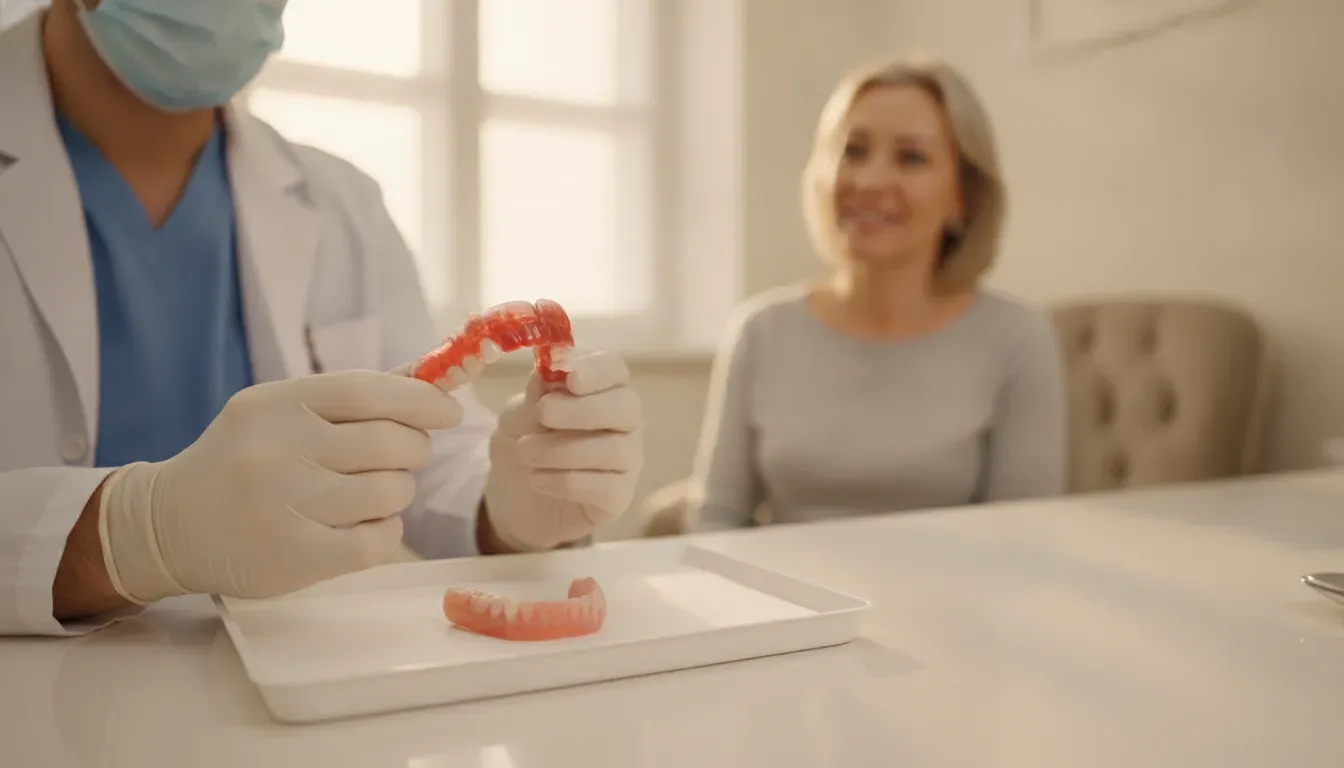
For those looking for a more budget-friendly and less invasive option, a partial denture is a solid choice. This is a removable appliance with one or more false teeth attached to a gum-colored base, which may have a metal framework to hold it in place. The cost is significantly lower, usually between $700 and $1,800, making it an accessible solution for many. However, there are trade-offs to consider. Partial dentures need to be removed daily for cleaning, and they don’t stimulate the jawbone, so bone loss can still occur over time. They typically last between 5 and 10 years before needing a replacement. If you're considering this option, you can book an appointment to see if it’s the right fit for you.
Maryland bridges
A Maryland bridge is a more conservative alternative to a traditional bridge, best suited for replacing a single missing tooth, often one of the front teeth. Instead of placing crowns on the adjacent teeth, a Maryland bridge has two small metal or porcelain "wings" on the back of the false tooth. These wings are bonded to the back of the neighboring teeth, so there’s little to no need to file them down. This approach preserves more of your natural tooth structure. The cost generally falls between $1,500 and $2,500. While they are less invasive and more affordable than an implant, they aren’t as strong as other bridge types and may not be suitable for areas that handle a lot of chewing force, like molars.
Weighing the Pros and Cons of a Dental Bridge
Deciding on a dental restoration is a big step, and it’s smart to look at it from all angles. A dental bridge is an excellent and popular solution for missing teeth, but like any procedure, it has its own set of benefits and considerations. Understanding both sides can help you feel confident in your choice and know what to expect. Let's walk through the pros and cons together so you can see if a bridge aligns with your health needs and lifestyle.
The advantages of choosing a bridge
A dental bridge is a fantastic way to get your smile and bite back on track after losing a tooth. Because it’s a fixed solution, it’s permanently attached and feels much more like your natural teeth than a removable denture would. This makes chewing your favorite foods comfortable again and can even help you speak more clearly. A bridge is a key part of many restorative treatment plans for this very reason.
Beyond just filling the space, a bridge plays a crucial role in your overall oral health. When a tooth is missing, the neighboring teeth can start to drift into the empty spot, which can throw your bite out of alignment. A bridge holds the line, keeping your teeth exactly where they should be. It also provides support for your lips and cheeks, maintaining your facial structure and giving you a complete, confident smile.
Potential downsides to consider
While bridges are effective, it's important to know about the potential trade-offs. To place a traditional bridge, the two healthy teeth on either side of the gap must be reshaped to hold the crowns that anchor the bridge. This means removing some of their natural enamel, which is a permanent alteration that can make them more vulnerable over time.
Another point to think about is long-term bone health. The jawbone beneath the missing tooth no longer receives stimulation from chewing, which can lead to gradual bone loss. Cleaning under the bridge also requires some extra effort to prevent plaque buildup, which could lead to decay in the supporting teeth. Because of these factors, bridges may need to be replaced after several years. Discussing these points when you book an appointment can help you decide if it's the right fit for you.
Is a Dental Bridge the Right Choice for You?
Deciding how to replace a missing tooth is a big step, and it’s completely normal to want to get it right. A dental bridge is a fantastic and reliable solution for many people, but it’s not the only one. The best choice for you really comes down to your specific situation, including your overall dental health, your budget, and what you’re looking for in the long run. Think of it as a partnership between you and your dentist. Together, you can look at the full picture and figure out which path will give you the healthiest, most confident smile. To help you prepare for that conversation, let’s walk through the scenarios where a bridge shines and when you might want to consider other options.
When a bridge is your best option
A dental bridge is often the ideal choice if you have one or more missing teeth with healthy teeth on either side of the gap. Because it’s a fixed solution, it’s permanently attached in your mouth, so you won’t have to worry about removing it for cleaning. This helps it feel and function much more like your natural teeth. A bridge does more than just fill a space; it restores your ability to chew properly and can even improve your speech. It also plays a crucial role in maintaining your facial structure and preventing your other teeth from shifting into the empty spot, which can cause bite issues down the road. It's a time-tested part of our restorative dental services.
When to explore other solutions
While a bridge is a great option, there are times when another solution might be a better fit for your long-term goals. If the teeth next to the gap aren't strong enough to support a bridge, or if you want to avoid altering healthy teeth, it’s worth exploring alternatives. The most common alternative is a dental implant. An implant replaces the root of the missing tooth and stands on its own, which helps preserve your jawbone. Although implants typically have a higher upfront cost, they can last a lifetime with proper care, potentially making them more cost-effective over 30 years. Discussing all the dental specialities available, including implants, with your dentist will help you make a fully informed decision.
Making Your Dental Bridge Last
A dental bridge is a significant investment in your smile and oral health, and you’ll want to make it last as long as possible. With the right care, you can enjoy your bridge for many years. It all comes down to a few consistent habits and knowing what to look for as it ages. Think of it as protecting your investment, one that pays you back with a confident, functional smile every single day.
Care tips to extend its lifespan
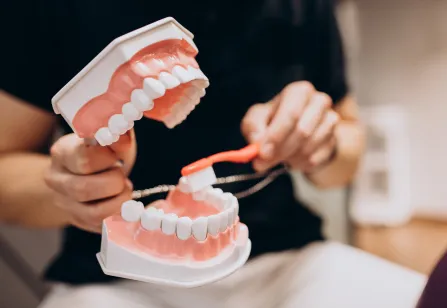
Keeping your dental bridge in great shape is a lot like caring for your natural teeth, with one extra step. You’ll want to brush at least twice a day and pay special attention to the area where the bridge meets your gums. Since a standard floss string can’t get underneath the bridge, you’ll need a special tool. A floss threader or a water flosser works perfectly to clear away plaque and food particles from under the pontic (the artificial tooth). Also, try to avoid chewing on very hard things like ice or hard candy, as well as overly sticky foods, which can put stress on the bridge. And, of course, keeping up with your regular dental check-ups allows us to spot any potential issues early.
Signs it might be time for a replacement
Even with excellent care, a dental bridge won’t last forever. It’s important to recognize the signs that it might be time for a replacement. If you notice any changes in how the bridge feels, like it’s becoming loose, it’s time for an evaluation. Pain or sensitivity in the supporting teeth can also be a red flag. Look out for visible signs of trouble, such as chips or cracks in the bridge itself or cavities forming along the edge of the crowns. Red, swollen, or bleeding gums around the bridge could also indicate plaque buildup and gum disease. If you experience any of these symptoms, it’s best to have a dentist take a look. Addressing problems early can prevent more complex restorative treatments down the road.
Find the Right Solution at Smile Makers Dental Center
Figuring out the best way to replace a missing tooth can feel like a big decision, and we understand that cost is a major part of the equation. While the price ranges for different bridges give you a starting point, the right choice for your smile depends on your unique situation. At Smile Makers Dental Center, our first priority is to help you understand all your options so you can feel confident about your treatment plan. We’re here to guide you through the process, not just present you with a bill. Our team is dedicated to finding a solution that restores your smile, fits your budget, and supports your long-term dental health.
We believe in a personalized approach to care. During your consultation, we’ll take the time to discuss your specific needs, from the health of your surrounding teeth to your lifestyle and cosmetic goals. Because we offer a full range of dental services, including implants and partial dentures, we can provide an honest assessment of which option will serve you best. Our goal is to create a treatment plan that you are comfortable and happy with.
We also know that managing the financial side of dental work is crucial. Our team is experienced in working with insurance providers to help you get the most out of your benefits. For patients without insurance or those looking for more affordable options, our Loyalty Discount Plan provides a straightforward way to make essential dental care more accessible. The best way to get clear, personalized answers is to have a conversation. We invite you to book an appointment at one of our six Northern Virginia locations to explore your options and take the first step toward a healthier, more complete smile.
Related Articles
- What Is a Dental Bridge? Your Complete Guide
- Dental Bridges Virginia | Smile Makers Dental Center
- Implant-Supported Bridges for Missing Teeth | Restore Your Smile
Frequently Asked Questions
How long does a dental bridge usually last? With great care, a dental bridge can last anywhere from 5 to 15 years, and sometimes even longer. The key to its longevity is your daily routine. Consistent brushing and flossing, especially using a floss threader or water flosser to clean underneath the bridge, will prevent plaque buildup and protect the supporting teeth. Regular dental check-ups are also essential so we can monitor its condition and address any small issues before they become bigger problems.
Is the process of getting a bridge painful? Your comfort is our top priority, so we make sure the entire area is completely numb with a local anesthetic before we begin. You might feel some pressure during the procedure, but you shouldn't feel any pain. It's normal to have some mild sensitivity for a few days afterward as your mouth adjusts, but this is usually temporary. If you feel anxious about dental work, we can also discuss sedation options to help you feel completely relaxed.
What happens if I just leave the empty space where my tooth was? It might seem like a single missing tooth isn't a big deal, but it can set off a chain reaction in your mouth. The neighboring teeth can start to tilt or drift into the empty space, which can throw your bite out of alignment. This can lead to issues with your jaw, difficulty chewing, and even cause extra wear on your other teeth. A bridge stops this from happening by holding the space and keeping your smile stable.
How do I choose between a dental bridge and a dental implant? This is a great question, and the answer depends on your personal health and long-term goals. A bridge is often a faster and more affordable solution upfront. It's an excellent choice if the teeth next to the gap could also benefit from crowns. An implant, on the other hand, is a standalone solution that doesn't involve your other teeth. It also helps preserve your jawbone. While it's a bigger investment initially, an implant can last a lifetime, making it a very durable choice.
How many appointments does it take to get a dental bridge? Getting a dental bridge typically involves two main appointments. During the first visit, we will prepare the supporting teeth, take precise impressions to create your custom bridge, and place a temporary bridge to protect the area. About two weeks later, you’ll come back for your second appointment. At this visit, we will remove the temporary one and permanently cement your beautiful, final bridge into place, making sure the fit and your bite are perfect.