





That dull ache in the back of your jaw might be more than just a minor annoyance. It could be your wisdom teeth trying to make an entrance. Hearing you might need them removed can feel overwhelming, but it’s one of the most common dental procedures people experience. Our goal is to give you clear, straightforward answers to all your questions, from what to expect during the procedure to how to manage recovery. This guide breaks down everything you need to know about wisdom teeth removal in Fairfax, so you can feel confident and prepared for your appointment and get back to feeling your best.
Key Takeaways
- Proactive removal prevents future problems: Your dentist may recommend removing wisdom teeth before they cause issues like pain, crowding, or infection, making an evaluation a smart first step.
- Modern dentistry makes the procedure comfortable: You can expect a pain-free experience thanks to local anesthetics, and sedation options are available to help you feel calm and relaxed throughout your visit.
- A successful recovery starts with simple preparation: You can set yourself up for easy healing by discussing payment options in advance, stocking your kitchen with soft foods, and closely following your dentist's aftercare instructions.
What Are Wisdom Teeth and Why Are They Removed?
Hearing that you might need your wisdom teeth removed can feel a little daunting, but it’s one of the most common dental procedures people go through. These teeth, which are the last to arrive, often show up to a party that’s already full, causing crowding and other issues in your mouth. Understanding what they are and why they often need to be extracted is the first step toward a healthier smile. Our goal is to give you clear, straightforward information so you know exactly what to expect and can feel confident about your care.
Defining wisdom teeth
Wisdom teeth are the third and final set of molars that appear in the very back of your mouth, usually when you’re in your late teens or early twenties. The main problem is that modern jaws are often too small to accommodate them. When there isn’t enough space, wisdom teeth can become impacted, meaning they get stuck beneath the gum line or grow in at an angle. This can push against your other teeth, leading to pain, alignment issues, and potential damage. That’s why your dentist may recommend removing them as a preventative measure, even before they cause any trouble.
Signs you may need your wisdom teeth removed
Your body is pretty good at letting you know when something is wrong. If your wisdom teeth are causing problems, you’ll likely notice a few key signs. Ongoing pain or a dull ache in the back of your jaw is a classic symptom. You might also see swelling or redness in your gums, which can signal an infection. Some people find it difficult to open their mouth wide or experience a persistent bad taste or bad breath that doesn't go away with brushing. If any of these sound familiar, it’s a good idea to book an appointment for an evaluation.
An overview of extraction types
Not all wisdom tooth removals are the same. The procedure depends on how the tooth is positioned in your jaw. A simple extraction is for a tooth that has fully grown in and is visible above the gum line. This process is typically quicker and more straightforward. However, if your tooth is impacted or still trapped under the gums, you’ll likely need a surgical extraction. This involves making a small incision in the gum to access and remove the tooth. Our team has extensive experience with all types of oral surgery and will determine the best approach for you.
What to Expect During the Procedure
Knowing what’s ahead can make any dental procedure feel more manageable. When it comes to wisdom teeth removal, we believe in keeping you fully informed. Our team will walk you through each stage, ensuring you feel comfortable and confident in your care. From the initial X-rays to the moment you head home to recover, you’ll know exactly what’s happening. Here’s a breakdown of the process at our Fairfax office.
Your pre-procedure consultation and imaging
Your journey begins with a dedicated consultation. This is where we get to know you and your specific needs. We’ll take X-rays to get a clear view of your wisdom teeth, checking their position, how they’re growing, and if they are impacted or affecting nearby teeth. This detailed look helps us create the safest and most effective plan for your extraction. It’s also the perfect time for you to ask any questions you have. We want you to feel completely at ease, so don't hesitate to bring up any concerns when you book your appointment.
Anesthesia and sedation options for your comfort
We understand that the thought of discomfort is a major concern for many patients. Let me put your mind at ease: you will not feel pain during the extraction. We use a local anesthetic to completely numb the area around the tooth. For patients who feel anxious or prefer to be more relaxed, we also offer sedation dentistry. We’ll discuss all the options with you during your consultation to find the right approach that ensures you have a calm and stress-free experience. Your comfort is our top priority.
A step-by-step look at the extraction process
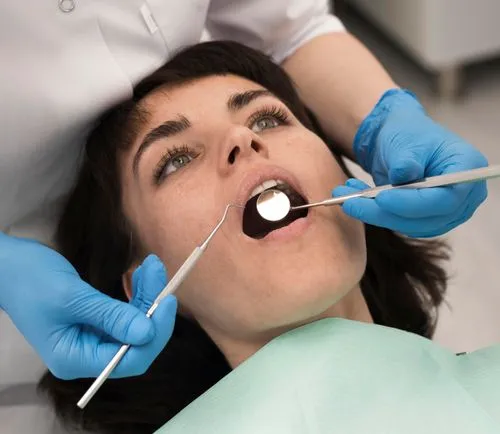
Once you’re comfortable and the area is numb, the procedure can begin. For a simple extraction, your dentist will gently loosen and remove the tooth. If a tooth is impacted, meaning it's stuck beneath the gum line, your dentist will make a small incision to access it. After the tooth is removed, the area is cleaned, and we may place a few stitches to help it heal. The entire process is handled with precision and care. We may also schedule a follow-up visit to monitor your recovery. Our goal is to make your wisdom teeth removal as smooth as possible.
The Cost of Wisdom Teeth Removal in Fairfax
Understanding the cost of wisdom teeth removal is a key part of planning for your procedure. The total price can depend on several factors, including how complex the extraction is and what your insurance plan covers. The good news is that there are many ways to manage the expense, from insurance benefits to flexible payment plans. Getting a clear picture of the potential costs and payment options ahead of time helps you move forward with confidence, knowing you can get the care you need without financial surprises. At Smile Makers, we believe in being transparent about pricing and are here to help you find a solution that fits your budget.
Pricing for simple vs. surgical extractions
The cost of your wisdom tooth extraction will largely depend on the complexity of the procedure. A simple extraction, where the tooth is fully erupted and easy to access, is less expensive than a surgical extraction for an impacted tooth. Impacted teeth are trapped beneath the gum line and require an incision to be removed. Generally, the price for an extraction can range from around $75 for a single, simple removal to over $3,000 for multiple, complex surgical extractions. During your consultation, we’ll use X-rays to determine the position of your wisdom teeth and provide a precise cost estimate based on your specific needs.
Using insurance and other payment options
Dental insurance can significantly reduce your out-of-pocket costs for wisdom teeth removal. Most plans cover a portion of the procedure, but the exact amount varies. We recommend contacting your insurance provider beforehand to understand your benefits for both simple and surgical extractions. If you don’t have insurance, don’t worry. We offer a Loyalty Discount Plan to help make your care more affordable. Many practices also provide different wisdom teeth removal payment plans to ensure you can get the treatment you need without delay. Our team is happy to review all your options with you.
Available financing plans
For patients who need a little more flexibility, financing plans are an excellent way to spread the cost of treatment over time. These plans break down the total cost into manageable monthly payments, making it easier to fit the procedure into your budget without having to pay the full amount upfront. Many dental offices offer internal payment options or work with third-party financing companies to provide accessible solutions. We can discuss all available financing choices during your initial consultation. To learn more about what might work for you, simply book an appointment with our team, and we’ll walk you through the process.
Your Guide to a Smooth Recovery
Taking care of yourself after your wisdom teeth are removed is the most important step toward a quick and comfortable recovery. Knowing what to expect and how to manage your symptoms will help you heal properly and get back to feeling like yourself. Your main jobs are to manage swelling, stay comfortable, and keep the area clean without disturbing the healing process. Following your dentist's instructions is key, but this guide will give you a clear roadmap for the days ahead.
The first 48 hours after surgery
The first two days after your procedure are the most critical for healing. It's completely normal to experience some light bleeding or oozing from the tooth socket for about 24 hours. We'll send you home with gauze to bite down on, which helps apply gentle pressure to control this. Your main focus during this time should be resting and allowing your body to begin the healing process. Avoid any strenuous activity, like working out or heavy lifting. Try to keep your head elevated with pillows, even while sleeping, to help reduce swelling. This initial period sets the stage for the rest of your recovery, so take it easy.
Your essential aftercare checklist
Following a few simple steps can make a huge difference in your healing process and overall comfort. Here’s a quick checklist to keep you on track:
- Leave the initial gauze in place for about 30 minutes after your surgery to help a blood clot form.
- Apply ice packs to the outside of your face in 20-minute intervals to minimize swelling.
- Take all prescribed medications exactly as directed by your dentist to stay ahead of any discomfort.
- For the first 24 hours, do not rinse your mouth. When you brush your teeth, be very gentle and avoid the surgical sites completely.
These steps are designed to protect the delicate healing area and promote a faster, smoother recovery.
How to manage pain and swelling
Some pain and swelling are a normal part of the recovery process, but you can take steps to stay comfortable. The medication we prescribe is designed to manage post-operative pain effectively. If you find that the pain isn't controlled by the prescribed dose, please give our office a call. Using ice packs consistently for the first 48 hours is your best tool for reducing swelling and inflammation. Following these instructions carefully will speed up the healing process and help you feel better sooner. Our oral surgery team is always here to support you if you have any concerns about your recovery.
What to eat and how to keep your mouth clean
For the first few days, stick to a diet of soft foods that don’t require much chewing. Think smoothies, yogurt, applesauce, mashed potatoes, and lukewarm soups. It's important to avoid using a straw, as the suction can dislodge the protective blood clot in the socket, a condition known as dry socket. After the first 24 hours have passed, you can start gently rinsing your mouth with warm salt water three to four times a day, especially after eating. This helps keep the area clean and promotes healing. Continue to brush your other teeth gently, but stay away from the surgical sites until your dentist gives you the okay.
Easing Your Concerns About Wisdom Teeth Removal
It’s completely normal to feel a little nervous about having your wisdom teeth removed. The idea of any dental surgery can be intimidating, but knowing what to expect and how your comfort is prioritized can make all the difference. We believe that a well-informed patient is a relaxed patient. Our team is here to walk you through every step, answer all your questions, and make sure your experience is as smooth and stress-free as possible. From managing anxiety to ensuring a safe procedure, we’ve got you covered.
Tips for managing dental anxiety
Feeling anxious about a dental procedure is incredibly common, so please know you’re not alone. The most important step you can take is to communicate with us. Let our team know how you’re feeling; we are here to listen and adapt our approach to meet your needs. Many patients find that simple relaxation techniques, like deep breathing exercises before and during their appointment, can be very helpful.
You can also create a more calming environment for yourself by bringing headphones to listen to your favorite music or a podcast. Distraction can be a powerful tool. We also recommend scheduling your appointment at a time when you won’t feel rushed, like first thing in the morning or on a day off. Our patient-focused team is committed to creating a supportive atmosphere from the moment you walk in.
Sedation options for a stress-free visit
Modern dentistry offers excellent options to ensure you feel calm and comfortable during your wisdom teeth removal. You don’t have to simply “tough it out.” We provide several levels of sedation dentistry and will work with you to find the best fit for your anxiety level and the specifics of your procedure. These options can range from minimal sedation, like nitrous oxide (often called “laughing gas”) that helps you relax while remaining fully awake, to oral sedatives you take before your appointment.
For more complex extractions or higher levels of anxiety, IV sedation is also available. This allows for a deeper state of relaxation, and many patients have little to no memory of the procedure afterward. Our priority is your well-being, and we’ll discuss each option thoroughly so you can make an informed choice.
How we ensure a safe and comfortable procedure
Your safety is our top priority. A successful wisdom teeth removal begins long before the actual procedure. We start with a comprehensive consultation, including a review of your medical history and detailed imaging like X-rays, to create a precise treatment plan. Our experienced oral surgeons use modern equipment and techniques to perform the extraction efficiently and with great care.
Our commitment to your well-being extends beyond the dental chair. We ensure a safe procedure by providing you with clear, detailed aftercare instructions. Following these steps is crucial for preventing infection and promoting a quick recovery with minimal discomfort. From start to finish, our team is here to support you. When you’re ready, you can book an appointment to discuss your specific needs with one of our dentists.
How to Choose the Right Dentist in Fairfax
Finding the right dental team for your wisdom teeth removal is a big decision, but it doesn’t have to be a stressful one. When you know what to look for, you can feel confident you’re choosing a provider in Fairfax who will make your health and comfort a top priority. Focus on a few key areas: the team’s specific experience, their approach to patient care, and how they answer your questions. This will help you find a practice where you feel completely at ease.
Look for specialized oral surgery experience
Wisdom tooth extraction is a common procedure, but it’s still a form of surgery. That’s why it’s important to find a dental practice with deep experience in this area. While some general dentists perform simple extractions, many complex or impacted wisdom teeth cases are best handled by a dentist with specialized training in oral surgery. Look for a team that performs these procedures regularly. A practice with dedicated oral surgery specialists has the focused expertise to handle any complexities that might arise, ensuring your procedure is as safe and smooth as possible.
Find a practice with modern, patient-focused care
The right technical skills are crucial, but so is the patient experience. You want a dental office that makes you feel informed and comfortable every step of the way. A modern, patient-focused practice uses advanced technology, like 3D Cone Beam imaging, for precise planning and a more predictable outcome. Beyond the tools, pay attention to the team’s communication style. Do they take the time to listen to your concerns and explain your options clearly? Choosing a team that prioritizes your comfort can significantly reduce any anxiety you might feel about the procedure.
Key questions to ask during your consultation
Your consultation is the perfect opportunity to make sure a dentist is the right fit for you. Don’t be shy about asking questions. It shows you’re an active participant in your own health care.
Here are a few important questions to ask:
- What does the typical recovery timeline look like?
- What are the risks of not removing my wisdom teeth?
- Can you walk me through the steps of the procedure?
- What are my anesthesia and sedation options?
The answers you receive will give you a clear picture of what to expect and help you feel prepared. When you're ready, you can schedule a consultation to get the information you need.
Get Ready for Your Procedure at Smile Makers Dental Center
Feeling prepared for your wisdom teeth removal can make a world of difference in your experience. When you know what to expect and have a solid plan, you can approach your procedure with confidence. At Smile Makers Dental Center, our team is here to guide you every step of the way, ensuring you feel supported from your first visit to your final check-up. Taking a few simple steps before your appointment will help set you up for a smooth, comfortable procedure and a speedy recovery. It all starts with understanding your pre-surgery instructions, getting your home ready for your return, and having a clear conversation with your dentist about what’s next.
Follow your pre-surgery instructions
Think of your pre-surgery instructions as your personal roadmap to a successful procedure. Our dental team provides these guidelines specifically to keep you safe and help ensure a smooth experience during your wisdom teeth removal. They often include important details like when to stop eating or drinking before your appointment, which is crucial if you’re receiving sedation. You might also receive guidance on medications and what to wear for your visit. Following these directions closely helps minimize risks and prepares your body for the procedure. Be sure to arrange for a friend or family member to drive you home, as you won’t be able to drive yourself after receiving anesthesia.
Set up your home for a comfortable recovery
A little prep work at home can make your recovery period much more relaxing. Before your appointment, take some time to create a cozy "recovery zone" on your couch or bed with plenty of pillows to keep your head elevated. Stock your fridge and pantry with soft, easy-to-eat foods like yogurt, smoothies, soup, and applesauce so you don’t have to worry about cooking. It’s also a great idea to have ice packs ready in the freezer to help manage swelling in the first 24 to 48 hours. By getting everything you need in place ahead of time, you can focus completely on resting and healing after your oral surgery.
Schedule your consultation and plan your next steps
Your journey begins with a simple conversation. Scheduling a consultation is the essential first step, giving you a chance to meet our team, discuss your specific needs, and get all your questions answered. This appointment is the perfect time to talk about any concerns you may have, from managing dental anxiety to understanding the recovery process. We’ll go over your imaging, explain the procedure in detail, and create a personalized treatment plan just for you. We believe an informed patient is an empowered one, so we encourage you to ask anything that’s on your mind. When you’re ready to take the next step, you can easily book an appointment at one of our convenient locations.
Related Articles
- Wisdom Teeth Removal Virginia | Expert Tooth Extractions
- Oral Surgery Virginia - Smile Makers Dental Center
- Dental Implants Fairfax VA | Tooth Replacement Options
Frequently Asked Questions
Do all wisdom teeth need to be removed? Not every person needs their wisdom teeth removed. If your wisdom teeth grow in completely, are positioned correctly, and you can keep them clean, they may not cause any issues. However, because modern jaws are often too small to accommodate them, they frequently become impacted or cause crowding. The best way to know for sure is to have a dentist evaluate them with X-rays to see if they pose a risk to your long-term oral health.
How long does the actual extraction procedure take? The time spent in the dental chair is often much shorter than patients anticipate. A straightforward extraction of a single tooth might take less than 30 minutes, while a more involved procedure to remove all four impacted teeth could take about an hour. We will give you a clear time estimate based on your specific situation during your consultation.
What exactly is a dry socket, and how can I prevent it? A dry socket is a painful condition that can occur if the protective blood clot that forms in the empty tooth socket gets dislodged. This exposes the underlying bone and nerves. Thankfully, it is largely preventable. The most important things you can do are to avoid using straws, refrain from smoking, and follow all the aftercare instructions we provide, especially regarding your diet and oral hygiene.
How soon can I return to my normal activities like work or school? We recommend planning to rest for at least two to three days following your procedure. This allows your body to focus on healing and helps you manage any initial swelling or discomfort. You should avoid any strenuous exercise or heavy lifting for at least a week to prevent complications. We can provide more personalized advice based on your specific job or activities.
Will I need someone to drive me home after the procedure? Yes, it is essential that you arrange for a responsible adult to drive you home. Because you will receive a local anesthetic and may choose sedation for your comfort, your coordination and judgment will be impaired. For your safety, you should not operate a vehicle for the remainder of the day after your surgery.