

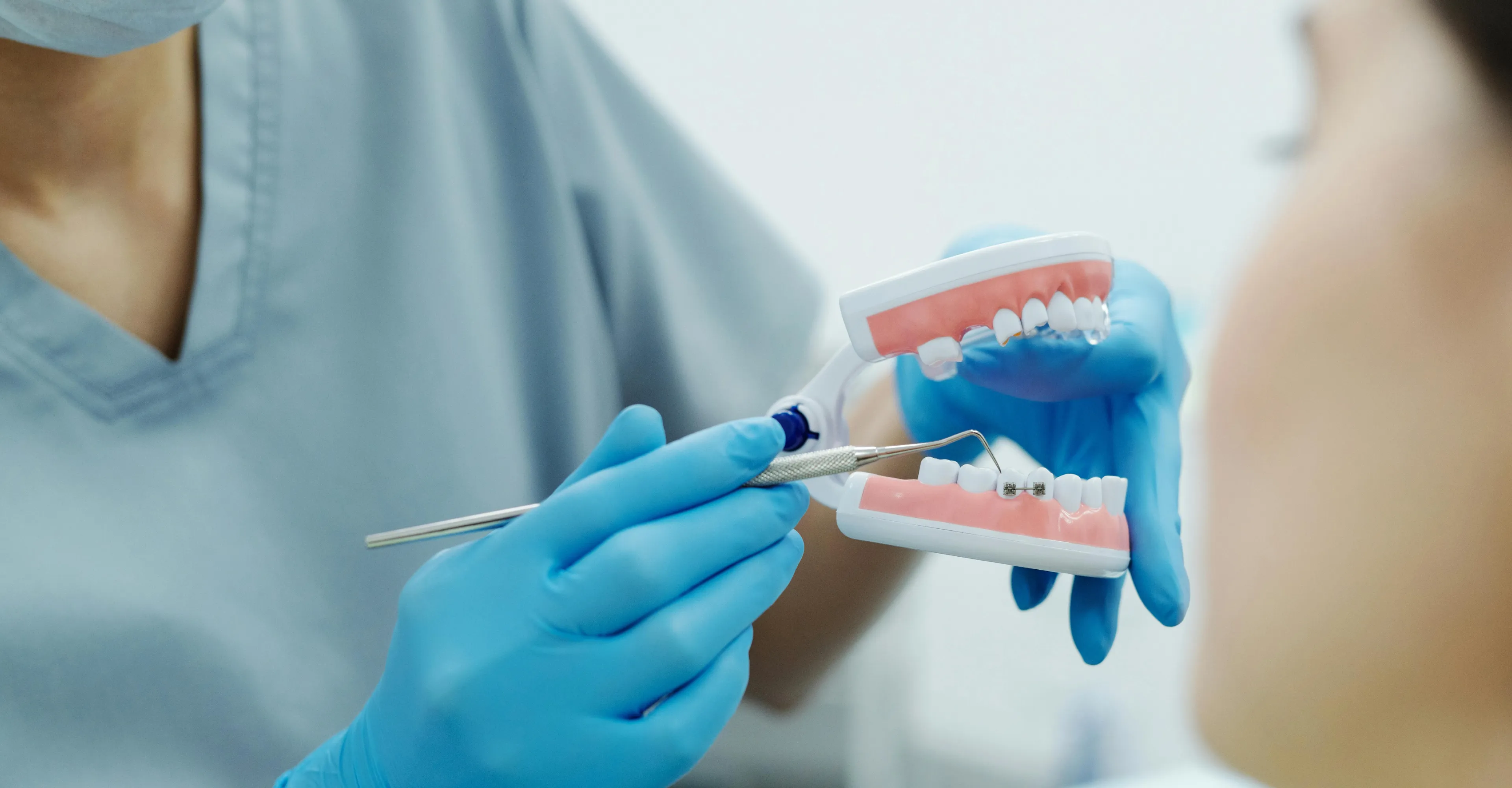



That dull ache in your jaw or the swollen, tender gums in the back of your mouth might be more than just a minor annoyance. These are often the first signs that your wisdom teeth are causing trouble. When these final molars don't have enough room to grow in properly, they can become impacted, pushing against other teeth and creating a perfect environment for infection. Ignoring these symptoms can lead to more serious issues down the road. We'll cover everything you need to know about this common procedure, helping you feel informed and confident as you prepare for your wisdom teeth removal in Bailey's Crossroads.
Key Takeaways
- Address wisdom teeth early to prevent future issues: Removing wisdom teeth is often a proactive measure to protect your oral health from problems like impaction, crowding, and potential damage to neighboring molars.
- A little prep work ensures a smoother recovery: Your experience is greatly improved by planning ahead, so arrange for a ride home, stock your kitchen with soft foods, and carefully follow your surgeon's aftercare instructions.
- Find a surgeon and practice you trust: Choosing the right team is crucial for your comfort, so look for a board-certified oral surgeon, ask about sedation options, and select a practice where you feel well-cared for and supported.
Why Do I Need My Wisdom Teeth Removed?
If you’ve ever heard a dentist mention your "third molars," they were talking about your wisdom teeth. These are the last set of molars to arrive, usually showing up in your late teens or early twenties. For many people, this final set of teeth is more trouble than it's worth. The main issue is a simple lack of space. Our jaws are often not large enough to accommodate them, leading to a range of problems that can affect your overall oral health.
That’s why wisdom teeth removal is one of the most common dental procedures. It’s often not a matter of if you’ll have issues, but when. Getting ahead of these problems can save you from future pain, expense, and more complicated dental work down the road. Let’s walk through the specific reasons why your dentist might recommend having them taken out.
When Teeth Get Stuck or Crowded
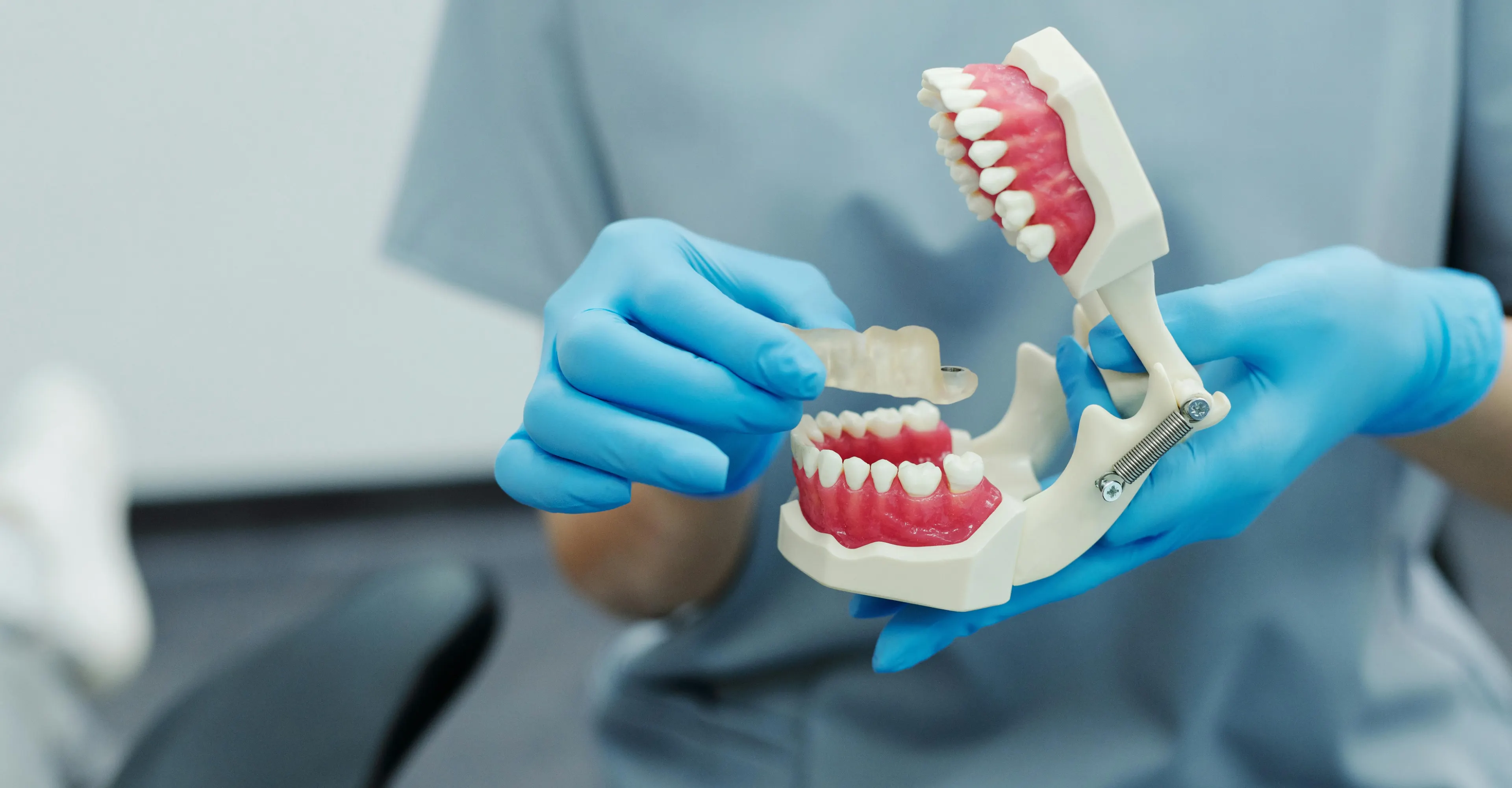
One of the most frequent problems is impaction, which is just a technical way of saying the tooth is stuck. Because there isn't enough room, a wisdom tooth might only partially break through the gums or get trapped completely beneath them. When this happens, it can grow in at an awkward angle, pushing sideways into the neighboring molar. This constant pressure can damage the healthy tooth next to it, cause alignment issues, and even shift your other teeth out of place. If you’ve had braces, this can be especially frustrating as it can undo all that hard work.
Protecting Your Other Teeth
An impacted wisdom tooth doesn't just cause crowding; it can also lead to pain and damage. You might notice symptoms like sore or swollen gums around your back molars, persistent jaw pain, or even difficulty opening your mouth comfortably. These are signs that the impacted tooth is creating problems below the surface. Leaving it alone can lead to the formation of cysts, which are fluid-filled sacs that can damage the jawbone and the roots of nearby teeth. Removing the wisdom tooth eliminates the source of the problem, protecting the rest of your teeth and your jaw from harm.
Avoiding Gum Disease and Cavities
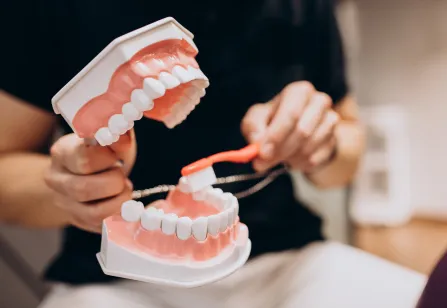
Even if a wisdom tooth comes in straight, its location way back in your mouth can make it a real challenge to clean. It’s tough to get a toothbrush and floss back there effectively, which makes the area a magnet for food particles and bacteria. This can quickly lead to plaque buildup, cavities, and gum inflammation, also known as pericoronitis. This localized gum infection can be quite painful and may keep coming back. By removing the wisdom teeth, you make it much easier to maintain good oral hygiene and prevent decay and gum disease in your back molars.
Preventing Future Dental Problems
Sometimes, a dentist will recommend removing wisdom teeth even if they aren’t causing any immediate pain. This is a preventative measure based on what your X-rays show. Since an estimated 9 out of 10 people have at least one impacted wisdom tooth, it’s often better to address the issue early. Younger patients tend to recover more quickly from the surgery, and removing the teeth before their roots are fully formed can make the procedure simpler. Taking a proactive approach helps you avoid the risk of sudden pain, infection, or other complications later on. If you have questions about your wisdom teeth, the best first step is to book a consultation for a full evaluation.
What Happens During Wisdom Teeth Removal?
Thinking about getting your wisdom teeth removed can feel a little daunting, but knowing what to expect makes the entire process much smoother. It’s one of the most common dental procedures, and our team is here to guide you through every step with care. The whole experience can be broken down into four main parts: your initial visit, a plan to keep you comfortable, the extraction itself, and your first few hours of recovery. We’ll walk you through each stage so you can feel confident and prepared for your appointment.
Our goal is to make your oral surgery experience as straightforward and comfortable as possible. From the moment you schedule your first visit to the day you’re fully healed, we’ll provide clear instructions and support. Let’s look at exactly what happens during a wisdom tooth removal procedure.
Your Initial Consultation and X-Rays
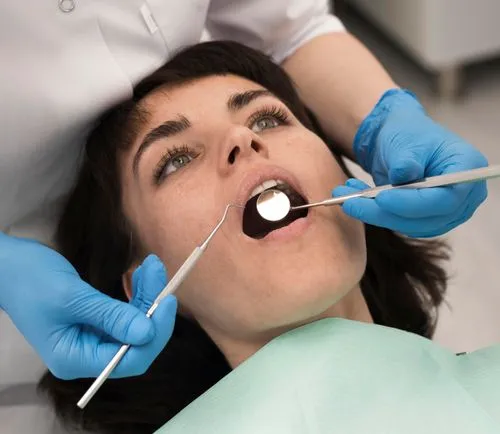
The first step is to come in for a consultation. This is where we get to the bottom of what’s going on in your mouth. If you’re experiencing symptoms like sore or swollen gums, jaw pain, or bad breath, it’s a good idea to book an appointment. During this visit, we’ll take a set of X-rays to get a clear picture of your wisdom teeth. These images show us their exact position, whether they are impacted (stuck beneath the gums), and how they might be affecting your other teeth. This information helps us create a personalized treatment plan just for you.
Staying Comfortable: Anesthesia and Sedation
We know that the thought of dental surgery can cause anxiety, which is why your comfort is our top priority. Before the procedure begins, we’ll use a local anesthetic to completely numb the area around your wisdom teeth so you won’t feel any pain during the extraction. For patients who feel particularly nervous, we also offer sedation dentistry. This can range from medication that helps you relax to options that allow you to sleep through the entire procedure. We’ll discuss the best choice for you during your consultation to ensure you have a calm and stress-free experience.
The Step-by-Step Extraction Process
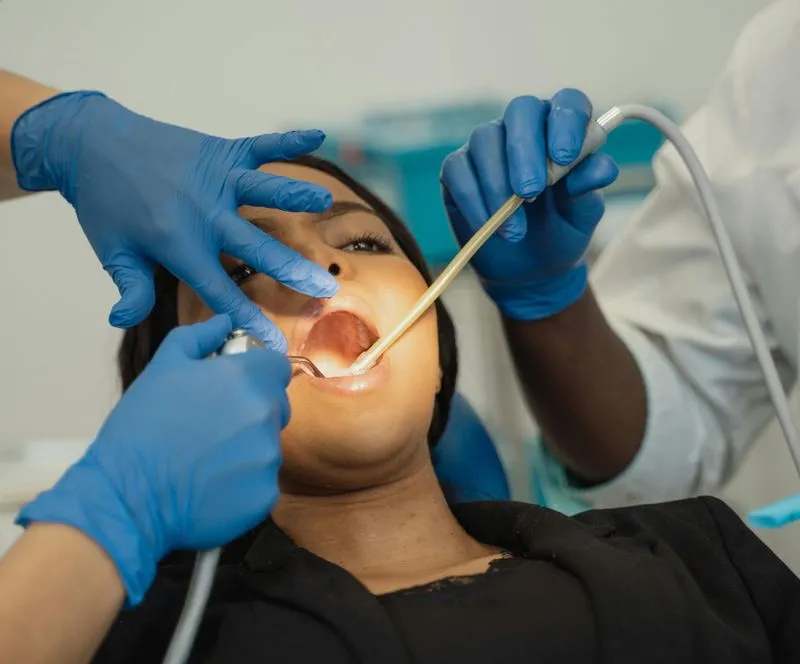
Once you’re numb and comfortable, the extraction can begin. If your wisdom tooth is impacted, the oral surgeon will make a small incision in your gum tissue to access it. Sometimes, the tooth is divided into smaller sections to make it easier to remove without affecting the surrounding area. You may feel some slight pressure during this process, but you shouldn't feel any pain. The entire wisdom teeth removal procedure is typically completed in a single visit, and our team will work efficiently to get you on the road to recovery as quickly as possible.
Monitoring Your Immediate Recovery
After the surgery is complete, you’ll rest in our office for a short while as the initial effects of anesthesia wear off. We’ll give you detailed aftercare instructions to take home, covering everything from managing discomfort to what you can eat and drink. It’s normal to have some swelling and minor bleeding in the first 24 hours. However, if you experience a lot of swelling, bleeding, or pain that doesn’t improve after the first few days, it’s important to call our office right away. Following your post-op instructions carefully is the key to a smooth and speedy healing process.
What's the Cost of Wisdom Teeth Removal in Bailey's Crossroads?
Figuring out the cost of wisdom teeth removal is a top priority for most people, and it’s smart to have a clear picture before you schedule your procedure. The price isn’t one-size-fits-all because every patient’s situation is unique. Several key things determine the final cost, including how many teeth need to be removed, how complex the extractions are, and the type of anesthesia you’ll need to stay comfortable.
At Smile Makers Dental Center, we believe in being transparent about costs. We’ll walk you through a detailed estimate during your consultation so you know exactly what to expect. Our goal is to provide exceptional care that fits your budget, ensuring there are no surprises along the way. We’re here to help you understand all your options.
Understanding the Average Cost
The cost of wisdom teeth removal can vary quite a bit, but most people can expect to pay somewhere between $200 and $1,100 per tooth. The total cost for all four teeth often falls in the range of $1,200 to $4,000 or more. This range depends heavily on the specifics of your case. For example, a simple extraction of a fully erupted tooth will be on the lower end of the scale. However, a more complex procedure to remove a tooth that is impacted, or stuck beneath the gumline, will cost more. During your initial consultation, we’ll use X-rays to assess your teeth and give you a precise cost breakdown for your treatment plan in Bailey's Crossroads.
Factors That Influence the Final Price
Several factors play a role in your final bill. The biggest one is the type of extraction required. A simple extraction is quicker and less invasive, while a surgical extraction for an impacted tooth is more involved. Impacted teeth are classified by how they’re trapped in the jaw, from soft tissue impactions to full-bony impactions, each with a different level of difficulty and cost. Another major factor is the type of sedation you choose. While local anesthesia is standard, many patients opt for IV sedation for greater comfort, which adds to the overall price. Our oral surgery specialists will discuss the best approach for you.
Using Your Dental Insurance
If you have dental insurance, it can definitely help manage the cost of wisdom teeth removal. Most dental plans cover a portion of the procedure, though the exact amount depends on your specific policy. Wisdom tooth extraction is typically classified as a major oral surgery, so your plan might cover around 50% of the cost after you’ve met your deductible. It’s always a good idea to call your insurance provider beforehand to confirm your coverage details, including your annual maximum. Our team is happy to help you with the paperwork and submit claims on your behalf. For those without insurance, our Loyalty Discount Plan offers another great way to make treatment more affordable.
Flexible Payment and Financing Plans
We believe that financial concerns shouldn’t stand in the way of necessary dental care. That’s why we offer several payment options to make wisdom teeth removal accessible for everyone in the Bailey's Crossroads community. We accept cash, checks, and major credit cards. For those who prefer to pay for their treatment over time, we also partner with third-party financing companies like CareCredit. These programs offer flexible, low-interest payment plans that can be tailored to fit your monthly budget. Our Bailey's Crossroads office team can walk you through the application process and help you find a solution that works for you.
How to Prepare for Wisdom Teeth Surgery
Feeling a little nervous about your upcoming wisdom teeth removal? That's completely normal. The good news is that a little preparation can make a huge difference in how smoothly everything goes, from the moment you arrive at our office to your recovery at home. Think of it as setting yourself up for success. By taking a few simple steps beforehand, you can walk into your appointment feeling confident and leave ready for a comfortable healing process. This preparation isn't just about checking items off a list; it's about giving yourself peace of mind and taking an active role in your own care.
This preparation isn't complicated, but it is important. It involves coordinating a few logistics, getting your home ready for your return, and making sure your dental team has all the information they need to provide the best care. We want you to feel as relaxed and informed as possible. When you know what to expect and have everything in place, you can focus your energy on resting and healing instead of scrambling for supplies or a ride at the last minute. Let's walk through exactly what you can do to get ready for your procedure and ensure your recovery is as quick and painless as possible.
Following Your Pre-Op Instructions
Your oral surgeon will give you a specific set of instructions to follow before your procedure. This isn't just random advice; it's a personalized plan to ensure your safety and comfort. These guidelines might include when to stop eating or drinking and which medications to take or avoid. After the surgery, you'll get instructions to help you heal quickly and with little pain. Following these directions closely is the best thing you can do to support a smooth recovery. If you have any questions about your instructions, don't hesitate to call our office. We're here to help you feel clear and confident about your oral surgery.
Arranging for a Ride and Support
You will not be able to drive yourself home after your wisdom teeth removal. Patients often receive sedation (medicine to help you relax or sleep) during the procedure, which means you will need someone to drive you home afterward. Plan ahead and ask a trusted friend or family member to take you to and from your appointment. It’s also a great idea to have that person stay with you for at least a few hours after you get home. Having someone there for support can make the experience much less stressful, allowing you to focus completely on resting and recovering.
Getting Your Home Recovery-Ready
Turn your home into a recovery sanctuary before your appointment. Preparing your home for recovery is essential. Stock up on soft foods and pain relief medications, and create a comfortable resting area. Go grocery shopping for items like yogurt, applesauce, smoothies, and lukewarm soups. Make sure you have any recommended pain relievers on hand. Set up a cozy spot on the couch or in bed with plenty of pillows, blankets, and some good movies or books. Having everything you need within arm's reach means you can focus on one thing: resting. This simple preparation can help facilitate a smoother healing process.
Reviewing Your Health History and Medications
One of the most important preparation steps is being open and thorough about your health. Before the procedure, it’s important to review your health history and any medications you are currently taking, including over-the-counter drugs, vitamins, and supplements. This information helps our team provide the safest and most effective care tailored just for you. It ensures we can avoid any potential complications and make your wisdom teeth removal as smooth as possible. Be sure to mention any allergies or health conditions, no matter how minor they may seem. Your safety is our top priority.
Your Guide to a Smooth Recovery
Once your wisdom teeth removal is complete, your focus will shift to healing. A smooth recovery is all about following your oral surgeon's instructions and taking good care of yourself. While everyone’s healing process is a little different, knowing what to expect can make the experience much more comfortable. We’ll walk through the first couple of days, how to handle discomfort, what you should eat, and when it’s time to call the office. Taking these simple steps will help you get back to feeling like yourself as quickly as possible. Remember, your dental team is here to support you, so don't hesitate to reach out with questions.
The First 48 Hours
The first two days after your surgery are the most important for your recovery. Your main job is to rest and allow your body to heal. Plan on taking it easy, which means no strenuous activity, heavy lifting, or intense exercise. You’ll receive specific instructions from your dentist, and following them closely is the best way to ensure you heal quickly with minimal pain. You will likely have gauze in your mouth to control bleeding; be sure to change it as directed. This initial period sets the foundation for the rest of your recovery, so give yourself permission to relax on the couch with a good book or your favorite show.
How to Manage Pain and Swelling
It’s normal to experience some swelling and discomfort after wisdom teeth removal. We use local numbing medicine so you don't feel pain during the procedure, but as it wears off, you may feel sore. You can manage this with over-the-counter pain relievers as recommended by your dentist. Applying an ice pack to your cheek for 20 minutes on, then 20 minutes off, can also work wonders for reducing swelling. While some discomfort is expected, call Smile Makers Dental Center right away if you have a lot of swelling, bleeding, or pain that doesn’t get better after the first few days.
What to Eat (and What to Avoid)
Your diet plays a big role in your recovery. For the first few days, stick to soft foods that don’t require much chewing. Think smoothies (without a straw), yogurt, applesauce, mashed potatoes, and lukewarm soups. It’s just as important to know what to avoid. Steer clear of anything hard, crunchy, spicy, or sticky, as these foods can irritate the surgical site or get stuck in the socket. You should also avoid using straws for at least a week. The sucking motion can dislodge the protective blood clot that forms in the socket, a painful condition known as dry socket.
Warning Signs: When to Call Your Dentist
Your body will give you signals if something isn’t right. While some pain and swelling are part of the process, certain symptoms require a professional opinion. It’s important to contact Smile Makers Dental Center if you experience severe pain that isn’t managed by your prescribed medication, bleeding that won’t stop, or swelling that continues to worsen after three days. Other signs to watch for include a fever, pus or a foul taste coming from the extraction site, or difficulty breathing or swallowing. Trust your instincts; if you feel like something is wrong, it’s always best to call and get guidance.
Finding the Right Oral Surgeon in Bailey's Crossroads
Choosing the right oral surgeon for your wisdom teeth removal is one of the most important decisions you'll make in this process. You want a specialist who is not only skilled and experienced but also makes you feel comfortable and heard. This is about finding a partner in your health who will guide you through the procedure with confidence and care. Taking the time to research your options ensures you’ll have a smooth experience from the initial consultation to your final follow-up. When you feel good about your surgeon, you can focus all your energy on a peaceful recovery.
Check for Board Certification and Training
First things first, you want to know your surgeon has the right qualifications. Look for an oral surgeon who is board-certified. This means they’ve gone through extensive training beyond dental school and have passed rigorous exams to prove their expertise in surgical procedures. Think of it as the highest level of achievement in their field. A board-certified surgeon is committed to upholding the best standards of patient care and safety. You can usually find this information on a dental practice’s website, often on a page detailing their dental specialities, or by simply asking during your consultation.
Ask About Comfort and Sedation Options
Feeling nervous about wisdom teeth removal is completely normal. That’s why it’s so important to talk about your comfort. Ask your potential surgeon what they offer for pain and anxiety management. At a minimum, they should use a local anesthetic to numb the area completely. Many practices also offer sedation dentistry, which can help you relax or even sleep through the entire procedure. Don’t be shy about discussing your concerns. A great surgeon will listen and help you choose the option that makes you feel most at ease.
Look for Modern Technology and Techniques
A dental practice that invests in modern technology is investing in you. Up-to-date equipment like digital 3D imaging gives your surgeon a crystal-clear view of your teeth, roots, and jawbone. This precision allows for better surgical planning, which can lead to a less invasive procedure and a quicker, easier recovery. Advanced tools also contribute to a more efficient and comfortable experience in the chair. When you visit the Bailey's Crossroads office for a consultation, take note of the environment. A clean, modern office often reflects a commitment to high-quality care.
Read Patient Reviews and Testimonials
What are other patients saying? Reading reviews is like getting a recommendation from a friend. Look for feedback that speaks to the surgeon’s skill, their chairside manner, and the helpfulness of the office staff. Do patients mention feeling well-informed and cared for? Do they praise the team for being friendly and answering all their questions? Testimonials can give you a great sense of the overall patient experience. This insight helps you find a practice where you won’t just be treated like a chart number, but like a person who deserves compassionate, attentive care.
How to Choose the Best Dental Practice for You
Finding the right dental practice is just as important as finding the right oral surgeon. You want a team that makes you feel comfortable, a location that’s easy to get to, and an office that works with your schedule. Since wisdom teeth removal involves consultations and follow-up visits, choosing a practice that feels like a good fit can make the entire experience much smoother. Think about what matters most to you, from the front desk staff to the payment options, to ensure you feel supported every step of the way.
Key Questions for Your Consultation
Your consultation is the perfect time to get a feel for the practice and make sure all your questions are answered. Don't be shy about asking for details. You can ask about the surgeon's experience with wisdom teeth removal, what to expect during the procedure, and what the recovery process looks like. If you suspect you have impacted wisdom teeth, you should schedule a consultation to get a clear diagnosis and a personalized treatment plan. This initial meeting is your opportunity to build trust and confidence in the team that will be handling your care.
Consider the Office Atmosphere and Team
The vibe of a dental office can tell you a lot. When you walk in, do you feel welcomed? Is the staff friendly and attentive? You'll be interacting with the entire team, from the receptionist to the dental assistants, so you want to feel at ease. At Smile Makers, we strive to create a convenient and welcoming place for everyone. Our patients often tell us they appreciate how our staff takes the time to explain everything clearly and answer questions. A positive atmosphere and a supportive team can significantly reduce any anxiety you might feel about your procedure.
Check for Flexible Scheduling and Emergency Care
Life is busy, and your dental care shouldn't add to the stress. Look for a practice that offers flexible appointment times that can accommodate your work, school, or family commitments. It’s also smart to choose a practice that can handle dental emergencies, just in case you need urgent care before or after your surgery. Having a reliable team that can see you on the same day for an emergency provides incredible peace of mind. At Smile Makers, we offer a range of appointment times and are equipped to handle urgent dental needs to ensure you get the care you need right when you need it.
Find a Convenient and Accessible Location
When you’re dealing with a dental procedure, convenience is key. You don’t want to add a long, stressful commute to your appointments. Choosing a dental practice with an easily accessible office makes getting to your consultation and follow-up visits much simpler. Our Bailey's Crossroads office is conveniently located at 5659 Columbia Pike, making it a straightforward trip for anyone in the area. Proximity means less time in traffic and more time focusing on your recovery. A great location is one of the first things to check off your list when selecting the right practice for your wisdom teeth removal.
Frequently Asked Questions
Do I really need my wisdom teeth removed if they don't hurt? That's a great question, and the answer is often yes. Even if your wisdom teeth aren't causing you pain right now, they can still create problems under the surface. X-rays might show they are impacted (stuck) or growing in at an angle that could damage neighboring teeth or undo previous orthodontic work. Removing them proactively is a common way to prevent future pain, infection, and more complicated dental issues down the road.
Will the wisdom tooth removal procedure be painful? Your comfort is the top priority, so you will not feel pain during the actual procedure. We use a local anesthetic to completely numb the area, and you may just feel a bit of pressure. If you're feeling anxious, we can also discuss sedation options to help you relax or even sleep. Afterward, it's normal to have some soreness and swelling, but this is typically well-managed with the pain relief plan your surgeon provides.
How long will my recovery take? Most people start feeling much better within three to four days and can return to their normal routines, as long as they avoid strenuous activity. The first 48 hours are the most important for rest. While you'll be on a soft-food diet for a bit, the initial healing happens pretty quickly. Complete healing of the gums and jawbone can take a few weeks, but the initial recovery period is usually short.
What is a dry socket, and how do I prevent it? A dry socket is a painful condition that can happen if the protective blood clot in the empty socket gets dislodged too early, exposing the underlying bone and nerves. The best way to prevent this is to follow your aftercare instructions very carefully. This includes avoiding using straws, smoking, or any forceful spitting or rinsing for about a week after your surgery, as these actions can disturb the healing site.
What should I look for when choosing an oral surgeon? When choosing a surgeon, you'll want to look for someone who is board-certified, which shows they have extensive, specialized training. It's also important to find a practice where you feel comfortable and heard. Ask about their experience, what sedation options they offer for anxiety, and look for an office that uses modern technology like 3D imaging for precise and safe surgical planning.