





A tooth can hurt for many reasons, and the intensity of the pain does not always reveal the cause. A cavity, irritation, grinding, trauma, or infection may all create toothache, so trying to diagnose yourself from one symptom can be misleading. Still, certain changes deserve prompt attention.
Understanding tooth abscess vs toothache starts with this distinction: a toothache is pain in or around a tooth. An abscess is a pocket of pus caused by infection in the tooth or gums. Severe or persistent pain, swelling, fever, a bad taste, or pain when biting can suggest an abscess, but only a dental examination can determine what is happening.
If you suspect an abscess, arrange an evaluation rather than waiting for it to resolve on its own. Seek emergency help for serious swelling or difficulty breathing, speaking, or swallowing. The differences between common tooth pain and infection-related symptoms become clearer when you look at their patterns, possible causes, and urgency.
Tooth Abscess vs Toothache: What Is the Difference?
The simplest way to understand tooth abscess vs toothache is to separate a symptom from a possible cause. A toothache is pain in or around a tooth. An abscess is a pocket or collection of pus caused by an infection in a tooth or the surrounding gums. In other words, an abscess can cause a toothache, but not every toothache is caused by an abscess. MedlinePlus defines toothache and notes that decay, infection, irritation, grinding, or dental trauma may all play a role.
That distinction matters because pain alone cannot confirm what is happening below the surface. A cavity, a cracked tooth, irritation, or pressure from grinding may hurt without producing an abscess. Conversely, an infection can sometimes change in intensity, so a temporary decrease in pain does not necessarily mean the underlying problem has resolved. A dentist needs to examine the tooth, gums, and surrounding tissues to determine the likely cause.
What makes an abscess different?
A dental abscess involves infection and a buildup of pus. It may develop at the tip of a tooth root, called a periapical abscess, or in the gum beside a tooth root, called a periodontal abscess. The location can affect the symptoms, but there is no reliable way to identify the type from a description alone. Possible clues include intense or persistent pain, redness, sensitivity to hot or cold, a bad taste, swelling near the tooth or jaw, or difficulty chewing. These signs can overlap with other dental conditions, so they are reasons to seek an evaluation rather than a basis for self-diagnosis. The NHS overview of dental abscesses explains why suspected abscesses need prompt dental attention.
If you are trying to understand your next step, review our guide to tooth abscess treatment for a treatment-focused overview. This comparison article is intended to clarify the difference between pain and infection, not to replace an examination. Contact a dental office promptly when pain persists, worsens, or appears with swelling, fever, a bad taste, or pain when biting.
Tooth Abscess vs Toothache: How Do Symptoms Compare?
When comparing tooth abscess vs toothache, the most important point is that symptoms can overlap. Pain alone cannot confirm an abscess, and even a change in pain does not reliably show whether an infection is present. A dentist needs to examine the tooth and surrounding tissues before making a diagnosis.
| Pattern | Possible clues | What it may suggest | Appropriate next step |
|---|---|---|---|
| Localized toothache | Pain or sensitivity around one tooth, especially with hot or cold food and drinks | Several causes are possible, including decay, irritation, an infection, grinding, or dental trauma. Sensitivity by itself does not identify an abscess. | Arrange a dental assessment if the pain continues, worsens, or interferes with eating and daily activities. |
| Possible abscess pattern | Intense, constant, or throbbing pain; pain with chewing or biting; a bad taste; redness; or swelling in the gum, face, or jaw | These signs can occur with a dental abscess, which is an infection-related collection of pus. Mayo Clinic also notes that abscess pain may spread toward the jaw, neck, or ear. | Seek prompt dental care. Do not wait for the symptoms to resolve on their own. |
| Abscess with wider symptoms | Fever, swollen neck glands, difficulty chewing, or difficulty opening the mouth | These symptoms increase concern for an infection that needs professional evaluation, but they still do not replace an examination. | Request an urgent dental appointment. Go to emergency care for trouble breathing, speaking, or swallowing, major mouth or neck swelling, or eye swelling. |
The NHS lists swelling, fever, sensitivity, bad taste, and difficulty opening the mouth among possible dental abscess symptoms. The Mayo Clinic describes severe or persistent pain and discomfort with chewing as possible signs as well. These descriptions are useful for deciding how promptly to seek care, not for self-diagnosis.
If your pain is severe but you do not notice swelling, an abscess still cannot be ruled in or out from that detail alone. For cautious, general information while arranging care, read about temporary relief for severe toothache. Avoid delaying an evaluation simply because a home measure temporarily reduces discomfort.
What Can Cause a Toothache or Lead to an Abscess?
The causes behind tooth pain overlap, but they are not identical. A cavity can irritate the inner tissues of a tooth and cause a toothache. If decay continues untreated and bacteria reach deeper tissues, an infection can develop and may lead to an abscess. A periapical abscess forms near the tip of a tooth root, while a periodontal abscess develops in the gum beside the root. The Mayo Clinic explains how these abscesses differ.
Other possible causes include:
- Decay or pulp infection: Cavities and irritation can cause pain before an abscess forms. In some cases, infection inside the tooth can progress beyond the tooth's protective layers.
- Gum infection: Infection in the gum or around a tooth can create a periodontal abscess, particularly when inflammation and trapped bacteria affect the tissues beside the root.
- Cracks, injury, or trauma: A cracked tooth or an impact can irritate the tooth, damage its inner tissues, or create an opening through which bacteria can enter.
- Grinding or clenching: Repeated pressure can strain teeth and surrounding tissues. According to MedlinePlus, grinding and other dental trauma can cause toothache even when an abscess is not present.
- Prior dental work: A tooth that has had previous dental treatment can sometimes become painful again. Prior dental work is also among the factors that may precede a periapical abscess, according to the Mayo Clinic.
This is why the question of tooth abscess vs toothache cannot be settled by symptoms alone. Pain may be sharp, dull, brief, persistent, or worse with pressure, but those patterns do not identify the underlying problem with certainty. A dentist may need to examine the tooth, gums, bite, and surrounding area, and may recommend imaging. Review these signs that may need root canal treatment for context, but do not use an online symptom list as a diagnosis.
Request an appointment to have persistent tooth pain evaluated
When Is Tooth Pain Urgent or an Emergency?
Not every toothache is an emergency, but persistent or worsening pain should not be ignored. If you think you may have a dental abscess, arrange an urgent dental appointment. An abscess is an infection and will not go away on its own, even if the pain temporarily changes. The NHS also recommends dental assessment for toothache that lasts more than two days or does not improve with pain medicine.
Prompt dental evaluation is especially important when tooth pain occurs with a fever, pain when biting, red or swollen gums, a bad taste in the mouth, or swelling in the cheek or jaw. These symptoms can occur with an abscess or another dental problem, but symptoms alone cannot confirm the cause. A dentist needs to examine the tooth and surrounding tissues before recommending care.
For people in Northern Virginia, Smile Makers Dental Center provides emergency dentistry across its offices in Leesburg, Tysons, Falls Church, Fairfax, Bailey's Crossroads, and Woodbridge. Appointment availability can change, so confirm current openings when you request care. Learn more about urgent dental care in Northern Virginia if you are unsure how quickly to seek an appointment.
When to seek emergency medical help
Some warning signs require emergency action rather than waiting for a routine dental appointment. Seek emergency medical help if swelling makes it difficult to breathe, speak, or swallow. Significant swelling in the mouth, difficulty opening the mouth, swelling around the eye, or sudden vision problems also need immediate attention. Neck swelling can be another serious warning sign, particularly when it is progressing or affecting breathing or swallowing.
These red flags do not mean you should panic. They mean the problem may involve areas beyond the tooth and needs urgent assessment. For a clearer overview of when hospital-level care may be appropriate, review these warning signs of a dental emergency. If you have tooth pain without these medical red flags, request a prompt dental evaluation rather than trying to diagnose yourself or waiting for the pain to disappear.
Request an evaluation for urgent tooth pain
What Can You Do While Waiting for Dental Care?
If you suspect an abscess or have tooth pain that is not settling, arrange a dental evaluation rather than trying to diagnose the cause at home. A dental abscess needs professional treatment and will not go away on its own. While you wait, the goal is to protect the area, stay alert to changes, and share useful information with the dental team. These steps may make the waiting period more manageable, but they do not cure an infection.
- Arrange care and explain the symptoms clearly. When requesting an appointment, describe when the pain began, whether it is getting worse, and whether you have swelling, fever, a bad taste, pain when biting, or trouble opening your mouth. Toothache lasting more than two days, or pain that does not improve with pain medicine, is a reason to see a dentist, according to the NHS toothache guidance.
- Keep the area as comfortable and clean as you can. Follow your normal gentle oral-hygiene routine without scrubbing a painful area. Choose foods and drinks that do not aggravate your symptoms, and chew on the other side if that feels more comfortable. If you use an over-the-counter pain reliever, follow the product label and consider whether it is safe for you. A pharmacist or clinician can help you assess medication questions based on your health history.
- Avoid actions that can cause more harm. Do not place aspirin directly on the gum, and do not puncture, squeeze, or try to drain a swollen area yourself. Do not rely on a home remedy or a temporary reduction in pain as proof that the problem has resolved. A sudden bad taste or fluid followed by relief can still require dental assessment.
- Prepare for the evaluation. Bring a list of medicines and relevant health conditions, and note any allergies. Be ready to report recent dental work, an injury, a broken tooth, temperature sensitivity, changes in swelling, and what you have already tried. If a child has the pain, include when symptoms started and any changes in eating, sleeping, or behavior.
- Act immediately if serious warning signs appear. Difficulty breathing, speaking, or swallowing, substantial mouth or neck swelling, eye swelling, or sudden vision problems require emergency action. Do not wait for a routine dental appointment when these symptoms occur. The NHS dental abscess guidance lists these as emergency warning signs.
Availability should be confirmed when you request care. An in-person examination is the only reliable way to determine whether the problem is an abscess, another dental condition, or a non-dental cause of pain.
How Is a Suspected Abscess Evaluated and Treated?
Symptoms can raise concern, but they cannot confirm whether pain comes from an abscess, decay, a crack, gum disease, or another problem. A dental evaluation gives the clinician a chance to examine the painful area. Understand how the symptoms began, and determine what care is appropriate for the tooth and surrounding tissues.
What happens during the evaluation?
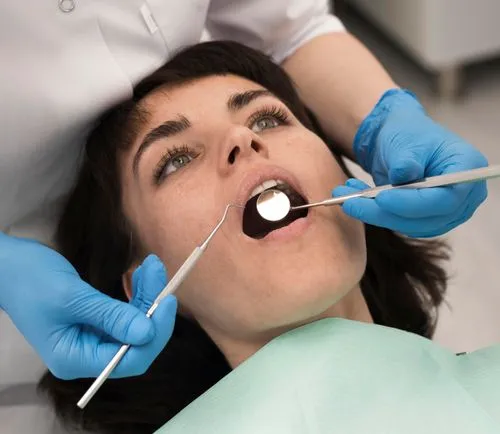
The dentist may inspect the tooth, gums, and nearby areas for signs of swelling, redness, drainage, or other changes. The tooth may also be gently tapped or tested for pressure sensitivity. According to the Mayo Clinic's guidance on tooth abscess diagnosis and treatment, a tooth with an abscess at its root is generally sensitive to touch or pressure.
Dental X-rays can help identify an abscess and show whether an infection may have extended into other areas. In more complex situations, additional imaging may be considered to assess the extent of infection. The examination is not simply about labeling the pain. It helps connect the symptoms, clinical findings, and images so the dentist can discuss safe options with you.
Which treatments might be considered?
Treatment depends on the source and extent of the problem, the condition of the tooth, and your overall health. The broad goal is to eliminate the infection. When appropriate, a dentist may drain an abscess to relieve the collection of infected material. Root canal treatment may be considered when the tooth can be treated and preserved. It removes infected tissue inside the tooth and can help save it, but it is not the right choice for every case.
If a tooth cannot be saved, extraction may be recommended, with drainage as clinically appropriate. These are general treatment pathways, not a prediction of what any one person will need. A dentist should explain the findings, alternatives, expected follow-up, and any questions you have before treatment begins. For more context, see these signs that may need root canal treatment or request a root canal evaluation for tooth pain.
Do not delay an evaluation because pain briefly improves after fluid drains or symptoms change. A professional assessment is still important when an abscess is suspected. For a broader overview of treatment options, review the tooth abscess treatment guide while keeping this article's focus on distinguishing possible infection from other causes of tooth pain.
Request an evaluation before the pain worsens
Frequently Asked Questions
How can you tell the difference between a tooth abscess and other causes of toothache?
A toothache describes pain in or around a tooth, while an abscess is a pocket of pus caused by infection. Severe or throbbing pain with swelling, fever, a bad taste, or pain when biting can raise concern for an abscess, but symptoms alone cannot confirm the cause. A dental examination is needed.
What symptoms may suggest a tooth abscess?
Possible signs include persistent or intense pain, sensitivity to hot or cold, redness, facial or jaw swelling, difficulty chewing or opening your mouth, fever, or a bad taste. These symptoms can overlap with other dental problems, so arrange prompt dental care rather than trying to diagnose the condition at home. The NHS lists these abscess symptoms and urgency guidance.
Should I see a dentist or a doctor for a suspected tooth abscess?
Contact a dentist promptly for suspected dental infection because an abscess needs dental treatment and does not go away on its own. If swelling makes it difficult to breathe, speak, or swallow, or if you have major mouth or neck swelling, seek emergency medical care immediately. Review the NHS emergency warning signs.
What can I do temporarily while waiting for dental care?
Arrange an evaluation, follow medication labels only if those medicines are safe for you, and choose soft foods if chewing is uncomfortable. Do not place aspirin directly on the gum, puncture the swelling, or squeeze it. Temporary steps may ease discomfort but cannot remove an infection.
Can an abscess stop hurting after it drains?
Yes, pain may ease if an abscess drains, but that does not mean the infection is gone. A sudden foul taste or fluid should still be reported to a dentist, who can examine the area and discuss appropriate treatment.
Ready to Request an Evaluation?
Tooth pain can have several causes, and an in-person dental evaluation can help clarify what may be happening and what care is appropriate. Smile Makers Dental Center welcomes patients seeking guidance for tooth pain or possible abscess symptoms. Request an appointment through the online booking page so the team can review your concerns and help determine the next step.