





Living with jaw pain can quietly disrupt your entire life. It can turn a simple meal with friends into a stressful event or make it hard to focus at work because of a constant, nagging headache. When your jaw clicks, pops, or locks, it’s a sign that the complex joint connecting it to your skull isn’t working correctly. The good news is you don’t have to just live with the discomfort. Understanding the root cause of your pain is the first step toward finding a solution that works. This article will explore everything from gentle at-home care to professional tmj disorder treatment, giving you a clear path to lasting relief.
Key Takeaways
- Start with conservative care: Most TMJ pain responds well to non-invasive treatments like custom mouth guards, physical therapy, and simple lifestyle changes, making surgery a true last resort for specific structural problems.
- Understand your personal triggers: Jaw pain is rarely caused by a single issue; paying attention to what causes your flare-ups, whether it's stress, certain foods, or teeth grinding, is key to finding a management strategy that works for you.
- Partner with a specialist for diagnosis: Getting an accurate diagnosis is the most important first step, as a specialist can rule out other conditions and create a personalized treatment plan based on the true cause of your discomfort.
What Is TMJ Disorder?
If you’ve ever felt a pop, click, or ache in your jaw, you might be familiar with the temporomandibular joint, or TMJ. This is the hinge that connects your jaw to your skull, and it’s responsible for all the movements you need to talk, chew, and yawn. When this joint and the muscles around it aren’t working correctly, it can lead to a group of conditions known as temporomandibular disorders (TMD). Think of it less as a single problem and more as a category of issues that cause pain and dysfunction in your jaw.
These disorders can stem from a variety of causes, from an injury or arthritis to habitual teeth grinding. The pain can range from a minor annoyance to a persistent, disruptive problem that affects your daily comfort. Because the symptoms can sometimes mimic other conditions like toothaches or sinus problems, getting a proper diagnosis is the first step toward finding relief. At Smile Makers Dental Center, we specialize in identifying the root cause of your discomfort and creating a personalized plan to manage your TMJ and sleep apnea concerns. Understanding what’s happening with your jaw is key to getting back to a life free from pain.
Key Signs and Symptoms
Recognizing the signs of TMJ disorder is the first step toward getting help. While symptoms vary from person to person, there are several common red flags to watch for. You might notice a persistent, dull ache in your face or a sharp pain centered around your jaw joint. Many people experience frequent headaches or even migraines. Other tell-tale symptoms of TMD include:
- Clicking, popping, or grinding sounds when you open or close your mouth
- A stiff or locked jaw that makes it hard to move
- Difficulty or pain while chewing
- Earaches, ringing in the ears, or a feeling of fullness
- Pain that radiates to your neck and shoulders
If any of these sound familiar, it’s a good idea to pay attention to when they happen and what might be triggering them.
How TMJ Can Affect Your Daily Life
Living with TMJ disorder is more than just dealing with a sore jaw. The chronic pain and discomfort can have a real impact on your quality of life. Constant headaches can make it difficult to focus at work or enjoy your free time. Jaw pain might force you to give up your favorite crunchy or chewy foods, turning meals into a source of stress instead of enjoyment. You might even find yourself avoiding social situations because talking for long periods is uncomfortable.
Ignoring these symptoms can lead to more significant problems down the road, including long-term jaw issues and damage to your teeth from grinding. Don't let jaw pain dictate your life. If you're struggling with these challenges, it's time to book an appointment and explore your treatment options.
What Causes TMJ Disorder?
TMJ disorder, or TMD, rarely has one single cause. It's more like a puzzle with several pieces that fit together to create the pain and discomfort you feel. Understanding these potential triggers is a crucial first step because it helps you and your dental specialist pinpoint the root of the problem and create a treatment plan that actually works for you. The cause can be something sudden, like an injury, or something that develops slowly over time, like the habit of grinding your teeth.
Sometimes, the issue lies within the joint itself, with conditions like arthritis causing inflammation and damage. Other times, the problem is related to how your teeth fit together or how you carry stress in your body. Often, it’s a combination of these factors. For example, a misaligned bite might not cause issues on its own, but add in the stress of a busy work week, and you might find yourself clenching your jaw and waking up with pain. It's this interplay between physical structure, habits, and even emotional well-being that makes diagnosing TMD complex. By exploring these common causes, you can get a clearer picture of what might be contributing to your symptoms and start the conversation with a professional about finding lasting relief.
Jaw Injuries and Trauma
A sudden impact to your face or jaw is one of the more direct causes of TMJ disorder. Think about a sports injury, a car accident, or even a fall where you hit your chin. This kind of trauma can dislocate the jaw, damage the cartilage disc that cushions the joint, or cause inflammation in the surrounding muscles and ligaments. Even a procedure like having a breathing tube placed for surgery can sometimes stretch the jaw and lead to TMJ issues. If you’ve had a past injury, even one that seemed minor at the time, it could be a contributing factor to the jaw pain you’re experiencing now. Our team can help diagnose issues related to oral surgery and trauma.
The Impact of Teeth Grinding
Do you ever wake up with a sore jaw or a dull headache? You might be grinding or clenching your teeth at night, a condition known as bruxism. This habit puts an incredible amount of force on your temporomandibular joints, far more than you use for normal chewing. Over time, this constant pressure can wear down the cartilage in the joint, strain your jaw muscles, and lead to inflammation and pain. Many people don’t even realize they’re doing it because it happens while they sleep. If you suspect you’re a grinder, discussing TMJ and sleep apnea solutions with your dentist is a great first step toward protecting your jaw.
Arthritis and Joint Issues
Just like the joints in your knees or hands, your jaw joint can be affected by arthritis. Osteoarthritis, which is caused by wear and tear over time, can break down the cartilage in the TMJ, leading to bone-on-bone friction, pain, and stiffness. Other types, like rheumatoid arthritis, are autoimmune diseases that cause the body to attack its own joints, resulting in inflammation and damage. According to the Arthritis Foundation, this can make simple actions like chewing or yawning incredibly painful. If you have arthritis elsewhere in your body and are experiencing jaw pain, it’s worth exploring if the two are connected.
Bite Misalignment and Stress
The way your teeth fit together plays a big role in your jaw health. If you have a misaligned bite, also known as malocclusion, your jaw muscles have to work overtime to bring your teeth together properly for chewing. This constant strain can lead to muscle fatigue and pain in the TMJ. Now, add stress to the equation. When you’re stressed, you’re more likely to tense your facial muscles and clench your jaw, which puts even more pressure on an already overworked system. This combination of a bad bite and chronic stress is a very common recipe for TMJ disorder. Correcting the alignment with treatments like orthodontics can often provide significant relief.
How to Relieve TMJ Pain at Home
When you’re dealing with jaw pain, clicking, and headaches from TMJ disorder, finding immediate relief is a top priority. While professional treatment is key to addressing the root cause of your discomfort, there are several effective strategies you can use at home to manage your symptoms. These simple, gentle approaches can make a significant difference in your daily comfort level and can be used alongside a treatment plan from your specialist.
Think of these at-home remedies as your first line of defense against TMJ flare-ups. They focus on reducing inflammation, easing muscle tension, and giving your jaw a much-needed break. By incorporating these habits into your routine, you can take an active role in managing your pain and preventing it from getting worse. If your symptoms persist or are severe, it's always best to book an appointment with a dental professional who can provide a proper diagnosis and guide you toward a long-term solution.
Applying Heat and Cold Therapy
One of the simplest yet most effective ways to soothe a sore jaw is with temperature therapy. The key is knowing whether to reach for a cold pack or a warm compress. For new, sharp pain and inflammation, cold is your best friend. Wrap an ice pack or a bag of frozen peas in a thin towel and apply it to the painful area for 15-20 minutes. This helps numb the area and reduce swelling. For a persistent, dull ache or muscle tightness, warm, moist heat works wonders. A warm, damp washcloth can help relax your jaw muscles and increase blood flow. You can alternate between these methods throughout the day for comprehensive relief.
Gentle Jaw Exercises and Stretches
While it might seem counterintuitive to move a painful joint, gentle exercises can help increase your jaw’s mobility and ease muscle tension. The goal here is slow, controlled movement, not pushing through the pain. Start by slowly opening your mouth as wide as you comfortably can and holding for a few seconds before slowly closing it. You can also try gently moving your jaw from side to side. A physical therapist or a TMJ specialist can show you specific stretches that are safe and effective for your condition. Learning the proper technique is important to avoid causing more strain on the joint.
Eating a TMJ-Friendly Diet
What you eat can have a big impact on your jaw pain. Chewy, crunchy, or hard foods force your jaw to work overtime, which can easily trigger a flare-up. To give your jaw a rest, try sticking to a soft-food diet for a while. Think smoothies, yogurt, soups, scrambled eggs, and mashed potatoes. When you do eat firmer foods, be sure to cut them into small, bite-sized pieces. It’s also a good idea to avoid chewing gum and sticky candies, as they can put unnecessary stress on your jaw joints. Making these small dietary changes can provide significant relief by simply minimizing daily strain.
Simple Stress Management Techniques
Stress is a major contributor to TMJ pain, often because we unconsciously clench our jaw or grind our teeth when we're tense. Finding ways to manage your stress can directly translate to less jaw pain. You don’t need a complicated routine; simple practices can make a world of difference. Try incorporating a few minutes of deep breathing exercises into your day. Inhale slowly through your nose, hold for a few seconds, and exhale slowly through your mouth. According to the Cleveland Clinic, techniques like meditation or gentle yoga can also be incredibly beneficial for relaxing both your mind and your jaw muscles.
Your Guide to Non-Surgical TMJ Treatments
If you’re dealing with jaw pain, the good news is that many people find relief without ever needing surgery. The goal of non-surgical treatment is to ease your symptoms, reduce strain on the jaw joint, and restore comfortable function. Think of these methods as the first line of defense. They are often highly effective and can be combined to create a personalized plan that works for you.
Your journey to relief usually starts with conservative approaches. These can range from simple lifestyle adjustments and at-home care to treatments provided by a dental specialist. A specialist can help you identify the root cause of your TMJ disorder and recommend the most appropriate path forward. At Smile Makers Dental Center, our team explores all non-invasive options first, focusing on treatments that are both gentle and effective. We’ll work with you to find a solution that fits your life and brings you lasting comfort. Exploring these treatments is a great first step toward getting back to your daily routine without the distraction of jaw pain.
Custom Mouth Guards and Splints
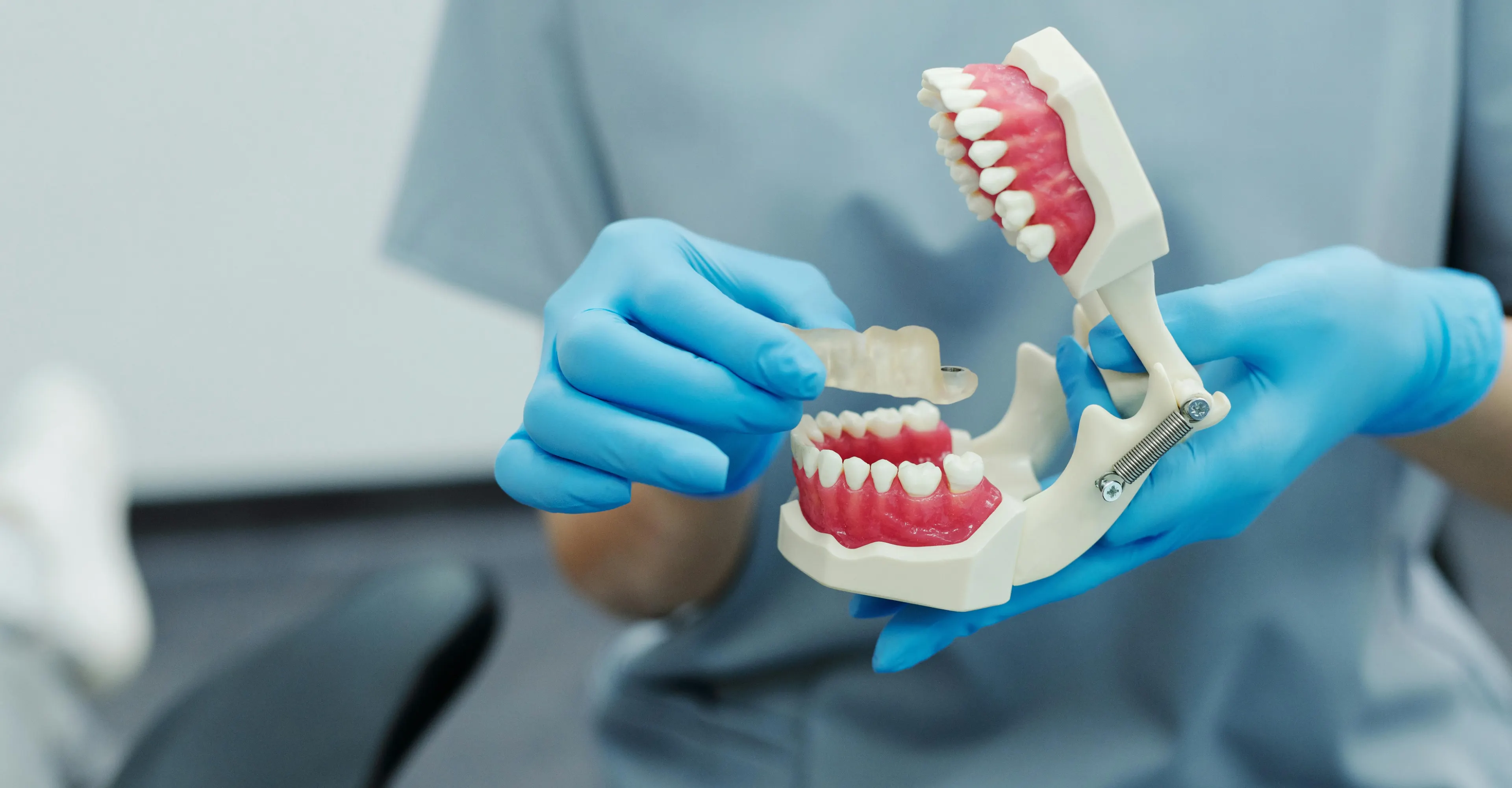
One of the most common and effective treatments for TMJ pain is a custom-fit oral appliance, like a mouth guard or splint. If you grind or clench your teeth (a condition called bruxism), especially at night, these devices can make a world of difference. They create a protective barrier between your upper and lower teeth, which helps reduce the pressure on your jaw joint and allows the surrounding muscles to relax. Unlike over-the-counter guards, a custom appliance made by your dentist is designed to fit your mouth perfectly, ensuring maximum comfort and effectiveness. This personalized fit is key to stabilizing your jaw and alleviating your symptoms.
The Role of Physical Therapy
Physical therapy isn’t just for sports injuries; it plays a vital role in managing TMJ disorders, too. A physical therapist can guide you through specific exercises designed to stretch and strengthen your jaw muscles, improving their flexibility and range of motion. They may also use manual therapy techniques to gently manipulate the jaw and reduce muscle tightness. In some cases, treatments like ultrasound can be used to apply deep heat to the area, which helps relieve soreness and improve mobility. Working with a physical therapist can be an excellent way to restore normal jaw function and find lasting pain relief.
Medication Options for Pain Relief
When TMJ pain flares up, medication can provide much-needed short-term relief. For many people, over-the-counter nonsteroidal anti-inflammatory drugs (NSAIDs) like ibuprofen or naproxen are enough to reduce both pain and swelling. These medications are a great starting point for managing mild to moderate symptoms. If your pain is more severe or accompanied by intense muscle spasms, your doctor or dentist might recommend a prescription-strength pain reliever or a muscle relaxant. As with any medication, it’s important to discuss your options with a healthcare professional to ensure you’re taking the right approach for your specific needs.
Botox and Trigger Point Injections
For persistent TMJ pain that doesn’t respond to other treatments, injections can be a highly effective option. Botox, for example, can be injected into the jaw muscles to help them relax, easing the tension and spasms that contribute to pain. It’s a targeted treatment that can provide relief for several months at a time. Another option is trigger point injections, where a pain-relieving medication is injected directly into tender muscle knots, or "trigger points." This can help break the cycle of pain and muscle tightness. These treatments are typically considered when other conservative methods haven't provided enough relief.
Is TMJ Surgery the Right Option for You?
Deciding on surgery for TMJ disorder is a big step, and it’s typically considered only after other treatments haven’t provided relief. For many people, symptoms improve with conservative approaches like custom mouth guards or physical therapy. Surgery is usually reserved for cases where there’s a clear structural problem within the jaw joint that can’t be fixed with less invasive methods. If you’ve tried these options and are still struggling with chronic pain or limited jaw function, it might be time to discuss surgical possibilities with a specialist.
Signs Conservative Treatments Aren't Working
You’ve been diligent with your jaw exercises and you wear your splint, but the pain and stiffness just won’t go away. This is a key sign that it might be time to explore other options. If your jaw continues to lock, click painfully, or if you have persistent headaches that interfere with your daily life, conservative treatments may not be enough. A thorough assessment from one of our TMJ specialists can help determine if a structural issue is the root cause and if surgery is the logical next step.
An Overview of Surgical Procedures
If surgery is the best path forward, there are several procedures, ranging from minimally invasive to more complex. The right one depends on your specific condition.
- Arthrocentesis: A simple procedure where small needles flush fluid through the joint to remove inflammatory debris.
- Injections: Corticosteroid or Botox injections can be administered into the jaw to relieve pain and inflammation.
- TMJ Arthroscopy: A surgeon uses a tiny camera and small instruments to operate inside the joint, which means fewer risks and a shorter recovery.
- Open-Joint Surgery: This is a last resort for severe cases with significant structural damage, involving a longer incision to directly repair or replace the joint.
Understanding the Risks and Recovery Process
Every surgical procedure comes with potential risks and a recovery period. Before moving forward, it’s essential to have an open conversation with your oral surgeon about what to expect. They will explain the specific benefits and risks, from infection to the potential for continued symptoms. Recovery time can vary from a few days to several weeks depending on the surgery. We encourage you to ask questions and feel completely comfortable with the plan. Our team is here to provide all the information you need to make a confident decision. You can book an appointment to discuss your options.
Questions to Ask Your TMJ Specialist
Walking into your appointment with a list of questions is one of the best things you can do for yourself. It helps you understand your condition better and allows you to partner with your dentist to find the right solution. A productive conversation ensures you’re comfortable with the path forward. To get the most out of your consultation, consider asking about your specific diagnosis, the underlying causes, and what you can expect from treatment.
Our team of TMJ specialists is here to listen to your concerns and create a personalized plan that fits your needs. Being prepared with questions helps us give you the best possible care.
Your Treatment Options and Timeline
Every person’s experience with TMJ disorder is unique, so your treatment plan should be too. Ask your specialist to walk you through the different options available for your specific symptoms. Most treatment plans involve a combination of approaches, including self-care at home, custom-fit oral appliances, and professional therapies.
Find out what a typical timeline looks like. While some people find relief quickly, others may need a longer-term strategy. Ask what you can expect in the first few weeks and what follow-up appointments will be necessary. Understanding the process from the start helps set clear expectations and keeps you focused on your recovery.
The Risks and Benefits of Each Approach
Before starting any treatment, it’s important to understand the potential risks and benefits. Ask your specialist to explain the pros and cons of each recommended therapy. For most people, conservative and reversible treatments are the best place to start. Experts generally advise against procedures that permanently change your jaw or bite, as they may not be effective and could worsen symptoms.
Be sure to ask when more invasive options, like surgery, might be considered. Typically, surgical procedures are reserved for cases where other treatments haven’t provided relief. A clear understanding of each approach will help you make an informed decision about your care.
Expected Outcomes and Success Rates
Discussing your goals with your specialist is key. Ask what a successful outcome looks like and what kind of improvement you can realistically expect. For many people, the goal is to find significant relief and restore normal jaw function. It’s also helpful to know that many TMJ symptoms can improve over time, sometimes even without extensive treatment.
Ask about the success rates for the treatments you’re considering and what factors might influence your results. This conversation will help you and your specialist define clear goals for your treatment plan. If you're ready to discuss your options, you can book an appointment with one of our specialists today.
Common Myths About TMJ Treatment
When you’re dealing with jaw pain, it’s easy to get lost in a sea of conflicting information online. Misconceptions about TMJ disorder can make finding the right path to relief feel overwhelming. Many people worry that their only option is invasive surgery or that they’ll be stuck in treatment forever. The good news is that most of these fears are based on myths, not facts. Understanding the truth about TMJ treatment can help you feel more in control and confident as you take the next steps.
Let's clear up some of the most common misunderstandings. We’ll look at the real role of surgery, what to expect from a typical treatment timeline, and how effective common solutions like mouth guards actually are. Our goal is to give you clear, straightforward information so you can work with a specialist to find a solution that fits your specific needs. With the right knowledge, you can focus on what truly matters: feeling better.
The Truth About TMJ Surgery
One of the biggest fears people have about TMJ disorder is that they will need surgery. The reality is that surgery is rarely the first step. In fact, dental experts strongly recommend starting with conservative, reversible treatments. Most cases of TMJ pain can be managed effectively with non-invasive approaches like physical therapy, lifestyle adjustments, or custom oral appliances.
Surgery is typically considered a last resort, reserved for severe cases where other treatments haven't provided relief. Experts often advise against procedures that permanently alter your teeth or jaw, as they can sometimes make the problem worse. If you're exploring your options, our team can explain the full range of TMJ/TMD solutions available, starting with the gentlest and most effective methods first.
How Long Does Treatment Really Take?
It’s natural to wonder how long you’ll be dealing with TMJ pain. There’s no single answer, because every case is different. For some people, TMJ discomfort is a temporary issue that lasts for a few weeks and may even get better on its own with simple at-home care. For others, it can become a chronic condition that requires more consistent, long-term management.
The key is to get an accurate diagnosis to understand the root cause of your symptoms. This allows your dental specialist to create a personalized treatment plan. Whether your condition is short-term or requires ongoing care, the goal is always to manage your pain, restore jaw function, and improve your quality of life.
The Effectiveness of Mouth Guards
Mouth guards, also known as splints or intraoral appliances, are a very common treatment for TMJ disorder. You might assume they are a guaranteed fix, but their effectiveness can vary. While many people find significant relief from wearing a custom-fit device, especially if they grind their teeth, experts are still studying exactly why they work. For some, a mouth guard helps by easing pressure on the jaw joint or preventing clenching.
However, it's important to know that there isn't conclusive evidence that they improve pain for everyone. A professionally made appliance from a dentist is always a better choice than an over-the-counter one, as it’s designed to fit your unique bite. You can discuss whether this is the right part of your overall dental services plan with your specialist.
How to Choose the Right TMJ Treatment Plan
Finding the right treatment for TMJ disorder isn't a quick fix. It’s a process of working with a dental professional to find a solution for your specific symptoms and their root cause. A personalized plan is key, as what works for one person might not work for another. The goal is to find a path that relieves your discomfort and restores jaw function. This journey starts with a clear understanding of your condition and a partnership with a specialist who can guide you through your options.
Getting an Accurate Diagnosis
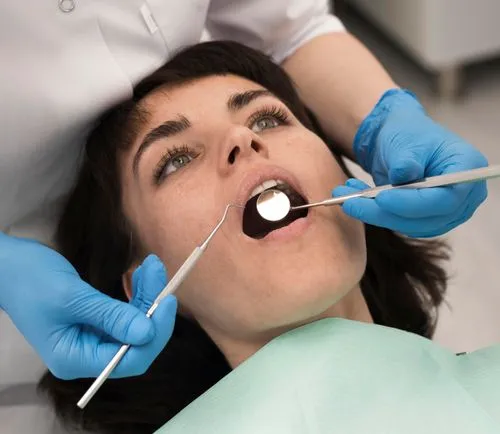
Before treating TMJ pain, you need an accurate diagnosis. During an exam, your dentist will listen for clicking sounds and feel the areas around your jaw to identify tenderness. They will also observe its range of motion. Sometimes, imaging like an X-ray, CT scan, or MRI is needed for a clearer picture of the joint, bones, and soft tissue. This thorough evaluation helps rule out other conditions and ensures your TMJ treatment plan is built on a solid foundation.
Why You Should Work with a Specialist
Working with a professional is essential for TMJ disorders. A dentist experienced in TMJ can provide an accurate diagnosis and guide you toward effective treatments. They understand the jaw's complex mechanics and can distinguish TMJ symptoms from other issues causing similar pain. A specialist will help you explore all your options, starting with conservative therapies first. Consulting with our team of dental specialists ensures you receive a care plan tailored to your needs, helping you find relief faster.
What to Expect from Your Treatment
Your TMJ treatment will likely involve a combination of strategies. For many, symptoms improve with self-care, physical therapy, and custom oral appliances. Sometimes, symptoms even resolve on their own. If your pain persists, your dentist will create a structured plan, starting with the least invasive options. If those don't provide enough relief, you might explore other therapies. Patience and open communication are key. Finding the right combination takes time, but a methodical approach offers the best chance for success. You can book an appointment with us to start the conversation.
Manage TMJ with Long-Term Lifestyle Changes
While professional treatments are key, the small choices you make every day can make a huge difference in managing TMJ pain. Think of it as building a foundation of healthy habits that support your jaw and reduce flare-ups. By making a few thoughtful adjustments to your daily routine, you can gain more control over your symptoms and find lasting relief. These long-term changes work alongside professional care to help you feel your best.
Daily Habits to Protect Your Jaw
Protecting your jaw from unnecessary strain is one of the most effective ways to manage TMJ disorders. Start by being mindful of how you use your jaw muscles. Opt for softer foods and always cut your meals into small, manageable pieces. It’s also a good idea to steer clear of chewing gum and sticky, chewy candies that force your jaw to work overtime. Good posture also plays a surprising role; sitting and standing tall helps align your spine and reduces tension in your neck and jaw. These simple habits can significantly decrease daily discomfort and prevent symptoms from worsening.
The Best and Worst Foods for TMJ
What you eat can either soothe or aggravate your TMJ symptoms. To keep your jaw happy, focus on a diet of soft foods that require minimal chewing. Think smoothies, yogurt, soups, scrambled eggs, and mashed potatoes. These foods provide the nutrients you need without putting stress on your temporomandibular joint. On the flip side, try to avoid hard, crunchy, or chewy items. Things like tough cuts of meat, hard nuts, popcorn, and bagels can trigger pain and inflammation. Making these simple dietary swaps is a powerful step in your overall TMJ management plan.
Improve Your Sleep and Reduce Stress
Stress is a major trigger for TMJ flare-ups, often leading to unconscious jaw clenching and teeth grinding, especially at night. Finding ways to unwind is essential. Try incorporating relaxation techniques like deep breathing, meditation, or gentle yoga into your day. Creating a calming bedtime routine can also improve your sleep quality and give your jaw a chance to rest and recover. If you find that stress and pain are persistent, learning specific gentle stretching exercises from a physical therapist can also provide significant relief for tight jaw muscles.
Related Articles
- TMJ & Sleep Apnea Virginia - Smile Makers Dental Center
- Bruxism Treatment – Stop Teeth Grinding with Night Guards
- Jaw Surgery - Corrective Orthognathic Procedures Explained
Frequently Asked Questions
Is a clicking or popping jaw always a sign of TMJ disorder? Not necessarily. Many people have jaw joints that make sounds without experiencing any pain or limited movement. A simple click on its own isn't always a cause for concern. However, if that sound is accompanied by pain, stiffness, frequent headaches, or your jaw getting stuck, it’s a strong signal that you should have it evaluated. Think of pain as the key indicator that a harmless noise might be part of a larger issue.
Can TMJ pain go away by itself? Sometimes, mild TMJ discomfort can resolve on its own, especially if it was caused by a temporary situation like a stressful week or a minor strain. You might find relief by simply resting your jaw and using at-home care. But if the pain is persistent, severe, or gets in the way of eating and talking, it's unlikely to disappear without addressing the root cause. Seeking a professional diagnosis is the best way to prevent a temporary problem from becoming a chronic one.
How do I know if my headaches are related to TMJ? This is a great question, as the connection isn't always obvious. Headaches caused by TMJ disorder often feel like a dull, steady ache around your temples, behind your eyes, or even in your neck and shoulders. You might notice the pain gets worse when you chew, talk, or clench your teeth. If you frequently wake up with a headache and also have a sore jaw or tired facial muscles, there's a very good chance the two are connected.
Is a mouth guard from the drugstore as good as a custom one from a dentist? While an over-the-counter guard might seem like a convenient fix, it really can't compare to a custom-fit appliance from your dentist. Store-bought guards use a one-size-fits-all approach, which can result in a poor fit that might not help or could even make your symptoms worse. A custom guard is made from a precise mold of your teeth, ensuring it positions your jaw correctly to relieve pressure and allow your muscles to relax. It's a therapeutic device designed specifically for your mouth.
What is the first step I should take if I suspect I have TMJ disorder? The best first step is to schedule a consultation with a dental professional who has experience with TMJ disorders. Before your appointment, it can be helpful to keep a simple log of your symptoms, noting when the pain occurs and what activities seem to trigger it. This information will be incredibly useful for your dentist. An accurate diagnosis is the foundation for any effective treatment plan, so getting a professional opinion is the most important move you can make.