




The health of your mouth is deeply connected to the health of your entire body. The same bacteria that cause inflammation in your gums can enter your bloodstream, contributing to other health issues like heart disease and diabetes. This powerful link is why taking care of your gums is about so much more than just preventing tooth loss. It all starts with recognizing the early warnings. This article is your comprehensive guide to understanding what your gums are trying to tell you. We’ll cover all the signs of periodontal disease, explain the risk factors, and show you why addressing them is a critical step in protecting your overall well-being.
Key Takeaways
- Don't ignore subtle symptoms: Gum disease often starts quietly with reversible signs like bleeding or swollen gums. Catching it early is the best way to prevent permanent damage to your teeth and jawbone.
- Protect more than just your mouth: The bacteria from gum infections can travel through your bloodstream and are linked to serious conditions like heart disease and diabetes, making a healthy mouth essential for your overall well-being.
- Combine daily habits with professional care: Your best defense is a consistent routine of brushing and flossing. Partnering with your dentist for regular cleanings removes stubborn tartar and helps you stay ahead of any potential issues.
What Is Gum Disease and How Does It Start?
Gum disease, also known as periodontal disease, is essentially an infection that affects the tissues holding your teeth in place. It doesn't happen overnight. Instead, it develops in stages, starting with mild inflammation and potentially leading to serious damage to your gums and jawbone if it isn't addressed. Understanding how it begins is the first step toward preventing it. The good news is that in its earliest form, gum disease is completely reversible with the right care. Let’s walk through how healthy gums can become unhealthy and what each stage looks like.
Stage 1: Gingivitis
Gingivitis is the earliest and mildest stage of gum disease. Think of it as a warning sign from your body. It’s caused by plaque buildup along the gumline, which irritates the surrounding tissue. You might notice that your gums are red, a little puffy, or that they bleed when you brush or floss. At this point, the infection hasn't reached the bone, so no irreversible damage has been done. With consistent daily brushing, flossing, and regular professional cleanings, gingivitis can often be completely reversed, bringing your gums back to a healthy state.
Stage 2: Periodontitis
If gingivitis is left untreated, it can advance to periodontitis. This is a more serious stage where the infection has spread below the gumline and started to affect the bone and tissues that support your teeth. Your body’s immune system fights the bacteria as the plaque spreads, and this battle can cause the gums to pull away from the teeth, creating pockets between the gums and teeth. These pockets trap even more bacteria, leading to further damage, potential bone loss, and loose teeth. Unlike gingivitis, the damage from periodontitis requires professional treatment to manage.
How Healthy Gums Become Diseased
Healthy gums are firm, pale pink, and fit snugly around your teeth. The trouble starts with plaque, a sticky, colorless film of bacteria that constantly forms on your teeth. If you don't remove this plaque with daily brushing and flossing, it hardens into tartar. Tartar can't be removed with a regular toothbrush and provides a rough surface for even more plaque to grow. This buildup irritates the gums, kicking off the inflammatory response that leads to gingivitis. Factors like smoking, genetics, and certain health conditions can increase your risk, but it all comes back to controlling plaque. This is why our team at Smile Makers focuses on both professional dental services and patient education.
Spotting the Early Signs of Gum Disease
Catching gum disease in its early stages is the best way to reverse its effects and protect your smile for the long run. The first signs can be subtle and easy to dismiss, but your body is often sending clear signals that something is amiss. Healthy gums are the foundation of a healthy mouth, acting as a tight seal around your teeth to protect the underlying bone. They should be firm, pale pink, and shouldn't hurt or bleed when you brush.
When plaque, a sticky film of bacteria, builds up along the gumline, it can trigger an inflammatory response. This initial stage, called gingivitis, is completely reversible with professional cleaning and good home care. However, if left untreated, it can progress into a more serious condition called periodontitis, which can lead to tooth loss. That’s why paying close attention to your gums during your daily brushing and flossing routine is so important. It can help you spot trouble before it becomes a more serious problem. Think of it as a quick, daily wellness check for your mouth. The following signs are your cue to schedule a visit with us to get things checked out.
Gums That Bleed When You Brush or Floss
Seeing a little pink in the sink when you spit out your toothpaste might not seem like a big deal, but it’s one of the most common early signs of gum disease. Healthy gums are resilient and shouldn't bleed from the gentle pressure of brushing or flossing. This bleeding is often a sign of gingivitis, the earliest stage of periodontal disease, which is caused by plaque buildup along the gumline. While it might be tempting to brush more gently or avoid the area altogether, that can actually make the problem worse. Ignoring it allows the bacteria to continue to thrive and the inflammation to progress.
Red, Swollen, or Tender Gums
Take a moment to look at your gums in the mirror. Healthy gums are typically firm to the touch and a light, pale pink. If you see areas that are bright red, puffy, or swollen, it’s a clear indicator of inflammation. This swelling is your body's response to the bacteria that have accumulated on your teeth and gums, a key symptom of periodontitis. You might also notice that your gums feel tender or sore when you touch them or when you eat. These are all signals that your gums are irritated and need attention from a dental professional to get back to a healthy state.
Bad Breath That Won't Go Away
We all have bad breath from time to time, especially after a garlicky meal. But if you find yourself dealing with a persistent bad taste or odor that doesn’t go away after brushing, flossing, and using mouthwash, it could be a sign of something more. This condition, known as halitosis, can be caused by the same bacteria that contribute to gum disease. These bacteria release sulfur compounds and other toxins that can irritate the gums and create an unpleasant, lasting odor. If you feel like you’re constantly reaching for mints to cover up your breath, it may be time to find out if there's an underlying gum issue.
Sensitive Gums or Discomfort
Pain isn’t always a major symptom of early gum disease, which is why many people don't realize there's a problem until it's more advanced. However, general discomfort or sensitivity can be an early clue. You might notice that your gums feel tender when you touch them or that you experience a dull, persistent ache when you’re chewing certain foods. This sensitivity is another sign of inflammation in the gum tissue. Any new or lasting discomfort in your mouth is worth mentioning to your dentist. Addressing it early can prevent the infection from progressing and causing more significant pain or damage down the road.
Recognizing the Advanced Symptoms of Gum Disease
When gingivitis is left untreated, it can advance into periodontitis, a more serious form of gum disease. At this stage, the damage extends below the gumline to the bone and connective tissues that hold your teeth in place. The symptoms become more pronounced and can lead to permanent damage if you don't seek professional care. It’s crucial to recognize these advanced signs so you can get the help you need to protect your smile. Here are four key symptoms that signal it's time to see a dentist right away.
Gums Pulling Away from Your Teeth
Have you noticed your teeth looking longer than they used to? This isn't your imagination; it's a classic sign of gum recession, where the gum tissue pulls back and exposes more of the tooth root. This not only changes the appearance of your smile but also leaves the sensitive roots vulnerable to decay and discomfort. Receding gums create pockets where harmful bacteria can build up, accelerating damage to the underlying bone. If you see your gums pulling away, it's a clear signal that the supporting structure of your teeth is in jeopardy. Our team offers specialized periodontic treatments to address this and help restore your gum health.
Loose Teeth or Changes in Spacing
As advanced gum disease attacks the bone that supports your teeth, you might start to feel that your teeth are loose or wobbly. You may notice them move slightly when you touch them or when you're eating. Another telltale sign is the development of new gaps between your teeth. This happens because the bone and ligaments that once held them firmly in place have weakened. Any change in the stability or spacing of your teeth is a serious symptom of progressive periodontal disease. It’s a sign that the foundation of your smile is compromised and requires immediate professional attention to prevent tooth loss.
Pus or Infection Along the Gumline
Seeing pus between your teeth and gums is an unmistakable sign of infection. This yellowish fluid, which may appear when you press on your gums, indicates that your body is fighting a significant bacterial infection deep within the gum pockets. You might also notice a bad taste in your mouth or persistent bad breath that doesn't go away with brushing. An infection this advanced won't clear up on its own and can lead to a painful abscess or even spread to other parts of your body. If you notice any pus along your gumline, please don't wait. It's essential to book an appointment with us as soon as possible for treatment.
A Change in Your Bite or Pain While Chewing
Does it feel different when you bite down? Has chewing your favorite foods become uncomfortable or even painful? When teeth become loose or shift due to bone loss, it can alter the way your upper and lower teeth fit together. This change in your bite can put stress on your jaw and remaining healthy teeth. Pain while chewing is another red flag, often caused by inflammation in the gums and the instability of the teeth themselves. These symptoms can significantly affect your daily life and are clear indicators that the underlying structures of your mouth are in distress. Addressing the gum disease is the first step to restoring comfort and function.
Are You at Risk for Gum Disease?
While anyone can develop gum disease, some factors can make you more likely to experience it. Understanding these risks is the first step toward protecting your oral health. From daily habits to your family tree, several elements can influence the health of your gums. Knowing where you stand helps you and your dentist create the best plan to keep your smile healthy for life.
Your Daily Oral Care Routine
The most significant factor in preventing gum disease is what you do at home every day. Poor oral hygiene allows plaque, a sticky film of bacteria, to build up on your teeth and along the gumline. If it’s not removed by regular brushing and flossing, this plaque can harden into tartar, which can only be removed by a dental professional. The bacteria in plaque and tartar produce toxins that irritate your gums, causing the initial inflammation known as gingivitis. A consistent and thorough cleaning routine is your best defense against this process.
Smoking and Tobacco Habits
Using tobacco is one of the most significant risk factors for developing gum disease. Whether you smoke cigarettes, use chewing tobacco, or vape, these habits can seriously harm your gums. According to the Mayo Clinic, using tobacco products weakens your immune system, making it harder for your body to fight off gum infections. It also reduces blood flow to the gums, which can slow down healing after damage has occurred. This means that not only are you more likely to get gum disease, but treatment may also be less successful.
Other Health Factors and Conditions
Your oral health is closely linked to your overall health. Certain medical conditions can increase your vulnerability to gum infections. Diseases that affect your immune system, like diabetes, rheumatoid arthritis, and HIV/AIDS, can make it more difficult for your body to control bacteria in your mouth. Even hormonal changes during pregnancy or menopause can make gums more sensitive and prone to inflammation. It’s important to let your dentist know about your full health history so we can provide the comprehensive and specialized care you need.
Your Family History and Genetics
Sometimes, you can do everything right with your oral hygiene and still find yourself facing gum problems. That’s because genetics can play a role in your risk for periodontal disease. If your parents or other close relatives have a history of gum disease, you may be more genetically predisposed to it. This doesn’t mean it’s inevitable, but it does mean you should be extra vigilant with your at-home care and professional cleanings. Knowing your genes might make you more susceptible allows you to take proactive steps to protect your smile.
How We Diagnose Gum Disease
If you’re worried about your gums, you might wonder what a dentist actually looks for. Diagnosing gum disease is more than a quick glance; it’s a careful, detailed process that helps us understand the complete picture of your oral health. We use specific tools and techniques to check your gums and the underlying bone that supports your teeth. This thorough approach ensures we can catch any issues early and create a treatment plan that’s tailored specifically for you.
What Happens During a Gum Health Exam
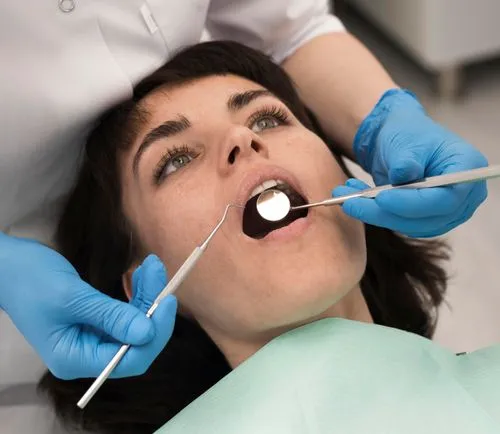
A gum health exam is a comprehensive check-up focused on your periodontal health. We start by visually inspecting your gums for redness or swelling, but the exam goes much deeper. A complete periodontal examination includes several key steps: measuring the pockets around your teeth, taking X-rays to see your jawbone, checking for tooth looseness, and assessing your gums' overall condition. This process gives us a full report on your gum health and helps us pinpoint any areas of concern. Our team is trained in a range of dental specialties to ensure an accurate diagnosis.
Measuring the Pockets Around Your Teeth
One of the most important steps is periodontal probing, the gold standard for checking the status of gum disease. We use a tiny dental tool that looks like a ruler to gently measure the depth of the space, or pocket, between your teeth and gums. In a healthy mouth, these pockets are shallow. Deeper pockets can be a sign that your gums have started to pull away from your teeth, creating a space where harmful bacteria can build up. These precise measurements tell us exactly how healthy your gums are and guide our treatment recommendations.
Using X-Rays to Check Your Jawbone
While probing tells us about your gums, we also need to see what’s happening beneath the surface. That’s where X-rays come in. Gum disease doesn’t just affect your gums; it can also damage the jawbone that holds your teeth in place. X-rays are essential for assessing the bone and allow us to see if any bone loss has occurred. This is critical information for diagnosing the stage of gum disease. Combining a clinical exam with X-rays gives us the complete picture we need to protect your teeth and jaw. If you have any concerns, it's always best to book an appointment for a full evaluation.
Why You Shouldn't Ignore Gum Disease Symptoms
It’s easy to dismiss a little bleeding when you brush as normal, or to think that sensitive gums are just a temporary annoyance. Many people do. But your gums are trying to tell you something important, and ignoring these early signs can lead to serious problems that go far beyond your mouth. Think of gum disease as a quiet but progressive issue. At first, it’s a minor inflammation, but if you don't address it, the consequences can become much more significant and harder to manage.
The infection doesn't just stay in your gums. The bacteria responsible for the problem can begin to damage the bone supporting your teeth and can even enter your bloodstream, impacting your entire body. This is why we take gum health so seriously. Understanding what’s at stake is the first step toward protecting not just your smile, but your overall well-being for years to come. It’s about recognizing that a healthy mouth is a crucial component of a healthy life. Let's look at exactly why you shouldn't put off a visit to the dentist if you notice any symptoms, no matter how small they seem.
The Risk to Your Teeth and Jawbone
When gum disease progresses to its advanced stage, called periodontitis, it becomes a serious infection. The bacteria begin to attack more than just your gum tissue. They go deeper, destroying the bone that holds your teeth firmly in place. As this supporting bone breaks down, your teeth can become loose or start to shift. If left untreated, this can ultimately lead to tooth loss. This is why early intervention is so critical. Our periodontics team specializes in treating gum disease to stop this damage and preserve the foundation of your smile.
The Connection to Your Overall Health
The impact of gum disease doesn't stop at your jawline. The bacteria causing the infection in your gums can enter your bloodstream and travel throughout your body. Research has shown a strong link between periodontal disease and other health problems. This includes respiratory issues, rheumatoid arthritis, and even complications during pregnancy, such as premature birth. Your oral health is a window into your overall health, and managing gum disease is a key part of taking care of your entire body. It’s another reason why routine dental check-ups are so important.
How Gum Disease Affects Heart Health and Diabetes
The connection between gum health and systemic conditions is especially clear when it comes to heart disease and diabetes. The chronic inflammation caused by gum disease is linked to an increased risk of heart disease and stroke. For individuals with diabetes, active gum disease can make it more difficult to control blood sugar levels, creating a challenging cycle. Because the early stages are often painless, it's important to get regular check-ups. Our comprehensive dental services include thorough gum evaluations to catch and manage these issues early.
When to See a Dentist About Your Gums
Knowing when to pick up the phone and call your dentist can feel tricky, especially when it comes to your gums. It’s easy to brush off a little bleeding or puffiness as normal, but these can be early warnings from your body. Your gums are the foundation for a healthy smile, and paying attention to them is just as important as caring for your teeth. The key is to act before a small issue becomes a serious problem.
Why You Shouldn't Wait for Pain
One of the biggest myths about gum disease is that you’ll feel pain if something is wrong. The truth is, periodontal disease can progress silently, causing damage long before you feel any discomfort. This is precisely why waiting for a toothache isn't a reliable strategy for your gum health. By the time pain appears, the condition may have already advanced significantly. Regular dental checkups are your best defense, allowing us to spot subtle signs you might miss. Catching issues early not only protects your teeth from potential loss but also helps safeguard your overall health, as untreated gum disease is linked to conditions like heart disease and diabetes.
Red Flags That Require an Urgent Visit
While some gum issues develop quietly, others send out clear distress signals. If you notice any of the following symptoms, it’s time to schedule a visit right away. These are red flags that your body needs professional attention. Don't ignore:
- Gums that are swollen, puffy, or bright red
- Gums that bleed easily when you brush or floss
- Persistent bad breath that doesn’t go away with oral care
- Pus appearing between your teeth and gums
- Teeth that feel loose or have shifted
- Receding gums that make your teeth look longer
Experiencing any of these signs means it's time to let our team take a look. You can book an appointment at any of our Northern Virginia locations to get the care you need.
Your Action Plan for Preventing Gum Disease
The good news is that gum disease is largely preventable. Taking control of your gum health doesn't require a complete life overhaul. Instead, it comes down to building consistent, healthy habits that protect your smile for the long run. Think of it as a partnership between the care you provide at home and the professional support you get from your dental team. By focusing on a few key areas, you can create a powerful defense against plaque, inflammation, and infection.
Your action plan is straightforward and focuses on three core pillars: mastering your daily oral hygiene, teaming up with your dentist for professional care, and making smart lifestyle choices that support your entire body, including your gums. Each step works together to keep your gums firm, pink, and healthy. It’s all about being proactive. A little daily effort goes a long way in preventing the discomfort and complications of gum disease down the road. Let’s walk through what you can start doing today.
Master Your At-Home Oral Care Routine
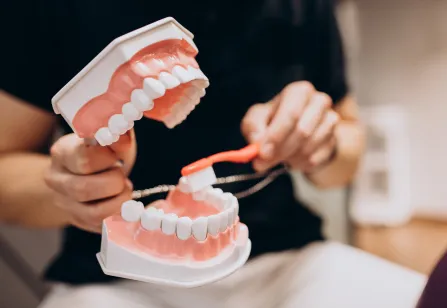
Your daily habits are your first line of defense. The goal is to consistently remove plaque before it has a chance to harden into tartar and irritate your gums. The foundation of a great routine is simple: brush your teeth for a full two minutes, at least twice a day. Make sure to get one session in before bed. Just as important is flossing at least once daily to clean the tight spaces between your teeth where your toothbrush can’t reach. This daily cleaning is essential for disrupting the bacteria that lead to gingivitis.
Partner with Your Dentist for Regular Cleanings
Even the most diligent brushing and flossing can’t remove all the plaque, which is why professional cleanings are so important. We recommend scheduling dental cleanings every six to 12 months. During these visits, our hygienists use special tools to remove hardened plaque (tartar) that you can’t get rid of at home. If you have risk factors like smoking or a tendency for dry mouth, we might suggest more frequent visits. These appointments are also our chance to catch any early signs of trouble before they become bigger problems.
Make Lifestyle Choices That Protect Your Gums
What you do every day has a direct impact on your gum health. If you use tobacco, finding a way to quit is one of the best things you can do for your gums, as smoking is a major risk factor for developing severe gum disease. Your diet also plays a key role. Eating a balanced diet full of vitamins and minerals helps your body fight off infection. Specifically, getting enough vitamin C is great for supporting the connective tissues in your gums. Small changes in your daily habits can make a huge difference.
Frequently Asked Questions
What's the real difference between gingivitis and periodontitis? Think of gingivitis as the early warning sign. It's an inflammation of your gums caused by plaque buildup, and you might notice some redness or bleeding when you brush. The great news is, at this stage, it's completely reversible with good home care and professional cleanings. Periodontitis is what happens if gingivitis is left untreated. The infection goes deeper, damaging the bone and tissues that hold your teeth in place, which requires professional treatment to manage.
Can advanced gum disease be cured? While the damage caused by advanced periodontitis, like bone loss, isn't reversible, the disease itself can be managed and its progression can be stopped. Professional treatments focus on removing the deep-seated infection and creating a healthy environment that you can maintain at home. The goal is to halt the damage and save your teeth, which is why catching it as early as possible is so important.
Is gum disease always painful? This is a common misconception. In its early stages, gum disease is often completely painless. You might see some bleeding when you brush, but you may not feel any discomfort at all. This is why it's so easy to ignore. Pain usually becomes a symptom only when the disease has progressed to a more advanced stage, which is why you shouldn't wait for it to hurt before seeing a dentist.
If I brush and floss perfectly, am I guaranteed to not get gum disease? A great at-home routine is your absolute best defense, but it's not a complete guarantee. Other factors can play a significant role, including genetics, smoking, stress, and other health conditions like diabetes. This is why regular dental checkups are so crucial. They allow us to spot issues that might arise despite your best efforts and create a care plan that accounts for your unique risk factors.
What does treatment for gum disease actually involve? Treatment depends entirely on how advanced the disease is. For early-stage gingivitis, a professional cleaning and improvements to your home care routine are often all that's needed. For more advanced periodontitis, we might recommend a deep cleaning procedure called scaling and root planing. This procedure cleans below the gumline to remove tartar and smooth out the tooth roots, helping the gums reattach.