





The words "root canal" can make anyone a little nervous. But the truth is, this routine procedure is designed to get you out of pain, not cause more of it. The real questions often come after you leave the dentist's chair: What happens next? How long will I feel sore? Understanding the typical root canal recovery time is key to feeling prepared and confident. This guide is here to walk you through everything you need to know, from managing discomfort in the first few days to the essential aftercare tips that ensure a smooth, speedy healing process. We’ll cover what’s normal, what’s not, and how to get back to your routine quickly.
Key Takeaways
- Expect a quick and manageable recovery: Mild tenderness for a few days is normal and easily handled with over-the-counter pain relief. Most people are back to their usual routine within a week.
- Simple aftercare is your key to healing: Stick to soft foods, be gentle when brushing near the treated tooth, and avoid chewing on it until you receive your permanent crown to ensure a smooth recovery.
- Listen to your body and complete the process: While some soreness is normal, severe or lasting pain is not. Call your dentist if something feels wrong, and don't skip the essential follow-up visit for your permanent crown.
What is a root canal, and why might you need one?
Let's start by clearing the air: the term "root canal" often sounds more intimidating than the procedure actually is. A root canal is a routine dental treatment designed to save a tooth by treating an infection in the pulp, which is the soft tissue deep inside your tooth. Think of it as a deep cleaning for the inside of your tooth. When the pulp becomes infected or inflamed due to deep decay, a crack, or an injury, this procedure is the best way to relieve pain and prevent the infection from spreading.
The main goal is to save your natural tooth, which is always the preferred option. Losing a tooth can lead to other issues, like shifting teeth or problems with chewing. Our team of endodontic specialists is experienced in making the process as comfortable and effective as possible. By removing the infection and sealing the tooth, we can restore its health and function, allowing you to keep your smile intact.
What happens during the procedure?
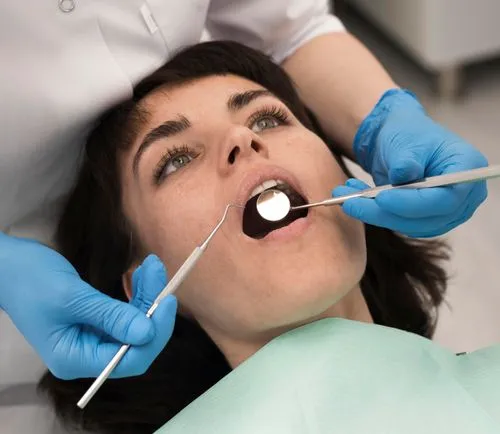
Knowing what to expect can make any dental visit feel more manageable. During a root canal, your comfort is our top priority. First, we’ll completely numb the area around the tooth so you won’t feel any pain. Your dentist will then make a tiny opening in the tooth to access the infected pulp.
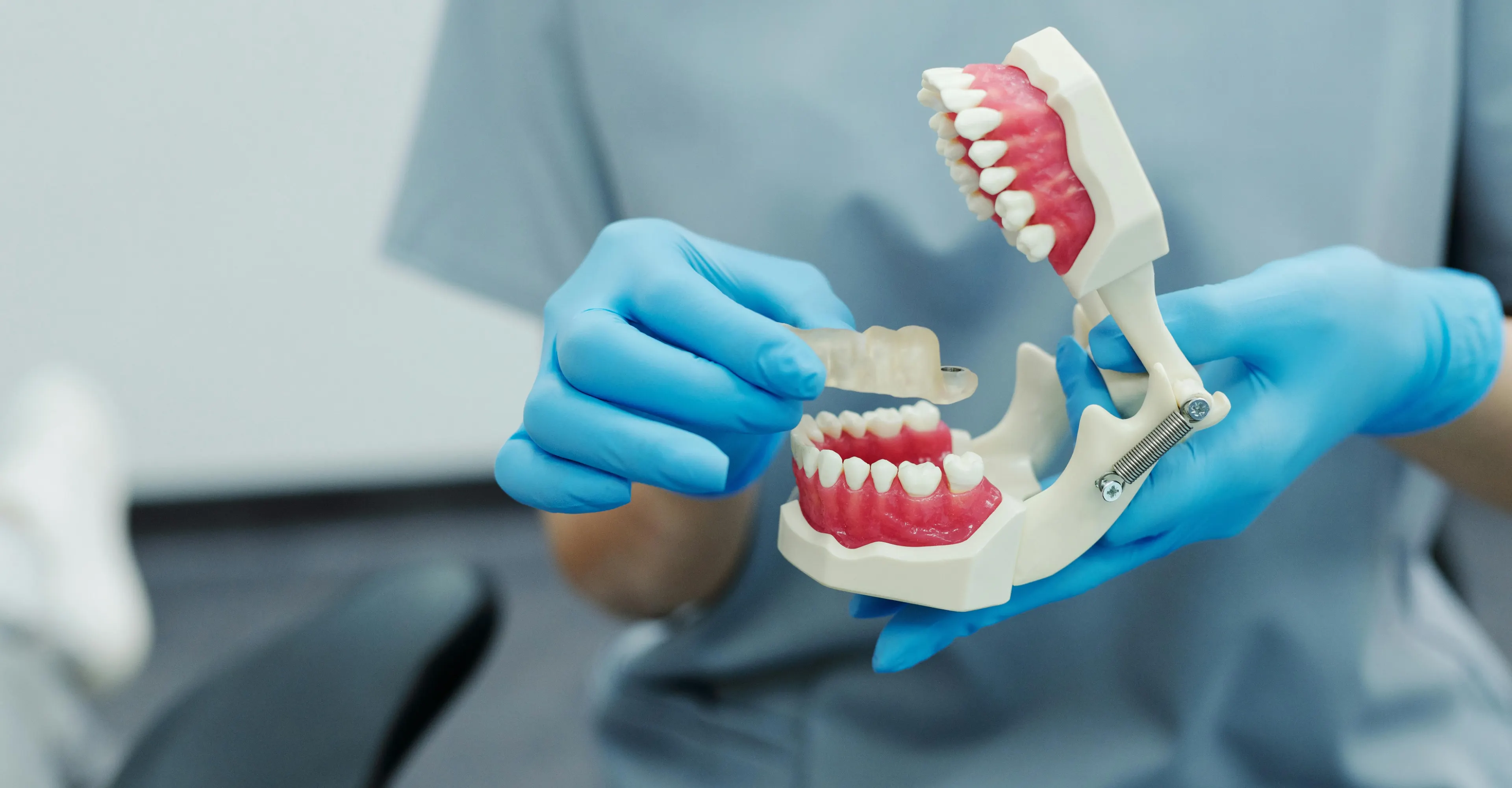
The damaged pulp is carefully removed, and the inside of the tooth is thoroughly cleaned and disinfected. Once the space is clean, it’s filled with a rubber-like material to seal it off. A temporary filling is placed to protect the tooth while it heals. Later, you’ll return for a permanent crown, which acts like a helmet to protect your restored tooth for years to come. Our comprehensive dental services ensure you get seamless care from start to finish.
Signs you might need a root canal
Your body often gives you clues when something is wrong. If you’re experiencing any of the following symptoms, it might be a sign of a tooth infection that requires attention.
Key signs include:
- Persistent pain when you chew or touch the tooth
- Lingering sensitivity to hot or cold temperatures
- A small, pimple-like bump on your gums, which may ooze pus
- Tender or swollen gums near the painful tooth
- A swollen jaw or face
- A tooth that is turning a darker color
- A loose tooth
If any of these sound familiar, it’s important not to ignore them. Pain is your body’s way of telling you to get help. The sooner you address the issue, the better the outcome for your tooth. You can book an appointment at one of our convenient locations to have it checked out.
How long does root canal recovery take?
Most people are pleasantly surprised by how quickly they feel better after a root canal. The recovery period is usually quite short, with the initial healing taking just two to three days. You can typically expect to be back to your normal routine within a week. For the first day or two, it’s common to feel some tenderness, sensitivity, or mild swelling around the treated tooth. This is a normal part of the healing process.
By the third to fifth day, you should notice a significant improvement. Every person’s healing journey is a bit different, but following your dentist's aftercare instructions is the best way to ensure a smooth and speedy recovery. At Smile Makers, our team of endodontic specialists is focused on making your procedure and recovery as comfortable as possible. We’ll give you a personalized plan to help you heal properly and get back to feeling like yourself.
Your recovery timeline: Day by day
Knowing what to expect can make the recovery process feel much more manageable. Here’s a general day-by-day guide to what you might experience after your root canal:
Day 1: The local anesthetic will leave your mouth feeling numb for several hours after the procedure. Be careful not to bite your cheek or tongue during this time. As the numbness wears off, it’s normal to feel some soreness or discomfort.
Days 1–2: You might notice the area is sore, especially when you chew. This should gradually get better with each passing day.
Days 3–5: This is when most people start to feel much better. Any initial discomfort should be fading, and you’ll likely feel more like yourself.
Next 1–2 weeks: Any minor swelling you experienced will continue to go down, and your tooth should feel completely normal again.
What affects your healing time?
Several factors can influence how quickly you recover. Mild sensitivity is common and can usually be managed with over-the-counter pain medication. Your daily habits also play a big role. For instance, it’s best to avoid smoking, as it can slow down the healing process and may lead to other dental issues.
Listening to your body is key. While some discomfort is expected, persistent pain is not. If you still have significant pain or discomfort that lasts for more than two weeks, you should call your dentist right away. This could be a sign of an infection or an issue with the procedure. Don’t hesitate to book an appointment so we can make sure everything is healing as it should.
What should you expect during recovery?
Knowing what to expect after your root canal can make the healing process feel much smoother and less stressful. Your body needs a little time to recover as the inflammation around the treated tooth subsides. The good news is that for most people, recovery is quick and straightforward. You’ll likely feel some mild tenderness, but it’s usually nothing that gets in the way of your daily life. Let’s walk through what’s normal, what’s not, and how soon you can get back to your usual routine.
Common symptoms and side effects
It's completely normal to have some mild pain and sensitivity for a few days after your procedure. Think of it like a bruise—the tissue around your tooth has been worked on and needs time to heal. You might notice the area is a bit sore, especially when you chew. This discomfort should gradually fade, and most people feel much better in less than a week. For any mild sensitivity, standard over-the-counter pain relievers are usually all you need to stay comfortable. We’ll give you specific instructions tailored to your situation before you leave our office.
Root canal recovery myths, busted
Let’s clear up a common misconception: you should not be in severe pain after a root canal. The whole point of the procedure is to relieve the intense pain caused by an infection. While mild discomfort is expected as the anesthetic wears off, it’s often compared to the feeling you might have after a routine cavity filling. If you experience pain that feels severe or gets worse instead of better after a couple of days, that’s a sign to give us a call. True post-procedure pain is rare and something your dentist will want to address right away.
Getting back to your routine
One of the best parts about modern root canals is how little downtime is required. Most people can return to work or school the very next day. If you only had a local anesthetic to numb the area, you should be perfectly fine to drive yourself home. However, if you opted for one of our sedation dentistry options to help you relax, you will need to arrange for someone to drive you home. With sedation, it’s also a good idea to plan on taking it easy for the rest of the day to give the effects time to fully wear off.
How to manage pain and discomfort
It’s completely normal to feel some tenderness and sensitivity after a root canal, but the good news is that it’s usually mild and very manageable. Your body is simply healing from the infection and the procedure itself. Think of it like a sore muscle after a new workout—a little TLC goes a long way. With a few simple steps, you can stay comfortable while your tooth settles down. If you ever feel like your discomfort is more than you expected, don't hesitate to book an appointment so we can check on your progress.
Over-the-counter pain relief
For most people, the soreness around the treated tooth lasts for about 24 to 48 hours. This discomfort can typically be handled with over-the-counter pain medications you probably already have at home, like ibuprofen or acetaminophen. These are generally sufficient to keep you comfortable during the initial recovery phase. Just be sure to follow the dosage instructions on the packaging. Taking the first dose before the local anesthetic completely wears off can help you stay ahead of any potential discomfort.
Using cold compresses to reduce swelling
If you notice any swelling in your cheek near the treated tooth, a cold compress can be a huge help. The cold temperature helps reduce inflammation and provides a soothing, numbing sensation. Simply wrap an ice pack or a bag of frozen peas in a thin towel or cloth—this protects your skin from the direct cold—and apply it to the outside of your cheek. Hold it there for about 15 to 20 minutes at a time, then take a break. You can repeat this several times throughout the day as needed.
Simple home remedies for comfort
A little rest can make a big difference in your recovery. Try to take it easy for the rest of the day after your procedure and stay hydrated by drinking plenty of water. Stick to soft foods until any numbness wears off to avoid accidentally biting your cheek or tongue. It’s also essential to maintain your oral hygiene. You can continue to brush and floss, just be extra gentle around the treated tooth. Rinsing with a warm saltwater solution can also help keep the area clean and promote healing. These small steps support your body’s natural healing process and are part of our comprehensive dental services approach to patient care.
Essential aftercare tips for a smooth recovery
Once your root canal is complete, your job is to rest up and give your mouth time to heal. A little self-care goes a long way in making your recovery as quick and comfortable as possible. Think of it as protecting the great work your dentist just did. Focusing on a few key areas—what you eat, how you keep the area clean, and which habits to put on hold—will help you get back to feeling like yourself in no time. Following these simple guidelines ensures the treated tooth heals properly before you get your permanent restoration.
What to eat (and what to avoid)
For the first few days, your mouth will be sensitive, so it’s best to stick to soft foods. Think mashed potatoes, yogurt, smoothies, applesauce, or pasta. It’s also a good idea to wait until any numbness from the anesthetic wears off completely before eating to avoid accidentally biting your cheek or tongue. Be sure to steer clear of anything too hot, crunchy, or hard, as these can irritate the area. The most important rule? Avoid chewing directly on the treated tooth until your dentist has placed the final crown or filling. This protects the temporary filling and gives the underlying tissues a chance to heal without pressure.
How to keep your mouth clean
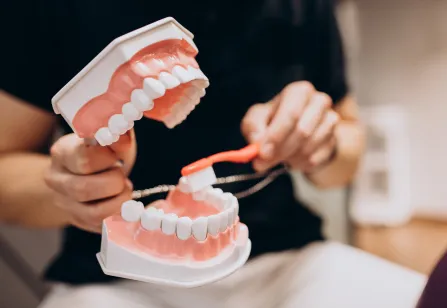
Keeping your mouth clean is crucial for preventing infection and promoting healing. You can and should continue your daily oral hygiene routine, just with a little extra care. Continue to brush and floss as you normally would, but be very gentle around the tooth that had the root canal. Using a soft-bristled toothbrush can help prevent irritation. Some dentists might recommend rinsing with a warm saltwater solution or an antibacterial mouthwash to help keep the area clean, but it’s always best to follow the specific instructions provided by your dental care team. The goal is to keep bacteria at bay without disturbing the healing tooth.
Habits to pause for better healing
To ensure a smooth recovery, you’ll need to press pause on a couple of habits. First, avoid smoking. Smoking can significantly slow down the body's natural healing process and increase your risk of complications. It’s also wise to avoid drinking alcohol for at least a few days, as it can interfere with healing and any medications you might be taking. As mentioned before, don’t chew or put pressure on the treated tooth. The temporary filling is not as durable as a permanent one, and the tooth itself needs time to settle. If you have any questions about your recovery, don't hesitate to book an appointment for a follow-up.
When should you call your dentist?
Most of the time, root canal recovery is straightforward. You’ll feel a little tender for a few days, and then you’ll start to feel like yourself again. But it’s important to pay attention to your body and know the difference between normal healing and a potential problem. Don’t ever feel like you’re being a bother by calling our office. We’re here to help, and we’d much rather you call with a question than wait while something gets worse. Trust your instincts—if something feels off, it’s always best to get it checked out.
Warning signs that need immediate attention
While some discomfort is normal, certain symptoms are red flags that require a call to your dentist right away. Be on the lookout for severe or throbbing pain, visible swelling inside or outside your mouth, or the feeling that your bite is suddenly uneven. If the symptoms you had before the root canal come back, that’s another sign that something isn’t right. Pain that lasts for more than a couple of weeks is not part of the normal healing process and could indicate an infection. If you experience any of these issues, please book an appointment so we can take a look.
Your follow-up visit and permanent crown
A root canal isn't truly complete until your tooth is fully restored. After the procedure, we often place a temporary filling to protect the tooth while it heals. You will need to schedule a follow-up visit to have a permanent crown placed. This step is absolutely essential. The crown acts like a helmet, protecting the treated tooth from future damage and restoring its full function. Without it, the tooth is more brittle and susceptible to fracture. Full recovery usually takes less than a week, but this final restoration is the key to ensuring your root canal lasts for years to come.
How to tell normal healing from a complication
So, how do you know what’s normal? It’s typical to feel some mild sensitivity or tenderness for a few days, much like you would after a standard filling. This can usually be managed with over-the-counter pain relievers. However, you should not have intense or long-lasting pain. If the discomfort is severe or doesn’t improve after a few days, it’s a sign of a possible complication. A good rule of thumb is if the pain interferes with your daily life or isn't managed by standard pain medicine, it’s time to call us. Our team can provide the specialized dental care you need to get back on track.
Frequently Asked Questions
Does a root canal actually hurt? This is the number one question, and I'm happy to report that the procedure itself shouldn't hurt at all. Your dentist will make sure the area is completely numb before starting. The whole point of a root canal is to relieve the severe pain caused by an infection. You can expect some mild tenderness for a day or two afterward, similar to what you might feel after a routine filling, but the intense toothache you had before will be gone.
Why can't I just have the tooth pulled instead? Saving your natural tooth is always the best option whenever possible. When you lose a tooth, the surrounding teeth can start to shift out of place, which can affect your bite and lead to other issues down the road. Keeping your own tooth helps maintain your natural smile and alignment, and it's often a simpler and more affordable solution than replacing a missing tooth with a bridge or implant.
How long do I have to wait to eat normally after the procedure? You'll want to stick to soft foods for the first few days while the area heals and any tenderness subsides. It's also very important to avoid chewing directly on the treated tooth until you've received your permanent crown. The temporary filling is not designed for heavy chewing, and putting pressure on the tooth could cause damage. Once your final crown is in place, you can go back to eating your favorite foods without worry.
Is the final crown really necessary? Yes, getting a permanent crown is a crucial final step. After a root canal, the tooth structure is more brittle and can be prone to fracturing. The crown acts like a protective helmet, covering the tooth to restore its strength and function. Skipping this step leaves your tooth vulnerable to breaking, which could mean losing the tooth you just worked to save.
What if my pain gets worse instead of better? While mild soreness is normal for a couple of days, your pain should steadily improve. If you experience severe pain, or if the discomfort gets worse instead of better, that is not a normal part of the healing process. It could be a sign of a complication, and you should call your dentist's office right away so they can take a look and make sure everything is healing properly.