



Finding yourself with a loose dental crown in your hand is an unsettling experience. Your main goal is to get from this moment of surprise to a solution without causing any further damage. While your first instinct might be to call our office, there are a few things you should do even before you pick up the phone. Knowing how to assess the situation, handle the crown, and care for the exposed tooth is key. This guide provides a straightforward plan, outlining the lost dental crown immediate steps that will empower you to manage the situation confidently and calmly, protecting your oral health while you wait for your professional appointment.
Key Takeaways
- Take immediate, specific action: If your crown comes off, call your dentist right away, store the crown in a safe container, and keep the exposed tooth clean with a gentle salt water rinse.
- A professional fix is the only permanent solution: While temporary dental cement can be a short-term fix, never use household glues. A dentist must properly assess the tooth and crown to prevent further damage.
- Protect your crown with daily habits: You can prevent future issues by avoiding extremely hard or sticky foods, adjusting your flossing technique, and scheduling regular dental checkups for professional monitoring.
Lost a Dental Crown? Here's What to Do First
That moment of realization when you notice a dental crown has come loose can be jarring. Whether it happened while you were eating something sticky or just came off unexpectedly, your first instinct might be to panic. But take a deep breath. Losing a crown is a common dental issue, and it’s almost always fixable. The key is to take a few simple, immediate steps to protect your tooth and set yourself up for a quick repair. By handling the situation correctly from the start, you can prevent further damage and get your smile back to normal in no time.
Assess the Situation (and Don't Panic)
First things first, stay calm. Carefully remove the crown from your mouth if you haven't already. Take a look at your tooth in the mirror. Is there any pain? Is the tooth itself cracked or broken? While a lost crown is urgent, it often isn't a full-blown emergency. However, you should seek immediate emergency dental care if you're in severe pain, if the crown is only partially attached (which can be a choking risk), or if your tooth is bleeding. For most people, the underlying tooth will just feel sensitive or rough to the tongue. Knowing these details will help you explain the situation clearly to your dentist.
Call Your Dentist Immediately
Your next step is to get on the phone. Call our office right away to explain what happened and schedule a visit. The sooner you can be seen, the better. If the crown and your tooth are both in good condition, your dentist might be able to simply re-cement the original crown, which is the quickest and most straightforward solution. Don't wait a few days to see if it gets better; delaying can expose the vulnerable tooth underneath to damage or decay. When you call to book an appointment, be ready to tell us which tooth it is, if you're feeling any pain, and whether you have the crown.
Find and Save the Crown
If you can find the crown, hold onto it. Be careful not to swallow it or breathe it in. Once you have it, inspect it to see if it looks intact. Even if it seems damaged, bring it with you to your appointment. Your dentist will be the best judge of whether it can be reused. To keep it safe, rinse the crown gently with warm water and store it in a small, hard container or a sealed plastic bag. A pill container works perfectly for this. Keeping it safe prevents it from getting lost or damaged before you can get to one of our convenient locations for your visit.
Gently Clean the Area
With the crown safely stored, you’ll want to care for the exposed tooth. Gently rinse your mouth with warm salt water (a half teaspoon of salt in a cup of water) to help keep the area clean and reduce any irritation. Avoid brushing the tooth itself too aggressively. If the tooth feels sensitive to air or temperature, you can buy some dental wax from a local pharmacy to temporarily cover it. This can also help if the remaining tooth structure feels sharp against your tongue or cheek. Proper care in the short term is an important part of any restorative treatment plan.
How to Protect Your Tooth Until Your Appointment
Once you’ve called our office, your main job is to keep the exposed tooth safe and comfortable until we can see you. The underlying tooth is more vulnerable to damage and decay without its protective crown, so a little extra care goes a long way. These simple, actionable steps will help you manage sensitivity and prevent any further issues while you wait for your appointment.
Avoid Chewing on That Side
This might seem obvious, but it’s the most important step you can take. Your tooth is weaker without its crown, so try to chew all your food on the opposite side of your mouth. This prevents you from accidentally putting pressure on the exposed tooth, which could cause it to crack or break. Sticking to softer foods for a day or two can also help you avoid any painful mishaps. Think of it as giving that side of your mouth a little vacation until we can get everything sorted out.
Keep It Clean with a Gentle Rinse
Even though the area might be sensitive, maintaining good oral hygiene is crucial to prevent bacteria from building up. Brush your teeth as you normally would, but be extra gentle around the exposed tooth. After brushing, rinse your mouth with warm salt water (about half a teaspoon of salt in a glass of warm water). This simple rinse helps keep the area clean and can soothe any gum irritation. Don’t skip cleaning the area, as this will only create more problems down the road.
Use Temporary Dental Cement (Carefully)
If your crown is intact and still seems to fit, you can try to temporarily secure it. You can find temporary dental cement at most pharmacies, which is your best option for a short-term fix. In a pinch, a small dab of denture adhesive or even toothpaste can work. Clean and dry the inside of the crown and the tooth before applying a tiny amount of adhesive and gently placing the crown back on. If it doesn’t fit perfectly or you have to force it, leave it off and bring it with you to your appointment.
Manage Pain and Sensitivity
An exposed tooth can be sensitive to hot, cold, and even air. If you’re experiencing discomfort, over-the-counter pain medication can help, but be sure to follow the package instructions. Another great trick is to use dental wax, which you can also find at the pharmacy. You can place a small piece of the wax over the tooth to create a buffer that protects it from sensitivity triggers. If the pain is severe, please let us know when you book an appointment so we can see you as soon as possible.
Should You Try to Put the Crown Back On?
When your dental crown comes off, your first instinct might be to try and pop it back into place. It seems like a simple fix, but this situation requires a bit of caution. Attempting a DIY repair can sometimes cause more harm than good, so it’s important to know what you’re doing. While a temporary fix is possible in some cases, it’s meant only to protect your tooth until you can get to the dentist. The goal isn't a permanent solution, but rather a short-term measure to reduce sensitivity and prevent further damage.
Before you try anything, take a moment to assess the situation. Is the crown intact? Does your tooth hurt? Knowing when to attempt a temporary fix and when to leave it alone is key. Your top priority is to protect the underlying tooth and avoid making the problem worse. Remember, the best course of action is always to call your dentist for professional advice. They can guide you on whether a temporary solution is appropriate for your specific situation and schedule an appointment to fix it properly.
Understand the Risks of a DIY Fix
If your crown looks clean, is fully intact, and still seems to fit over your tooth, you might be able to temporarily secure it. You can find temporary dental cement at most pharmacies, which is designed for this exact purpose. In a pinch, a tiny dab of denture adhesive or even toothpaste can act as a temporary holder. The key word here is temporary. This is not a long-term fix; it’s simply a way to cover the exposed tooth, reduce sensitivity, and protect it from food particles until you can see a professional. Think of it as a bandage, not a cure. Your next step should always be to book an appointment to have it permanently reattached.
What Not to Use for a Temporary Fix
This part is crucial: do not, under any circumstances, use super glue or any other household adhesive to reattach your crown. While it might seem like a strong, quick fix, these glues are toxic and can cause significant damage to your tooth structure and the surrounding gum tissue. Using them can also ruin the crown itself, making it impossible for your dentist to properly re-cement it. This often leads to needing a completely new crown, which is a much more involved and costly procedure. Stick to products specifically designed for dental use. If you don’t have any, it’s safer to leave the crown off and protect the tooth until your appointment.
Check for Signs It No Longer Fits
Before you even consider putting the crown back on, take a close look at both the crown and your tooth. If the crown is hollow and appears empty, it’s a good sign that the dental cement simply failed. However, if you see a piece of your tooth stuck inside the crown, stop right there. This indicates a fracture, and the crown will not fit properly. You should also gently feel your tooth for any sharp or broken edges. If the crown doesn’t slide back on easily and fit snugly without any force, don’t push it. An ill-fitting crown can damage your tooth or bite. In these cases, your best bet is to safely store the crown and visit one of our Northern Virginia locations for professional care.
Is a Lost Crown a Dental Emergency?
Losing a dental crown can feel alarming, but it doesn't always mean you need to rush to an emergency room. While it’s a situation that requires professional attention fairly quickly, the level of urgency really depends on what you’re experiencing. Think of it as a spectrum: on one end, you have a crown that popped off cleanly with no pain, and on the other, you have severe pain and swelling.
Your main goal is to protect the exposed tooth from damage or infection until you can see a dentist. An unprotected tooth is vulnerable to new decay, fractures, and sensitivity. If you’re in a lot of pain or notice sharp edges from the remaining tooth structure, your situation is more urgent. The key is to assess your symptoms honestly and get in touch with your dental office right away. They can help you determine the right next steps and get you on the schedule.
Signs You Need to See a Dentist ASAP
While any lost crown warrants a call to your dentist, certain signs indicate you need to be seen as soon as possible. If you’re experiencing significant pain, it could mean the nerve inside your tooth is exposed or an infection is developing underneath. Don’t ignore this. You should also seek prompt care if the remaining tooth has sharp edges that are cutting your tongue or cheek.
Pay attention to how the lost crown affects your daily life. If it makes it difficult to eat or speak normally, it’s time to get it fixed. An exposed tooth is also at a much higher risk for more damage, like new cavities or fractures. Getting it treated quickly can save the tooth from needing more extensive work down the road.
Watch for Severe Pain, Swelling, or Bleeding
Some symptoms push a lost crown from a pressing issue into a true dental emergency. If you are experiencing severe, throbbing pain that you can’t manage, this is a clear sign that something is wrong. Similarly, any swelling in your gums, face, or jaw, or any bleeding around the tooth, points to a potential infection that needs immediate attention.
Another critical situation is if the crown is only partially attached. A loose crown can be a choking hazard and should be addressed right away. These symptoms are your body’s way of telling you not to wait. When you experience them, you should seek emergency dental care to prevent the problem from getting worse and to get relief from the discomfort.
Find After-Hours Emergency Care in Northern Virginia
When you’re dealing with severe pain or swelling from a lost crown, you can’t always wait for regular office hours. Don’t put off getting the help you need. At Smile Makers, we understand that dental emergencies happen, and our team is here to help you manage the situation and protect your oral health. Remember to bring the lost crown with you to your appointment if you still have it.
If you find yourself in this situation, please contact us right away. With our six convenient locations across Northern Virginia, we can help you find the care you need, when you need it. We’ll assess the tooth, manage your pain, and determine the best way to restore your smile.
What to Expect at Your Dental Appointment
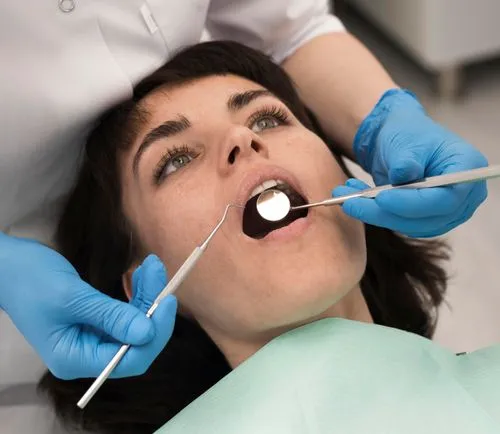
Once you’re in the dental chair, our first goal is to get you comfortable and figure out the best solution for your tooth. We know a lost crown can be stressful, but fixing it is usually a straightforward process. We’ll explain every step, answer all your questions, and make sure you feel confident in the treatment plan. Our team at our six Northern Virginia locations is here to get your smile back to its best, quickly and comfortably.
Assessing the Crown and Your Tooth
First things first, we’ll take a close look at both your tooth and the crown you brought with you. Your dentist will check for any visible damage and then take a quick X-ray. This gives us a clear picture of what’s happening beneath the surface, letting us check for any hidden decay or issues with the tooth’s structure. If everything looks healthy and the crown is in good shape, the fix is often simple. We’ll thoroughly clean your tooth and the inside of the crown before reattaching it with a strong, durable dental cement.
Deciding Between Reattachment and Replacement
If both your tooth and the crown are in good condition, we can often re-cement the original crown, getting you on your way in no time. However, if the crown is damaged, worn, or no longer fits properly, we’ll recommend a new one. The same goes if we find decay in the underlying tooth that needs to be treated first. Crowns are incredibly durable, but they don’t last forever. We’ll discuss all your restorative options so you can make an informed choice that works for you.
Discussing Your Comfort and Sedation Options
Your comfort is our top priority. We understand that dental visits, especially unexpected ones, can cause anxiety. Please let us know how you’re feeling. We can walk you through the entire procedure before we begin, so you know exactly what to expect. If you’re feeling particularly nervous, we offer several sedation dentistry options to help you relax completely during your treatment. Our team is here to ensure your experience is as calm and pain-free as possible, so don’t hesitate to share any concerns you have with us.
Understanding the Timeline for Your New Crown
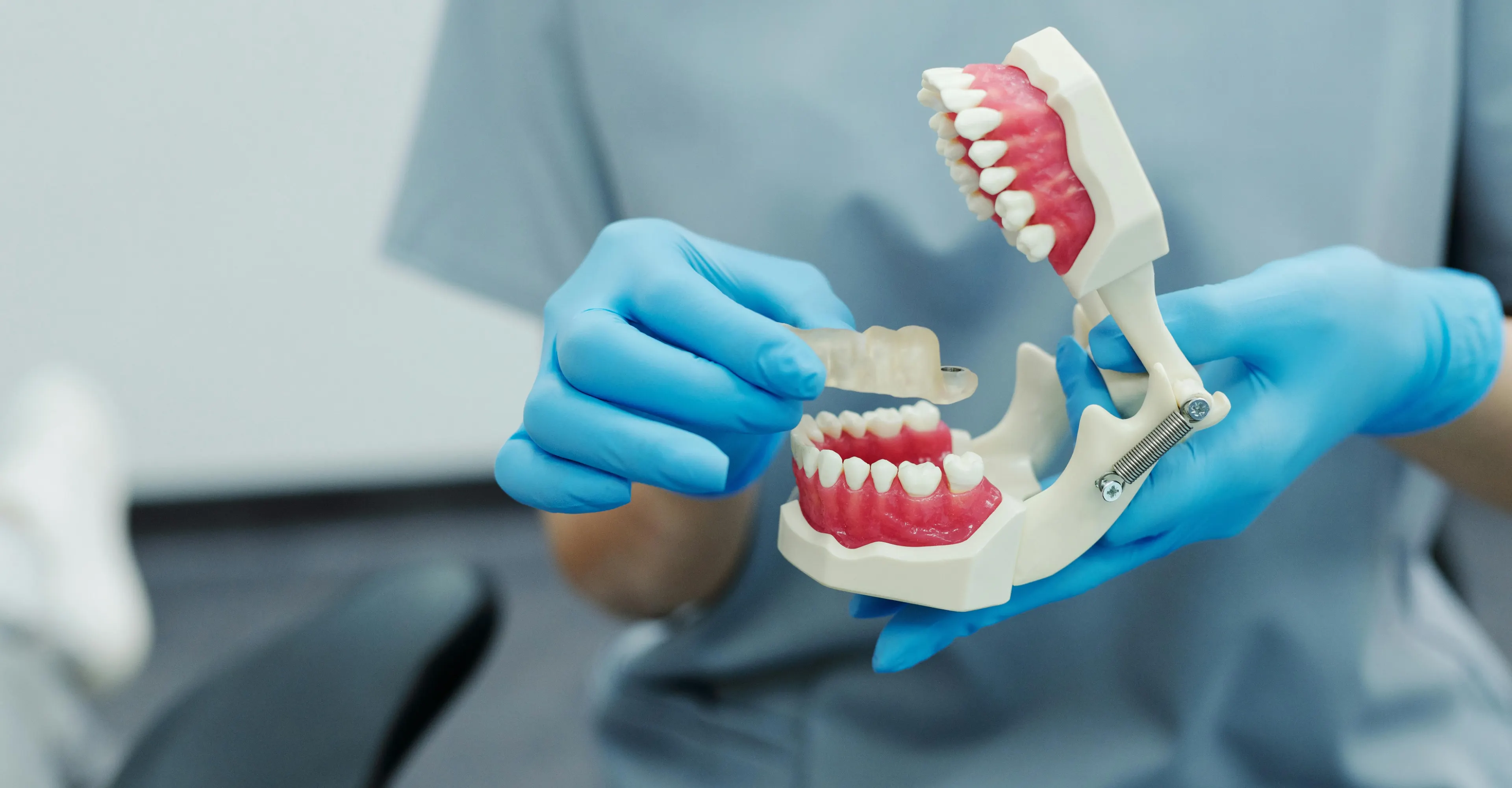
If you need a new crown, we’ll get the process started right away. First, we’ll prepare the tooth and take a precise impression, which is sent to a dental lab where your custom crown will be crafted. You won’t leave with an exposed tooth; we’ll fit you with a comfortable temporary crown to wear in the meantime. Once your permanent crown is ready in a couple of weeks, you’ll come back for a second, shorter appointment to have it permanently placed. We’ll make sure it fits perfectly before you leave with a fully restored smile.
How to Keep Your Crown Secure for Good
Once your crown is professionally reattached or replaced, you’ll want to do everything you can to keep it there. A dental crown is a significant investment in your smile, and with the right care, it can last for many years. The good news is that keeping your crown secure involves simple, daily habits that also support your overall oral health.
Understand Why Crowns Come Loose
Knowing why a crown might fall out is the first step in preventing it. A dental crown can fall out if the glue holding it fails or if the tooth underneath gets decayed. When the underlying tooth structure is compromised, it can no longer provide a stable foundation for the crown. Other common causes include grinding your teeth at night (bruxism), which puts immense pressure on your dental work, or an injury to the mouth. Understanding these risks helps you and your dentist create a plan to protect your restorative dentistry.
Avoid Foods That Damage Crowns
What you eat plays a big role in your crown's longevity. To keep your dental crown secure, it’s best to avoid hard and sticky foods. Extremely hard items like ice, jawbreakers, or nut shells can crack or dislodge a crown. Sticky foods are just as risky; things like caramel, taffy, and gummy candies can grab onto the crown and pull it right off the tooth. You don't have to give up all your favorite treats, but being mindful of what you chew, especially on the side with the crown, can make a huge difference in preventing an unexpected dental visit.
Perfect Your Brushing and Flossing Technique
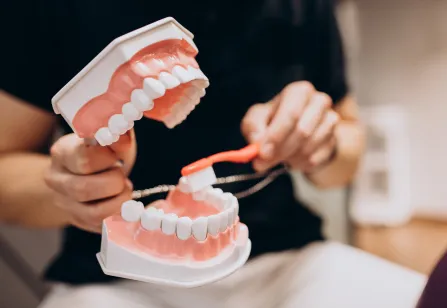
Excellent oral hygiene is non-negotiable for a healthy smile, and it’s essential for protecting your crown. Make brushing and flossing a daily part of your dental hygiene routine to ensure your crown remains secure. When you brush, pay special attention to the area where the crown meets the gum line to prevent plaque buildup. Flossing is also critical, but the technique matters. Instead of pulling the floss straight up from between your teeth, which can catch the edge of the crown, gently slide it out to the side. This simple adjustment helps keep your gums healthy without putting your crown at risk.
Schedule Regular Dental Checkups
Even with perfect home care, nothing replaces a professional checkup. Aim for at least two dental checkups and cleanings each year. During these visits, your dentist can examine your crown to make sure it’s still fitting correctly and that the seal is intact. We can also spot any early signs of trouble, like decay or gum issues around the crown, before they become major problems. These regular appointments are your best defense against future dental issues and are key to making your crown last as long as possible. If it's been a while, you can easily book an appointment at one of our Northern Virginia locations.
Related Articles
- Dental Crowns Virginia | Smile Makers Dental Center
- Crown Lengthening Procedure - Improve Smile & Tooth Access
- Knocked-Out Tooth Emergency Care – Immediate Dental Help
Frequently Asked Questions
What should I do if I can't find the crown or accidentally swallowed it? First, don't worry, this happens more often than you might think. If you swallowed it, it will typically pass through your system without any issues. The most important step is still to call our office right away. While we won't be able to inspect the old crown, we can assess your tooth and start the process of creating a new, custom-fit crown to protect it from damage.
Is it really safe to use temporary dental cement from the pharmacy? Yes, products sold specifically as temporary dental cement are safe for short-term use. They are designed to hold the crown in place temporarily without damaging the tooth or the crown itself. However, they are not a permanent solution. You should never use household glues like super glue, as they are toxic and can permanently damage your tooth, often making it impossible for us to save the original crown.
Why is my tooth so sensitive now that the crown is off? The layer of your tooth underneath the enamel, called dentin, is porous and contains tiny tubes that lead to the nerve. Your crown acts as a shield, protecting this sensitive layer. When the crown is gone, the dentin is exposed to air, temperature changes, and pressure, which can cause that sharp, sensitive feeling. This is normal, but it's also a sign that the tooth is vulnerable and needs to be covered again soon.
How long can I wait to see a dentist after my crown falls off? You should call us to schedule an appointment as soon as it happens. Even if you aren't in pain, the underlying tooth is weak and exposed to bacteria, which can lead to decay or fractures. Ideally, you should be seen within a day or two. Waiting longer increases the risk that your tooth could shift or sustain more damage, which might prevent us from simply re-cementing the original crown.
Will I definitely need a brand new crown? Not necessarily. If the crown itself is in good condition and the tooth underneath is healthy and free of decay, we can often just clean both surfaces and re-cement the original crown. We will need to examine the tooth and take an X-ray to be sure. If we find that the crown is cracked or that there's new decay on the tooth, then getting a new crown will be the best long-term solution for your smile.