

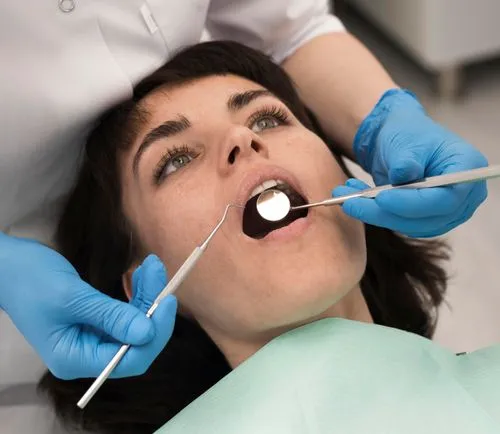
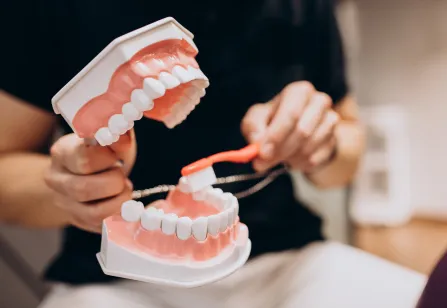
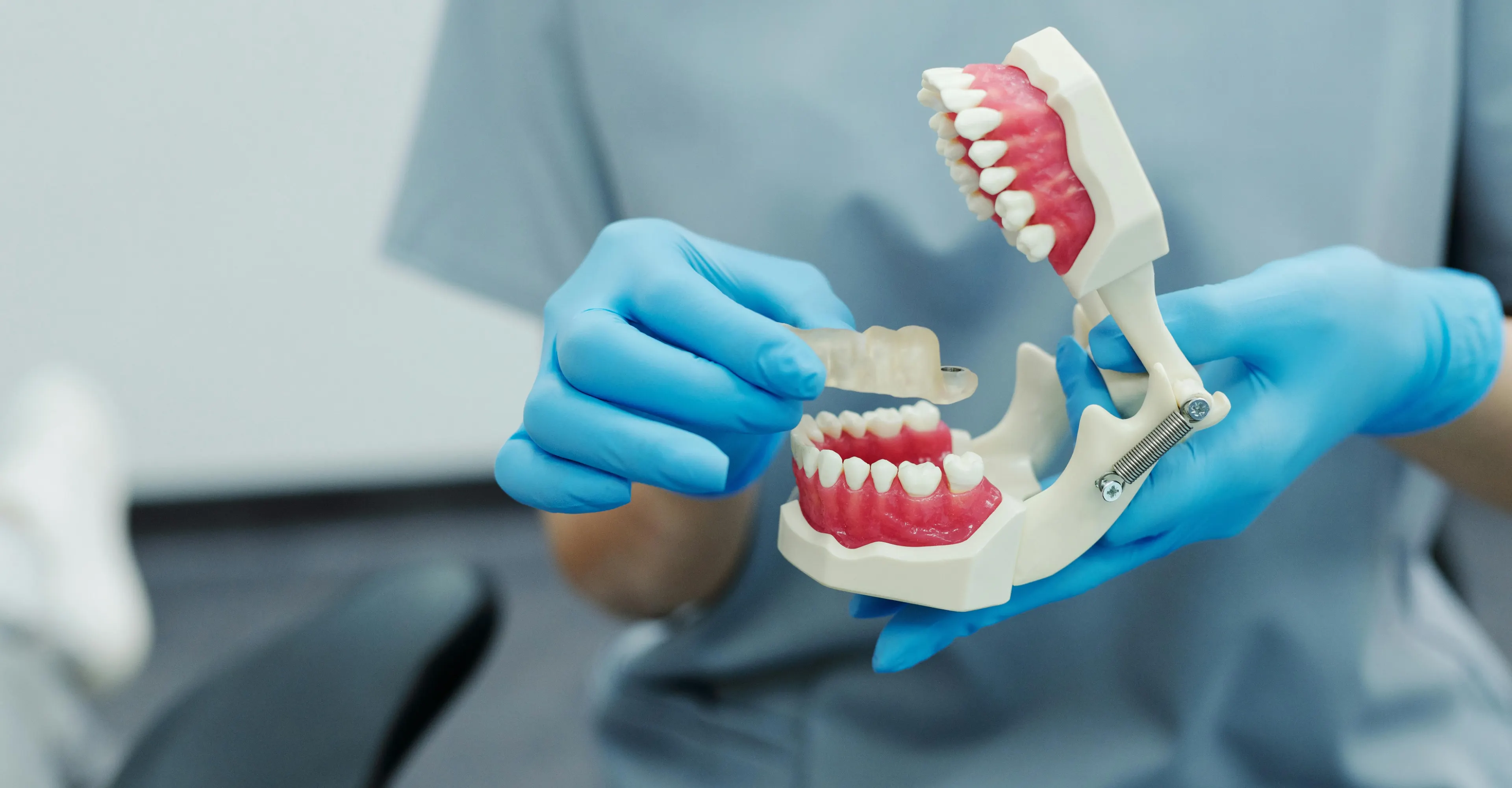
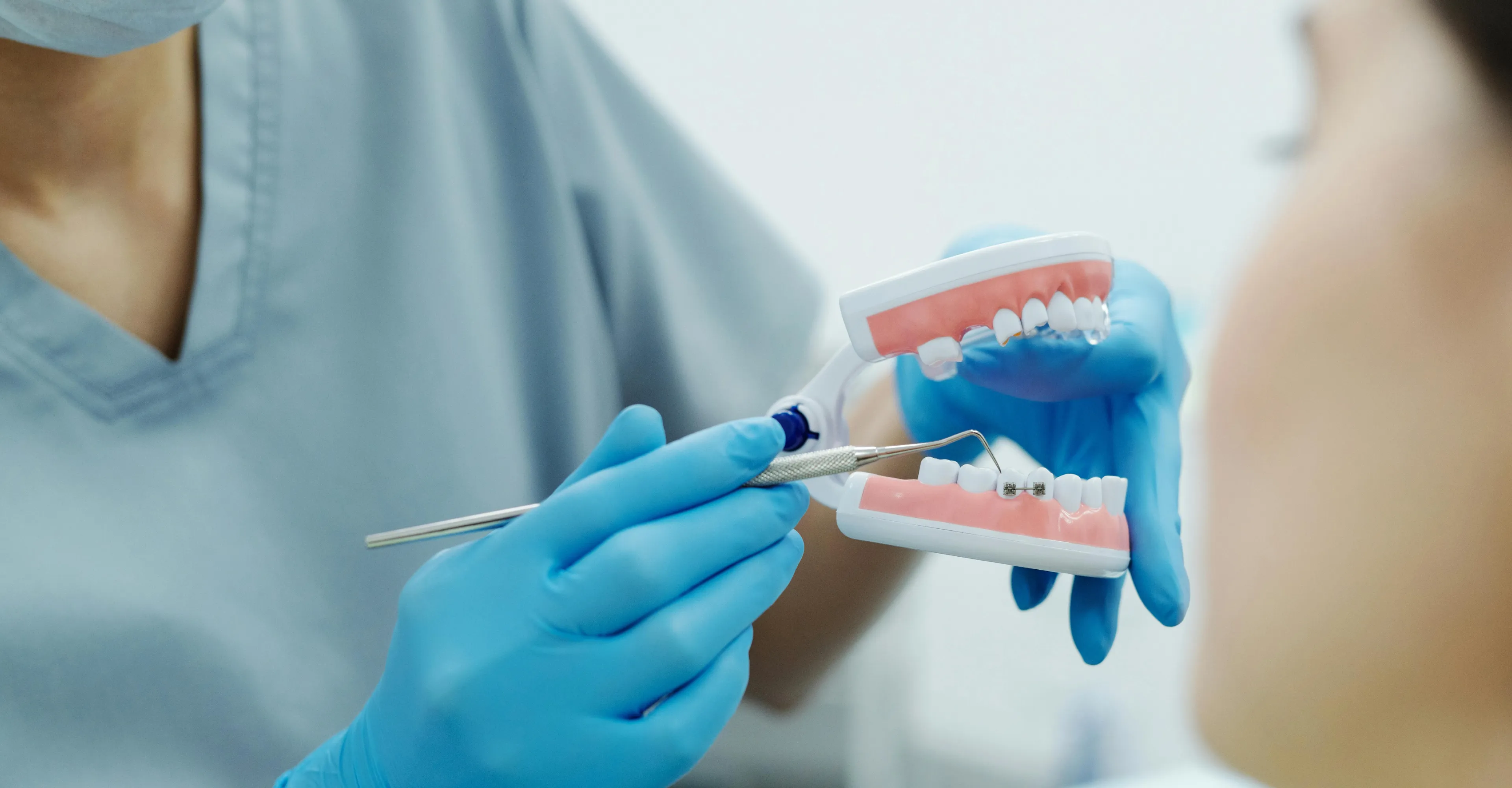



Kids braces can help guide tooth alignment and bite development, but not every child needs them, and the right time varies. If you have noticed crowded teeth, a bite that does not come together comfortably, or difficulty cleaning certain areas, an orthodontic evaluation can clarify whether monitoring or treatment may be appropriate. A dentist or orthodontic professional can assess your child's teeth, jaw growth, and individual needs.
Book an appointment to discuss your child's smile
What can kids braces address?
Braces are orthodontic appliances that apply controlled pressure to move teeth over time. Orthodontic care may address concerns such as teeth that overlap, gaps between teeth, or a bite in which the upper and lower teeth do not meet as expected. In children, an evaluation can also consider how the teeth and jaws are developing. The purpose is not to make every smile look exactly alike. It is to understand a child's dental development and discuss whether treatment could improve alignment or function.
A visible concern does not automatically mean braces are needed. Some irregularities are mild, and some children benefit from observation while more permanent teeth come in. Other concerns may warrant an earlier assessment. The clinician will consider the specific pattern, the child's age and growth, oral health, and whether the issue is changing. Orthodontic treatment plans and timing are individualized; a general online guide cannot determine whether your child should begin treatment.
Some children may be assessed for braces while they still have a mix of primary and permanent teeth. Others may be advised to wait until more permanent teeth have erupted. A first consultation can therefore be useful even if treatment does not start right away. It gives the family a chance to understand what the professional sees, what to watch for, and when a follow-up may make sense.
For an overview of orthodontic care, see the orthodontic services page. Families can also read about clear braces and metal braces to learn about two common appliance styles, while remembering that a child's suitability depends on a clinical assessment.
What signs may mean a child should be evaluated?
Parents often notice a change during brushing, eating, or the transition from baby teeth to adult teeth. You do not need to diagnose the cause. Make a note of what you see and ask your child's dentist whether an orthodontic evaluation would be useful. Signs worth mentioning can include:
- Crowding or overlapping: teeth appear to compete for space, turn, or overlap as they come in.
- Large or uneven spaces: gaps remain between teeth, or the spacing looks different from one side to the other.
- A bite that looks uneven: upper and lower teeth do not seem to meet in a typical way, or the front teeth sit noticeably ahead of or behind the opposing teeth.
- Difficulty biting or chewing: your child regularly avoids certain foods or says their teeth do not meet comfortably. These observations can have different causes and should be assessed rather than assumed to be orthodontic.
- Teeth erupting in an unusual position: a permanent tooth appears to come in behind, in front of, or far from the expected line of teeth.
- Repeated cheek or lip irritation: mention recurring rubbing or biting, especially if it seems related to the way the teeth fit.
- Concerns about cleaning: close or overlapping teeth can make some spots harder to reach. A dental professional can show your child how to clean effectively and assess whether alignment is part of the problem.
These signs are prompts for a conversation, not proof that a child needs braces. For example, a tooth may look out of line temporarily as other teeth erupt. A dentist can distinguish a normal stage of development from a concern that needs closer observation. If your child already sees a general dentist, bring the question to that visit. Smile Makers also provides family dentistry, where families can discuss routine oral health and whether an orthodontic assessment is a reasonable next step.
It may help to record when you first noticed the change and whether it affects brushing, eating, or comfort. If your child reports pain, swelling, an injury, or another urgent concern, contact a dental professional promptly rather than waiting for a routine orthodontic consultation. Orthodontic questions and urgent dental problems may need different kinds of assessment.
When should a child have an orthodontic evaluation?
There is no single ideal starting age for braces. The appropriate time depends on the child's development and the concern being assessed. An evaluation is not the same as starting treatment: the professional may recommend beginning care, checking growth over time, or returning when more teeth have erupted. That distinction can ease the pressure families sometimes feel to make an immediate decision.
Professional guidance emphasizes choosing orthodontic care to fit the patient and the concern being assessed. The American Association of Orthodontists provides an overview of orthodontic treatment methods as a starting point. The right age and plan for an individual child still require a professional assessment.
The American Association of Orthodontists guidance on a child's first orthodontic visit discusses screening during childhood, including around age 7, but a screening visit is not a promise that treatment will begin. Your child's clinician can explain whether an evaluation now or later makes sense.
At the first visit, ask whether the clinician sees a concern that needs treatment now or one that can be monitored. If treatment is not recommended yet, ask what changes to watch for and when to check in again. A clear follow-up plan is valuable: it helps families avoid both unnecessary rushing and uncertainty about whether a concern has been overlooked.
Existing dental care remains important before, during, and after orthodontic treatment. Regular checkups help the dental team assess the health of teeth and gums and discuss prevention. Parents looking for practical visit information can review patient forms and scheduling details before an appointment.
What types of braces might a child discuss?
The word "braces" can refer to several approaches. A dental professional recommends an option based on the child's teeth, bite, development, oral health, and ability to follow care instructions. Not every appliance suits every case, and the table below is a general comparison; it is not a treatment recommendation or a guarantee about which option is available or appropriate for your child.
| Option | What families may want to discuss |
|---|---|
| Traditional metal braces | Fixed brackets and wires that guide teeth over time. Ask about cleaning, food guidance, adjustment visits, and loose or irritating parts. |
| Tooth-colored or ceramic braces | Fixed brackets designed to blend with tooth color. Ask whether they suit the child's needs and how care compares with metal braces. |
| Clear aligners | Removable trays used in some plans. Ask about case suitability, wear time, meals, cleaning, and whether your child can keep track of the trays. |
| Other orthodontic appliances | An appliance used instead of, or in addition to, braces or aligners. Ask about its purpose, expected duration, daily care, and follow-up. |
Book a visit to explore your child's orthodontic options
Fixed braces stay in place during everyday activities, while removable aligners depend on consistent wear and careful storage. That practical difference can matter as much as appearance for a child. Consider your child's routine, willingness to follow instructions, sports or music activities, and comfort discussing care. A professional can explain the trade-offs in the context of the child's needs.
When families compare options, it helps to separate three questions: what can address the orthodontic concern, what daily responsibilities come with the appliance, and what follow-up will be required. The treatment approach should be selected with a clinician, not from a photo or a general comparison chart. A recent expert consensus paper discusses case selection and clinical strategies for clear aligner therapy; it is available through PubMed. Its focus is aligner care, so it should not be used to decide whether a particular child is a candidate.
After the assessment and discussion, request a plain-language explanation of the proposed plan, its goals, expected routine, and alternatives. Ask who to contact with questions between visits. You can also review Smile Makers' dentist team information as you prepare to speak with the practice.
How can children stay comfortable and keep teeth clean?
Starting braces can feel like a big change, especially for a child who is unsure what to expect. Give your child room to ask questions and share concerns. Explain that the dental team can talk through what the appliance may feel like and what to do if something bothers them. Do not promise that treatment will be painless or effortless; experiences differ, and the treating professional is the best person to explain what is typical for the chosen approach.
After braces are placed or adjusted, a child may need time to get used to the sensation. Follow the care team's instructions about meals, cleaning, and comfort. If your child has significant pain, a broken or loose appliance, a sore that does not improve, or another concern, contact the dental office for guidance. Avoid trying to bend wires or repair an appliance at home unless the clinician specifically advises a simple temporary step.
Good daily cleaning is especially important during orthodontic care. Brackets and wires can create extra places where food and plaque collect, so children may need more time and guidance to clean carefully. A helpful routine can include:
- Brush thoroughly along the gumline and around each bracket, following the dental team's instructions.
- Clean between teeth and around orthodontic hardware using tools recommended by the dental professional.
- Check the teeth in a mirror so that missed areas are easier to spot.
- Keep regular dental visits and tell the team if brushing is difficult or gums become sore.
- Follow any food or appliance-care guidance provided for the specific treatment.
Children often benefit from a parent checking in, particularly when they are first learning to clean around an appliance. The goal is support, not blame. A simple checklist or a consistent brushing time can help turn new steps into a routine. For a child who already finds dental visits stressful, tell the team ahead of time and ask how the visit can be explained in a calm, age-appropriate way.
Families can explore more about the practice's dental services and use a visit to discuss how routine dental care fits alongside an orthodontic plan. Any instructions about the child's specific appliance should come from the treating professional.
What should parents ask at the first visit?
A first orthodontic conversation is a chance to understand the child's development and make a plan, not a test parents or children need to pass. You can bring notes about what prompted the visit, questions from your child, and any relevant dental history. If you have a recent dental concern or an appliance that is already being used, mention it at the start.
These questions can help make the discussion practical:
- What did you notice about my child's teeth, bite, or development?
- Is there a reason to begin treatment now, or is observation appropriate?
- If we monitor for now, what changes should prompt us to return sooner?
- Which treatment approaches could be considered, and why might one fit better than another?
- What will my child need to do each day to care for the teeth and appliance?
- How often are follow-up visits generally needed, and what should we do if an issue comes up between visits?
- How will the plan coordinate with regular dental checkups and cleanings?
- What are the next steps if my child is not ready for treatment or has questions after the visit?
Ask the clinician to explain unfamiliar terms and distinguish what is known now from what may change as your child grows. You can also ask for the plan in writing so your family can review it later. If you want to arrange a conversation with a dental professional, use the practice's Northern Virginia office information to find a convenient location and confirm appointment details.
Schedule a visit to talk through orthodontic questions
Frequently Asked Questions
Do all children with crooked teeth need braces?
No. The appearance of a tooth alone cannot determine whether treatment is needed. A dental professional can assess alignment, bite, development, oral health, and the child's individual circumstances. In some cases, monitoring may be appropriate.
Can a child have an orthodontic evaluation before all adult teeth come in?
Yes. An evaluation can help a professional understand how teeth and jaws are developing, even if treatment is not recommended at that time. Ask whether the next step is treatment, observation, or a later follow-up.
Are clear aligners a good choice for every child?
No single appliance is right for everyone. Suitability depends on the orthodontic concern and whether the child can follow the wear and care instructions. Ask the clinician to explain the options for your child rather than choosing based on appearance alone.
What if my child is nervous about getting braces?
Invite your child to share what feels worrying and write down questions together. Let the dental team know about the concern so they can explain the visit and appliance in age-appropriate terms. Avoid promising a particular experience; ask the professional what your child can expect.
How can we help a child brush well with braces?
Ask the dental team to demonstrate cleaning around the specific appliance and recommend appropriate tools. A parent can check in while the child learns the routine, and regular dental visits help the care team address questions about oral hygiene.
Ready to ask about kids braces?
Kids braces are only one possible part of a child's orthodontic care, and an evaluation does not commit your family to treatment. A thoughtful conversation can explain what is developing, whether to act or monitor, and what questions to revisit later. Schedule a visit when you are ready to discuss your child's teeth and next steps with a dental professional.