


There are a lot of myths floating around about sedation dentistry. Some people think it’s only for major surgery, while others worry it’s the same as being put under general anesthesia in a hospital. These misconceptions often lead to one central question that deserves a clear, straightforward answer: is sedation dentistry safe? The truth is, when performed by a qualified professional, sedation dentistry has an excellent safety record. This guide is here to cut through the noise. We’ll debunk common myths, explain the different levels of sedation, and show you the strict safety standards and monitoring procedures we follow at Smile Makers Dental Center to ensure your health and peace of mind are always protected.
Key Takeaways
- Sedation makes essential dental work possible: It helps you comfortably get the care you need by managing common barriers like dental anxiety, a strong gag reflex, or the need for lengthy procedures.
- Your health history is the key to a safe procedure: Always share your complete medical history, including all medications and supplements, with your dentist so they can select the safest sedation method for you.
- Arrange your ride home before your appointment: Planning for a friend or family member to drive you is a mandatory safety step for oral or IV sedation, as you will not be able to drive yourself.
What Is Sedation Dentistry?
If the thought of a dental appointment makes your palms sweat, you're not alone. That's where sedation dentistry comes in. It uses medication to help you feel calm and relaxed in the dental chair, creating a peaceful experience so you can get the care you need without the stress. The goal isn't necessarily to put you to sleep, though you might feel drowsy. At Smile Makers Dental Center, we offer several sedation options to ensure your visit is as smooth and worry-free as possible, whether you're here for a routine cleaning or a more involved procedure.
Your Sedation Options Explained
We understand that one size doesn't fit all, so we offer a few different types of sedation based on your anxiety level and procedure.
- Nitrous Oxide: Known as "laughing gas," you breathe it through a mask for a calming effect that wears off quickly, so you can drive home.
- Oral Conscious Sedation: You take a prescribed pill an hour before your appointment. It makes you very drowsy, and while you're awake, you might doze off.
- IV Sedation: This is a stronger sedation given through an IV. It works fast and allows your dentist to adjust the level throughout your procedure for maximum comfort.
What to Expect During the Process
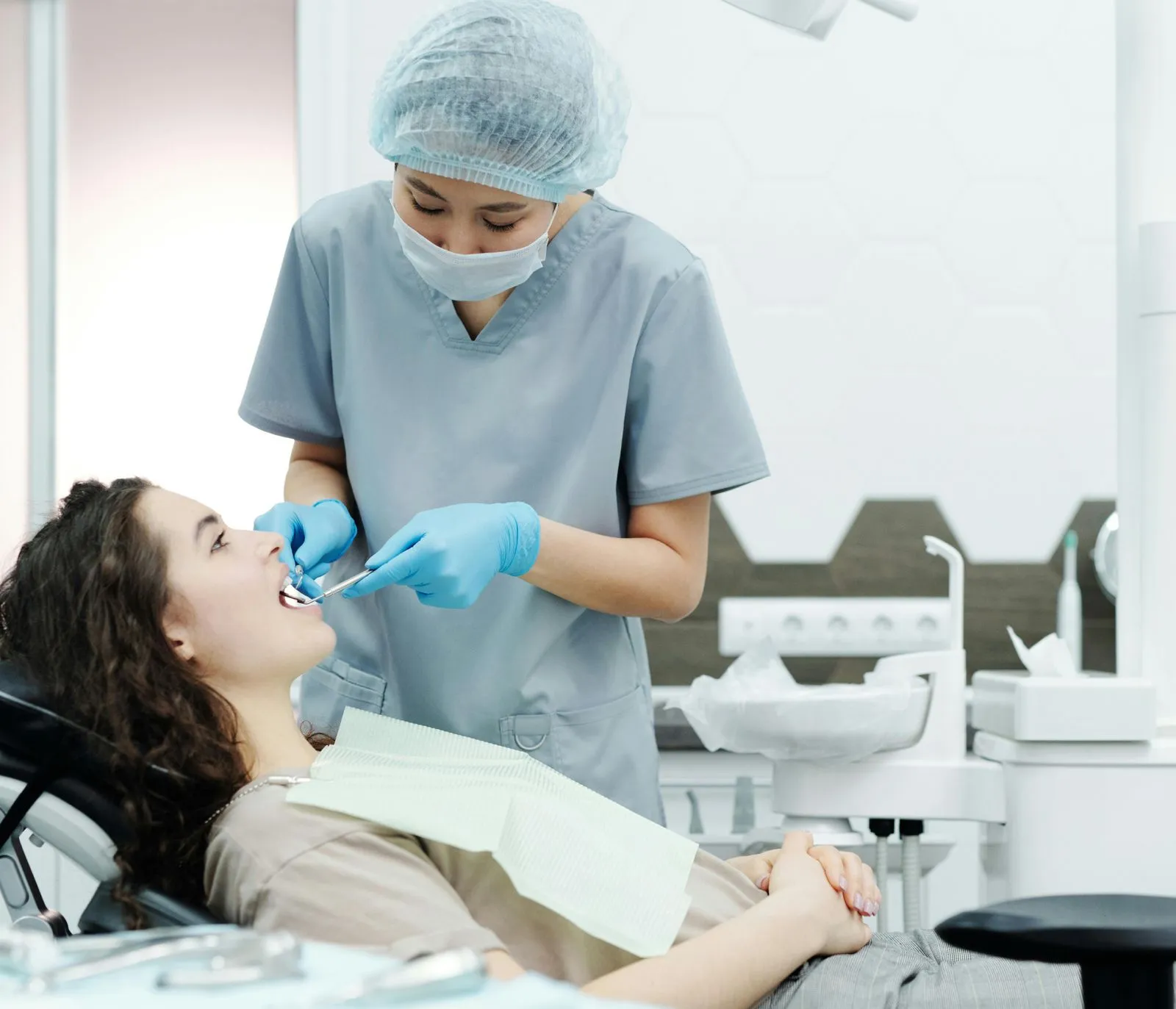
Your safety is our top priority. Throughout your procedure, our team will be by your side, carefully watching your vital signs like heart rate, blood pressure, and oxygen levels. Afterward, it's normal to experience mild, temporary side effects like drowsiness or a dry mouth, which usually fade within a day. We'll give you clear after-care instructions so you know exactly what to expect as you recover.
Is Sedation Dentistry Safe? Common Myths Debunked
Let's clear up a few common misconceptions. One myth is that sedation is only for major procedures. In reality, it's a great option for almost any treatment, even cleanings, if you have dental anxiety. The biggest myth is that sedation isn't safe. When administered by a trained professional, sedation dentistry is very safe. Our skilled team has the qualifications and expertise to perform these procedures safely, giving you peace of mind.
Is Sedation Dentistry a Good Fit for You?
Deciding if sedation dentistry is right for you is a personal choice, but you don't have to make it alone. It’s a fantastic option for many people, helping turn a stressful appointment into a calm, manageable experience. Whether you deal with dental anxiety, have a sensitive gag reflex, or simply need a lot of work done at once, sedation can make all the difference. Let’s walk through some common scenarios where sedation dentistry is a great solution and a few situations where another approach might be better.
A Calming Solution for Dental Anxiety
If the thought of a dental visit makes your heart race, you are not alone. Dental anxiety is very real, and it prevents many people from getting the care they need. This is where sedation dentistry truly shines. It uses medication to help you feel deeply relaxed and at ease throughout your procedure. Instead of focusing on the sounds and sensations of the dental work, you can rest comfortably. Our goal is to provide a safe, stress-free environment, and our sedation dentistry options are designed to help you get necessary treatments without the fear and anxiety.
How Sedation Helps with Certain Health Conditions
Sedation isn’t just for managing anxiety. It’s also an effective tool for patients who face physical challenges during dental appointments. If you have a strong gag reflex, find it difficult to sit still for long periods, or have trouble getting numb with local anesthetics, sedation can help. It allows your body to relax, making it easier for your dentist to work efficiently and effectively. This is especially helpful if you need to complete several treatments in a single visit. By using sedation, you can get more dental work done comfortably, saving you time and multiple trips to the office.
When Another Option Might Be Better
While sedation is safe for most patients, it’s not a one-size-fits-all solution. Your overall health is our top priority. Certain conditions, such as pregnancy, severe respiratory issues like sleep apnea, or allergies to sedative medications, may mean another approach is safer for you. It’s crucial to share your complete medical history with your dentist. This transparency allows us to create a treatment plan tailored to your specific needs. If you have any concerns, the best first step is to book a consultation to discuss your health and determine the safest, most comfortable option for your dental care.
Understanding Potential Risks and Side Effects
Sedation dentistry has an excellent safety record, and for most people, it’s a smooth and comfortable experience. Like any medical procedure, however, it’s smart to be aware of potential side effects. Knowing what to expect can help you feel more prepared and confident going into your appointment. Our team’s top priority is your well-being, and we take every precaution to ensure your procedure is as safe as possible. We’ll walk you through everything, but here’s a general overview of what you should know.
Common, Mild Side Effects to Expect
It’s completely normal to feel a little different as the sedation medication wears off. Most side effects are very mild and temporary, usually disappearing within a few hours or by the next day. You might feel a bit drowsy, dizzy, or even have a slight headache or a bout of nausea. Some people also experience dry mouth. If you had IV sedation, it’s possible to see a small bruise where the needle was placed. Think of these as signs that your body is simply processing the medication, and rest assured that they typically resolve on their own with a little rest.
A Look at Rare Complications
Serious complications from sedation dentistry are very uncommon. Before any procedure, we conduct a thorough review of your medical history to make sure you’re a good candidate and to minimize any potential risks. In extremely rare instances, a patient could have an allergic reaction to a medication or experience breathing difficulties. This is precisely why our team is highly trained to manage these situations. We continuously monitor your heart rate, oxygen levels, and breathing throughout your entire appointment to ensure you are safe and comfortable from start to finish.
Comparing the Safety of Each Sedation Type
The type of sedation your dentist recommends will depend on your anxiety level, your overall health, and the complexity of your dental work. Each option has a strong safety profile when administered by a qualified professional.
- Nitrous Oxide: Often called laughing gas, this is the mildest form. It helps you relax during the procedure, and the effects wear off quickly enough for you to drive yourself home.
- Oral Sedation: This involves taking a prescribed pill before your appointment. It provides a deeper state of relaxation, and you’ll need someone to drive you home as the effects last longer.
- IV Sedation: This is administered through a vein, allowing the dentist to adjust the level of sedation as needed. It’s great for patients with significant anxiety or those undergoing longer procedures.
Our team can help you understand which of our sedation dentistry services is the right fit for you.
Key Questions to Ask Your Dentist
Feeling confident about your dental care starts with having a clear, open conversation with your dentist. Before any procedure involving sedation, it’s important you feel completely comfortable and informed. A great dentist will always welcome your questions and take the time to walk you through the process. Think of this as a partnership where you and your dentist work together to plan the safest treatment. To help you get started, here are some key questions to bring to your next appointment.
Talking Through the Procedure and Safety Protocols
Understanding the specifics of your sedation plan is essential. Your dentist can explain which type of sedation dentistry is right for you and what to expect. Don’t hesitate to ask about the safety measures in place. During the procedure, your team will be focused entirely on your well-being, and your "heart rate, oxygen levels, and blood pressure are constantly monitored" to ensure you remain safe.
Here are a few questions to guide your discussion:
- Which type of sedation do you recommend for my procedure, and why?
- What will I feel like during the appointment?
- How will you monitor me to ensure I’m safe?
- Who will be in the room with me?
Discussing Your Medical History and Medications
Your health history is a critical piece of the puzzle when planning for sedation. Being completely transparent allows your dental team to tailor the procedure to your specific needs and avoid potential complications. It's vital to "talk to your dentist about your health history and any medications you take before deciding on sedation." This includes everything: prescriptions, over-the-counter pain relievers, vitamins, and herbal supplements. Be sure to mention any allergies or health conditions you have, no matter how minor they may seem. This open dialogue is the best way to ensure your safety.
Verifying Your Dentist’s Qualifications
When it comes to sedation, experience matters. You should always feel confident that your dentist has the right credentials. Dentists who offer these services complete extensive, specialized training to learn how to administer sedation safely and manage any situation that might arise. You can feel comfortable asking about their background. A qualified professional will be happy to share their credentials with you. The dentists on our team at Smile Makers have completed the necessary advanced training and strictly follow all safety protocols to provide you with exceptional care.
How to Prepare for a Safe Procedure
Feeling prepared for your appointment can make a world of difference in easing any pre-procedure jitters. When you know what to expect and what you need to do beforehand, you can walk into our office feeling confident and calm. Taking a few simple steps before your visit helps us ensure everything goes smoothly and safely. It’s all about teamwork. Your preparation, combined with our expertise, creates the best environment for a comfortable and successful procedure. Let’s walk through a few key things you can do to get ready for your sedation dentistry appointment.
Your Pre-Appointment Checklist
Think of this as your simple to-do list before you come in. First, make a list of all the medications you currently take, including prescriptions, over-the-counter drugs, and even supplements. Some medicines can affect sedation, so it’s important for your dentist to have the full picture. We’ll also need to discuss your health history to make sure we choose the safest option for you. Depending on the type of sedation you’ll receive, we might ask you to avoid eating or drinking for several hours before your appointment. We’ll give you clear, specific instructions on this, so you’ll know exactly what to do.
Arranging for Transportation and Recovery
This step is non-negotiable for your safety. If you are receiving oral or IV sedation, you will not be able to drive yourself home. The sedative medications impair your judgment, coordination, and reaction time long after your procedure is finished. Please arrange for a trusted friend or family member to drive you to and from your appointment. It’s also a good idea to have that person stay with you for a few hours afterward until the effects of the sedation have completely worn off. Your safety is our top priority, and having a plan for your post-procedure care is a crucial part of that.
Finding a Dentist You Can Trust
Knowing you’re in good hands is the ultimate peace of mind. Dentists who offer sedation dentistry must complete special training and follow strict safety guidelines. At Smile Makers Dental Center, our dentists are fully certified and experienced in administering sedation safely. We are committed to providing not only expert dental work but also a secure and comfortable environment for every patient. You can feel confident asking us about our qualifications and safety protocols. We’re proud of our team’s expertise and are always happy to discuss how our specialized dental services are designed with your well-being in mind.
During and After Your Sedation Appointment
Knowing what to expect during and after your appointment can help you feel more prepared and at ease. Your safety and comfort are our main focus every step of the way, from the moment you arrive until you’re fully recovered at home. Here’s a look at how we care for you during the procedure and what you can expect afterward.
How We Keep You Safe and Monitored
Your safety is our top priority. Our dentists who perform sedation dentistry have extensive training and follow strict safety protocols to ensure a smooth experience. Before your procedure, we’ll carefully review your health history and any medications you’re taking to confirm that sedation is a safe choice for you. During your treatment, we don’t just guess how you’re doing; we monitor you closely. A dedicated team member will continuously track your heart rate, blood pressure, and oxygen levels to make sure you remain comfortable and stable throughout the entire appointment.
Your Guide to a Smooth Recovery
Once your dental work is complete, the recovery process begins. It’s normal to feel a little sleepy for a while afterward. Some people also experience mild side effects like a dry mouth, a slight headache, or a bit of nausea, but these usually fade quickly. If you receive oral or IV sedation, the effects will take some time to wear off completely. For this reason, you must arrange for a trusted friend or family member to drive you home from your appointment. It’s also best to have them stay with you for a few hours until you’re feeling back to your usual self.
When to Call Your Dentist Post-Procedure
We want your recovery to be as comfortable as possible, so don't hesitate to reach out if something feels off. While serious complications are very rare, it’s important to know what to look for. Please give your local Smile Makers office a call if you experience nausea, vomiting, or grogginess that lasts for more than 24 hours after your procedure. You should also contact us if you notice any signs of an allergic reaction or have any breathing difficulties. You can find the direct phone number for all our Northern Virginia locations on our website. Your peace of mind is important to us.
Related Articles
- Sedation Dentistry Virginia - Smile Makers Dental Center
- Laser Dentistry Treatments – Painless & Precise Care
- Ideal Foods to Eat Before Seeing the Dentist | Smile Makers Dental Center
Frequently Asked Questions
Will I be completely asleep during my procedure? That’s a very common question. For most types of sedation, like nitrous oxide and oral sedation, you will remain conscious but in a state of deep relaxation. You'll be able to respond to the dentist, but you'll feel calm and at ease. Many patients feel so relaxed that they doze off and have little to no memory of the procedure afterward, which is often the goal.
What does it actually feel like to be sedated? Imagine feeling completely peaceful and unbothered by the sights and sounds around you. That’s the best way to describe it. You’ll feel a sense of calm wash over you, and any anxiety you have about the dental work will fade away. Time often seems to pass very quickly, and what might be a lengthy procedure can feel like it was over in just a few minutes.
How long will it take for the sedation to wear off? The recovery time depends on the type of sedation you receive. The effects of nitrous oxide, or "laughing gas," wear off within minutes of the mask being removed, so you can typically drive yourself home. For oral or IV sedation, the grogginess can last for several hours. You'll need to have someone drive you home and plan to take it easy for the rest of the day.
Can I eat or drink before my sedation appointment? This is an important safety question, and the answer depends on your specific sedation plan. For lighter forms like nitrous oxide, there are usually no restrictions. However, if you are scheduled for oral or IV sedation, you will likely be asked to avoid all food and drink for at least six hours before your appointment. We will provide you with very clear, personalized instructions well ahead of time.
Is sedation dentistry expensive? The cost of sedation dentistry varies depending on the type of sedation used and the length of your procedure. We understand that budget is a real concern for our patients. The best approach is to discuss your options during a consultation, where we can provide a clear breakdown of any costs. We are committed to making care accessible and can talk you through our affordable plans to find a solution that works for you.