



When comparing Invisalign vs braces, both methods are highly effective ways to straighten teeth, but they differ in daily use, look, and cost. Invisalign uses a series of clear, removable plastic trays that are virtually invisible, making them a popular choice for adults who want a discreet look. These aligners must be worn for 20 to 22 hours each day to work properly. Traditional braces use metal brackets and wires bonded to your teeth, which stay in place full-time with no risk of forgetting to wear them. While braces are often better for complex dental issues, Invisalign offers more comfort and makes brushing your teeth much easier. Both treatments can deliver a healthy, beautiful smile under professional dental care.
As you consider your orthodontic treatment options, it helps to know how each system actually moves your teeth. To make the best choice, let us look at how these two orthodontic treatments compare.
How Invisalign and Traditional Braces Work
When comparing Invisalign vs braces, it helps to understand how each system moves your teeth. Both methods apply constant pressure to align your teeth, but they use very different tools to get the job done. Choosing the right path depends on your lifestyle, goals, and orthodontic needs.
The Mechanics of Traditional Braces
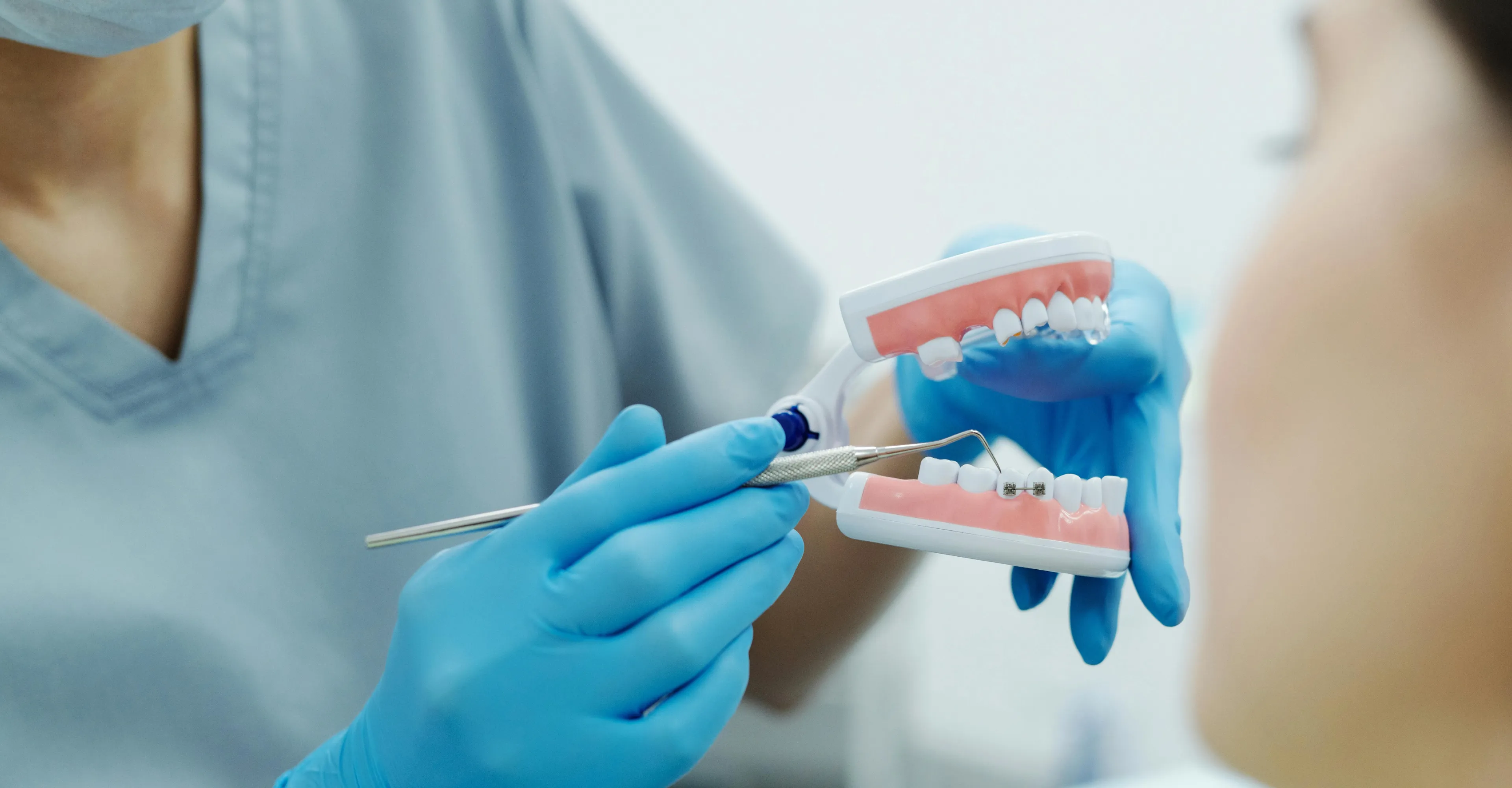
Traditional braces use a system of metal brackets and wires to move teeth. A dentist or orthodontist bonds these metal brackets directly to the front of each tooth. A flexible metal archwire runs through the brackets, acting as the main track. The wire is held in place by small bands. Over time, the wire is tightened or changed to guide teeth into their correct spots.
Because traditional braces are fixed in place, they work 24 hours a day to correct your smile. This constant force makes them highly effective. It also removes any risk of forgetting to wear them. However, they must be kept on during meals and require regular adjustments at our office.
How Invisalign Clear Aligners Align Teeth
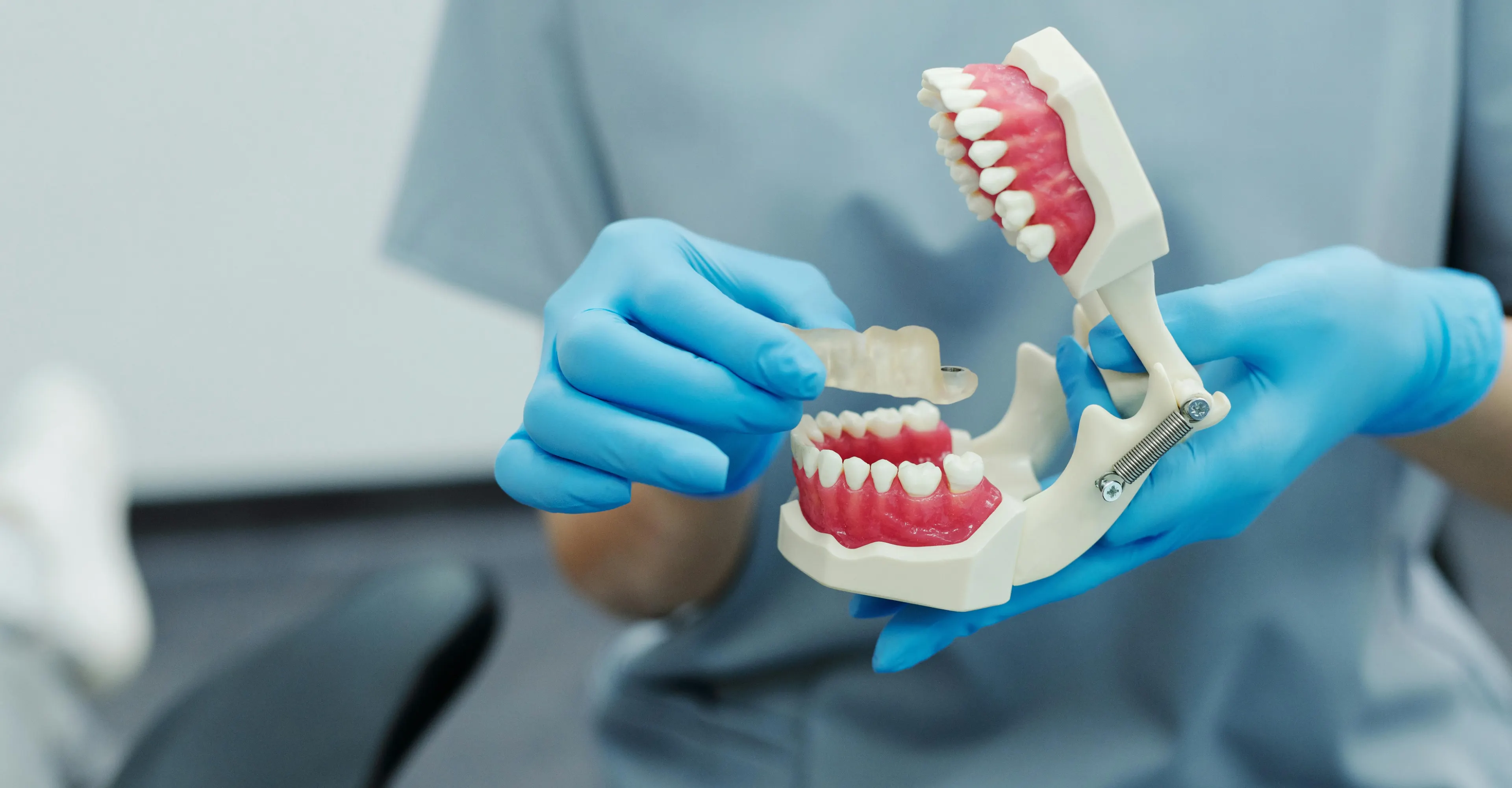
Invisalign treatment works by using a series of custom made, clear plastic trays called aligners. These trays are created using a digital scan of your mouth. Each tray is shaped slightly differently to nudge your teeth into place step by step. You wear each set of trays for one to two weeks before moving on to the next set in the series.
Unlike fixed brackets, these plastic trays are removable. You can take them out when you eat, drink, brush, or floss. This makes daily tasks much easier, but it also means the success of your care depends on your habits. To get the best results, you must wear them for most of the day.
The Role of Patient Compliance
Because clear trays are easy to take out, they come with a unique responsibility. For best results, Invisalign aligners need to be worn for 20 to 22 hours each day. If you leave the trays out of your mouth for too long, your teeth will not move as planned.
Research shows that clear aligner success is directly linked to how well you follow this wear schedule. A study in PMC confirms that reduced wear time slows or stops tooth movement. If you feel you might struggle to keep the trays in, traditional braces may be a safer choice. At Smile Makers Dental Center, we offer both methods to ensure you get the best comprehensive orthodontic care for your lifestyle.
Invisalign vs Braces: A Cost Comparison
When you look to straighten your teeth, cost is a major factor. The overall price of orthodontic work depends on how complex your case is and the method you choose. In general, traditional braces cost between $3,000 and $7,500. By comparison, the national average for Invisalign treatment options ranges from $3,000 to $6,000. While the price ranges overlap, each option has unique cost factors and appointment requirements that can affect your budget.
Beyond the starting price, you should also look at the time spent in the dental chair. Patients who choose clear aligners often save time on follow-up care. In fact, data shows that Invisalign patients require about 30 percent fewer doctor visits over the course of their care compared to those with traditional braces. Fewer visits mean less time away from work or school, making clear aligners a highly efficient choice for busy families.
| Feature | Invisalign | Traditional Braces |
|---|---|---|
| Average Cost Range | $3,000 - $6,000 | $3,000 - $7,500 |
| Office Visits Required | 30% fewer doctor visits | Regular monthly adjustments |
| Insurance Coverage | Often covers up to $3,000 | Often covers up to $3,000 |
| FSA and HSA Eligible | Yes | Yes |
| Main Benefit | Removable and clear | Great for complex cases |
Insurance and Flexible Financing
Many dental insurance plans cover orthodontic care. If your plan covers braces, it will often cover clear aligners to the same degree. This benefit can reduce your out-of-pocket expenses by up to $3,000. You can also use funds from a Flexible Spending Account (FSA) or a Health Savings Account (HSA) to pay for your care. These accounts let you use pre-tax dollars to cover the cost of clear aligner treatment or braces, which helps lower your net cost.
Dental HQ Membership and Payment Plans
To keep care affordable, our practice offers flexible monthly payment plans. This allows patients to split the cost of care into manageable monthly installments. For patients without dental insurance, we offer our Dental HQ membership plan. This in-house membership option provides savings on diagnostic exams, cleanings, and other treatments, making it easier to manage your overall dental health budget.
Treatment Time: Which Option Is Faster?
When comparing Invisalign vs braces, treatment time is a major concern for most patients. Everyone wants a straight smile as fast as possible. However, the time you spend in treatment depends on your unique teeth and how well you follow your dental plan.
Typical Timelines for Clear Aligners
Invisalign treatment is often faster for mild to moderate issues. Most patients finish their treatment in 6 to 18 months. You will wear a series of clear trays that gently shift your teeth. You must change these plastic trays every one to two weeks as your teeth move. Adult patients often choose clear aligners because they fit easily into a busy lifestyle while working quickly.
Standard Timelines for Traditional Braces
Traditional braces usually take longer because they treat more complex bite and alignment issues. Most patients wear metal braces for 18 months to 3 years. Since braces are bonded to your teeth, they apply constant pressure to move them. This fixed design means your care is always working, but the overall process takes more time to complete.
Why Compliance Is Key to Your Success
Your choices have a massive impact on how fast your treatment goes. Research shows that treatment progress with clear aligner therapy relies heavily on patient compliance. If you do not wear your trays for 20 to 22 hours each day, your teeth will not move as planned. This delay can add months to your timeline. Braces do not have this risk because you cannot take them out, but poor oral care can still slow down your progress. No matter which option you choose, following your provider's instructions is the best way to get fast results.
Appearance and Lifestyle Considerations
When you compare Invisalign vs braces, appearance is often the most important factor in your decision. Traditional braces use metal brackets and wires that are highly visible on your teeth. This look can make some adults and teens feel self-conscious during work, school, or social events. Clear aligners offer a subtle path to a straight smile.
The Aesthetic Appeal of Clear Aligners
The thin, clear plastic design of Invisalign makes the trays virtually invisible when you speak or smile. According to clinical guides hosted by the National Institutes of Health, this aesthetic benefit is a primary reason why adult patients choose clear aligners over fixed appliances. You can go to work meetings or social gatherings without worrying about how your treatment looks. The discreet design lets your natural teeth show through while they shift into place.
Diet and Food Restrictions
Your daily routine changes in different ways with each treatment. Metal braces are bonded to your teeth, which means you must avoid hard, sticky, or chewy foods. Snacks like popcorn, gum, and hard candy can bend wires or pop brackets loose. With Invisalign, you remove the aligners before you eat. This means you do not have to change your diet or worry about damaging your appliance when you enjoy your favorite meals.
Daily Habits and Comfort during Activities
A big benefit of Invisalign is that you can take the trays out for sports, photos, or special events. This flexibility helps you maintain your normal lifestyle. But you must wear the aligners for 20 to 22 hours each day to get the best results. Metal brackets can also scrape or poke the soft tissue inside your mouth. If you play contact sports, braces can cause small cuts inside your lips if you take a bump, while smooth plastic aligners are much gentler. To explore your options, you can seek comprehensive orthodontic care at any of our offices.
Effectiveness for Different Orthodontic Issues
Choosing between Invisalign vs braces often depends on the specific dental issues you need to correct. Both methods are highly capable of resolving common orthodontic concerns. This includes mild to moderate crowding, teeth spacing, overbites, underbites, and crossbites. A systematic review published by the National Institutes of Health confirms that both clear aligners and fixed appliances can correct a wide range of these alignment issues.
When Traditional Braces Work Best
Traditional braces are generally the preferred option for complex orthodontic cases. Because braces are fixed directly to your teeth, they allow for precise, three-dimensional control over the movement of each tooth. This level of detail is necessary for rotating severely turned teeth or moving teeth roots. For complex bite alignment and severe tooth crowding, fixed braces provide highly predictable results because they do not rely on patient compliance to work.
Where Invisalign Shines
Invisalign is an excellent option for mild to moderate dental issues. The clear trays are custom-made to fit snug over your teeth, gently pushing them into place over time. New advances in clear aligner technology, such as specialized smart-force attachments, have made Invisalign much more effective than before. Today, these clear aligners can treat more complex cases, including moderate bites and severe crowding. However, their success relies entirely on your commitment to wear them for 20 to 22 hours each day.
Coordinated Orthodontic Care
At Smile Makers Dental Center, our team offers a multi-specialty dental care model. This unique approach means you do not have to seek outside specialists for different treatments. Our in-house dental experts can evaluate your smile and provide comprehensive orthodontic care directly in our offices. We help you compare Invisalign vs braces to find the best fit for your budget, lifestyle, and health needs.
Oral Hygiene and Maintenance During Treatment
Keeping your teeth clean is a vital part of your orthodontic journey. When comparing Invisalign treatment vs braces, the way you care for your smile daily changes quite a bit. Your daily routine will look very different based on which option you choose to straighten your teeth.
The Brushing and Flossing Challenge with Braces
Traditional braces consist of metal brackets and wires that are bonded directly to your teeth. While they work well to move teeth, these parts create many tiny spots where food can easily get stuck. If you do not clean these spots, plaque builds up fast. This buildup can lead to gum irritation, swollen tissue, and even permanent white spot lesions on your enamel.
To clean around braces, you must use special tools. Standard dental floss will not work on its own because the main archwire blocks it. You will need to use floss threaders or tiny interdental brushes to reach under the wires. Many dental experts also suggest using a water flosser. According to study data hosted by the National Institutes of Health, keeping up with proper oral care is the single most important factor for long-term dental health during any orthodontic care.
Caring for Your Teeth with Invisalign
One major benefit of clear aligners is that they are completely removable. This feature makes your daily cleaning routine much simpler. You do not have to navigate around metal wires or bracket edges. You can simply take your aligners out of your mouth to brush and floss your teeth just like you always have.
Because you can clean your teeth with ease, you have a much lower risk of gum swelling. However, you must still clean your mouth every single time you eat. If you put your trays back in without brushing, you trap food bits and sugar against your teeth. This trapped debris blocks saliva from washing your teeth, which can cause cavities to form quickly.
How to Clean Your Aligners Properly
Just like your teeth, your clear trays need daily care to stay clean. You must brush your plastic trays with a soft brush and rinse them in lukewarm water. Do not use hot water because high heat can warp the plastic and ruin the fit. You should also avoid colored soaps or harsh toothpaste that can scratch the material or leave a cloudy look.
If you fail to clean your trays, they will collect bacteria. This can lead to bad breath and make your clear aligners look yellow. A study published on the National Library of Medicine site shows that keeping your trays clean is key to avoiding plaque buildup. Regular soaking in special cleaning crystals will keep your aligners fresh, clear, and odor-free.
Comfort and Pain: What to Expect
When you compare Invisalign vs braces, comfort is often a top concern. Both systems work by applying force to move your teeth into the correct spots. This means you will likely feel some soreness with either option. But the type of pain and how long it lasts can differ based on which treatment you choose.
The Braces Experience: Soreness and Irritation
Traditional braces use metal brackets and wires to guide your teeth. Patients often feel soreness for a few days after their first placement. This same tight feeling can return after each adjustment visit. In addition, traditional brackets and wires can occasionally cause discomfort or soft tissue irritation in the cheeks and lips. You can learn more about managing orthodontic symptoms from the National Institutes of Health. Over-the-counter pain medicine and soft dental wax can help soothe your mouth during these times.
The Invisalign Experience: Mild Pressure
Invisalign clear aligners do not use metal parts to move your teeth. Instead, they use smooth plastic trays that fit right over your teeth. This design helps reduce the risk of scrapes or cuts on your gums and cheeks. Patients usually feel a gentle, steady pressure when they switch to a new set of aligners. This mild discomfort shows the trays are working and typically fades in a few days.
Managing Comfort During Treatment
Whether you choose aligners or traditional braces, the initial soreness is only temporary. Your mouth will adapt to the appliance over time. Eating soft foods like yogurt, pasta, or soup can make a big difference during your first week. If you have questions about which treatment matches your lifestyle, our team can help you explore comprehensive orthodontic care options to find the best fit.
Frequently Asked Questions
Why don't dentists recommend Invisalign?
Some dental experts advise against clear aligners for severe issues. According to a study in PMC, fixed braces are more effective for complex cases that need precise control over tooth roots. If a patient cannot wear the trays for twenty-two hours daily, braces are a better choice.
Is $6000 normal for Invisalign?
Yes, this cost is common. Real-world data from The Orthodontists shows prices vary based on your needs. Invisalign prices typically range from $3,000 to $6,000. This rate is very similar to the average cost of traditional metal braces.
Why do people quit Invisalign?
Most patients quit due to the strict wear schedule. An academic study in PMC shows that treatment progress relies heavily on compliance. Patients must wear the aligners for 20 to 22 hours each day. Taking them out constantly for meals and snacks can become too difficult.
Which treatment is less painful: Invisalign or braces?
Most patients feel less pain with clear aligners. Clinical reviews from The Orthodontists show traditional metal brackets and wires can cause tissue irritation in your mouth. Invisalign aligners apply a much gentler pressure to move your teeth over time without irritating your cheeks.
Ready to schedule an Invisalign consultation?
Delaying orthodontic care can lead to worsening bite issues, uneven tooth wear, and more difficult dental hygiene routines over time. Choosing to start your teeth straightening journey now means you can enjoy the many benefits of a beautiful, healthy smile much sooner. At Smile Makers Dental Center, our compassionate, multi-specialty team of dental professionals makes the entire treatment process easy and comfortable for patients of all ages. We provide complete, high-quality care under one roof at our six convenient offices across Northern Virginia. Which means you never have to worry about traveling to a separate office for outside orthodontist referrals.
Ready to schedule an Invisalign consultation? Visit our Invisalign treatment options page to book your visit online with our gentle team today.