




When you’re missing a tooth, you have a few different paths you can take. You might be weighing the pros and cons of dental implants, partial dentures, and dental bridges. A major factor in this decision is always the price. So, how much does a dental bridge cost compared to the alternatives? A bridge is often a great middle-ground solution, offering a fixed, durable restoration that can be more affordable than an implant. This article will provide a detailed look at the costs associated with bridges, helping you compare your options and understand the long-term value of your investment in a healthy smile.
Key Takeaways
- Restore your smile with the right bridge: A dental bridge fills the gap from a missing tooth, which helps you chew properly and keeps your other teeth from shifting. The best type for you, whether traditional, cantilever, or implant-supported, depends on your specific dental situation.
- Make your bridge affordable: The total cost depends on the materials, the size of the bridge, and any extra treatments you might need. You can manage this investment with dental insurance, flexible payment plans, or a practice's in-house discount program.
- Compare bridges to other solutions: While bridges are often more affordable upfront than dental implants, they do require altering the healthy teeth on either side of the gap. Discussing the long-term health of your jawbone and adjacent teeth with your dentist will help you choose the best path for your smile.
What is a dental bridge?
If you have a missing tooth, you know it can affect everything from your confidence to how you enjoy a meal. A dental bridge is a popular and reliable solution that literally "bridges" the gap left by one or more missing teeth. Think of it as an artificial tooth that is held in place by the healthy natural teeth on either side of the space. It’s a fixed restoration, meaning it’s cemented in place and doesn’t need to be removed for cleaning like a partial denture.
Bridges are one of the most common restorative dental solutions because they are effective at restoring both the function and appearance of your smile. When a tooth is missing, the surrounding teeth can begin to drift into the empty space. This can throw off your bite, create issues with your jaw, and even change the shape of your face over time. By filling the gap, a bridge prevents your remaining teeth from shifting, which helps maintain your oral health and alignment. It’s a straightforward way to get your smile back on track and feel good about it again.
How dental bridges work
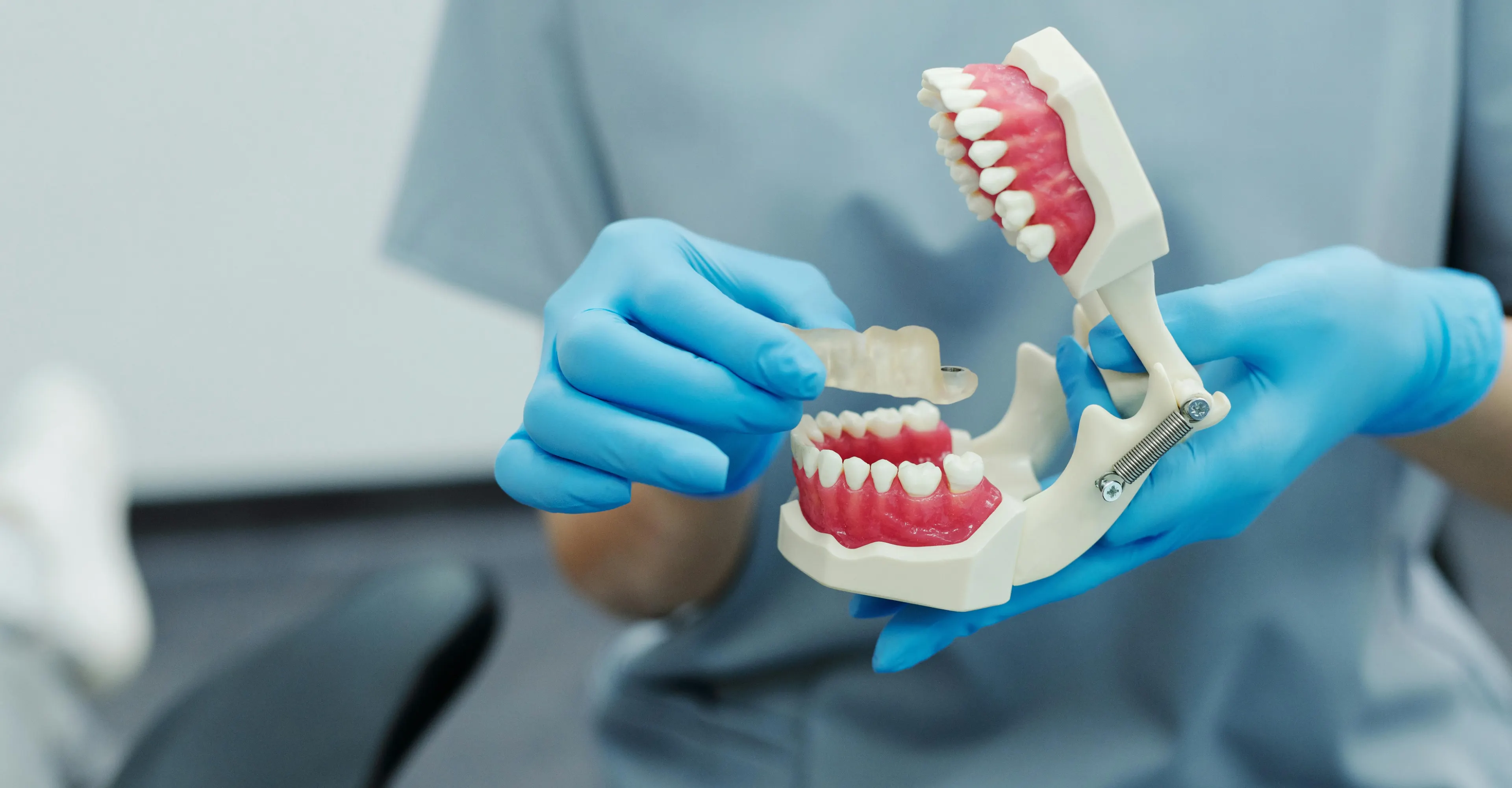
A dental bridge works by filling the space where you have one or more missing teeth. The bridge itself consists of a fake tooth, called a "pontic," which is fused between two crowns that go over the teeth on either side of the gap. These anchoring teeth are called abutment teeth. The pontic can be made from various materials, including porcelain, ceramic, or resin, and is designed to match the color and shape of your natural teeth for a seamless look. Your dentist prepares the abutment teeth to ensure the crowns fit securely, creating a strong and stable foundation for your new tooth.
How bridges restore your smile and bite
Beyond just filling a gap, dental bridges greatly enhance your smile’s aesthetics. They help you chew food better, improve how you speak, and make your smile look complete and natural. When you lose a tooth, the force of your bite can become unevenly distributed, putting stress on your other teeth. A bridge helps restore that balance, allowing you to chew comfortably. It also provides support for your lips and cheeks, maintaining your face’s natural shape. These cosmetic and functional improvements can make a huge difference in your daily life and overall confidence.
Dental bridge types and costs
When you start looking into dental bridges, you’ll find there isn’t just one type. The kind of bridge that’s right for you depends on where your missing tooth is located and the health of the surrounding teeth. Each option comes with a different procedure and price tag, which is why the cost can vary so much. Understanding these different types is the first step in figuring out what your investment might look like.
The best way to get a precise quote is to schedule a consultation with one of our dentists. We can walk you through the best options for your specific situation and discuss costs and payment plans.
Traditional dental bridges
This is the most common type of dental bridge, and it’s probably what you picture when you think of one. A traditional bridge consists of a replacement tooth (or teeth) held in place by dental crowns that are cemented onto the teeth on either side of the gap. These adjacent teeth, called abutment teeth, act as anchors. According to CareCredit, traditional dental bridges are a popular choice and typically cost between $4,100 and $9,650, with a national average of around $5,197. They are a reliable and time-tested solution for filling a gap in your smile.
Cantilever bridges
A cantilever bridge is a bit different because it’s used when there’s only one tooth next to the gap to serve as an anchor. Instead of being supported on both sides, the replacement tooth is held in place by a crown cemented to just one abutment tooth. This option isn’t as common and is typically used in areas of your mouth that don’t experience as much chewing force, like the front teeth. The average cost for a cantilever bridge is approximately $1,041, making it a more affordable but less sturdy alternative to a traditional bridge in specific situations.
Maryland bonded bridges
Also known as a resin-bonded bridge, a Maryland bridge is a more conservative option than a traditional bridge. Instead of using crowns on the neighboring teeth, it uses a metal or porcelain framework that is bonded to the back of those teeth. This means less alteration of your healthy adjacent teeth is required. Humana notes that a Maryland bonded bridge typically costs around $1,569. This type is often a great choice for replacing missing front teeth, as it preserves the structure of the neighboring teeth while still providing a stable replacement.
Implant-supported bridges
For a more permanent and durable solution, an implant-supported bridge is an excellent option. Instead of being supported by crowns or frameworks on natural teeth, this bridge is anchored by dental implants. This is an ideal solution when you have several teeth missing in a row. Because it involves a surgical procedure to place the implants, it’s the most comprehensive option. The cost for an implant-supported bridge can range from $5,000 to $15,000. At Smile Makers, our team includes specialists in restorative dentistry who can determine if this is the right path for you.
What affects the cost of a dental bridge?
Figuring out the cost of a dental bridge isn't as simple as looking up a price tag. The final amount depends on your unique dental needs and the specifics of the treatment plan we create for you. Several key factors come into play, from the materials we use to the number of teeth you need to replace. Understanding these variables can help you get a clearer picture of your investment in a healthier, more confident smile. Let's walk through the main elements that influence the cost.
The number of teeth you're replacing
One of the most significant factors in the cost of a dental bridge is its size. A bridge designed to replace a single missing tooth will naturally cost less than one that spans a gap of two or three teeth. A larger bridge requires more materials for the pontics (the artificial teeth) and may need more than two abutment teeth for support. This increases both the material costs and the time needed for the procedure, which is reflected in the final price.
The materials used
The material your bridge is made from plays a big role in its cost, durability, and appearance. Porcelain and zirconia are popular choices because they mimic the look of natural teeth, but they often come at a higher price point. Metal alloys are incredibly durable but are more noticeable. Another option is porcelain-fused-to-metal, which offers a balance of strength and aesthetics. We can discuss the pros and cons of each to find a solution that fits your budget and your goals for your smile.
Your dentist's location
Just like the cost of housing or groceries, the price of dental services can vary based on your geographic location. The cost of running a dental practice differs from city to city, and this is often reflected in treatment fees. At Smile Makers Dental Center, we have six convenient locations across Northern Virginia, and we are committed to providing transparent pricing and affordable care for our communities. We believe everyone deserves access to high-quality dental work.
The complexity of your procedure
No two mouths are the same, and the complexity of your specific case will influence the overall cost. A straightforward bridge placement is simpler and less expensive than a case where the supporting teeth are tilted, weak, or require significant reshaping. The location of the missing tooth can also add complexity. For example, a bridge in the front of your mouth requires meticulous cosmetic attention to ensure it blends seamlessly with your smile.
Any additional treatments needed
The price of the dental bridge itself is just one part of the total cost. Before we can place a bridge, we need to ensure your mouth is healthy. This might mean you need other treatments first, such as a professional cleaning, X-rays, a tooth extraction, or treatment for gum disease. These necessary preliminary procedures will be added to your overall treatment plan. The best way to get an accurate estimate is to book an appointment for a comprehensive exam.
Does dental insurance cover bridges?
Figuring out dental insurance can feel like a puzzle, but when it comes to dental bridges, there’s good news. Because bridges are a restorative treatment that helps you chew properly and keeps your other teeth in line, they are often considered medically necessary. This means many dental insurance plans offer some level of coverage for the procedure. The key is to understand the specifics of your own plan before you begin treatment.
Understanding your coverage
Most dental insurance plans do provide coverage for major restorative procedures like dental bridges. The exact amount covered, however, depends entirely on your specific policy. Some plans might cover a significant portion, while others may have stricter limits or waiting periods. It’s always a great idea to review your benefits booklet or call your insurance provider directly. Our team can also help you understand your benefits and what they mean for your treatment. For those without insurance or who need extra help, options like our Loyalty Discount Plan can make treatment more accessible.
What to expect for out-of-pocket costs
Even with insurance, you should plan for some out-of-pocket expenses. Typically, dental insurance plans will cover about 50% of the cost of a dental bridge after you’ve met your deductible. Your final cost will depend on your plan’s annual maximum, which is the most your insurance will pay for dental care in a year. Before we start any work, we’ll provide you with a detailed treatment plan that outlines the total cost and estimates what your insurance will cover. This transparency ensures you know exactly what to expect and can plan your finances accordingly.
The pre-authorization process
To avoid any surprises, we highly recommend a pre-authorization, also known as a pre-determination. This is a simple but important step where we submit your treatment plan to your insurance company before the procedure. They will review it and send back a document explaining what they’ll cover and what your estimated portion will be. While it’s not a guarantee of payment, it’s the most accurate way to estimate your costs and confirm your benefits. Our office is happy to handle this process for you to make your experience as smooth as possible.
Common myths about insurance for bridges
There are a couple of common myths we should clear up. First, many people think dental bridges are purely cosmetic. The reality is that they restore essential functions like chewing and speaking, and they prevent surrounding teeth from shifting, which is why insurance plans often help pay for them. Another myth is that bridges are prohibitively expensive. While it is a significant investment in your health, a bridge is often a more affordable tooth replacement option than a dental implant. With insurance coverage and flexible payment options, restoring your smile is within reach. You can always book an appointment to discuss your specific needs and costs.
The pros and cons of dental bridges
Deciding on the right tooth replacement option is a big step, and dental bridges are a fantastic and popular choice for many people. Like any dental treatment, they come with their own set of benefits and things to consider. Understanding both sides helps you and your dentist make the best decision for your smile, your health, and your budget. Let’s walk through what you can expect so you feel confident about your options.
The benefits of choosing a bridge
One of the biggest draws of a dental bridge is how quickly and effectively it restores your smile. Bridges are a reliable and aesthetically pleasing solution for filling the gap left by a missing tooth, which can make a world of difference for your confidence. They also restore your ability to chew properly and can even help you speak more clearly.
From a financial perspective, bridges are often more affordable upfront than dental implants. Many dental insurance plans cover a portion of the cost, making them an accessible option. At Smile Makers, we also offer a Loyalty Discount Plan to help make your treatment even more manageable.
Potential drawbacks to consider
While bridges are an excellent solution, there are a few factors to keep in mind. A traditional bridge is supported by the teeth on either side of the gap. To place the bridge, your dentist will need to reshape these adjacent teeth, called abutment teeth, to fit the crowns that hold the bridge in place. This is a necessary step, but it does involve altering otherwise healthy teeth.
Another long-term consideration is the jawbone. Because there is no tooth root under the bridge to stimulate the bone, it can gradually shrink over time. This might eventually affect the fit of your bridge or the appearance of your smile. Diligent routine oral care is also essential to prevent decay in the supporting teeth.
Long-term durability and upkeep
With the right care, a dental bridge can last for many years, often a decade or more. Think of it as an investment in your smile that needs the same attention as your natural teeth. A solid oral hygiene routine is key to its longevity. This includes brushing twice a day and, most importantly, cleaning underneath the artificial tooth. You’ll need to use a floss threader or a special brush to remove plaque and food particles from this area.
Regular dental check-ups and cleanings are also crucial. These visits allow your dentist to monitor the health of your bridge, the supporting teeth, and your gums. By staying on top of your oral health, you can ensure your bridge remains stable, functional, and beautiful for years to come. If you have questions about caring for a bridge, we can create a personalized plan during your consultation.
How do bridges compare to other options?
When you're missing a tooth, a dental bridge is a fantastic and reliable solution, but it's not your only choice. Understanding how bridges stack up against other popular options like dental implants and partial dentures can help you feel confident in your decision. Each has its own set of benefits, costs, and long-term considerations, so let's break them down to see what might work best for your smile and your budget.
Bridges vs. dental implants
Dental implants are often considered the gold standard for tooth replacement, but bridges hold their own as a strong alternative. The biggest difference is how they are supported. An implant is a titanium post that fuses with your jawbone, acting as a new tooth root, while a bridge uses the neighboring teeth as anchors. Upfront, a bridge is typically more affordable; a three-unit bridge often costs between $2,500 and $4,500. However, it's important to consider the long-term picture. Because an implant replaces the tooth root, it helps preserve your jawbone. A bridge doesn't, and it requires altering healthy adjacent teeth, which can sometimes lead to future issues. Our team can help you explore all our restorative dental services to weigh these factors.
Bridges vs. partial dentures
If you're looking for a removable solution, a partial denture might be on your radar. Unlike a fixed bridge that is permanently cemented in place, a partial denture is an appliance you can take out for cleaning. This makes dentures a more flexible but often less stable option. Many people prefer the secure, natural feel of a bridge, which functions just like your own teeth. Financially, bridges tend to fall between the cost of partial dentures and dental implants. Plus, many dental insurance providers offer good coverage for bridges, making them an accessible and popular choice for restoring your smile without the commitment of surgery or the hassle of a removable piece.
A look at long-term costs
When thinking about cost, it's helpful to look beyond the initial price tag. Dental bridges are incredibly durable and can serve you well for many years with the right care, making them a reliable long-term solution. However, one factor to keep in mind is bone health. Over time, the jawbone underneath the missing tooth can begin to shrink, which might eventually change the fit of your bridge or the appearance of your smile. In contrast, dental implants help stimulate and maintain bone, preventing this from happening. While the upfront investment for an implant may be higher, it can sometimes be more cost-effective over a lifetime by avoiding potential damage to adjacent teeth and the need for future replacements. The best way to understand the right path for you is to book a consultation where we can discuss your specific situation.
How to make your dental bridge affordable
Thinking about the cost of a dental bridge can feel overwhelming, but it doesn’t have to be a barrier to restoring your smile. The good news is that you have several options to make the treatment fit your budget. By exploring these different avenues, you can find a financial path that feels comfortable and allows you to get the care you need without unnecessary stress. Let’s walk through some of the most effective ways to manage the cost of your dental bridge.
Payment plans and third-party financing
You don’t always have to pay for the entire procedure upfront. Many dental offices offer in-house payment plans that let you break down the total cost into smaller, more manageable monthly payments. It’s always worth asking what flexible options are available. Additionally, you can look into third-party financing companies like CareCredit, which function like a credit card specifically for healthcare expenses. These services can help you cover the cost immediately and pay it back over time, often with promotional financing options.
Dental discount plans
If you don’t have traditional dental insurance, a discount plan can be a fantastic alternative. These plans work on a membership basis: you pay an annual fee and in return, you get significant discounts on a wide range of dental services, including bridges. We offer our own Loyalty Discount Plan to help our patients access affordable care without the complexities of insurance. It’s a straightforward way to reduce your out-of-pocket costs and make essential procedures more accessible for you and your family.
Using your HSA or FSA
Do you have a Health Savings Account (HSA) or Flexible Spending Account (FSA) through your employer? If so, you can use those funds to pay for your dental bridge. The best part is that these accounts are funded with pre-tax dollars, which means you’re saving money on your dental expenses right from the start. Using your HSA or FSA is a smart financial move that reduces the overall cost of your treatment. Be sure to check your account balance and plan accordingly before your procedure.
The dental bridge process: What to expect
Getting a dental bridge is a common and straightforward procedure, but knowing what happens at each step can make the experience feel much more comfortable. The entire process is typically completed over just two or three appointments. I like to think of it as a collaborative project between you and your dentist, where each visit builds upon the last to create a final result that restores your smile’s function and appearance. It's a well-established method for replacing missing teeth, and the results can be truly transformative, helping you eat, speak, and smile with renewed confidence.
From the initial consultation to the final placement, our team at Smile Makers Dental Center is here to guide you. We’ll take the time to answer all your questions and make sure you feel confident and informed before you book an appointment. The goal is to create a custom bridge that fits perfectly, looks completely natural, and feels great. We handle all the technical details, from precise measurements to color matching, so you can focus on the exciting outcome: a complete, healthy-looking smile. The process is methodical and precise, ensuring your new bridge is durable and seamlessly integrated with your natural teeth for a long-lasting solution.
Your first visit: Consultation and planning
Your journey begins with a comprehensive consultation. During this first appointment, your dentist will perform a thorough exam, which often includes taking X-rays to assess the health of the teeth, jawbone, and gums. This helps us confirm that a dental bridge is the right solution for you. If you decide to move forward, we’ll prepare the adjacent teeth, called abutment teeth, which will anchor the bridge. This involves gently reshaping them to make room for the crowns. We’ll then take an impression of your teeth, which the dental lab will use as a blueprint to craft your custom bridge. Before you leave, we’ll fit you with a temporary bridge to protect the prepared teeth.
Your second visit: Preparing your teeth
When you come back for your second visit, the focus is on ensuring a perfect fit before the final placement. Your dentist will remove the temporary bridge and carefully place the permanent one to check its fit, color, and alignment with your bite. This is a critical quality-check step. We want to make sure everything feels comfortable and looks exactly right before we permanently secure it. This appointment is our chance to make any minor adjustments to the bridge itself, guaranteeing that the final result will be seamless. It’s all about precision and making sure you’ll be happy with your new smile for years to come.
Your final visit: Placing your new bridge
This is the appointment you’ve been waiting for. Once we’ve confirmed the perfect fit and appearance of your new bridge, it’s time to make it a permanent part of your smile. Your dentist will carefully apply a strong dental cement to secure the bridge in place on the abutment teeth. We’ll do one last check of your bite to ensure everything is aligned correctly and make any final, minor adjustments for your comfort. You’ll leave our office with a fully restored smile that looks and feels natural. This is one of the many restorative dental services we offer to help you regain confidence in your smile.
Find the right tooth replacement solution for you
Choosing how to replace a missing tooth is a big decision, and there isn't a one-size-fits-all answer. The best option for you depends on your unique needs, budget, and long-term dental health goals. Whether you're considering a dental bridge, an implant, or a partial denture, the goal is to restore your smile's function and appearance so you can feel confident again. Each path offers distinct advantages, and understanding them is the first step toward making an informed choice.
Dental bridges are a popular and trusted method for a reason. They are a reliable and aesthetically pleasing solution that fills the gap left by a missing tooth, helping you chew properly and preventing surrounding teeth from shifting out of place. Bridges are suitable for many people who have lost one or more teeth and want a fixed, non-removable restoration. They are designed to blend in seamlessly with your natural teeth, giving you a result that looks and feels great.
When it comes to cost, bridges often have a lower upfront price tag than dental implants, and many dental insurance providers cover a significant portion of the procedure. However, it's also important to consider the full picture. While an implant may require a larger initial investment, it's worth comparing the long-term costs and durability, as implants can sometimes be the more permanent solution. The best way to understand what makes sense for your smile and your wallet is to have a conversation with your dentist. We can walk you through all of our restorative dentistry services and create a treatment plan tailored just for you. When you're ready, book an appointment at one of our Northern Virginia locations.
Related Articles
- What Is a Dental Bridge? Your Complete Guide
- Zirconia Bridge Dental: The Ultimate 2026 Guide
- Dental Bridges Virginia | Smile Makers Dental Center
Frequently Asked Questions
How long can I expect my dental bridge to last? With proper care, a dental bridge is a long-term solution that can last for a decade or even longer. Its lifespan really depends on the health of the supporting teeth and your commitment to a great oral hygiene routine. Think of it as an investment that you protect with regular brushing, flossing, and consistent dental check-ups.
Is the process of getting a dental bridge painful? Your comfort is our priority, so we make sure the entire area is completely numb before we begin preparing your teeth. You might feel some pressure during the procedure, but you shouldn't feel any pain. After the numbness wears off, it's normal to experience some mild sensitivity for a few days, but this is easily managed and fades quickly.
How do I clean and care for a dental bridge? Caring for a bridge is very similar to caring for your natural teeth, with one extra step. You'll still brush twice a day, but you will also need to clean underneath the artificial tooth to remove plaque and food particles. We'll show you how to use a floss threader or a special brush to easily get into that space and keep your gums and supporting teeth healthy.
Will my new bridge look like my real teeth? Absolutely. We take great care to design your bridge so it blends seamlessly with your smile. We custom-match the color, shape, and size of the artificial tooth to your surrounding teeth. We use materials like porcelain that mimic the translucency and appearance of natural tooth enamel, so most people will never know it's not your original tooth.
What happens if one of the supporting teeth gets a cavity? The health of the teeth anchoring your bridge is essential for its stability and success. If one of these teeth develops a cavity, we need to treat it right away. Depending on the situation, we may be able to treat the decay without disturbing the bridge. In more serious cases, we might need to remove the bridge, restore the tooth, and then create a new bridge. This is why excellent home care and regular exams are so important.