


Is a lost filling a real emergency? What should you do if a tooth gets knocked out at your kid’s soccer game? When does a toothache become serious enough to require immediate attention? These are questions no one wants to have to ask, but knowing the answers can make a critical difference when an accident happens. Many people delay getting help because they’re unsure if their problem is a true crisis, which can lead to more complex issues down the road. We’re here to clear up the confusion. This article will cover the most common dental emergencies, what to do in the moment, and what to expect when you visit an emergency dentist Fairfax for urgent care.
Key Takeaways
- Know when to call for help: Don't ignore serious symptoms like severe pain, facial swelling, uncontrolled bleeding, or a knocked-out tooth. These are clear signs you need immediate dental care to avoid bigger problems down the road.
- Act quickly while you wait for care: Your immediate actions can make a huge difference. If a tooth is knocked out, place it in milk and get to a dentist within an hour. Manage pain with a cold compress and control bleeding with firm pressure from a clean cloth.
- Prevention is your best defense: You can avoid many dental emergencies with proactive habits. Stay on top of regular checkups, wear a mouthguard during sports, and listen to your body by addressing minor issues like sensitivity before they become major pains.
What Counts as a Dental Emergency?
It can be tough to know when a dental problem is a true emergency versus something that can wait until your next scheduled appointment. The short answer is: if you’re in significant pain, bleeding from the mouth, or have a time-sensitive issue like a knocked-out tooth, you should seek immediate care. Waiting too long can lead to more complex problems or even tooth loss. A dental emergency is any situation that requires prompt attention to relieve severe pain, stop bleeding, or save a tooth.
Think of it this way: emergency dental care exists to address urgent issues before they get worse. This includes everything from sudden, intense toothaches to injuries from an accident. It’s not just about fixing teeth; it’s about protecting your overall oral health. If you're ever unsure, it's always best to call a dentist and explain your situation. At Smile Makers, we handle a wide range of dental services on an urgent basis to get you out of pain and on the road to recovery. Below are some of the most common situations that absolutely count as a dental emergency.
Severe Toothaches and Infections
A minor toothache that comes and goes might not be an emergency, but a severe, persistent, and throbbing toothache is your mouth’s way of sending an SOS. This kind of pain is often a sign of a serious underlying problem, like an advanced cavity or a dental abscess, which is a pocket of pus caused by a bacterial infection. If your toothache is accompanied by swelling in your face or gums, a fever, or a small, painful pimple on your gums, you need to see a dentist immediately. An untreated infection can spread to other parts of your body and become a serious health risk.
Chipped, Broken, or Knocked-Out Teeth
Accidents happen, and when they involve your teeth, quick action is critical. A chipped, cracked, or broken tooth needs to be evaluated by a dentist right away, even if it doesn’t hurt. The damage can expose the sensitive inner layers of the tooth, making it vulnerable to infection and further breakage. A knocked-out tooth is one of the most urgent dental emergencies. If you can get to a dentist within an hour, there's a good chance the tooth can be saved. These situations often require specialized care, and our team is equipped to handle various dental specialties to restore your smile.
Lost Fillings or Crowns
Losing a filling or a crown might not seem like a big deal, but it leaves the treated tooth exposed and weak. Without that protective covering, the tooth is at risk for fracturing or developing new decay. It can also become extremely sensitive to temperature and pressure, making it difficult to eat or drink comfortably. A lost restoration is a clear reason to call your dentist. We can assess the tooth and determine if the original crown can be reattached or if a new one is needed to protect the tooth from further damage.
Gum and Mouth Injuries
Dental emergencies aren't limited to your teeth. Injuries to the soft tissues of your mouth, like your gums, tongue, or cheeks, can also require urgent care. This includes deep cuts or lacerations that cause significant bleeding, as well as sudden, severe swelling in your gums. Unexplained bleeding or swelling could also be a sign of an underlying issue like advanced gum disease or an abscess. If you're experiencing any of these symptoms, it's important to get a professional evaluation. Don't hesitate to book an appointment so we can address the problem quickly.
Your First Steps During a Dental Emergency
When a dental emergency strikes, it’s easy to feel panicked. But taking a few deep breaths and following the right steps can make a huge difference in saving your tooth and managing your pain. Knowing what to do before you even get to our office can protect your oral health and set you up for a smoother, faster recovery. Think of this as your quick-start guide for handling the most common dental crises. These immediate actions can help stabilize the situation until you can get professional care from our team.
For a Knocked-Out Tooth
If a tooth gets knocked out, time is critical. Your best chance of saving it is to act quickly and carefully. First, pick up the tooth by the crown (the part you chew with) and avoid touching the root. Gently rinse it with water if it's dirty, but don't scrub it or use any soap. If you can, try to place the tooth back into its socket and hold it there by gently biting down on a clean cloth. If that isn't possible, put the tooth in a small container of milk to keep it preserved. Then, call us immediately for an emergency appointment.
How to Manage Pain and Swelling
Dental pain can be intense, but you can take steps to manage it while you wait for your appointment. An over-the-counter pain reliever like ibuprofen or acetaminophen can help reduce discomfort. Be sure to follow the dosage instructions on the package. To address swelling, apply a cold compress or an ice pack wrapped in a towel to the outside of your cheek near the affected area. Hold it there for about 20 minutes at a time. This can help reduce inflammation and provide some temporary relief from the throbbing pain associated with many dental emergencies.
Stopping Bleeding and Protecting the Area
If your mouth is bleeding from an injury, the first step is to gently rinse with warm salt water. This helps clean the area and can soothe irritated tissues. To control the bleeding, take a piece of sterile gauze or a clean cloth, fold it into a small pad, and place it over the wound. Apply firm, steady pressure by biting down on the gauze. This usually helps the bleeding stop within 10 to 15 minutes. Avoid using any mouthwash that contains alcohol, as it can irritate the injury and interfere with healing.
Why You Should Call Your Dentist First
Before you rush out the door, take a moment to call our office. Giving us a heads-up allows our team to prepare for your arrival. We can give you specific first-aid instructions over the phone and make sure we have everything ready to treat you as soon as you walk in. A quick call confirms our availability and helps us manage our schedule to see you promptly. You can find the number for your nearest Smile Makers location on our website. This simple step ensures your visit is as efficient and stress-free as possible.
How to Find an Emergency Dentist in Fairfax
When a dental emergency strikes, your first instinct is to find help fast. The pain and stress can be overwhelming, but knowing how to find the right care in Fairfax can make all the difference. You need a dentist who is not only skilled but also available and compassionate. The key is to look for a practice that can address your immediate needs quickly and effectively, helping you get out of pain and on the road to recovery. Here’s what to focus on during your search.
Our Emergency Dental Services
In a dental emergency, you want a team that can restore your oral health and your peace of mind. At Smile Makers, our goal is to provide high-quality, immediate care to address your pain and prevent further issues. We handle a wide range of urgent situations, from severe toothaches and infections to chipped teeth and lost crowns. Our emergency dental services are designed to provide prompt relief and a clear treatment plan. We understand how stressful these situations are, and our team is here to offer supportive and efficient care to get you smiling again.
What to Look for in an Emergency Dentist
The right emergency dentist can stop a problem from becoming more serious. When you're searching, look for a practice that offers comprehensive care. This ensures they have the expertise and equipment to handle whatever your emergency might be, whether it's a simple repair or a more complex procedure. A practice with a team of dental specialists is a great sign, as it means they are prepared for various scenarios. Your priority is finding a professional who can diagnose the issue accurately and provide effective treatment right away, setting you up for a smooth recovery.
Check for After-Hours Availability
Dental emergencies rarely happen at a convenient time. That’s why it’s so important to find a dentist with flexible hours or a clear protocol for after-hours care. Before you settle on a practice, check their website or call their office to ask about their availability for urgent situations. Many dental offices have an on-call system or specific hours set aside for emergencies. An efficient and supportive visit should end with you having a clear plan for recovery. You can check our Fairfax location hours and contact information to see how we can help.
Read Reviews and Check Credentials
Even when you’re in a hurry, taking a moment to check a dentist’s reputation can save you a lot of trouble. Look up patient reviews online to get a sense of their quality of care and patient experience. You should also confirm that the dental team is made up of trained professionals who are equipped to handle urgent situations. A quick look at the practice’s About Us page can tell you a lot about the dentists' qualifications and experience. Choosing a trusted and credentialed professional ensures you receive safe, expert care when you need it most.
What to Expect at Your Emergency Dental Visit
Walking into an emergency dental appointment can feel overwhelming, but knowing what’s ahead can make a world of difference. Our goal is to get you out of pain and on the road to recovery as quickly as possible. We’ve streamlined our process to be efficient and supportive, so you can feel confident you’re in good hands. Here’s a step-by-step look at what happens when you come in for an urgent dental issue.
The Urgent Care Process
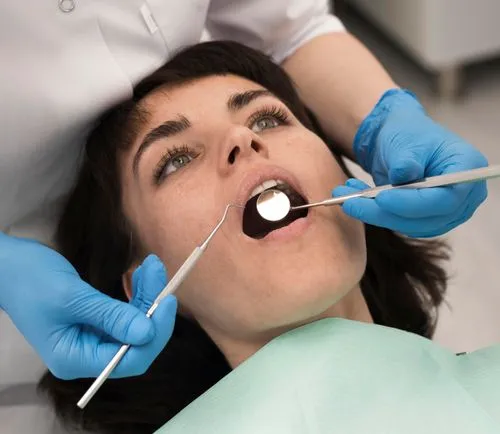
The first thing we’ll do is figure out exactly what’s going on. Since dental emergencies can have many causes, our team will perform a detailed exam to identify the root of the problem. This might involve a visual check and asking you questions about your symptoms and how the injury occurred. We need to understand the full picture before we can create the right treatment plan. Our priority is to assess the situation quickly so we can provide the most effective dental services for your specific needs.
Treating Pain and Infection
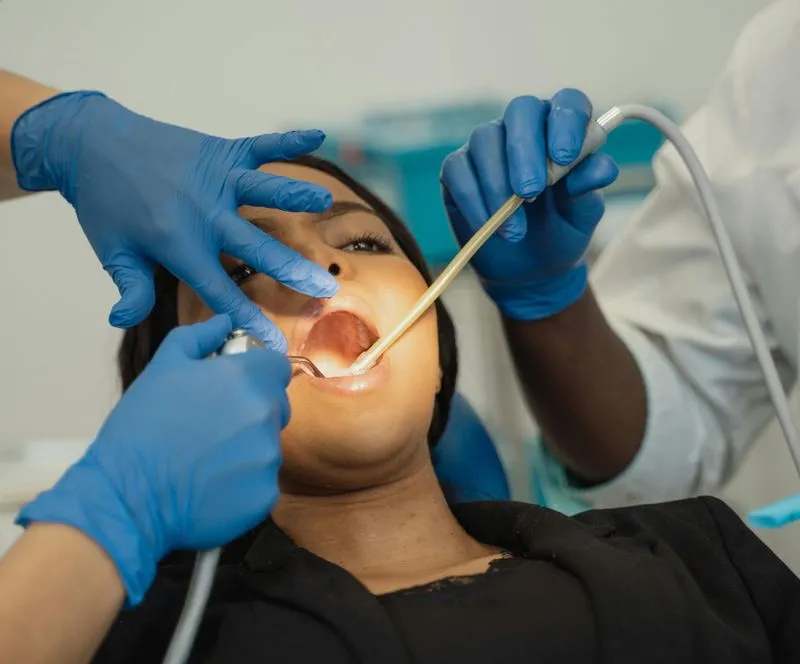
We know you’re likely in pain, and our immediate goal is to make you comfortable. We’ll address any severe pain or signs of infection right away. Depending on your situation, this could involve a local anesthetic to numb the area or prescribing medication to manage swelling or infection. Because emergency visits can be stressful, we also offer sedation dentistry options to help you relax. Your comfort is a top priority, and we’ll discuss the best approach to ensure your visit is as stress-free as possible.
Repairing and Restoring Your Tooth
Once you’re comfortable and we have a clear diagnosis, we’ll move on to treatment. The goal of emergency care is to address the immediate issue to prevent it from becoming more serious. This could mean placing a temporary filling, reattaching a crown, or starting the first steps of a root canal. For more complex issues, we’ll stabilize the tooth and schedule a follow-up. We focus on effective restorative dentistry to get your smile back to its healthy state.
Diagnostics and Trauma Care
To get a complete view of the issue, especially for problems below the gumline, we may need to take digital X-rays. These images help us diagnose the problem with precision. After treatment, we won’t just send you on your way. We’ll make sure you leave with a clear plan for recovery, including any necessary prescriptions and instructions for at-home care. We’ll also help you book an appointment for any follow-up care to ensure you heal properly and completely.
How to Prepare for Your Emergency Appointment
A dental emergency is stressful enough without scrambling for paperwork at the last minute. Taking a few moments to gather what you need can make a huge difference. When you arrive prepared, our team can get you checked in and seen by a dentist much faster, which means we can address your pain and start treatment sooner. Think of it as a small step that makes a big impact on your visit.
Having your information ready helps us understand your situation fully and provide the safest, most effective care possible. It allows you to focus on what matters most: feeling better. Before you head out the door, run through this quick checklist to ensure you have everything you need for a smooth and efficient appointment. We want to make your visit as calm and comfortable as possible, and a little preparation goes a long way. If you know you need to come in, you can book an appointment online to let us know you're on your way.
What to Bring: Insurance and Paperwork
Make sure to grab your dental insurance card before you leave the house. Having this information ready helps our front desk team handle the administrative side of your visit quickly and accurately. This way, we can verify your coverage and give you a clear idea of any out-of-pocket costs. If you don't have traditional insurance, don't worry. We offer a Loyalty Discount Plan to make dental care more affordable for our patients. Bringing any relevant paperwork with you ensures we can focus entirely on your dental needs as soon as you arrive.
Your Medical History and Medications
Your overall health is directly connected to your dental health, so it’s important for us to have the full picture. Before your appointment, jot down a list of any medications you’re currently taking, including dosages. Also, be ready to share any known allergies or existing medical conditions, like heart problems or diabetes. This information helps our dental team choose the safest treatment options for you, especially if sedation or a prescription is necessary. Our experienced dentists use this information to provide personalized and safe care tailored to your specific health needs.
Your ID and Payment Information
To complete your check-in, you’ll need a valid form of identification, such as a driver’s license or state ID card. You should also bring your preferred method of payment. We accept most major credit cards, and having your information on hand will make the checkout process simple and quick. For added convenience, you can also pay online through our secure portal. Taking care of these details ahead of time means one less thing to think about, allowing you to concentrate on your recovery after your appointment.
How to Describe Your Symptoms
The more clearly you can describe what you’re feeling, the faster our dentists can diagnose the problem. Before you arrive, think about the specifics of your dental issue. When did the pain start? Is it a sharp, throbbing, or dull ache? Does anything, like hot or cold temperatures, make it feel better or worse? Pinpointing the exact location of the pain is also incredibly helpful. Giving us these details allows our team to efficiently determine the cause of your emergency and recommend the right dental services to get you out of pain.
Understanding the Cost of Emergency Dental Care
When you’re dealing with a dental emergency, the last thing you want to worry about is the bill. Thinking about cost is completely normal, and knowing what to expect can help you focus on what’s most important: getting the care you need. The price of emergency treatment depends on what’s wrong and what kind of procedure is required to fix it. While every situation is unique, we can walk through some general costs and payment options so you feel more prepared.
At Smile Makers, we believe in being transparent about pricing. Our team is always here to discuss costs and work with you to find a solution that fits your budget. Your health is the priority, and we’re committed to making sure you can get treated without financial stress. We’ll help you understand your options, from insurance coverage to our in-house plans, so you can make the best decision for your smile and your wallet.
Average Costs for Common Emergencies
It’s helpful to have a general idea of what emergency dental care might cost. A basic emergency exam with X-rays can often run between $150 and $300. If you need a more complex procedure, the costs will naturally be higher. For example, an emergency tooth extraction can range from around $100 for a simple pull to over $1,000 for a more complicated surgical extraction. A root canal, which saves an infected tooth, typically falls between $700 and $1,500. These are just ballpark figures, and the final cost will depend on your specific dental needs and the treatment plan we create for you.
Insurance and Payment Options
Having dental insurance can definitely help reduce your out-of-pocket expenses for emergency care. Most insurance plans provide at least partial coverage for emergency procedures, but the exact amount varies from plan to plan. We recommend calling your provider to understand your benefits before your visit, if possible. Don’t have insurance? That’s okay. You don’t need it to receive emergency treatment. We accept a variety of payment methods and are happy to discuss all of our dental services and their associated costs with you upfront, ensuring there are no surprises.
Our Financing and Discount Plans
We are committed to making dental care affordable for everyone in our community. If you don’t have insurance or are concerned about covering the cost of your treatment, we have options for you. Our in-house Loyalty Discount Plan is a fantastic alternative to traditional insurance, offering significant savings on a wide range of procedures for a low annual fee. We also provide flexible financing options to help you spread the cost of your care over time. Our goal is to remove financial barriers so you can get the urgent attention you need without delay.
Common Myths About Emergency Dental Care
When you're dealing with a dental crisis, the last thing you need is misinformation. Unfortunately, there are a lot of myths floating around about emergency dental care that can cause people to hesitate when they need help the most. Let's clear up some of the most common misconceptions so you can feel confident seeking the care you need, right when you need it.
Myths About Cost and Availability
One of the biggest barriers to seeking emergency care is the fear of a huge, unexpected bill. Many people also assume that help is only available at inconvenient times. The truth is that getting immediate care is often more accessible and affordable than you might think. Delaying treatment can lead to more complex and costly procedures down the road. We offer a Loyalty Discount Plan to help make dental care more manageable for our patients.
Another common belief is that emergency dental services are only for nights and weekends. While we are here for after-hours crises, a dental emergency is defined by the urgency of your situation, not the time on the clock. If you experience a dental injury or severe pain during regular business hours, you should contact a dentist immediately.
Do I Really Need an Emergency Dentist?
It’s easy to downplay a dental issue, especially if you’re trying to avoid a trip to the dentist. Some people think that only unbearable pain counts as a true emergency. While severe pain is definitely a reason to call us, other signs like persistent bleeding, swelling in your face or gums, or a knocked-out tooth are also urgent. Ignoring these symptoms can allow a small problem to become a serious one.
Similarly, many people treat a chipped or broken tooth as a simple cosmetic inconvenience. But a fracture can expose the sensitive inner layers of your tooth to bacteria, leading to infection and further damage. Getting it treated quickly not only saves your smile but also protects your overall oral health. Our restorative dental services are designed to repair damage and prevent future complications.
Myths About Quality of Care
There's a lingering myth that the quality of care at an emergency dental visit is somehow less than what you'd receive during a scheduled appointment. This couldn't be further from the truth. Emergency dental care is provided by the same highly trained professionals you see for regular checkups. Our team is equipped to handle urgent situations with the same level of skill and compassion you'd expect at any visit.
Think of an emergency dentist as a specialist in immediate dental problems. They are fully qualified dentists who focus on providing fast relief and addressing the root cause of your issue to prevent it from getting worse. You can learn more about the qualifications and experience of our dental team on our website. You are always in capable hands at Smile Makers Dental Center, no matter when you need us.
When to Go to the ER Instead
While our team is equipped to handle most urgent dental problems, some situations are true medical emergencies that require a hospital. An emergency room is prepared for life-threatening conditions that go beyond the scope of a dental office. Knowing the difference can save you valuable time and ensure you get the right level of care. If you experience a severe injury or symptoms that affect your breathing or overall health, your first stop should be the nearest hospital. Once your medical condition is stable, we can coordinate with the hospital to handle any necessary dental repairs.
When a Dental Problem Is Life-Threatening
Certain symptoms signal a problem that needs immediate medical intervention. If you have heavy, uncontrolled bleeding from your mouth that doesn't stop with pressure, head straight to the ER. This could point to a more serious issue that a dental office isn't equipped to treat. Another critical sign is swelling from an infection that has spread to your face or neck, making it difficult to breathe or swallow. A dental abscess accompanied by a high fever and severe fatigue also warrants a trip to the hospital, as it could indicate a spreading infection.
Severe Facial Injuries or Trauma
If your dental injury is part of a larger trauma, the hospital is the right place to go. This includes situations involving a car accident, a serious fall, or a sports injury that resulted in a dislocated or broken jaw, deep cuts to your face and mouth, or a potential concussion. The ER staff can assess you for head injuries and other serious issues first. While we have oral surgery specialists who can address complex dental damage, stabilizing your overall medical condition is the top priority in these cases.
Signs You Need to Go to the Hospital
It can be hard to know what to do when you're in pain. As a general rule, if your dental issue is accompanied by other alarming symptoms, it’s best to choose the ER. This includes severe, unrelenting pain that isn't managed by over-the-counter medication, especially if it comes with a high fever or significant swelling. If you are ever unsure about the severity of your situation, it's always better to be cautious. You can always call one of our local offices for guidance, but if you suspect a life-threatening issue, don't hesitate to go to the hospital.
How to Prevent Future Dental Emergencies
The best way to handle a dental emergency is to prevent it from happening in the first place. While you can’t plan for every accident, you can build a strong defense against common dental problems that often escalate into urgent situations. Taking a proactive approach to your oral health not only saves you from potential pain and stress but also helps protect your wallet. By combining consistent professional care with smart daily habits, you can significantly lower your risk of facing an unexpected dental crisis. It all starts with a few simple, preventative steps.
The Importance of Regular Checkups
Think of regular dental checkups as your first line of defense. These appointments are about much more than just cleaning your teeth; they are essential for prevention. During a routine visit, your dentist carefully examines your mouth for the earliest signs of trouble, like tiny cavities, gum inflammation, or worn-down fillings. Catching these issues early allows for simple, conservative treatment before they can develop into painful abscesses or broken teeth. Sticking to a consistent schedule for your dental services is one of the most effective ways to maintain a healthy, problem-free smile and avoid a last-minute emergency call.
Protect Your Teeth and Gums
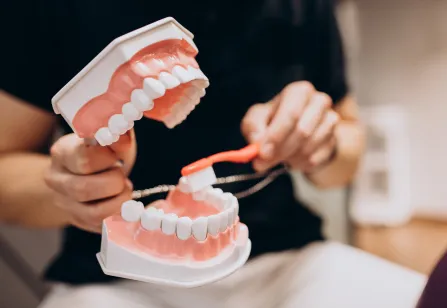
Your daily habits play a huge role in keeping your teeth safe and strong. It’s important to remember that while your teeth are durable, they aren’t tools. Avoid using them to open packages, chew on ice, or bite down on hard objects like pens, as these actions can easily lead to chips and cracks. If you or your children play sports, wearing a custom-fitted mouthguard is a must to protect against impact injuries. Similarly, if you grind your teeth at night, a condition known as bruxism, a special nightguard can prevent wear and fractures. Taking these protective measures can spare you a lot of pain and an unplanned trip to the dentist.
Know the Early Warning Signs
Your body often gives you signals when something isn't right, and your oral health is no exception. Learning to recognize the early warning signs of a dental problem can help you address it before it becomes an emergency. Don't ignore persistent toothaches, even if they seem mild, as they can indicate an underlying infection. Other red flags include swollen or bleeding gums, a loose crown or filling, or sudden sensitivity to hot and cold. If you notice any of these symptoms, it’s best to book an appointment right away. Addressing the issue promptly is always better than waiting until the pain becomes severe.
Related Articles
- Knocked-Out Tooth Emergency Care – Immediate Dental Help
- Emergency Dentistry Virginia - Smile Makers Dental Center
- Dental Trauma Surgery & Emergency Care Services Near You
- Dental Abscess Treatment – Fast Relief for Tooth Infections
- Toothache Treatment & Relief – Fast Pain Solutions
Frequently Asked Questions
How do I know if my toothache is a real emergency or if I can wait? A good rule of thumb is to pay attention to the severity and persistence of the pain. If the toothache is severe, throbbing, and doesn't go away with over-the-counter pain relievers, it's a sign you need to be seen quickly. You should also seek immediate care if your pain is accompanied by swelling in your face or gums, a fever, or a pimple-like bump on your gums, as these are signs of a serious infection.
My child fell and chipped a tooth, but also cut their lip. Should we go to the ER or your office? This is a great question because it can be confusing. If the cut on the lip is deep and bleeding uncontrollably, or if you suspect a concussion or jaw fracture from the fall, your first stop should be the emergency room. The hospital can manage severe bleeding and assess for other serious injuries. Once your child is medically stable, you can call us to handle the chipped tooth and any other dental damage.
What if I don't have dental insurance? Can I still get emergency care? Absolutely. Your oral health is our priority, and we will never turn you away in an emergency because you don't have insurance. We believe everyone deserves access to quality dental care, which is why we offer an in-house Loyalty Discount Plan. This plan provides significant savings on a variety of treatments for a low annual fee, making it a great alternative to traditional insurance.
I lost a crown, but it doesn't hurt. Can I just wait until my next checkup? Even if you aren't feeling any pain, it's important to address a lost crown right away. The crown was placed to protect a vulnerable tooth, and without it, that tooth is exposed to bacteria and at a much higher risk of fracturing or developing decay. Waiting can lead to a more complex and expensive problem down the road, so it's best to call us for an appointment as soon as possible.
I seem to have dental issues often. What's the best way to avoid another emergency? Preventing emergencies starts with consistency. The most effective way to stay ahead of problems is by scheduling regular dental checkups and cleanings. During these visits, we can spot and treat small issues, like a worn-out filling or early gum disease, before they become painful emergencies. Combining professional care with good daily habits, like wearing a mouthguard for sports, is the best strategy for keeping your smile healthy and avoiding unplanned visits.