



The most obvious difference when comparing clear aligners vs braces is how they look. One is made of transparent plastic, and the other uses metal brackets and wires. But your decision shouldn't stop there. The best choice for your smile involves much more than aesthetics. We need to talk about effectiveness for complex cases, the day-to-day impact on your eating habits, what your oral hygiene routine will look like, and the overall treatment timeline. This article goes beyond the surface to give you a complete picture, weighing the pros and cons of each option so you can understand the practical trade-offs and make a decision based on what truly matters for your health and lifestyle.
Key Takeaways
- Your dental needs determine the best option: Clear aligners are a great solution for mild to moderate alignment issues, while traditional braces offer the precise control needed to correct more complex bite problems and severe crowding.
- Your lifestyle is a deciding factor: Aligners offer flexibility since you can remove them for meals, but they require the discipline to wear them 20-22 hours a day. Braces work continuously without you having to think about it, but they require adjustments to your diet and cleaning habits.
- A professional consultation is the essential next step: Reading articles is a great start, but only a dental professional can assess your unique smile, discuss your goals, and recommend the most effective treatment plan to get you there.
Clear Aligners vs. Braces: How Do They Work?
Deciding to straighten your teeth is a big step, and understanding your options is the first part of the process. Both clear aligners and traditional braces work by applying gentle, consistent pressure to your teeth over time, gradually shifting them into their ideal positions. While the goal is the same—a healthier, more confident smile—the way they achieve it is quite different. Let's break down the mechanics of each method so you can get a clearer picture of what to expect on your journey to a straighter smile.
The Clear Aligner Method
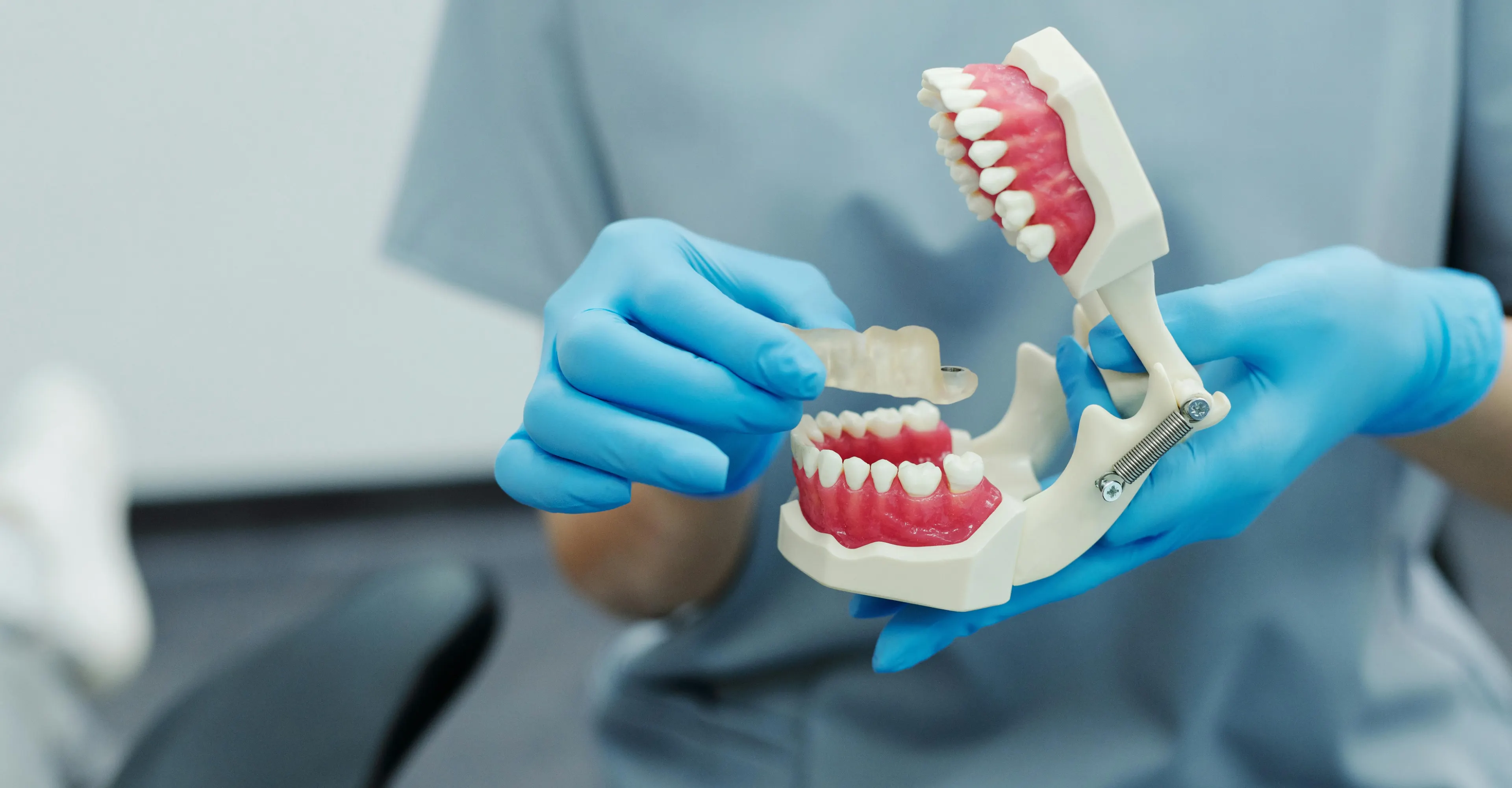
Clear aligners are a modern approach to teeth straightening. This method uses a series of custom-made, transparent plastic trays that fit snugly over your teeth. You’ll wear each set for about one to two weeks before switching to the next one in the series, with each new tray moving your teeth a little closer to the final goal. The treatment plan is mapped out from the start using precise 3D scans of your mouth. One of the biggest draws is that these aligners are nearly invisible and can be removed for eating, drinking, brushing, and flossing. They're a popular choice for correcting mild to moderate alignment issues without the look of metal.
The Traditional Braces Approach
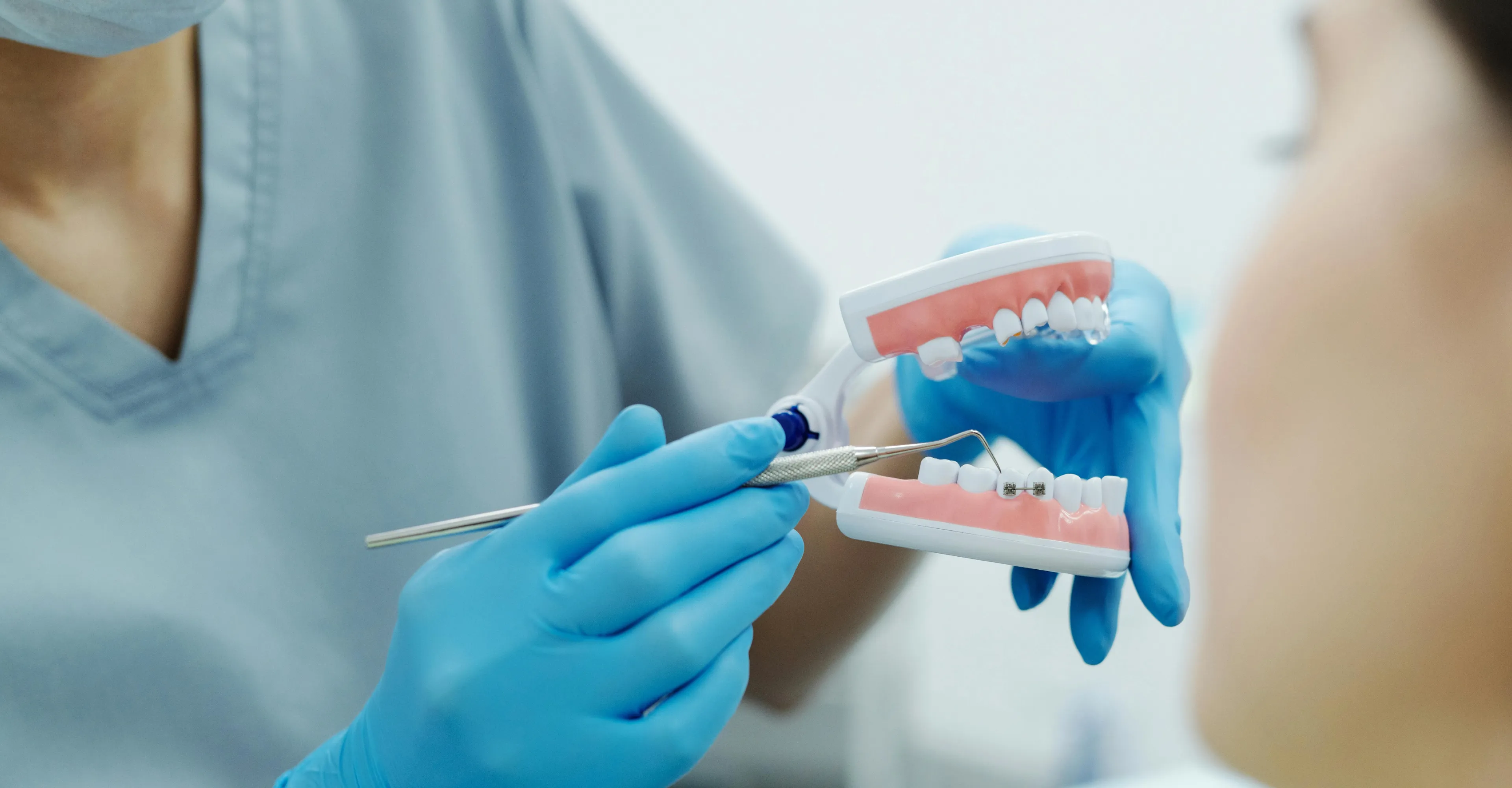
Traditional braces are a time-tested and highly effective orthodontic treatment. This system uses small metal or ceramic brackets that are bonded directly to each tooth. A thin wire, called an archwire, connects the brackets and applies the gentle pressure needed to guide your teeth into alignment. During your appointments, your orthodontist will adjust or replace this wire to continue the straightening process. Because they are fixed in place, braces work around the clock to correct your smile. They are incredibly versatile and can tackle everything from minor crowding to more complex bite and alignment problems, making them a reliable solution for a wide range of orthodontic needs.
Comparing Your Daily Experience: Aligners vs. Braces
Choosing between aligners and braces isn't just about the final result—it's also about how the treatment fits into your everyday life. The right option for you will depend on your personal preferences, daily habits, and what you're most comfortable with. Let's break down what you can expect day-to-day with each treatment, from how they look and feel to how they impact your routine. Understanding these differences will help you make a confident choice for your smile.
How They Look
One of the biggest draws of clear aligners is their subtle appearance. Made from a transparent, medical-grade plastic, they are designed to be virtually invisible. Most people won't even notice you're wearing them, which is a huge plus for many adults and teens who feel self-conscious about orthodontic work.
Traditional braces, on the other hand, are more noticeable. They consist of metal brackets attached to each tooth, connected by a wire. While they are more visible, modern braces have evolved. You can often opt for ceramic brackets that are tooth-colored, making them less prominent. Many patients, especially younger ones, also have fun customizing their look with different colored rubber bands at each appointment.
How They Feel
When it comes to comfort, many people find clear aligners have an edge. The trays are made of smooth plastic, so they don't typically irritate the inside of your cheeks and lips. You might feel some pressure or mild soreness for a day or two each time you switch to a new set of aligners, but this is usually manageable and a sign that your teeth are moving as planned.
With traditional braces, the metal brackets and wires can sometimes rub against the soft tissues in your mouth, causing sores. Orthodontic wax can help with this, but it's an adjustment. You'll also experience some soreness after your orthodontist tightens your braces during adjustment appointments. Both treatments involve a period of getting used to the new pressure on your teeth.
How They Fit Your Lifestyle
This is where the two options really differ. Because clear aligners are removable, they offer incredible flexibility. You take them out to eat and drink anything other than water, so there are no food restrictions. You can continue enjoying all your favorite foods, from popcorn to apples. Brushing and flossing are also much simpler since you can follow your normal routine. The trade-off? You must be disciplined enough to wear your aligners for the recommended 20 to 22 hours a day.
Braces are a fixed appliance, which means they do the work for you 24/7. This can be great if you're worried about losing your aligners or forgetting to wear them. However, you'll need to adjust your diet to avoid hard, sticky, or chewy foods that could damage the brackets or wires. You'll also need to learn new techniques for brushing and flossing around your braces to keep your teeth and gums healthy.
The Pros and Cons of Each Option
Deciding between clear aligners and traditional braces comes down to understanding the trade-offs. Each option has unique benefits and drawbacks that can influence your daily life, comfort, and treatment outcome. Thinking through these points will help you and your dentist make the best choice for your specific needs and lifestyle. It’s not just about aesthetics; it’s about finding a solution that fits seamlessly into your routine while effectively moving you toward your goal of a healthier, straighter smile.
Let's break down what you can expect from each treatment so you can feel confident in your decision.
Clear Aligner Pros and Cons
The biggest advantage of clear aligners is their subtle appearance. They are nearly invisible, which is a huge plus for adults and teens who feel self-conscious about wearing braces. You can also remove them for meals and special occasions, making it much easier to eat what you want and keep your teeth clean. While you might feel some soreness when you switch to a new set of trays, they don't have sharp wires that can irritate your mouth. The main challenge is discipline—you must wear them for 20 to 22 hours a day. If you don't, your treatment will take longer. They are most effective for mild to moderate spacing or crowding issues.
Traditional Braces Pros and Cons
Traditional braces are the go-to solution for more complex dental issues. Because they are fixed to your teeth, they work around the clock to correct severe crowding, significant bite problems, or teeth that need substantial rotation. This means you don't have to remember to put them in, which can be a relief. While modern braces are smaller than they used to be, they are still visible. You can, however, personalize them with colored bands. You’ll need to avoid certain sticky or hard foods that could damage the brackets, and cleaning around them requires a bit more effort. You might experience some initial discomfort or irritation from the wires, but our orthodontics team is here to help you adjust comfortably.
Which Works Best for Your Smile?
Deciding between clear aligners and braces isn't just about aesthetics; it's about finding the right tool for the job. The best choice for you depends entirely on your unique dental needs and treatment goals. Think of it like this: you wouldn't use a hammer to turn a screw. Similarly, the effectiveness of aligners versus braces hinges on the specific type of correction your smile requires. While one person might be a perfect candidate for the subtlety of clear aligners, another might need the powerful, detailed adjustments that only traditional braces can provide.
Understanding the complexity of your case is the first and most important step. Are you looking to close a few small gaps, or do you need to address a more significant bite issue? Answering these questions is something you don't have to do alone. A thorough consultation with a dental professional is the only way to get a clear diagnosis and a personalized treatment plan. They can assess your teeth, jaw, and bite to recommend the most effective path forward. Ready to find out what your smile needs? You can book an appointment with our team to get a professional opinion.
For Mild to Moderate Alignment
If you're dealing with minor issues like slight crookedness or small gaps between your teeth, clear aligners are often an excellent solution. They are designed to handle mild to moderate tooth problems with precision and subtlety. Aligners are custom-made, clear plastic trays that fit snugly over your teeth, gently shifting them into place over time. Because they are removable and nearly invisible, they offer a convenient and discreet way to straighten your teeth without the look of metal wires and brackets. For many people, this modern approach is the perfect fit for achieving their smile goals.
For More Complex Cases
When it comes to more complicated orthodontic issues, traditional braces are typically the most effective choice. Braces are the best option for handling severe crowding, significant bite problems, or teeth that need to be rotated or moved vertically. Their system of brackets and wires gives your orthodontist precise control to apply the steady, strong force needed for major adjustments. While clear aligners have come a long way, braces remain the gold standard for treating a wide range of complex dental problems, ensuring even the most challenging cases can be corrected successfully. Our team of specialists can determine if your situation requires this level of treatment.
For Correcting Your Bite
Correcting your bite is about more than just straight teeth—it’s about ensuring your upper and lower jaws align properly for a healthy, functional smile. For issues like overbites, underbites, or crossbites, braces often deliver a more ideal result. Because they are fixed directly to your teeth, they have more power to make the detailed adjustments needed to perfect your bite. This constant, gentle pressure is highly effective for achieving the specific tooth movements required for complex bite correction. Discussing your bite is a key part of exploring our comprehensive dental services and creating a treatment plan that works for you.
Choosing Based on Your Age and Lifestyle
The best orthodontic treatment isn't just about straightening teeth—it's about finding a solution that fits seamlessly into your life. Your age, daily habits, and even your personality can influence whether clear aligners or traditional braces are the right choice for you or your child. A busy professional will have different priorities than a high school athlete, and what works for one family might not work for another.
Thinking through your daily routine is a critical step. Are you disciplined enough to wear and care for removable aligners, or would a fixed option like braces be easier to manage? How important are aesthetics to you at work or school? Answering these questions honestly will help you and your dentist make a decision that leads to a beautiful smile without adding unnecessary stress to your life. At Smile Makers Dental Center, we consider all these factors to recommend a treatment plan that aligns with your personal needs and goals, ensuring your journey to a straighter smile is as smooth as possible.
What Teens Need to Know
For teenagers, orthodontic treatment needs to be effective without getting in the way of school, sports, and a busy social life. Clear aligners designed for teens often come with helpful features, like blue compliance dots that fade to show they're being worn for the recommended 20-22 hours a day. These special aligners also have space built in for permanent teeth that are still coming in.
Because life happens, many teen-focused aligner plans include a few free replacement trays in case one gets lost or broken. This flexibility makes them a great option for growing mouths and active lifestyles. Our team can help you explore all the orthodontic specialities available to find the perfect fit for your teen.
Considerations for Adults
Many adults choose clear aligners because they are discreet and fit easily into a professional and social lifestyle. Since they're nearly invisible, you can straighten your teeth without feeling self-conscious during meetings or social events. Aligners are particularly effective for common adult orthodontic issues, like mild crowding or teeth that have shifted over time, perhaps after having braces years ago.
However, it's important to remember that very complex cases involving significant bite correction or tooth movement might still be better suited for traditional braces. A consultation for cosmetic dentistry can help determine the most effective path to achieving your ideal smile.
Factoring in Your Family's Routine
When choosing a treatment for yourself or a family member, think about daily habits and responsibilities. If you or your child tends to be forgetful or frequently misplaces things, the fixed nature of traditional braces might be a better choice. There’s no risk of losing them, and you don’t have to remember to put them back in after meals.
Braces are often a more straightforward option for younger patients who may not have the discipline to wear removable aligners consistently. They can also be a more budget-friendly choice for families with complex bite problems or severe alignment issues. Our approach to family dentistry involves finding practical solutions that work for everyone’s routine.
Breaking Down the Cost: Aligners vs. Braces
Let’s talk about one of the biggest factors in any dental decision: the cost. When you’re choosing between clear aligners and traditional braces, the price tag is often front and center. Understanding the full financial picture—from the initial payment to long-term expenses—helps you make a choice that fits your budget without compromising on your smile.
The final cost of your orthodontic treatment depends on several things, including the complexity of your case and how long your treatment will take. While one option might seem more expensive at first glance, it’s important to look at the complete picture. We’ll walk through the initial investment, how insurance and payment plans can help, and what to consider for the best long-term value. This way, you can feel confident you’re making a smart financial decision for your dental health.
The Initial Investment
When you first look at the numbers, you’ll notice a difference between the two options. Generally, traditional metal braces range from $3,000 to $7,000. Clear aligners often have a slightly higher price point, typically falling between $4,000 and $7,400. This difference is often due to the lab fees associated with creating your custom series of aligner trays. While the upfront cost is a key piece of the puzzle, it’s just the starting point. Your specific treatment plan will determine the exact cost, so a personal consultation is the best way to get an accurate quote for your smile.
Insurance and Payment Options
Before you commit to a treatment, the first step is to check your dental insurance policy. Many plans cover a portion of orthodontic work, but the coverage might differ for braces versus aligners. We can help you figure out what your plan includes. Beyond insurance, think about other potential costs, like replacing a lost aligner or buying special cleaning supplies. At Smile Makers, we believe quality dental care should be accessible, which is why we offer a Loyalty Discount Plan and flexible payment options to help manage the expense and make your ideal smile a reality.
Long-Term Value
The best choice isn’t always about the lowest price—it’s about the best value for your specific needs. The goal is a healthy, straight smile that lasts a lifetime. For some, the durability and power of traditional braces offer the best long-term solution, especially for complex dental issues. For others, the convenience and flexibility of clear aligners provide the value they’re looking for. The right option is the one that effectively achieves your treatment goals and fits your lifestyle. The best way to determine this is to book an appointment so we can assess your smile and discuss what makes the most sense for you.
What's the Treatment Process Like?
Understanding the timeline is a huge part of choosing the right path for your smile. While every case is unique, there are some general timelines you can expect for both clear aligners and traditional braces. The journey to straight teeth is a marathon, not a sprint, and knowing what to expect can make the process feel much more manageable. Let's look at what the treatment process involves for each option.
The Aligner Treatment Timeline
With clear aligners, you’ll receive a series of custom-made, clear plastic trays. You'll wear each set for about one to two weeks before switching to the next one in the series, with each new tray gently shifting your teeth closer to their final position. For mild to moderate alignment issues, the entire process typically takes about 12 to 18 months. This method requires discipline since you're in charge of wearing them as prescribed, but many people find the gradual, steady progress incredibly rewarding.
The Braces Treatment Timeline
The journey with traditional braces involves a bit more hands-on help from your orthodontist. After the initial fitting, you’ll come in for check-ups and adjustments about once a month. During these visits, your orthodontist will tighten or adjust the wires to keep your teeth moving correctly. For most people, treatment with braces lasts between 18 and 24 months, though more complex cases can sometimes take longer. It’s a tried-and-true method that consistently delivers great results for a wide range of dental needs.
What Affects Your Treatment Time?
Ultimately, the length of your treatment depends on a few key things: the complexity of your dental issues, your treatment goals, and your lifestyle. The best choice is always the one that fits your specific needs. Both aligners and braces require you to maintain excellent oral hygiene and follow your orthodontist's instructions closely. Your commitment plays a big role in keeping your treatment on schedule. The best way to get a clear picture of your personal timeline is to book a consultation so we can assess your smile and discuss your goals.
Myths vs. Facts About Straightening Your Teeth
When you’re thinking about straightening your teeth, it’s easy to get overwhelmed by all the opinions out there. Friends, family, and the internet are full of stories about braces and clear aligners. But how much of it is true? Let's clear up a few common myths so you can feel confident about the facts. Understanding the real differences in effectiveness, comfort, and daily maintenance will help you and your dentist decide on the best path for your smile.
The Myth About Effectiveness
A common belief is that clear aligners just can't handle the tough jobs that traditional braces can. The truth is, it’s not about one being universally better, but which is the right tool for your specific dental needs. Clear aligners are highly effective for many people, especially those with mild-to-moderate alignment issues. For more complex cases, like severe bite problems or teeth that need significant rotation, traditional braces might be the recommended solution. The only way to know for sure what your smile needs is to have a conversation with a dental professional who can assess your teeth and goals.
The Myth About Comfort
Many people assume that any kind of teeth straightening is going to be a painful experience. While both methods work by applying gentle, consistent pressure to move your teeth, the day-to-day comfort level can be quite different. Because clear aligners are made from a smooth plastic, they are less likely to irritate the inside of your cheeks and lips. Metal braces, with their brackets and wires, can sometimes cause sores. You will likely feel some pressure or mild soreness for a day or two when you switch to a new set of aligners, but this is a sign they’re working and is typically very manageable.
The Myth About Food and Maintenance
There’s a myth that your diet and daily routine will be completely upended, no matter which option you choose. While you’ll need to make some adjustments, clear aligners offer a lot more freedom. You can eat and drink whatever you like simply by removing your trays. This also makes brushing and flossing much easier, since there are no wires or brackets to work around. With braces, you’ll need to avoid hard, sticky, or crunchy foods that could cause damage. Keeping your teeth clean also requires a bit more effort to make sure you get around all the hardware.
Frequently Asked Questions
Is one treatment option significantly faster than the other? While treatment time always depends on your specific needs, braces often have a slight edge for complex cases and can sometimes be quicker overall. Clear aligners typically take about 12 to 18 months for mild to moderate issues. The most important factor in your timeline, especially with aligners, is your own commitment. Wearing your aligners for the recommended 20-22 hours a day is essential to keeping your treatment on track.
What happens after my treatment is done? Will I need a retainer? Yes, no matter which path you choose, wearing a retainer is a crucial final step. After your teeth have been moved into their new positions, a retainer holds them in place while your bone and gums adjust. Without it, your teeth can gradually shift back toward their original spots. Think of it as protecting the investment you've made in your smile. We'll create a custom retainer for you and explain exactly how and when to wear it.
Which is a better choice if I play sports or a wind instrument? This is a great question that really highlights the lifestyle differences. If you play contact sports, clear aligners can be a better option because you can remove them and wear a protective mouthguard. With braces, there's a risk of injuring your mouth if you get hit. For musicians who play wind instruments, aligners also offer more flexibility since you can take them out to practice or perform, avoiding any interference with your embouchure.
Can I switch from braces to aligners partway through my treatment? In some situations, it is possible to transition from braces to clear aligners, but it isn't always a straightforward switch. This usually happens when the most complex tooth movements have been completed with braces, and aligners are used to refine the final positioning. This decision depends entirely on your individual progress and treatment plan, so it's a conversation you would need to have with your orthodontist.
How do I know which option is truly the best for my specific situation? While this guide gives you a great starting point, the only way to know for sure is to have a professional consultation. During your appointment, we'll take a close look at your teeth, bite, and jaw alignment. We’ll discuss your lifestyle, your goals, and your budget to create a personalized recommendation that makes the most sense for you.