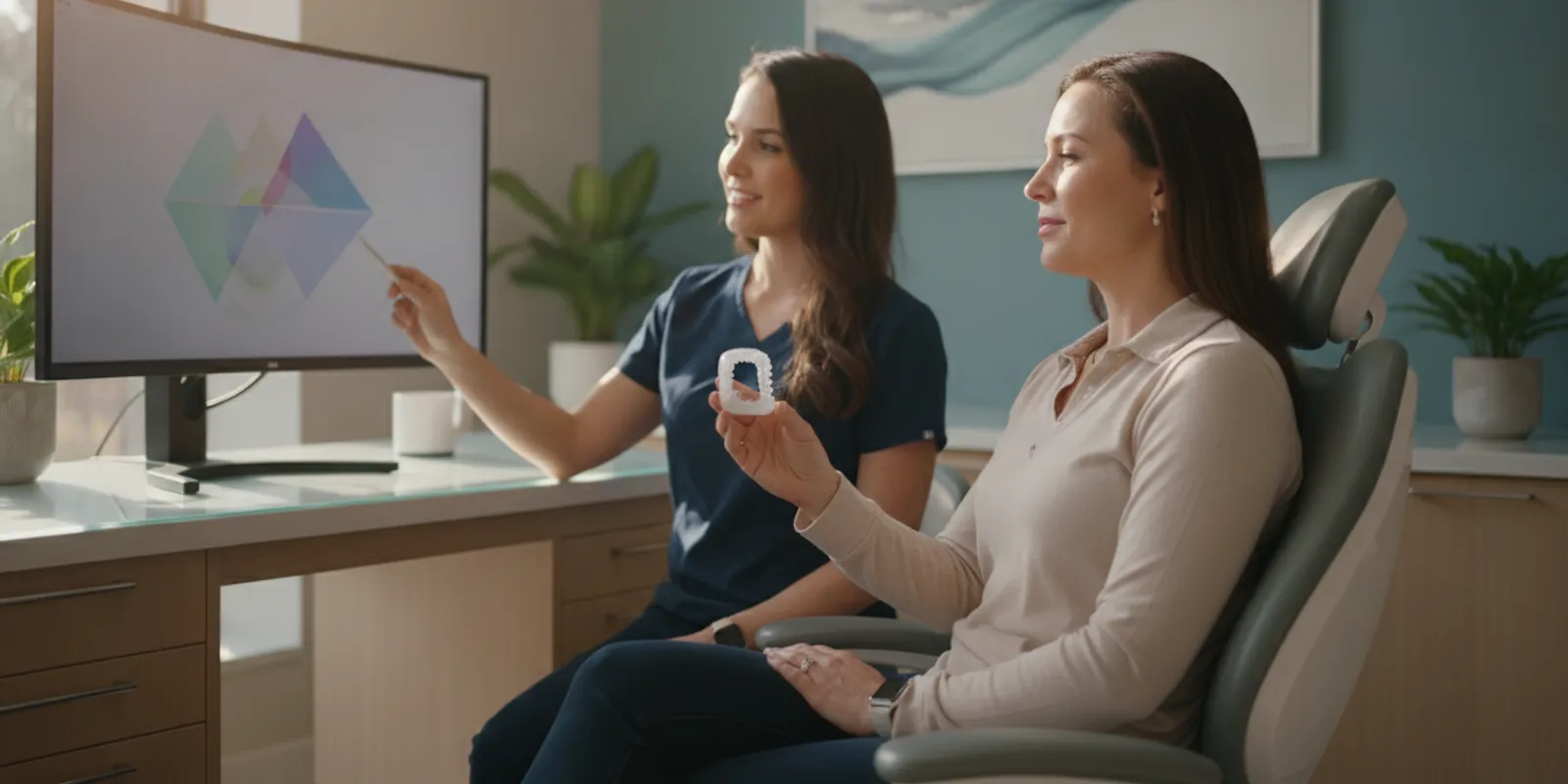






IV sedation vs oral sedation is a comparison of two ways a dental team may help a patient feel more comfortable during care. IV medication is delivered through a vein; oral medication is swallowed. The best choice depends on the planned treatment, health history, comfort needs, and the provider’s evaluation—not on a simple ranking of one method over the other.
What is the difference between IV sedation and oral sedation?
The clearest difference is the route of administration. With IV sedation, medication is delivered through a vein by the care team. With oral sedation, the patient takes medication by mouth according to the provider’s instructions. The route affects preparation and how the team manages the plan, but it does not by itself tell you exactly how sleepy or aware you will feel.
Sedation can involve different levels of awareness. It is not automatically the same as general anesthesia, and patients should not assume that sedation means being fully asleep or feeling nothing. Ask what level is planned, what you may notice during treatment, and how the team will monitor you. The Cleveland Clinic’s overview of sedation dentistry describes general preparation and recovery considerations, including avoiding driving for 24 hours; follow the instructions specific to your own care.
Smile Makers also provides information about sedation dentistry options. That overview can help you prepare for a conversation, but an online page cannot determine which medication or approach is appropriate for an individual patient.
How do the two options compare?
This table is a starting point for questions, not a personalized recommendation. Details vary according to the medication, procedure, health history, and provider’s protocol.
| Consideration | IV sedation | Oral sedation |
|---|---|---|
| How it is given | Medication is administered through a vein. | Medication is swallowed as directed. |
| Timing | The team administers it during the visit and monitors the planned care. | Timing depends on the medication and instructions provided in advance. |
| Adjustment during care | Ask how the provider manages the plan and what monitoring is used. | Once swallowed, the patient cannot change the dose independently; follow the prescription exactly. |
| Preparation | Confirm eating and drinking instructions, arrival time, escort, and transportation. | Confirm when to take it, whether to fast, and who must accompany you. |
| Recovery | Follow the provider’s written restrictions and arrange a ride if directed. | Follow the same care-specific approach to transportation and activity restrictions. |
| Key discussion | Health, medications, procedure, monitoring, provider qualifications, and recovery. | Health, medications, dose timing, procedure, supervision, and recovery. |
Neither column should be read as a promise about how you will feel. The exact medication and dose, individual response, and planned procedure all matter. If you are comparing options because you have heard that one is “stronger,” ask the clinician to explain what level of sedation is intended and why it fits your situation.
What can influence the recommendation?
There is no single option that works best for every patient. A qualified dental professional can review the whole picture and explain what is appropriate to discuss. Before a consultation, consider writing down the following details:
- Health history: Share chronic conditions, allergies, breathing or heart concerns, and any previous reaction to sedation or anesthesia. Include recent changes, even if they seem unrelated to your teeth.
- Medicines and supplements: List prescription medicines, nonprescription products, vitamins, and other substances you use. Do not stop or change a prescribed medicine unless the clinician responsible for it advises you to.
- The planned dental care: Explain what treatment is being considered and ask how its expected length and complexity affect the discussion. Your dentist can also review other comfort approaches that may be relevant.
- Your experience and concerns: Tell the team if you feel anxious, have trouble sitting comfortably, or had a difficult prior visit. You can read practical ways to feel more comfortable at the dentist and bring specific concerns to your appointment.
- Monitoring and supervision: Ask who will administer and monitor the medication, what monitoring is planned, and what emergency procedures are available. It is reasonable to ask about the clinician’s training and qualifications for the planned level of sedation.
- Home and travel arrangements: Consider who can drive, whether an adult needs to stay with you, and whether you will have support for ordinary tasks afterward.
These details help the provider assess the options and give instructions that fit your visit. Do not select a method solely because it worked for a relative or because a general description online sounds appealing. If your health or medication list changes between the consultation and treatment, contact the dental team before the appointment rather than waiting until you arrive.
For context, you may also review the practice’s patient information and forms and its dentist team information. Bring questions to the clinician who will plan your care; general practice information cannot replace an individualized discussion.
What should you expect before and during the visit?
Preparation starts with clear instructions. Your dental team should review your health information, discuss the proposed approach and alternatives, explain relevant risks, and tell you how to prepare. Before leaving the consultation, repeat back any timing or fasting directions if you are unsure. Ask whom to contact if you become ill or your health changes before treatment.
Before the appointment
- Confirm the medication plan and, if an oral medication is prescribed, the exact time and way to take it. Never take an extra dose because you feel nervous or think the first dose is not working.
- Follow the eating and drinking instructions supplied for your appointment. Do not apply instructions from another procedure or another person’s experience.
- Arrange a ride and any required escort in advance. Do not assume that a taxi or rideshare alone meets the practice’s supervision requirements.
- Bring an accurate list of medicines and supplements, and report recent illness, new prescriptions, or other changes in health.
- Ask what to wear, how long the visit may take, and what support you might need at home. Make plans for work, school, caregiving, and other responsibilities.
During treatment, the team should follow the agreed plan and monitor you as appropriate. Tell the team if you feel unwell or have a concern. If something is unclear, ask before care begins. You may also ask what communication to expect during the appointment and how the team will respond if your comfort needs change.
For a broader explanation of a related approach, read what to expect with twilight sedation. The term and experience can vary by provider, so use the article to develop questions rather than infer that it describes your own planned care.
How should you plan for recovery?
Recovery arrangements matter with either route of administration. Sedating medication can affect alertness, coordination, judgment, and memory. The duration and intensity differ among people and plans, so a general estimate should not be treated as permission to resume normal activities. Follow the instructions from your dental team, even if you feel more alert than expected.
Before the appointment, ask for written guidance on:
- Who must drive you home and whether a responsible adult must remain with you.
- When you may eat, drink, take regular medicines, and return to usual routines.
- How long to avoid driving, operating equipment, making important decisions, or caring for another person alone.
- Which symptoms are expected, which should prompt a call, and which require urgent medical attention.
- How to reach the practice after hours if a concern arises.
Do not combine sedating medication with alcohol, recreational drugs, or other medicines unless your clinician specifically confirms what is safe. Do not take additional medication on your own. If you cannot arrange the required ride or supervision, tell the practice before the visit so the team can advise you; do not improvise at the last minute.
Recovery planning is also practical. Put the written instructions somewhere easy to find, charge your phone, and make sure the person helping you knows whom to call with questions. If you are responsible for children or another person, arrange backup care rather than assuming you will be ready to resume those duties immediately.
How can you compare options in a consultation?
A useful appointment should leave you understanding the plan, not feeling pressured to choose from a label. You can use this short process to make the discussion concrete:
- Describe the concern. Explain whether anxiety, a previous experience, treatment length, or another issue is driving your question. The reason can help your clinician focus on what matters to you.
- Ask for the proposed level and method. Ask what medication route is being considered, what degree of awareness is expected, and why it is being discussed for your treatment.
- Review personal factors. Go through health conditions, medicines, allergies, prior sedation experiences, and any recent changes. Ask whether further information or coordination with another clinician is needed.
- Check the practical requirements. Confirm arrival time, food and drink directions, transportation, escort, and the likely recovery restrictions. Identify any requirement you cannot meet.
- Compare alternatives and next steps. Ask what other comfort options may be suitable, what the risks and benefits are in your circumstances, and whether you need another appointment to decide.
For example, a patient worried about an upcoming visit may first assume oral medication is simpler. The consultation may show that timing, other medicines, the procedure, or the need for monitoring changes the discussion. Another patient may expect IV sedation to mean being fully asleep; asking about awareness can correct that assumption. In both cases, the next step is a provider-led evaluation, not a choice based on the label alone.
To review care options before your discussion, see the practice’s dental services overview and the dedicated sedation dentistry page. These resources can help you identify questions, but only the treating professional can assess your individual circumstances.
What questions should you ask your dentist?
Bring a written list so you do not have to remember everything during the conversation. Questions can include:
- Which sedation options, if any, are appropriate for my planned care, and what factors lead you to that view?
- What level of awareness should I expect? Is sedation distinct from general anesthesia in this plan?
- Who will administer the medication and monitor me, and what monitoring will be used?
- What risks, alternatives, and limitations should I understand in light of my health history?
- Do my medicines, supplements, allergies, or prior reactions change the plan?
- What should I do if I feel sick or my health changes before the visit?
- What are the exact preparation, escort, transportation, and recovery instructions?
- When might I return to driving, work, school, and regular activities?
- What should prompt a call after I leave, and whom should I contact after hours?
Ask for clarification if an answer is unfamiliar or an instruction seems difficult to follow. It is helpful to receive key directions in writing and to know the name or role of the person to contact. If you are still uncertain after the discussion, say so. Understanding the plan is part of preparing for care.
Frequently asked questions
Is IV sedation stronger than oral sedation?
Not necessarily in a way that can be judged from the route alone. The medication, dose, intended level of sedation, and patient all matter. Ask the provider what is planned for your care instead of assuming one method is always stronger.
Will I be asleep during IV or oral sedation?
Not necessarily. Sedation can involve varying levels of awareness, and it is different from general anesthesia. Ask what you may experience and how the team will monitor you.
Can I drive home after sedation?
Do not plan to drive yourself unless your dental team specifically confirms that it is safe. The Cleveland Clinic advises avoiding driving for 24 hours after sedation dentistry, while your own provider should explain the restrictions for your medication and circumstances.
How do I know which option is right for me?
A qualified dental professional can review your health history, medicines, procedure, comfort needs, and recovery arrangements. An online comparison cannot determine whether a method is safe or suitable for an individual.
What is the next step?
Before choosing IV sedation or oral sedation, talk with your dental team about your health, planned care, monitoring, and recovery support. A careful, question-led conversation can help you understand the options and prepare for your visit with clear expectations.