


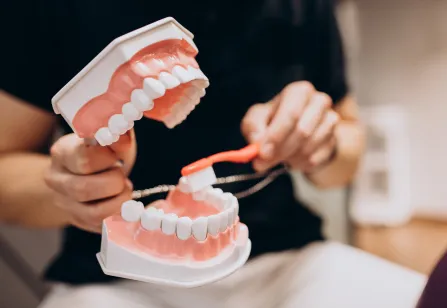






An unexpected toothache can quickly turn into a conversation about a root canal, leaving you to sort out the logistics of a major dental procedure. For our patients here in Northern Virginia, we know that having a clear financial plan is just as important as receiving expert care. That’s why we’ve put together this comprehensive guide. We want to help you understand the ins and outs of your dental insurance for root canal treatment, from what most plans cover to how to handle costs if your benefits fall short. Think of us as your partner in both your dental health and your financial peace of mind.
Key Takeaways
- Root canals save your natural teeth: This procedure is designed to relieve pain, not cause it, by removing infection from a damaged tooth. A dental crown is usually placed afterward to protect the tooth and restore its full function.
- Confirm your insurance coverage before treatment: To avoid financial surprises, check your plan’s rules for major procedures, including your annual maximum, waiting periods, and in-network specialists. Getting a pre-authorization is the best way to know your exact costs.
- Affordable care is possible, even with limited insurance: If your plan doesn't cover the full cost, look into other solutions like in-house loyalty plans, using pre-tax funds from an FSA or HSA, or setting up a payment plan with your dentist.
What is a Root Canal and Why Would You Need One?
The term "root canal" can make anyone a little nervous, but the procedure itself is actually designed to relieve pain, not cause it. Think of it as a way to save a tooth that’s in trouble. A root canal, also known as endodontic treatment, is a routine procedure that removes infected or inflamed tissue from inside your tooth. Once the source of the problem is gone, the inside of the tooth is carefully cleaned, filled, and sealed to prevent any new infections from starting.
The main goal is to get you out of pain and keep your natural tooth right where it belongs. When a tooth's inner tissue, or pulp, becomes infected due to deep decay or an injury, it can cause a severe toothache and lead to an abscess. A root canal stops the infection in its tracks, saving the tooth from needing to be extracted. At Smile Makers, our skilled dental team makes the process as comfortable and stress-free as possible.
Signs you might need a root canal
Your body is pretty good at telling you when something is wrong, and your teeth are no exception. While only a dentist can diagnose the need for a root canal, there are several common warning signs you should pay attention to. If you’re experiencing any of these symptoms, it’s a good idea to schedule a visit with us right away.
According to dental health resources, you might need a root canal if you have:
- Constant sensitivity: Lingering sensitivity to hot or cold temperatures, even after the source is removed.
- Sharp pain when chewing: A specific, sharp pain when you bite down or apply pressure.
- Cracked or chipped teeth: An injury to a tooth can allow bacteria to reach the inner pulp.
- Swollen or dark gums: Swelling, tenderness, or a darkening of the gums around a specific tooth.
- Pimples on the gums: A recurring pimple-like bump on your gums can be a sign of infection.
A step-by-step look at the procedure
Knowing what to expect can make any dental procedure feel more manageable. A root canal treatment is a straightforward process that usually takes one or two appointments to complete. We’ll walk you through every step to ensure you feel informed and at ease.
Here’s a simple breakdown of what happens during the procedure:
- Getting Ready: First, we completely numb your tooth and the surrounding gums so you won’t feel a thing. We then place a small, flexible sheet called a dental dam around the tooth to keep it dry and clean during treatment.
- Cleaning the Tooth: Your dentist makes a tiny opening in the top of the tooth to access the inner chamber. Using specialized tools, they carefully remove the infected or damaged tissue.
- Filling the Space: After the inside of the tooth is thoroughly cleaned, it’s filled with a rubber-like material and sealed. A temporary filling is placed to close the opening while the tooth heals.
- Restoring the Tooth: In a follow-up visit, the temporary filling is removed. To protect the tooth and restore its full function, a permanent dental crown or filling is placed on top.
How Much Does a Root Canal Cost Without Insurance?
Let's get straight to the point. Paying for a root canal out-of-pocket is a major concern for many people, and it helps to have a clear idea of the potential costs. Without dental insurance, a root canal can range from $700 to over $2,000. The final price tag often depends on which tooth needs care.
On average, you can expect the cost to be around $1,000 for a front tooth, $1,100 for a bicuspid (one of the teeth between your molars and canines), and $1,300 for a molar. Molars are the most expensive because they have more canals and are harder to reach, making the procedure more complex. While these numbers can seem intimidating, remember that there are ways to make treatment more affordable. At Smile Makers, we offer a Loyalty Discount Plan to help patients without insurance get the essential care they need without breaking the bank.
What factors influence the cost?
The location of the tooth is a primary factor, but several other things can affect the total cost of your root canal. The complexity of your specific case matters; for instance, a tooth with extensive damage or a unique root structure may require more time and resources. You’ll also find that costs can vary based on whether you see a general dentist or a specialist. For more complicated procedures, you may need an endodontist, one of the dental specialists we have on our team. The urgency of the treatment and your geographic location can also play a role in the final price.
Factoring in the cost of a dental crown
After a root canal, the treated tooth is more fragile. To protect it from future damage, your dentist will almost always recommend placing a crown over it. This is especially true for molars, which handle the heavy lifting of chewing. A dental crown acts like a helmet, restoring the tooth’s strength and function. The cost of a crown is a separate expense, typically adding around $1,100 to your total treatment cost. While a front tooth might sometimes be restored with a simple filling, a crown is a crucial part of the long-term success of most root canal treatments and one of the key restorative services we provide.
How Does Dental Insurance Cover Root Canals?
Understanding your dental insurance can feel like a puzzle, especially when you need a major procedure like a root canal. The good news is that most plans offer significant coverage, making essential care much more affordable. Let's walk through how it works so you can feel confident about your treatment plan and focus on what matters most: your health.
How insurance covers major procedures
Most dental insurance plans classify a root canal as a major restorative procedure. This means they typically cover a significant portion of the cost, often between 50% and 80%, once your deductible is met. The key factor is that the procedure must be considered medically necessary by your dentist to save the tooth. Our endodontic specialists will provide a thorough examination and document the need for treatment to ensure your insurance provider has all the required information. While you will likely have some out-of-pocket expenses, your insurance is designed to handle the heaviest part of the cost for these essential treatments.
Common myths about root canal coverage
Sometimes, fear about the procedure itself can stop people from even looking into their insurance coverage. Let’s clear the air on a few things. Thanks to modern techniques and anesthetics, root canals are not the painful procedures they’re rumored to be. In fact, they are designed to relieve the very pain caused by a damaged or infected tooth. There are also persistent myths about root canals causing illness, but the opposite is true. The treatment removes harmful bacteria and has an extremely high success rate, allowing you to keep your natural tooth for a lifetime with proper care.
Decoding deductibles, copays, and coinsurance
Even with great insurance, you’ll want to understand a few key terms to anticipate your costs. Your deductible is the amount you pay out-of-pocket before your insurance plan starts paying. After you meet your deductible, your coinsurance kicks in, which is the percentage of the cost you’re responsible for. For example, if your plan has 80% coinsurance for a root canal, you would pay the remaining 20%. A copay is less common for major procedures but is a fixed fee you might pay for certain services. Understanding these components of your plan helps you budget for your care. If you're concerned about out-of-pocket costs, our Loyalty Discount Plan can also help make treatment more affordable.
What Are Common Insurance Plan Limitations?
Dental insurance is a fantastic tool for managing your oral health costs, but it's not a blank check. To get the most out of your benefits, especially for a major procedure like a root canal, it helps to understand the fine print. Think of your policy as a roadmap for your dental care; knowing the route ahead of time prevents unexpected detours and financial surprises. Many people assume their insurance will cover everything, only to be caught off guard by limitations they weren't aware of. These rules aren't meant to be confusing, but they do require a little attention. By learning about the most common limitations, like annual maximums, waiting periods, and provider networks, you can become a savvy patient. This knowledge empowers you to plan your treatments strategically, ask the right questions, and work with your dental team to create a care plan that fits both your health needs and your budget. It’s the difference between feeling stressed about a bill and feeling in control of your healthcare journey. Let's walk through the three most common limitations you'll find in a dental plan so you can feel confident and prepared.
Know your plan's annual maximums and limits
Think of your annual maximum as a cap on what your insurance will pay for your dental care in a single benefit year. Most dental plans have one, and it typically resets annually. For example, if your plan has a $1,500 annual maximum, your insurer will cover their portion of costs up to that amount. After you’ve reached that limit, you'll be responsible for 100% of any further costs until the plan renews. Since a root canal and the necessary crown can be a significant expense, it’s possible to hit this limit with just one comprehensive procedure. It’s a good idea to check your policy documents or call your provider to find out your specific annual maximum so you can plan accordingly.
Why you might have a waiting period
A waiting period is a specific amount of time you must be enrolled in a dental plan before it will cover certain procedures. Insurers often apply these to major services, like root canals, to ensure members don't sign up just to have an expensive treatment covered immediately and then cancel the plan. Waiting periods can range from a few months to a full year, depending on the service and your specific policy. If you’re new to your dental plan, this is a critical detail to confirm. Finding out you have a six-month wait when you’re already in pain is a tough spot to be in. Always review your plan’s rules on waiting periods when you enroll or switch policies.
In-network vs. out-of-network costs
Your dental plan has a network of dentists who have agreed to charge pre-negotiated, discounted rates for services. Seeing an "in-network" dentist almost always saves you money and simplifies the billing process. If you go "out-of-network," your insurance will likely cover a much smaller percentage of the bill, or in some cases, nothing at all, leaving you responsible for the difference. This is especially important for specialized care, as you'll want to confirm that both your general dentist and any specialist, like an endodontist, are in your plan's network. Our team at Smile Makers is in-network with many major insurance plans, and we're always here to help you understand your coverage at any of our Northern Virginia locations.
How to Confirm Your Root Canal Coverage
Figuring out what your dental insurance will actually pay for can feel like a puzzle. When you’re dealing with the stress of a potential root canal, the last thing you need is a surprise bill. The good news is that you can get clear answers before you commit to treatment. Taking a few proactive steps will help you understand your coverage, estimate your costs, and move forward with confidence.
Think of it as doing a little homework to save yourself a major headache later. By reviewing your policy, getting pre-authorization, and asking for a detailed estimate, you put yourself in control of the financial side of your dental care. Our team at Smile Makers is here to help you with this process every step of the way. We believe in total transparency, so you’ll know exactly what to expect. When you’re ready, you can book an appointment at any of our Northern Virginia locations, and we can start by creating a clear treatment and financial plan for you.
Review your policy details
The first step is to get familiar with your specific dental plan. You can usually find your policy documents by logging into your insurance provider’s online portal or by calling the customer service number on the back of your card. Look for the section on “major” or “endodontic” services to see how root canals are covered. It’s important to review your dental insurance policy carefully, as coverage can vary quite a bit from one plan to another. One plan might cover 80% of the procedure, while another might only cover 50%. Knowing these details upfront is essential.
Why pre-authorization is key
Pre-authorization is a formal request our office sends to your insurance company before your root canal. It’s not just a suggestion; it’s a crucial step. This process confirms that the procedure is medically necessary and gives you a reliable statement of what your insurance plan will pay. According to Humana, getting pre-authorization can help clarify your coverage and any out-of-pocket costs you’ll be responsible for. Our administrative team will handle submitting the paperwork for you, so you can focus on your health. This step removes the guesswork and ensures there are no misunderstandings about your benefits.
Ask for a pre-treatment cost estimate
Once we receive the pre-authorization from your insurance, we can give you a detailed cost estimate. This isn’t just a ballpark figure; it’s a clear breakdown of the total cost of the procedure, what your insurance is expected to cover, and your final out-of-pocket portion. We always recommend asking for a detailed cost estimate before treatment to avoid any surprises. This allows you to plan your finances accordingly. If you find that your out-of-pocket costs are a concern, we can also discuss other options, like our Smile Makers Loyalty Discount Plan.
How to Choose a Dental Plan for Root Canal Coverage
Picking a dental plan can feel like a chore, but it’s one of the best things you can do for your wallet and your well-being. When you know you might need a major procedure like a root canal, finding the right plan becomes even more important. A little research now can save you from financial stress later. Think of it as creating a financial safety net for your smile. Let’s walk through the key things to look for so you can choose a plan with confidence and get the care you need without breaking the bank.
Compare coverage for major services
First things first, you need to look at how a plan handles major procedures. Insurance companies categorize treatments, and root canals almost always fall into the "major services" bucket. The percentage of the cost they cover can vary widely, often from 40% to 80%. This difference is huge when it comes to your final bill. As you compare plans, look for the one with the highest coverage percentage for major services. Don't just glance at the monthly premium; the coverage specifics are what will really determine your out-of-pocket cost for a root canal.
Check the deductibles and annual limits
Next up are two numbers that have a big impact on your expenses: the deductible and the annual limit. The deductible is the amount you have to pay out of pocket before your insurance starts contributing. The annual limit, or annual maximum, is the most your plan will pay for your dental care in a single year. A lower deductible is great, but you also need an annual limit that’s high enough to cover a root canal and a crown without maxing out. Understanding these deductibles and annual limits helps you accurately predict what you’ll actually have to pay.
Find a plan with in-network specialists
Finally, make sure the plan has a strong network of providers, especially specialists. An endodontist is a specialist who performs root canals. Seeing an in-network specialist means the provider has agreed to set rates with your insurance company, which translates to lower costs for you. Before you sign up for a plan, check if your preferred dentist or specialist is included. At Smile Makers, we work with many insurance providers to make specialized care accessible. Choosing a plan that includes our endodontic specialists can simplify the process and keep your costs down.
How to Maximize Your Dental Insurance Benefits
Getting the most out of your dental insurance plan requires a little bit of strategy. It’s not just about having coverage; it’s about knowing how and when to use it. By understanding the details of your plan and timing your treatments thoughtfully, you can significantly reduce your out-of-pocket costs for procedures like root canals. Think of your dental benefits as a tool, and with a few key tips, you can learn to use that tool effectively to keep both your smile and your wallet healthy. Let's walk through a few ways you can make your insurance work harder for you.
Time your treatment strategically
If your dentist recommends a root canal near the end of the year, take a moment to check your insurance benefits before booking the appointment. Most dental plans have an annual maximum, which is the total amount your insurer will pay for your care in a given year. If you’ve already had a few procedures done, you might be close to hitting that limit. In this case, if it’s not an emergency, you might consider scheduling the root canal for early in the new year when your benefits reset. On the flip side, if you have plenty of benefits left, you’ll want to complete your treatment before they expire at the end of the year.
Plan ahead for related procedures
A root canal is a major step in saving a damaged tooth, but it’s often not the final one. After the procedure, especially for molars and premolars that handle a lot of chewing pressure, a dental crown is usually needed to protect the tooth and restore its function. This is a separate procedure with its own cost. When you’re planning for a root canal, it’s important to factor in the crown as well. Talk to our team about the total treatment plan and ask for a cost estimate that includes both procedures. This way, you can check your insurance coverage for each part and avoid any financial surprises down the road.
Use your benefits before they expire
Most dental insurance plans operate on a "use it or lose it" basis. Your annual maximum doesn't roll over, so any unused benefits will disappear when your plan resets, which is usually on January 1st. This is why it’s so important to stay on top of your regular check-ups and address any needed treatments before the year ends. Even with great coverage, remember you’ll likely have some out-of-pocket costs, like a deductible, copay, or coinsurance. If you find that your plan’s annual maximum isn’t enough to cover your needs, our Loyalty Discount Plan can be a great way to make care more affordable.
What if Your Insurance Coverage Isn't Enough?
It’s a common scenario: you’ve done your research, but there’s still a gap between what your insurance covers and the total cost of your root canal. Don't let this stop you from getting the care you need. When you find yourself with out-of-pocket expenses, you have several great options to make your treatment more manageable. Thinking through these alternatives ahead of time can help you feel prepared and confident about your financial plan.
Our Smile Makers Loyalty Discount Plan
If you don't have insurance or your plan leaves you with high costs, our in-house savings plan is a fantastic alternative. The Smile Makers Loyalty Discount Plan is designed to make dental care more affordable for our patients. For a low annual fee, you get significant discounts on a wide range of services, including major procedures like root canals. There are no waiting periods, annual maximums, or complicated claims to file. It’s a straightforward way to reduce your expenses and ensure you can access the high-quality care you deserve without the stress of traditional insurance limitations.
Use your FSA or HSA for out-of-pocket costs
Your workplace benefits might offer another way to pay. If you have a Health Savings Account (HSA) or a Flexible Spending Account (FSA), you can use those pre-tax funds for your dental work. These accounts are specifically designed for medical and dental expenses that aren't covered by your insurance. As experts at Humana note, you can use a Health Savings Account (HSA) or Flexible Spending Account (FSA) to help pay for root canal costs if it's medically necessary. This is a smart way to handle the remaining balance while getting a nice tax advantage.
Explore financing and payment plans
We believe that cost shouldn't be a barrier to a healthy smile. That’s why we work with our patients to find manageable financial solutions. Many dental offices, including ours, offer flexible payment plans or financing options that let you spread the cost of your treatment over time. The first step is understanding the full picture. It's always a good idea to ask your dentist for a detailed cost estimate before your procedure to avoid surprises. From there, we can discuss a payment schedule that fits your budget. Feel free to book an appointment to talk about your treatment and financial options.
Find Expert Root Canal Care in Northern Virginia
When you need a root canal, you want to be sure you’re in capable and caring hands. Finding the right specialist is key to a smooth procedure and a successful recovery. The good news is you don’t have to search far for expert care. At Smile Makers Dental Center, we have skilled endodontists right on our team, ready to provide the specialized treatment you need.
Having in-house specialists means you get seamless, integrated care from a team that already knows you. From the initial diagnosis to the final restoration with a crown, every step of your treatment happens under one roof. This simplifies the process for you, ensuring your dentist and endodontist are perfectly in sync about your treatment plan. Our goal is to relieve your pain and save your natural tooth with precision and comfort.
With six convenient locations across Northern Virginia, accessing top-tier endodontic care has never been easier. We also believe that financial concerns shouldn’t stand in the way of your health. Our team is here to help you understand your insurance benefits, and for those without sufficient coverage, our Loyalty Discount Plan offers an affordable alternative. If you’re experiencing tooth pain, don’t wait. Book an appointment with us today to get the relief you deserve.
Related Articles
- 5 Clear Signs You Need a Root Canal
- Dental Financing & Insurance - Smile Makers Dental Center
- Dental Financing & Insurance - Smile Makers Dental Center
- Sedation Dentistry Cost: A 2026 Price Guide
Frequently Asked Questions
Is a root canal really painful? This is by far the most common question, and I'm happy to report that the procedure itself is not painful. The severe toothache you feel from the infection is the real source of pain. A root canal is designed to relieve that pain. We use local anesthetic to completely numb the tooth and the area around it, so you won't feel anything during the treatment. Most people feel a great sense of relief afterward.
Why can't I just have the tooth pulled instead? While pulling a tooth might seem like a simpler or cheaper solution at first, it can lead to more complex and expensive problems later on. Saving your natural tooth is always the best option. It helps maintain your bite, keeps other teeth from shifting out of place, and preserves your jawbone. Replacing a missing tooth with an implant or bridge is a much more involved and costly process than saving it with a root canal.
How long does the entire root canal and crown process take? The full treatment is typically completed over two or three visits. The root canal itself usually takes one or two appointments, each lasting about 90 minutes. After the root canal, your tooth needs to heal for a short time. You'll then come back for another appointment to have the permanent crown placed, which protects the tooth for the long term.
Do I need to see a specialist for a root canal? While many general dentists can perform root canals, more complex cases are often handled by an endodontist, a dentist who specializes in saving teeth. Molars with curved roots or teeth that have had previous treatment may require a specialist's touch. At Smile Makers, we have endodontists on our team, so you can get specialized care without needing a referral to an outside office.
What if I can't afford the out-of-pocket cost even with insurance? We understand that cost is a major concern, and we never want it to prevent you from getting necessary care. If your insurance leaves you with a balance that feels unmanageable, we have options. Our Smile Makers Loyalty Discount Plan is a great alternative that offers significant savings without the hassles of traditional insurance. We can also discuss flexible payment plans to spread the cost over time.